Female, Full Entry

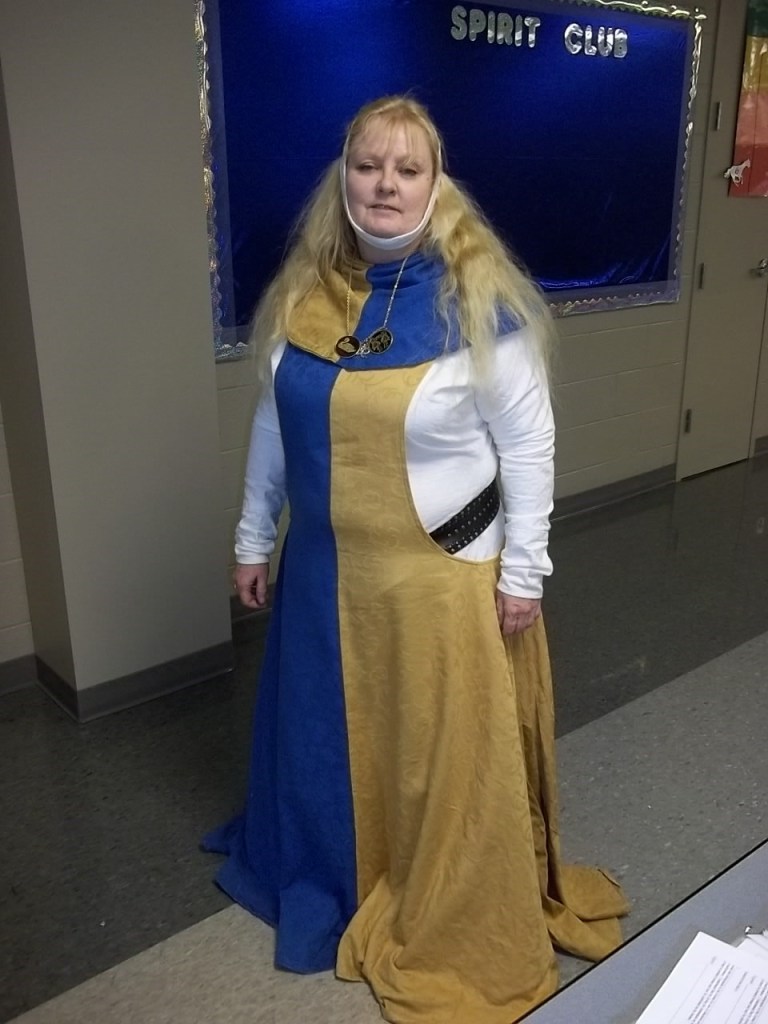
1000 CE Female Anglo Saxon Tunic Dress

Title1000 CE Female Anglo Saxon Tunic Dress
Entry #GGB2021.015
Alternate Names Tunic dress, gown,
Year1000 CE
Time range900-1066 CE
EraEarly Medieval
Genderfemale
regionWestern Europe
Countries/culturesAnglo Saxon, England
MakerBeocca the Fair of Hastings
Difficulty1
ConfidenceImage Example

Intro:

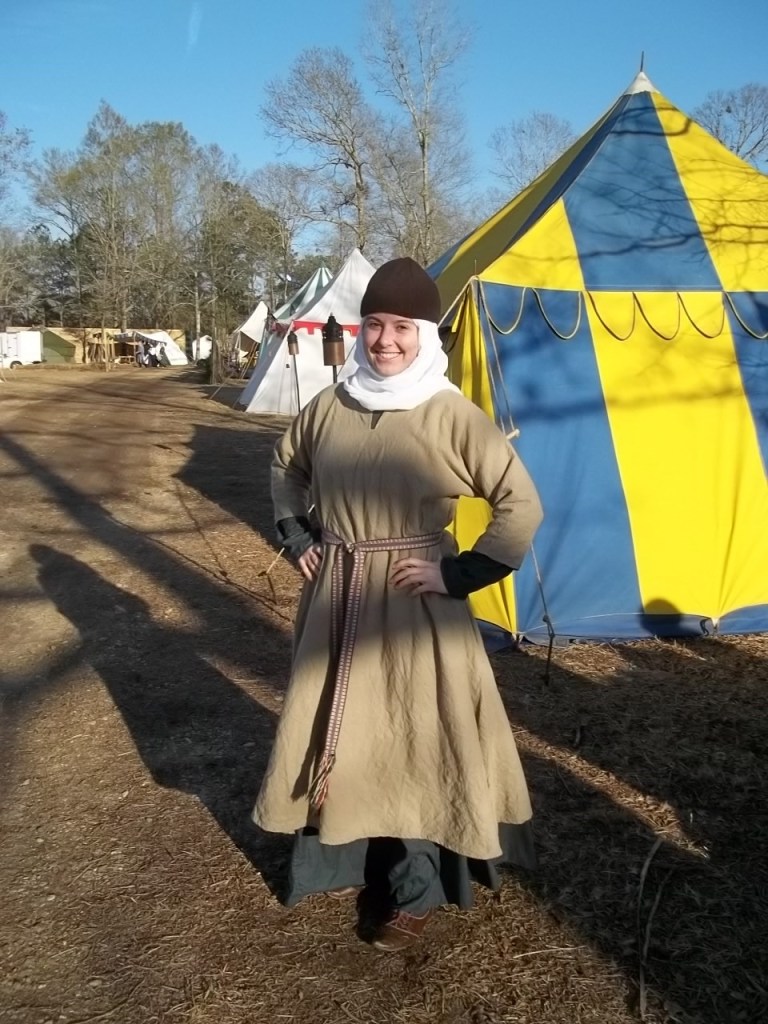
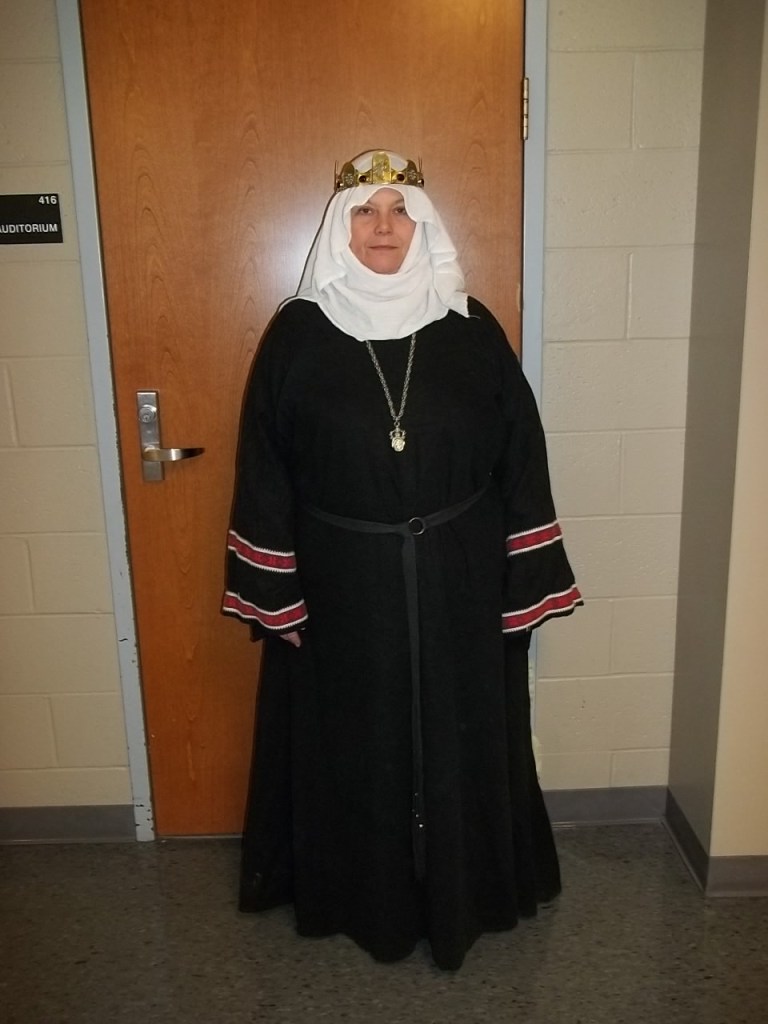
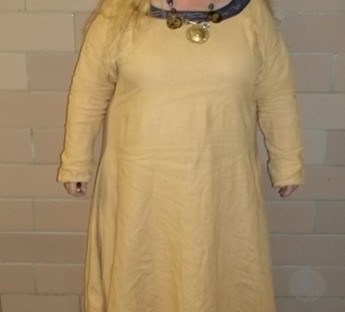
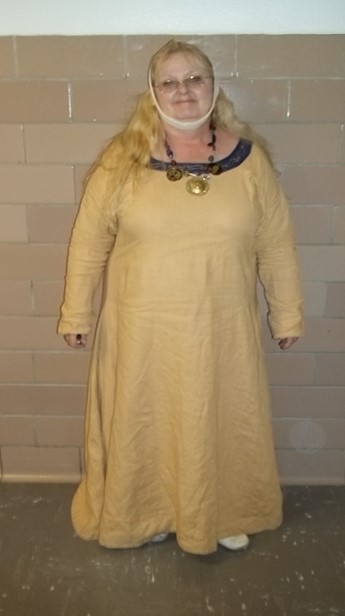
A tunic dress style outfit with accessories common to many early or pre medieval cultures. Under dress in the tunic style, and a decorated over dress.

Description:

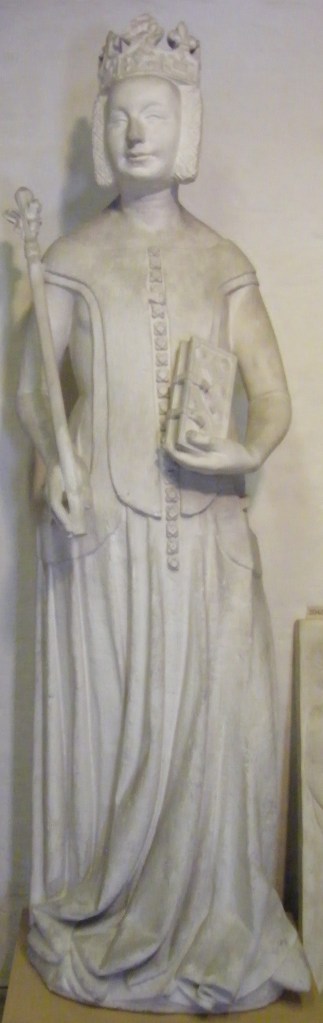
Few representations survive of early garments and many fewer extant examples, however what does survive would support much of what is shown here. 

The basic tunic style dress consisting of a linen under dress and a wool over dress featuring embroidered decoration around the neck.  Worn with a wimple minus the veil (not pictured) on the head. 

Inspiration Images

Common Materials

  • Fabrics:
    • Linen for Under Layers
    • Wool for outer Layer
    • Linen or silk for the wimple and veil
  • Ornamentation:

Effective Substitutions

  • Fabrics:
    • Some cottons
    • cotton/linen blends
    • linen/rayon blends
    • some wool blends
  • Ornamentation:

Ensemble Components

  • Under Dress
  • Over Tunic

  • Wimple and Veil

Accessories

Source/Links

Version2
date3/5/2021
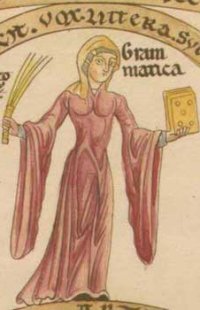
Source of Period PicThe National Portrait Gallery History of the Kings and Queens of England by David Williamson, ISBN 1855142287.
ModelDiana Hastings 020213-22 091413-06
PhotographerVincent De Vere
  

Full Entry, Male

1000 CE Male Byzantine Tunic 1

Title: 1000 CE Male Byzantine Tunic 1
Entry #: GGB2021.026
Alternate Names:  
Year: 1000 CE
Time range: 700-1083 CE
Era: Early Medieval
Gender: Male
region: Eastern Europe/Middle East
Countries/cultures: Byzantine
Maker:
Difficulty: 1
Confidence: Image examples

Intro:

Clothing from the outskirts of the Byzantine empire, multi layered and richly decorated tunic garments consisting of layers of dresses and robes

Description:

Inspired by the founding Roman cultures, Byzantine garments tended to be layers of tunics made from finely woven and often rich fabrics decorated with embroidery or appliques.  Often worn with a cloak called a Chlamys

Multiple layers of rich garments would show the wealth of the individual.  Fabrics were lighter and finer in weave, assuming to be linens and silks.  

No additional information provided

Inspiration Images

Common Materials

  • Fabrics:
    • Fine Fabrics
    • Linens
    • Silks
    • Solid colors embellished with embroidered decorations or appliqued shames rather than designs that were woven in
  • Ornamentation:

Effective Substitutions

  • Fabrics:
    • cottons
    • linen blends
    • some fine polyester/blends for silk effects, but the poly blends have many drawbacks
  • Ornamentation:

Ensemble Components

  • outer wide sleeved robe
  • under tunics of various colors

  • hats of various styles
  • shoes or slippers

Accessories

  • worn with roman inspired cloak called a chlamys and various hats

Source/Links

Version: 3
date: 3/6/2021
Source of Period Pic: Meister der Kahriye-Cami-Kirche in Istanbul
 Mosaiken der Kirche Kahrié-Djami in Istanbul, Szene: Märtyrer
Model: Donald MacDonald 020213-08
Photographer: Vincent De Vere
  

Female, Full Entry

1000 CE Female Norman Gown 3

Title: 1000 CE Female Norman Gown 3
Entry #: GGB2021.019
Alternate Names: Gown, Cotte, tunic dress 
Year: 1100 CE
Time range: 900-1150CE
Era: High Medieval
Gender: Female
region: Western Europe
Countries/cultures: Norman, Anglo Saxon, England, france
Maker: Sorcha O’Riain
Difficulty: 1
Confidence: Image Examples

Intro:

A common tunic dress style garment prevalent both in England as well as central Europe for the time leading up to and after the Norman invasion of 1066 CE

Description:

A common style worn by women in pre and post Norman invasion in England as well as France consisted of a tunic style underdress and over dress.

The underdress called a chemise, chainse or smock would commonly be made of linen. 

The over tunic or cotte would be longer for higher status women or shorter for working class. Sleeves are shown in some painting both tight to the wrist as well as bell or trumpet sleeves. Commonly made out of wool and perhaps decorated with embroidery or the applique of contrasting fabrics.

Commonly work with this would be simple turn or bag shoes, and a head covering such as a wimple and veil. 

This dress is constructed as a tunic style dress,  A blue bell-sleeved over dress, or gown, worn over a green and white underdress, with a chemise under that.

Inspiration Images

Common Materials

  • Fabrics:
    • Underdress – Linen, including non-flax linens
    • Overdress – Wool
    • Wimple/veil – Linen or silk for high status women
  • Ornamentation:

Effective Substitutions

  • Fabrics:
    • Underdress – linen, linen blends, cottons
    • Overdresses – Wool blends, linens, linen blends, some heaver cottons
    • Wimple/Veil – linen, silk, poly (watch out for candles!)
  • Ornamentation:

Ensemble Components

  • Underdress – below the knee, long sleeved, white or off white light fabrics
  • Overdress

  • Headwear
  • Shoes

Accessories

  • Belt
  • Pouch
  • Bag

Source/Links

Version: 2
date: 3/5/2021
Source of Period Pic: Figure of Grammatica, from the Hortus Deliciarum – 12th century
Model: Sorcha O’Riain
Photographer: Vincent De Vere
  

Female, Full Entry

1000 CE Female Norman Gown 2

Title: 1000 CE Female Norman Gown 2
Entry #: GGB2021.018
Alternate Names: Gown, Cotte, tunic dress 
Year: 1100 CE
Time range: 900-1150CE
Era: High Medieval
Gender: Female
region: Western Europe
Countries/cultures: Norman, Anglo Saxon, England, france
Maker: Christine Misterka
Difficulty: 1
Confidence: Image Examples

Intro:

A common tunic dress style garment prevalent both in England as well as central Europe for the time leading up to and after the Norman invasion of 1066 CE

Description:

A common style worn by women in pre and post Norman invasion in England as well as France consisted of a tunic style underdress and over dress.

The underdress called a chemise, chainse or smock would commonly be made of linen. 

The over tunic or cotte would be longer for higher status women or shorter for working class. Sleeves are shown in some painting both tight to the wrist as well as bell or trumpet sleeves. Commonly made out of wool and perhaps decorated with embroidery or the applique of contrasting fabrics.

Commonly work with this would be simple turn or bag shoes, and a head covering such as a wimple and veil. 

This dress is constructed as a tunic style dress,  A blue bell-sleeved over dress, or gown, worn over a green and white underdress, with a chemise under that.

Inspiration Images

Common Materials

  • Fabrics:
    • Underdress – Linen, including non-flax linens
    • Overdress – Wool
    • Wimple/veil – Linen or silk for high status women
  • Ornamentation:

Effective Substitutions

  • Fabrics:
    • Underdress – linen, linen blends, cottons
    • Overdresses – Wool blends, linens, linen blends, some heaver cottons
    • Wimple/Veil – linen, silk, poly (watch out for candles!)
  • Ornamentation:

Ensemble Components

  • Underdress – below the knee, long sleeved, white or off white light fabrics
  • Overdress

  • Headwear
  • Shoes

Accessories

  • Belt
  • Pouch
  • Bag

Source/Links

Version: 2
date: 3/5/2021
Source of Period Pic: Figure of Grammatica, from the Hortus Deliciarum – 12th century
Model: Christine Misterka
Photographer: Vincent De Vere
  

Component Entry, Female, Male, Unisex

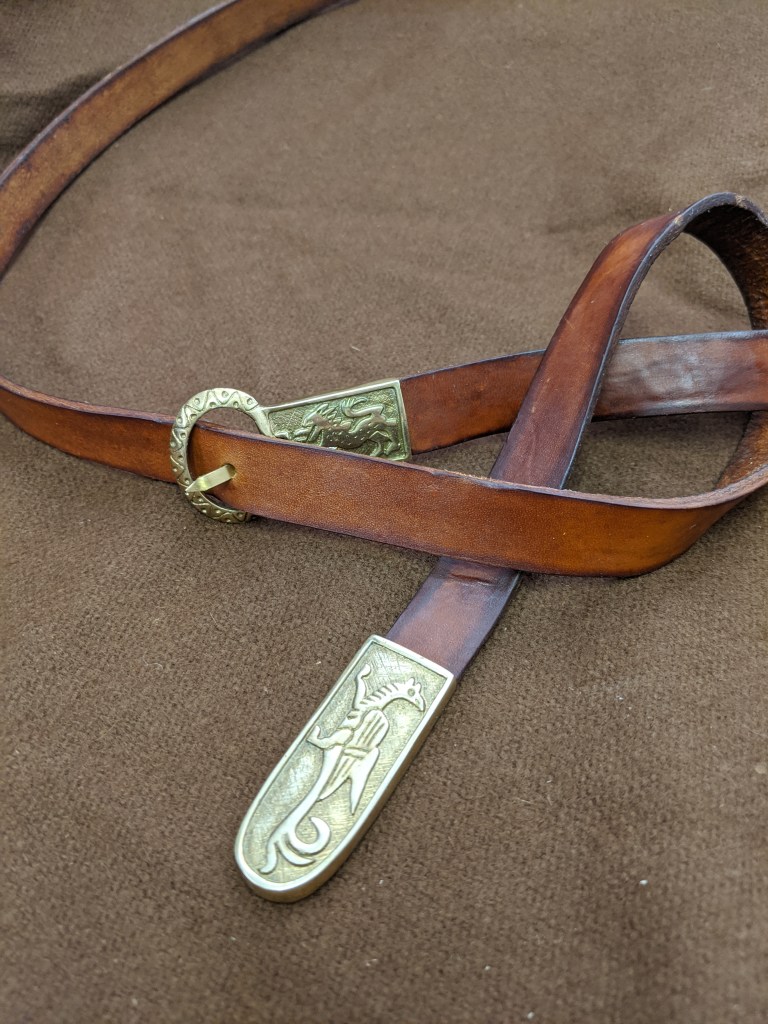
Narrow Belt with Reproduction Buckle

TitleNarrow Belt with Reproduction Buckle
Entry #GGC2021.032
Alternate NamesBelt
Year1066 CE
Time range1000-1200CE
EraHigh Medieval
GenderUnisex
regionEurope
Countries/culturesEurope
MakerVincent De Vere,
Difficulty1
ConfidenceExtant Example

Intro:

 Various belts.      

Description:

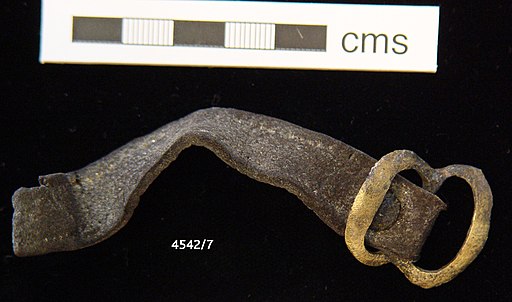
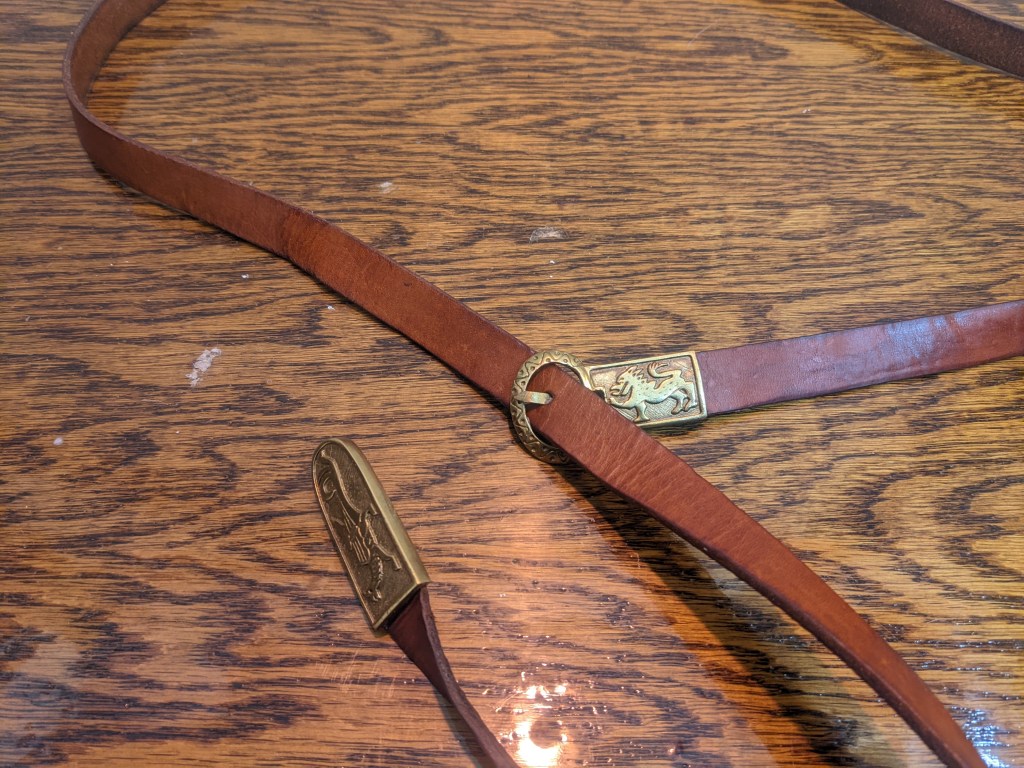
This is a reproduction of an extant example buckle and strap end attached to a strip of leather to form a belt.

This reproduction buckle is based on an extant example and was dated to a time range in the high medieval period. It is available through several reputable vendors. It would be an example of a very inexpensive reproduction piece.

Inspiration Images

Common Materials

  • Fabrics:
    • Leather
  • Ornamentation:

Effective Substitutions

  • Fabrics:
    • Leather
  • Ornamentation:

Ensemble Components

Accessories

Source/Links

The Portable Antiquities Scheme/ The Trustees of the British Museum, CC BY-SA 4.0 <https://creativecommons.org/licenses/by-sa/4.0&gt;, via Wikimedia Commons

https://armourandcastings.com/en_US/products/prjazhka-e14-2

Norman belt set, Britain, 11-12 c. For 20 mm wide belt.

Version1
date1/2/2022
Source of Period PicBritish Museum
Model 
PhotographerVincent De Vere
  
Component Entry, Unisex

Shoe, bag shoe

TitleShoe, bag shoe
Entry #GGC2022.017
Alternate Names
Year1000 CE
Time range3000 BCE – 1200 CE
Eraall
Genderunisex
regionEurope
Countries/cultures
MakerVincent De Vere,
Difficulty1
ConfidenceExtant Examples

Intro:

Simple slip on shoes.

Description:

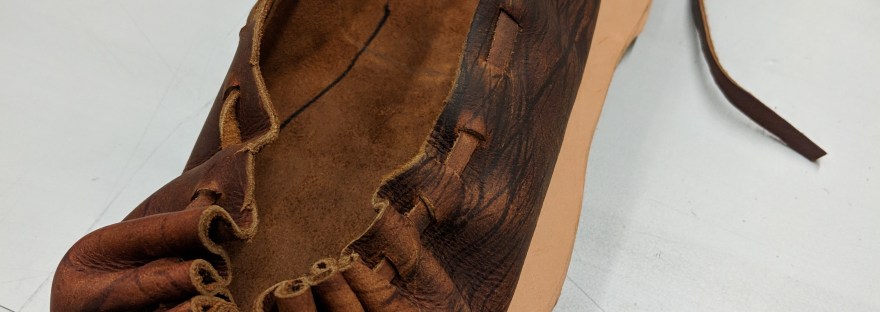
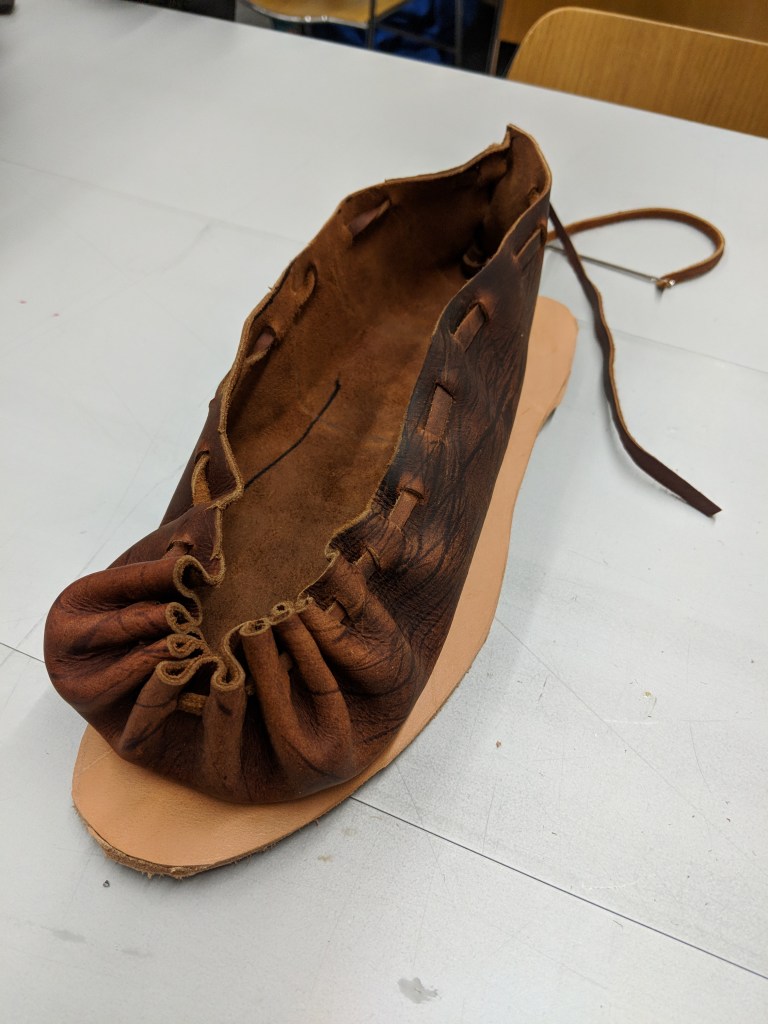
Low slip on shoes that are constructed from a single piece of leather and a leather thong.  Evidence of shoes much like this have been found to our knowledge, from sites ranging from 3000 BCE to 1200 CE or later.  Basic shoes of this style have also been found in the archeological record across Europe. 

This recreation shoe later had a stiffing sole and tread glued to the bottom to prevent the wearer from slipping at events.  Although this modification is not historically correct, modifications done for personal safety and comfort are common in the SCA.

Inspiration Images

Common Materials

  • Fabrics:
    • Leather
  • Ornamentation:

Effective Substitutions

  • Fabrics:
    • chrome tanned leather, but oak tan/veg tan leather will work far better

Ensemble Components

Accessories

Source/Links

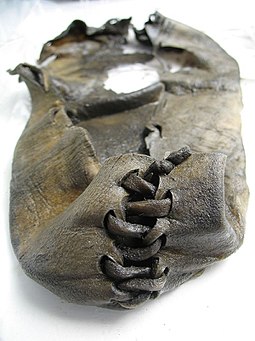
The Jotunheimen shoe. Vegard Vike/Kulturhistorisk museum, CC BY-SA 4.0 <https://creativecommons.org/licenses/by-sa/4.0&gt;, via Wikimedia Commons

Stepping Through Time: Archaeological Footwear from Prehistoric Times until 1800, By Olaf Goubitz.  ISBN  9089320040 ISBN-13 ‏ : ‎ 978-9089320049

Version1
date1/9/2022
Source of Period PicThe Jotunheimen shoe. Vegard Vike/Kulturhistorisk museum, CC BY-SA 4.0 <https://creativecommons.org/licenses/by-sa/4.0&gt;, via Wikimedia Commons
Model 
PhotographerVincent De Vere
  

Full Entry, Male

1100 CE Grayfriar (Cistercian) Habit 1

Title: 1100 CE Grayfriar (Cistercian) Habit 1
Entry #: GGB2021.032
Alternate Names: Friar Robes, monks robes 
Year: 1100 CE
Time range: 1100 – end of period
Era: High medieval
Gender: Male
region: Europe
Countries/cultures: Europe
Maker: Vincent De Vere
Difficulty: 1
Confidence: Extant Examples

Intro:

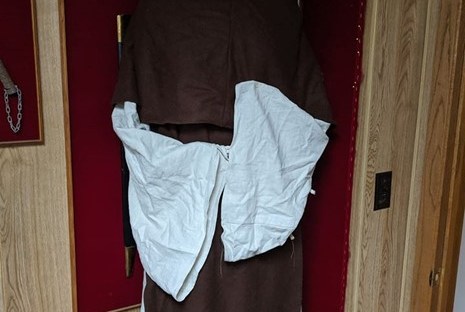
Long belted tunic with a belt of leather, cloth or rope.  A scapula, the tabard like rectangle of cloth with a cowl or hood attached. 

Description:

Generally unadorned, color of the fabric denotes particular religious order the wearer belongs to. The belt could be leather but some references say rope was more common. 

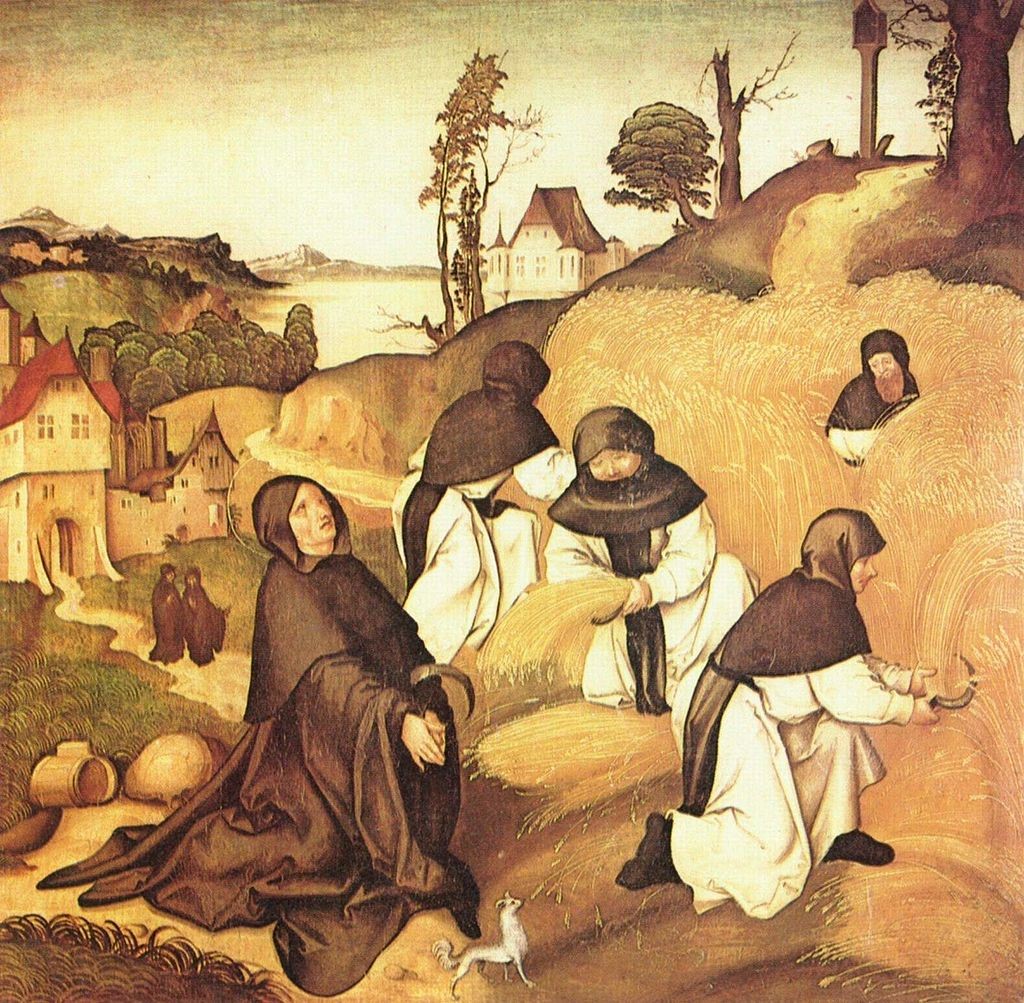
Over time the colors of the different orders became nearly standardized.  The Benedictine Monks would dye the wool they used to make their habits leading to names such as Black Monks or Blackfriar.  The Cistercian Monks who arose in the 1100’s opted for undyed wool to show their adherence to poverty.  This led to names like White monks or Grayfriars.  There ae still many places across England with location names of Blackfriars and Grayfriars. 

This attempt at a Cistercian habit used linen instead of wool for the long tunic and brown wool for the scapula.

Any portrayal of religious personages at events should be done with respect to the beliefs of others.   

Inspiration Images

Common Materials

  • Fabrics:
    • wool
  • Ornamentation:

Effective Substitutions

  • Fabrics:
    • linen
    • cotton
    • linen blends
    • wool blends
  • Ornamentation:

Ensemble Components

  • tunic
  • scapula hood

  • belt

Accessories

  • pouch
  • rosary

Source/Links

Version: 2
date: 3/5/2021
Source of Period Pic: Life of St. Bernard of Clairvaux by Jörg Breu the Elder 1500
Model: Vincent De Vere
Photographer: Vincent De Vere
  

Female, Full Entry

1100 CE Female Norman Gown 4

Title: 1100 CE Female Norman Gown 4
Entry #: GGB2021.030
Alternate Names: Gown, Cotte, 
Year: 1100 CE
Time range: 1000-1200 CE
Era: High Medieval
Gender: Female
region: Western Europe
Countries/cultures: Norman, Anglo Saxon, England, france
Maker: Elspeth Stonehaven
Difficulty: 1
Confidence: Image Examples

Intro:

A common tunic dress style garment prevalent both in England as well as central Europe for the time leading up to and after the Norman invasion of 1066 CE

Description:

A common style worn by women in pre and post Norman invasion in England as well as France consisted of a tunic style underdress and over dress.

The underdress called a chemise, chainse or smock would commonly be made of linen. 

The over tunic or cotte would be longer for higher status women or shorter for working class. Sleeves are shown in some painting both tight to the wrist as well as bell or trumpet sleeves. Commonly made out of wool and perhaps decorated with embroidery or the applique of contrasting fabrics.

Commonly work with this would be simple turn or bag shoes, and a head covering such as a wimple and veil. 

This dress is constructed as a tunic style dress,  A blue bell-sleeved over dress, or gown, worn over a green and white underdress, with a chemise under that.

Inspiration Images

Common Materials

  • Fabrics:
    • Underdress – Linen, including non-flax linens
    • Overdress – Wool
    • Wimple/veil – Linen or silk for high status women
  • Ornamentation:

Effective Substitutions

  • Fabrics:
    • Underdress – linen, linen blends, cottons
    • Overdresses – Wool blends, linens, linen blends, some heaver cottons
    • Wimple/Veil – linen, silk, poly (watch out for candles!)
  • Ornamentation:

Ensemble Components

  • Underdress – below the knee, long sleeved, white or off white light fabrics
  • Overdress

  • Headwear
  • Shoes

Accessories

  • Belt
  • Pouch
  • Bag

Source/Links

Version: 2
date: 3/5/2021
Source of Period Pic: Figure of Grammatica, from the Hortus Deliciarum – 12th century
Model: Elspeth Stonehaven
Photographer: Vincent De Vere
  

Female, Full Entry

1200 CE Female Sideless Surcote 2

Title: 1200 CE Female Sideless Surcote 2
Entry #: GGB2021.040
Alternate Names: pellote 
Year: 1200 CE
Time range: 1100-1300’s CE
Era: High medieval
Gender: Female
region: European, western europe
Countries/cultures: England, france, spain
Maker: Beocca the Fair of Hastings
Difficulty: 1
Confidence: extant examples

Intro:

Outer layer garment with deeply cut arm holes worn with often form fitted undergarments that came in many variations and with examples for all sexes.

Description:

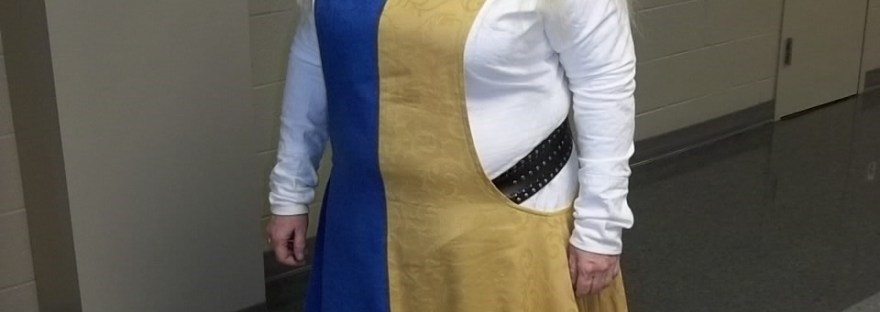
Sideless Surcotes are easily spotted by the deeply cut arm holes.  They commonly expose a more fitted garment beneath such as kirtles or fitted cotes. 

Parti-colored sideless surcote worn with a mantled hood.

These over dresses could vary from heraldic lesser modified cotes to heavily modified overdresses with narrow vertical front bands.  Easily sewn and open for many variations and modifications. Used in many parts of Europe during the first part of the high middle ages

Variations can include constructed materials, fur trim, heraldic displays, variations of depth of armhole, width of plastron (front and back bands,) width of hem, style of fitted under dress.

Inspiration Images

Medieval Combat Society

Common Materials

  • Fabrics:
    • Salk
    • celvets
    • brocades
    • fine wools
    • extant examples found constructed from silk damasks and jacquard
  • Ornamentation:

Effective Substitutions

  • Fabrics:
    • Silks
    • velvets
    • brocades
    • fine to medium coarse wools
    • wool blends
    • linen and linen blends
    • substituting poly velvets for silk velvets, or cotton velveteen – Not stretch velvets or crushed velvets.
  • Ornamentation:
    • High quality fake furs for trimming and lining. 

Ensemble Components

  • Sideless Surcote
  • Kirtle or cote
  • Underdress/undergarments

  • knee length hose
  • turn shoes or slippers
  • mantled hood

Accessories

  • belt
  • (worn under the surcote and over the fitted garment)
  • coif/hat/veil – works well with a barbette and fillet

Source/Links

http://www.wodefordhall.com/surcote.htm

http://www.bayrose.org/AandS/handouts/Sideless_Surcoat_web.pdf

Version: 2
date: 3/6/21
Source of Period Pic: http://www.insecula.com/oeuvre/O0000311.html
Model: Beocca the Fair of Hastings
Photographer: Vincent De Vere
  

Female, Full Entry

1200 CE Female Sideless Surcote 1

Title: 1200 CE Female Sideless Surcote 1
Entry #: GGB2021.039
Alternate Names: pellote 
Year: 1200 CE
Time range: 1100-1300’s CE
Era: High medieval
Gender: Female
region: European, western europe
Countries/cultures: England, france, spain
Maker: Jacqueline Storme
Difficulty: 1
Confidence: extant examples

Intro:

Outer layer garment with deeply cut arm holes worn with often form fitted undergarments that came in many variations and with examples for all sexes.

Description:

Sideless Surcotes are easily spotted by the deeply cut arm holes.  They commonly expose a more fitted garment beneath such as kirtles or fitted cotes. 

Parti-colored sideless surcote worn with a mantled hood.

These over dresses could vary from heraldic lesser modified cotes to heavily modified overdresses with narrow vertical front bands.  Easily sewn and open for many variations and modifications. Used in many parts of Europe during the first part of the high middle ages

Variations can include constructed materials, fur trim, heraldic displays, variations of depth of armhole, width of plastron (front and back bands,) width of hem, style of fitted under dress.

Inspiration Images

Common Materials

  • Fabrics:
    • Salk
    • celvets
    • brocades
    • fine wools
    • extant examples found constructed from silk damasks and jacquard
  • Ornamentation:

Effective Substitutions

  • Fabrics:
    • Silks
    • velvets
    • brocades
    • fine to medium coarse wools
    • wool blends
    • linen and linen blends
    • substituting poly velvets for silk velvets, or cotton velveteen – Not stretch velvets or crushed velvets.
  • Ornamentation:
    • High quality fake furs for trimming and lining. 

Ensemble Components

  • Sideless Surcote
  • Kirtle or cote
  • Underdress/undergarments

  • knee length hose
  • turn shoes or slippers
  • mantled hood

Accessories

  • belt
  • (worn under the surcote and over the fitted garment)
  • coif/hat/veil – works well with a barbette and fillet

Source/Links

http://www.wodefordhall.com/surcote.htm

http://www.bayrose.org/AandS/handouts/Sideless_Surcoat_web.pdf

Version: 2
date: 3/6/21
Source of Period Pic: http://www.insecula.com/oeuvre/O0000311.html
Model: Jacqueline Storme
Photographer: Jacqueline Storme