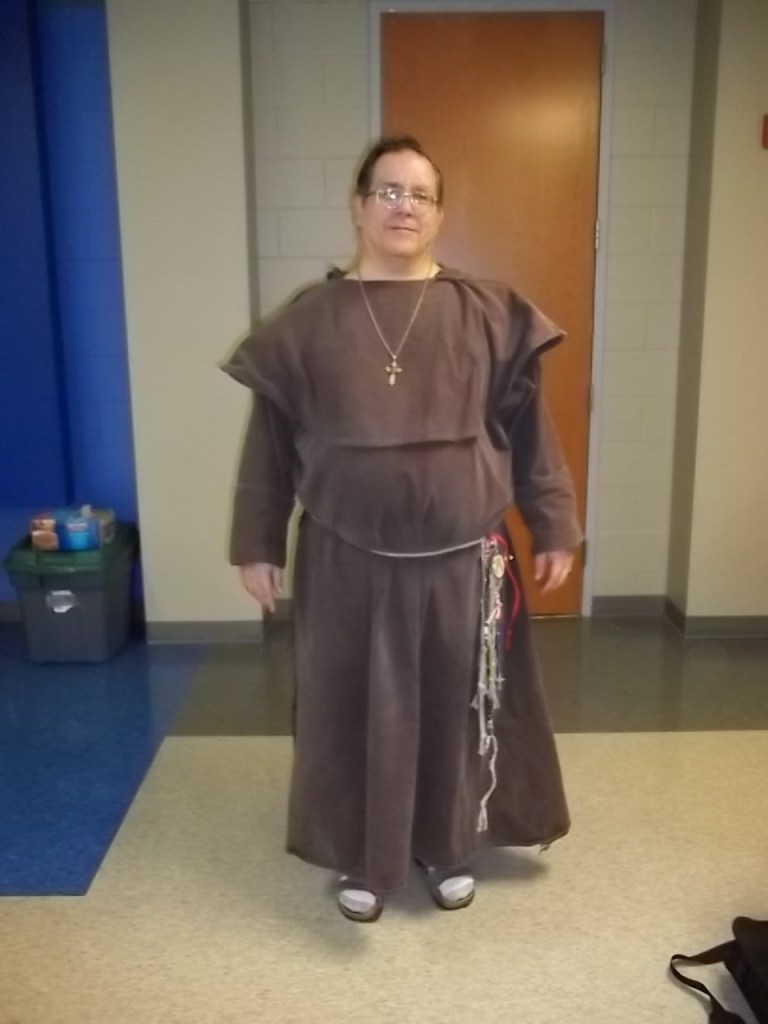
Full Entry, Male

1250 CE Franciscan Friar monk Habit 1

1250 CE Franciscan Friar monk Habit 1
Entry #: GGB2021.043
Alternate Names: Friar Robes, monks robes 
Year: 1250
Time range: 1250 – end of period
Era: High medieval
Gender: Male
region: Europe
Countries/cultures: Europe
Maker: Ida Lundy
Difficulty: 1
Confidence: Extant Examples

Intro:

Long belted tunic with a belt of leather, cloth or rope.  A scapula, the tabard like rectangle of cloth with a cowl or hood attached. 

Description:

Generally unadorned, color of the fabric denotes particular religious order the wearer belongs to. The belt could be leather but some references say rope was more common. 

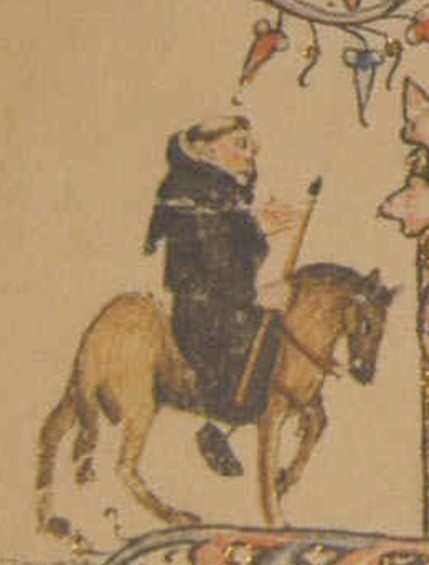
Over time the colors of the different orders became nearly standardized.  The Benedictine Monks would dye the wool they used to make their habits leading to names such as Black Monks or Blackfriar.  The Cistercian Monks who arose in the 1100’s opted for undyed wool to show their adherence to poverty.  This led to names like White monks or Grayfriars.  There ae still many places across England with location names of Blackfriars and Grayfriars. 

This attempt at a Franciscan habit wool blend for the long tunic and brown wool for the hooded mantle. Franciscan order arose shortly after the Cistercian order.

Any portrayal of religious personages at events should be done with respect to the beliefs of others.   

Inspiration Images
Common Materials

  • Fabrics:
    • wool
  • Ornamentation:

Effective Substitutions

  • Fabrics:
    • linen
    • cotton
    • linen blends
    • wool blends
  • Ornamentation:

Ensemble Components

  • tunic
  • scapula hood

  • belt

Accessories

  • pouch
  • rosary

Source/Links

Version: 2
date: 3/5/2021
Source of Period Pic: Life of St. Bernard of Clairvaux by Jörg Breu the Elder 1500
Model: Vincent De Vere
Photographer: Vincent De Vere
  

Component Entry, Unisex

Shoe, slip-on punched turn shoe 1

TitleShoe, slip-on punched turn shoe 1
Entry #GGC2022.019
Alternate NamesShoe, turn shoe,
Year1300 CE
Time range1100 BCE – 1400 CE
Eraall
Genderunisex
regionEurope
Countries/culturesEurope
MakerVincent De Vere,
Difficulty3
ConfidenceExtant Examples

Intro:

Slip on turn shoes with punched out decorations       

Description:

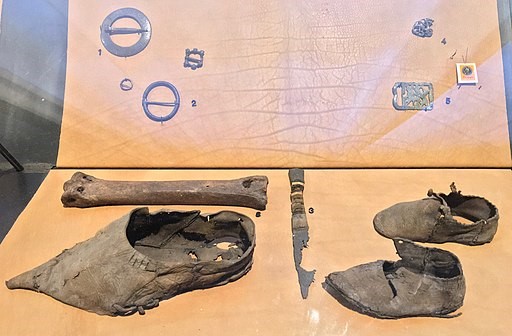
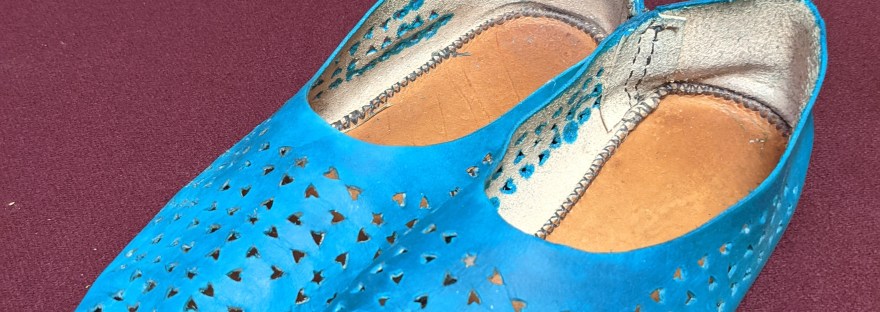
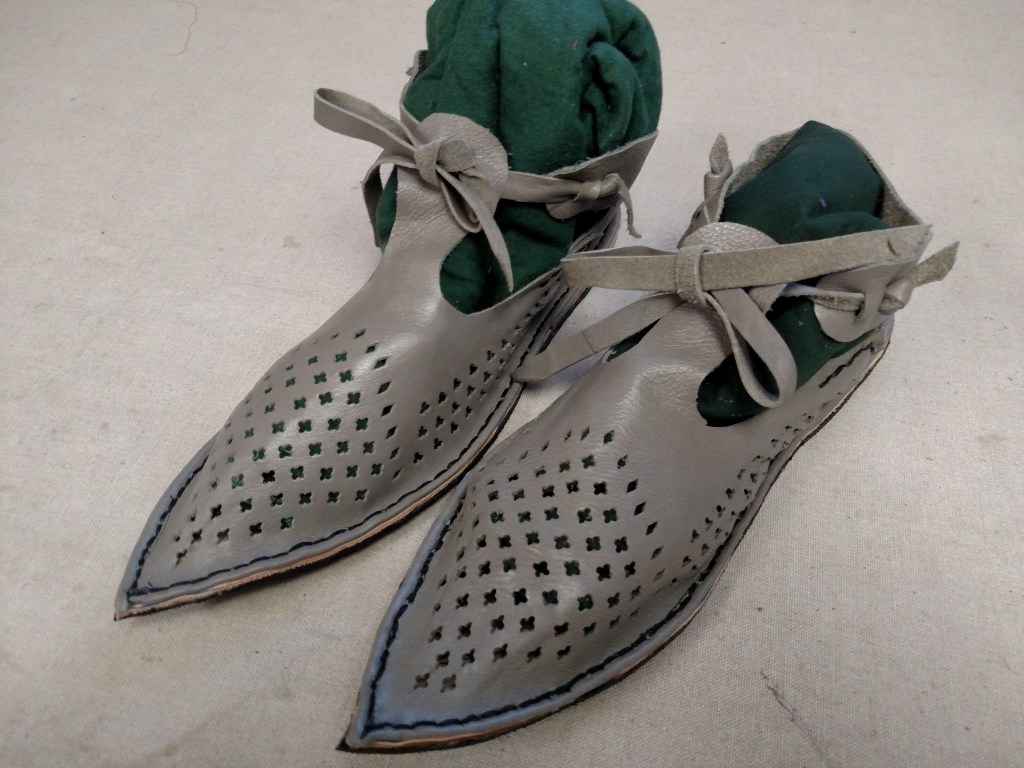
Low slip on shoes that are constructed from 2 pieces of leather. They are sewn inside out and then turned right side out, thus the common name of turn shoes.  Shoes like these, in one form or another, have been used throughout the period covered by the SCA

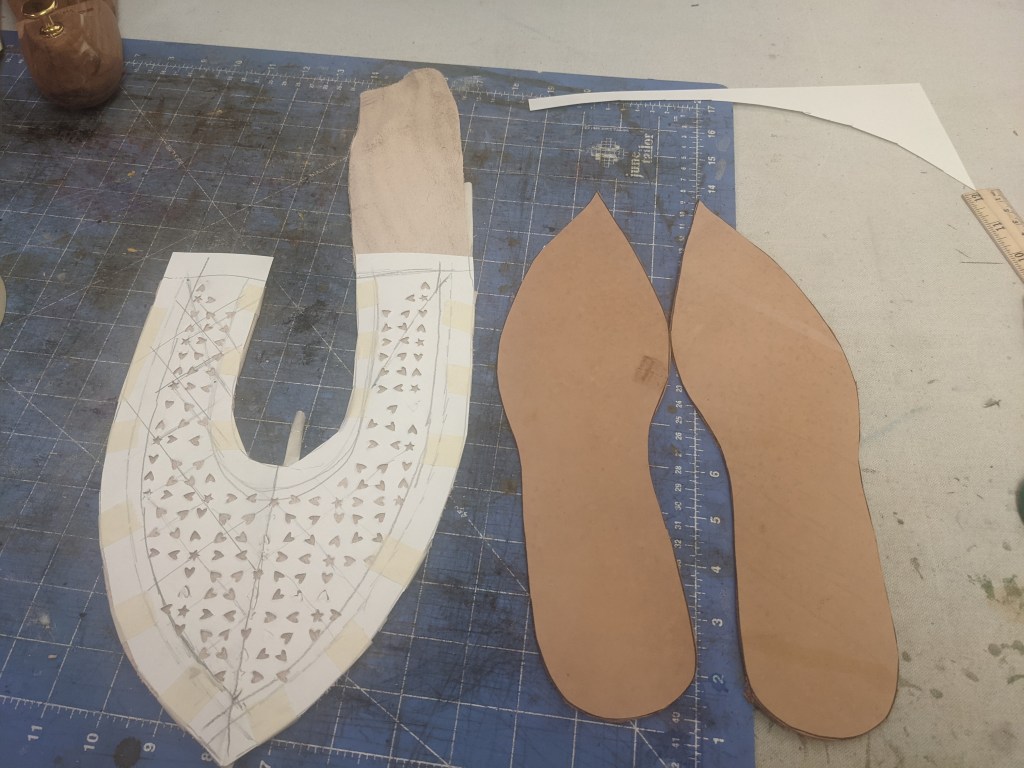
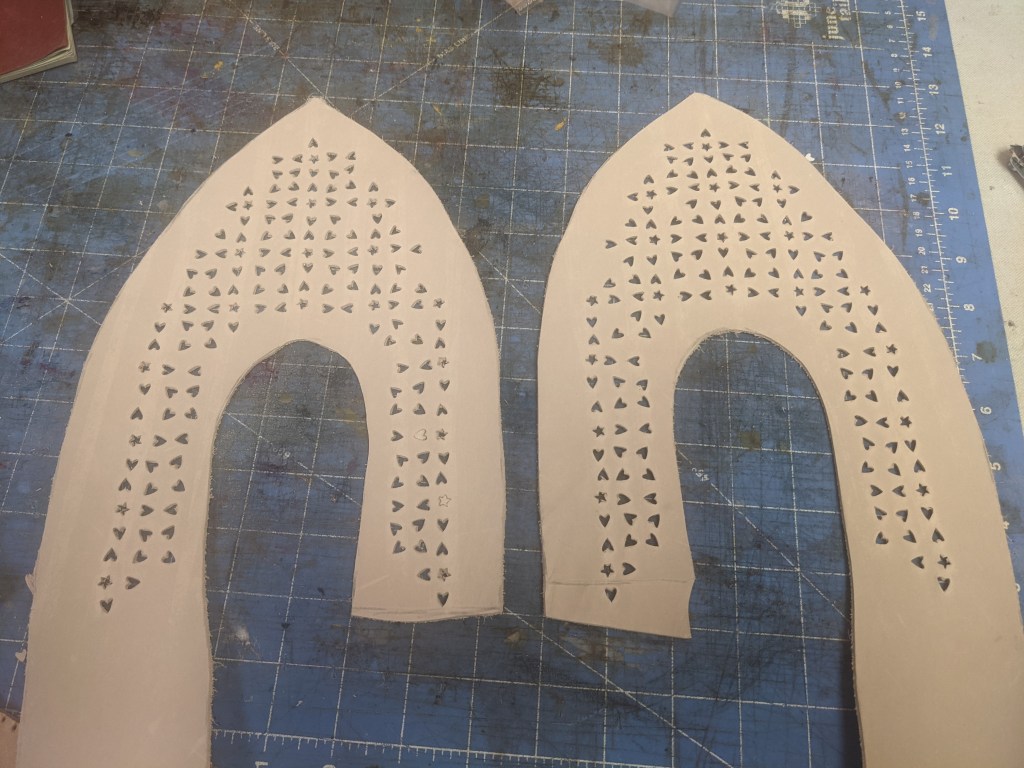
This pair of shoes is decorated by having a pattern of holes punched into the leather before assembling the shoe.  Shoes decorated with punch decorations have survived dating back to Roman times. Sets of shaped punches can be purchased online for not much and the punching of the leather adds less than an hour to the total construction time. 

Inspiration Images

Common Materials

  • Fabrics:
    • Leather
  • Ornamentation:

Effective Substitutions

  • Fabrics:
    • chrome tanned leather doesn’t shape and form that way oak tan/veg tan leather will.

Ensemble Components

Accessories

Source/Links

Wolfmann, CC BY-SA 4.0 <https://creativecommons.org/licenses/by-sa/4.0&gt;, via Wikimedia Commons

Stepping Through Time: Archaeological Footwear from Prehistoric Times until 1800, By Olaf Goubitz.  ISBN  9089320040 ISBN-13 ‏ : ‎ 978-9089320049

Version1
date1/9/2022
Source of Period PicWolfmann, CC BY-SA 4.0 <https://creativecommons.org/licenses/by-sa/4.0&gt;, via Wikimedia Commons, Kulturhistorisk Museum, Oslo, Norway. Medieval Exhibition
Model 
PhotographerVincent De Vere
  

Component Entry, Unisex

Shoe, slip-on low turn shoe 1

TitleShoe, slip-on low turn shoe 1
Entry #GGC2022.016
Alternate NamesShoe, turn shoe,
Year1300 CE
Time range1100 BCE – 1400 CE
Eraall
Genderunisex
regionEurope
Countries/culturesEurope
MakerVincent De Vere,
Difficulty3
ConfidenceExtant Examples

Intro:

Slip on turn shoes.

Description:

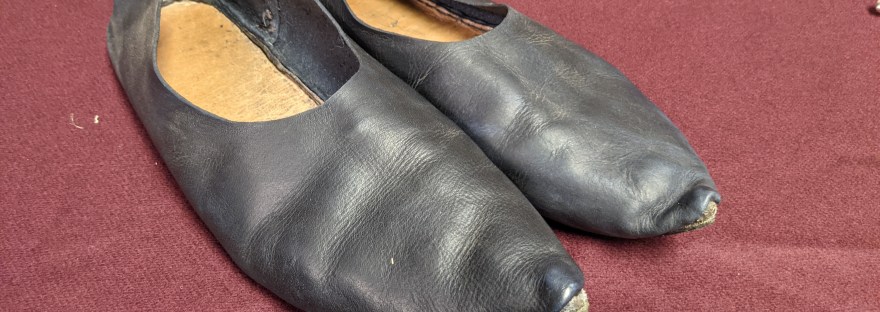
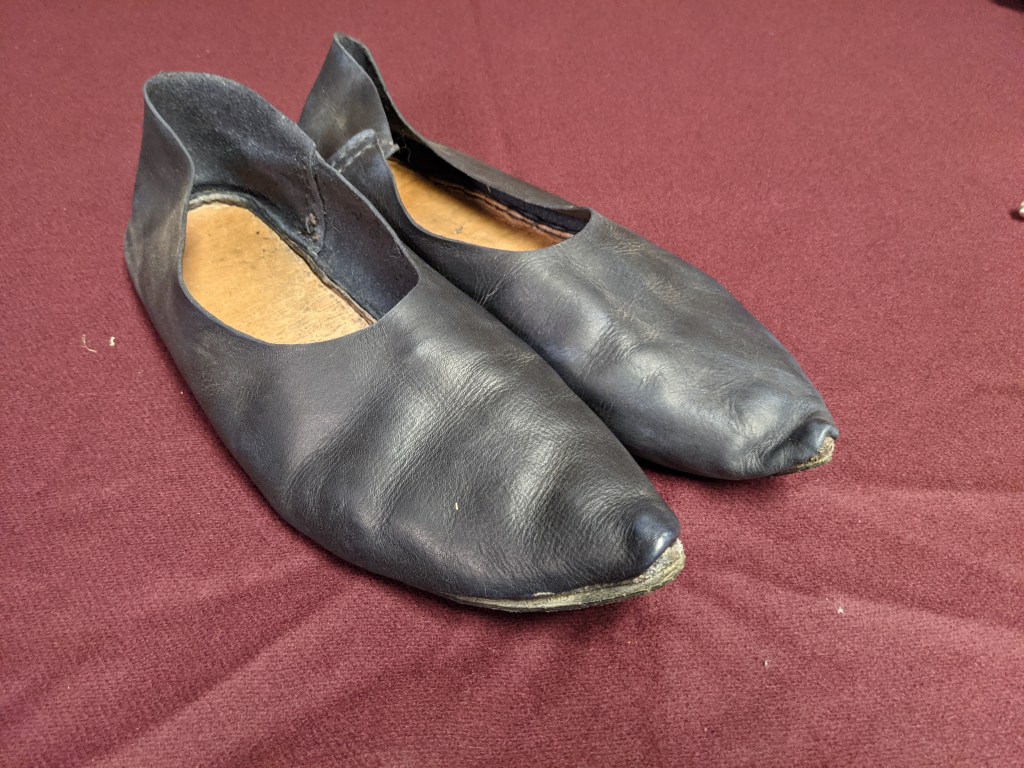
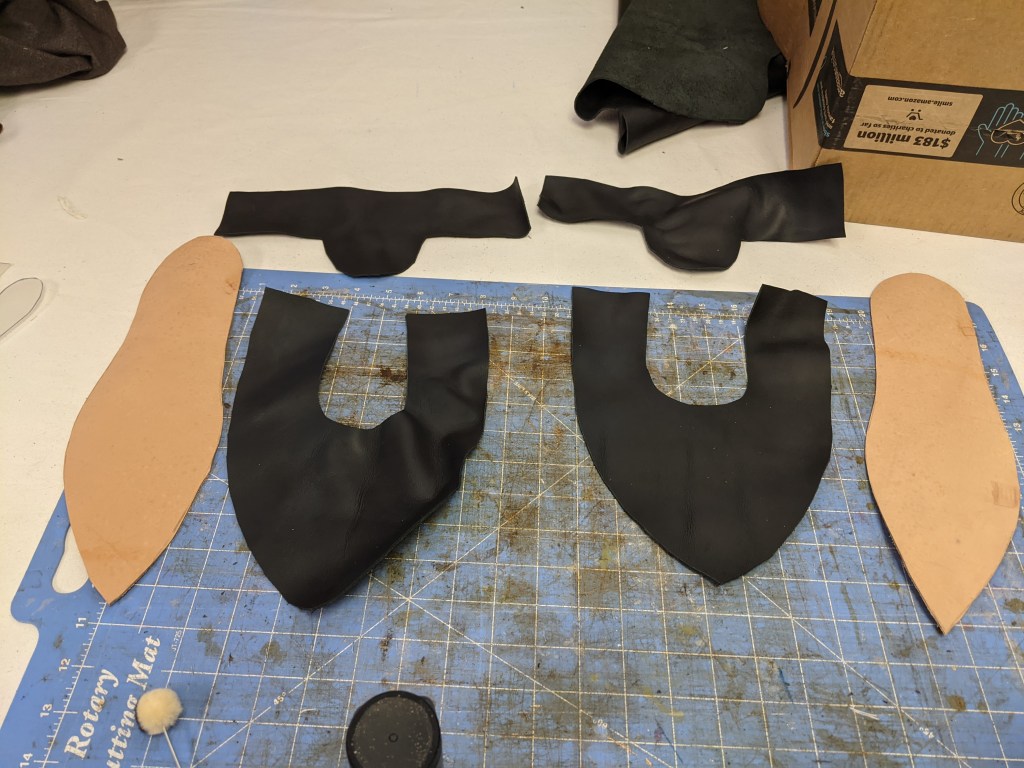
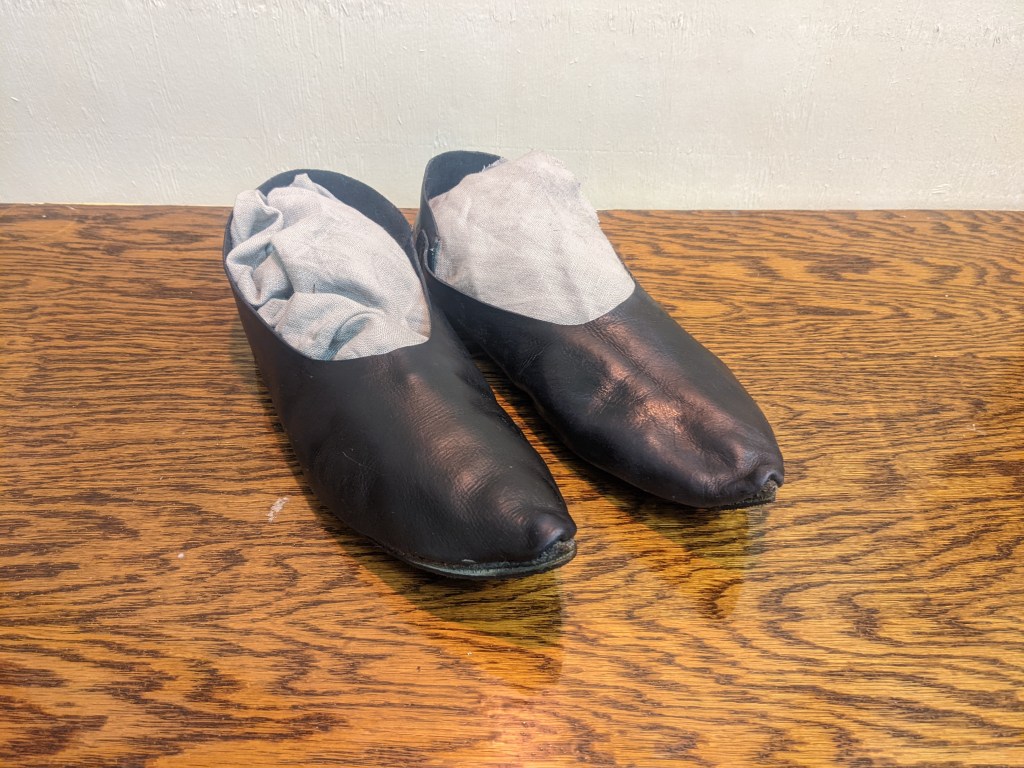
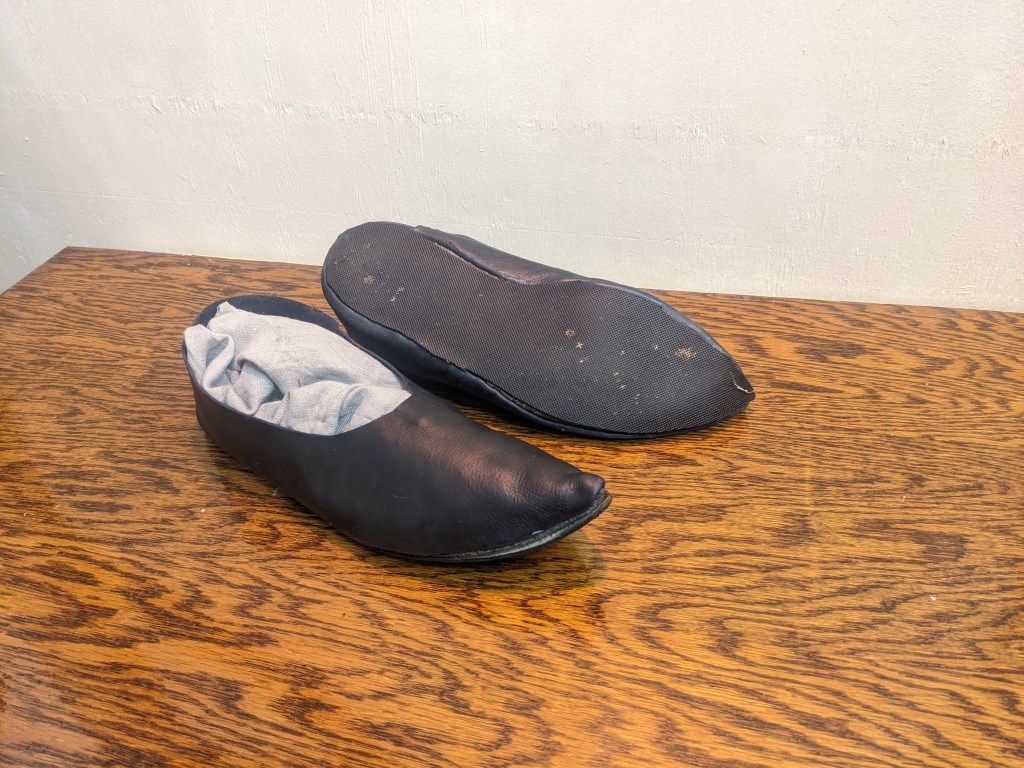
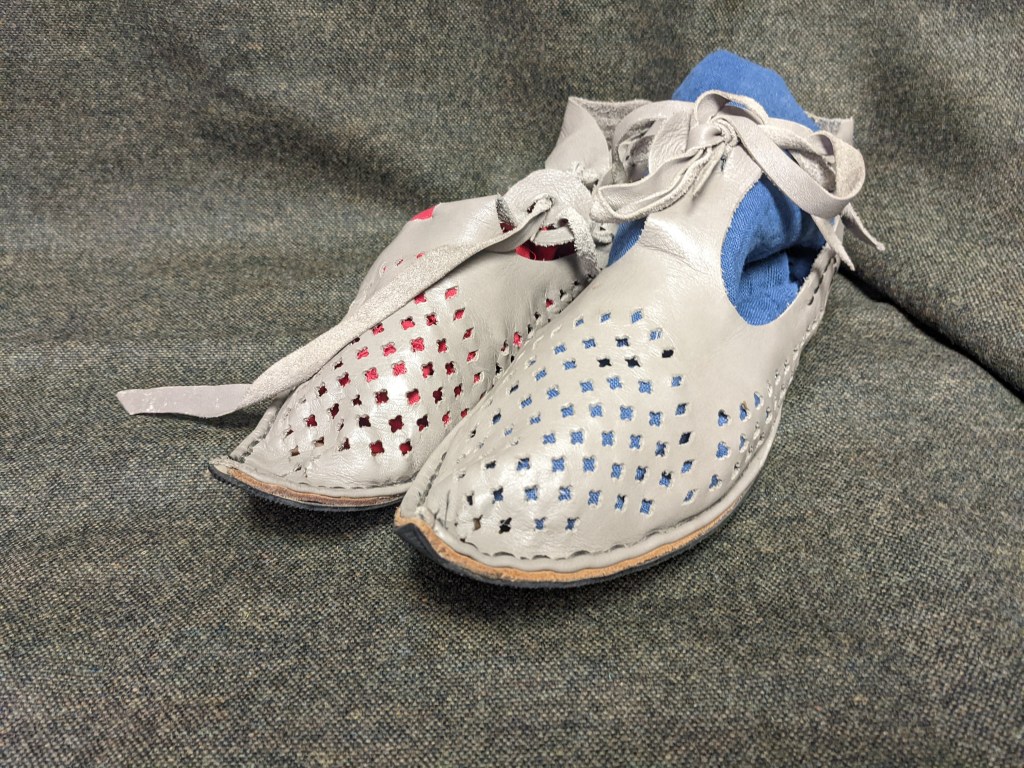
Low slip on shoes that are constructed from 2 pieces of leather. They are sewn inside out and then turned right side out, thus the common name of turn shoes.  Shoes like these, in one form or another, have been used throughout much of the period covered by the SCA.

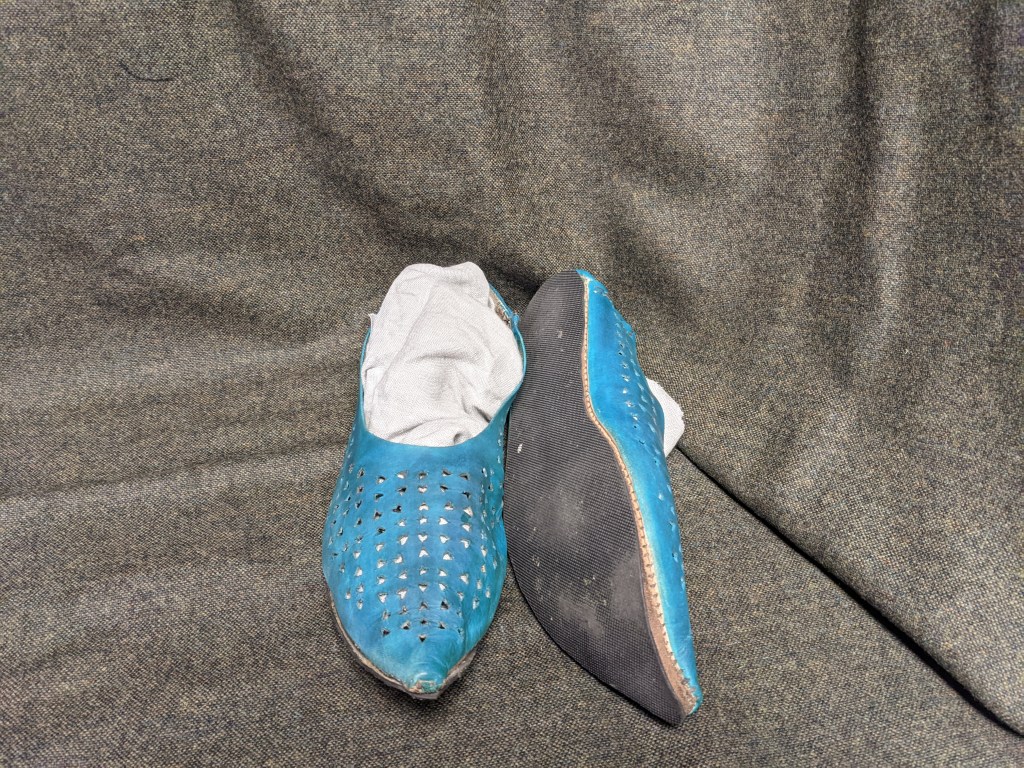
This pair of shoes had a stiffening sole and tread glued to the shoe after construction.  Although this is a modern consideration, it was done for additional comfort and safety for use at events.  Accommodations like this are common in the SCA.

Inspiration Images

Common Materials

  • Fabrics:
    • Leather
  • Ornamentation:

Effective Substitutions

  • Fabrics:
    • chrome tanned leather doesn’t shape and form that way oak tan/veg tan leather will.

Ensemble Components

Accessories

Source/Links

Wolfmann, CC BY-SA 4.0 <https://creativecommons.org/licenses/by-sa/4.0&gt;, via Wikimedia Commons

Stepping Through Time: Archaeological Footwear from Prehistoric Times until 1800, By Olaf Goubitz.  ISBN  9089320040 ISBN-13 ‏ : ‎ 978-9089320049

Version1
date1/9/2022
Source of Period PicWolfmann, CC BY-SA 4.0 <https://creativecommons.org/licenses/by-sa/4.0&gt;, via Wikimedia Commons
Model 
PhotographerVincent De Vere
  

Component Entry, Unisex

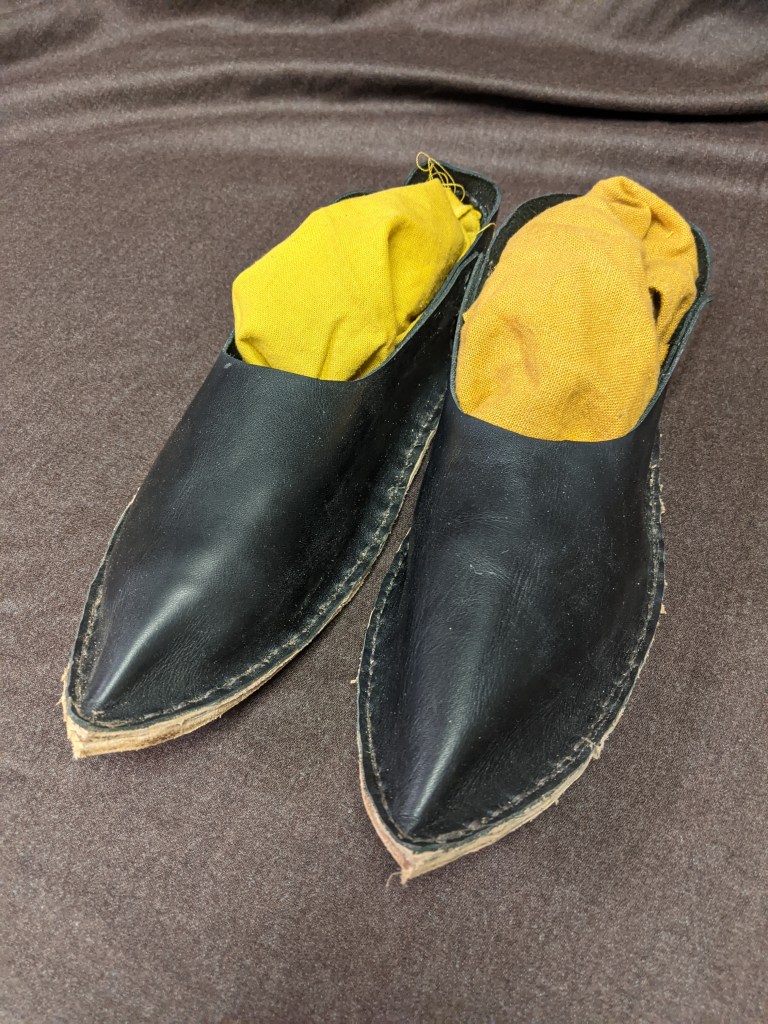
Shoe, punched simplified shoe 2

TitleShoe, punched simplified shoe 2
Entry #GGC2022.021
Alternate NamesShoe, turn shoe,
Year1300 CE
Time range1100 BCE – 1400 CE
Eraall
Genderunisex
regionEurope
Countries/culturesEurope
MakerVincent De Vere,
Difficulty3
ConfidenceExtant Examples

Intro:

Slip on turn shoes with punched out decorations           

Description:

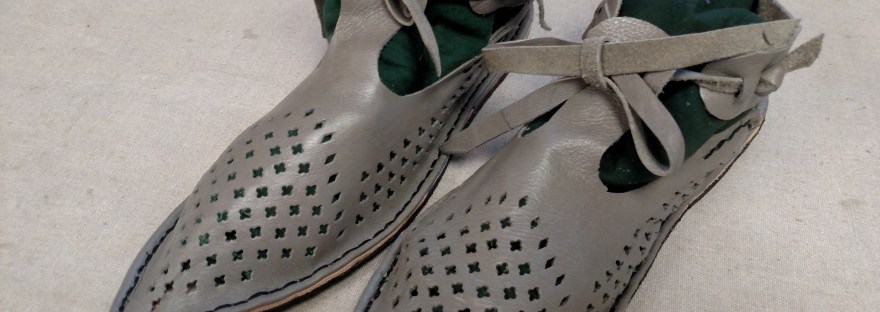
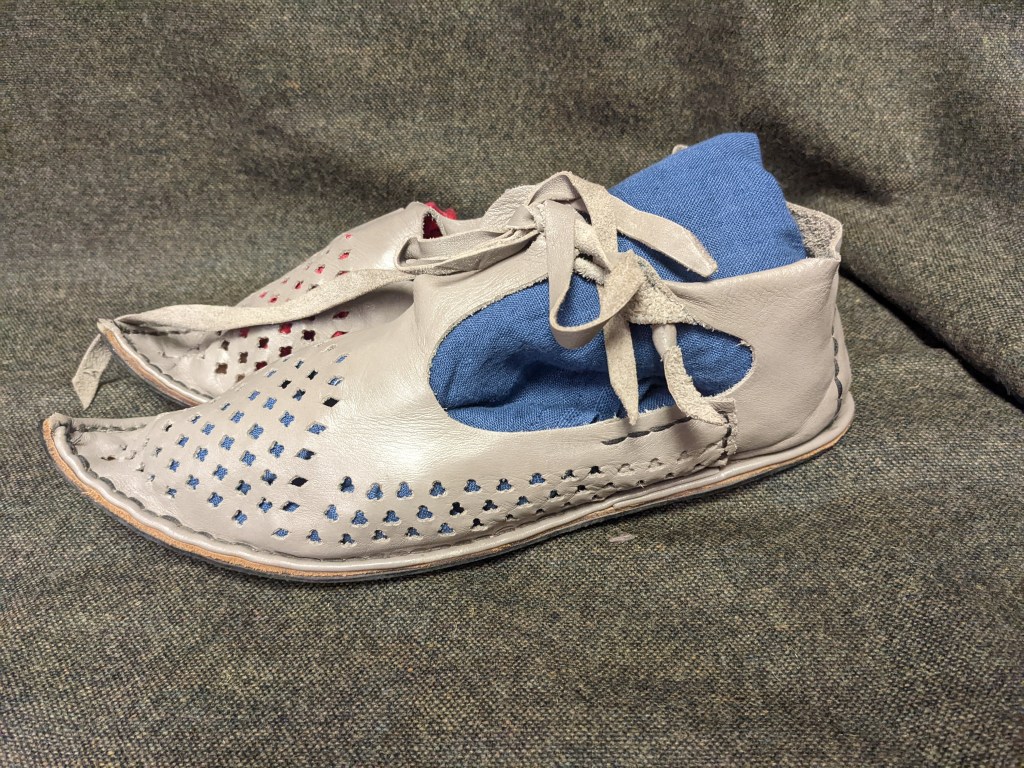
Low slip on shoes that are constructed from 2 pieces of leather. This simplified shoe construction doesn’t require the shoe to be turned inside out after constructing and it looks much like a turn shoe when worn. Shoes like these, in one form or another, have been used throughout the period covered by the SCA

This pair of shoes is decorated by having a pattern of holes punched into the leather before assembling the shoe.  Shoes decorated with punch decorations have survived dating back to Roman times. Sets of shaped punches can be purchased online for not much and the punching of the leather adds less than an hour to the total construction time. 

This simplified construction technique doesn’t actually produce a turn shoe and can produce a shoe much like the turn shoe and can use chrome tanned leather.

Inspiration Images

Common Materials

  • Fabrics:
    • Leather
  • Ornamentation:

Effective Substitutions

  • Fabrics:
    • This modification can work with chrome tanned leather. Oak tan/veg tan leather will work better.

Ensemble Components

Accessories

Source/Links

Wolfmann, CC BY-SA 4.0 <https://creativecommons.org/licenses/by-sa/4.0&gt;, via Wikimedia Commons

Stepping Through Time: Archaeological Footwear from Prehistoric Times until 1800, By Olaf Goubitz.  ISBN  9089320040 ISBN-13 ‏ : ‎ 978-9089320049

Version1
date1/9/2022
Source of Period PicWolfmann, CC BY-SA 4.0 <https://creativecommons.org/licenses/by-sa/4.0&gt;, via Wikimedia Commons, Kulturhistorisk Museum, Oslo, Norway. Medieval Exhibition
Model 
PhotographerVincent De Vere
  

Component Entry, Unisex

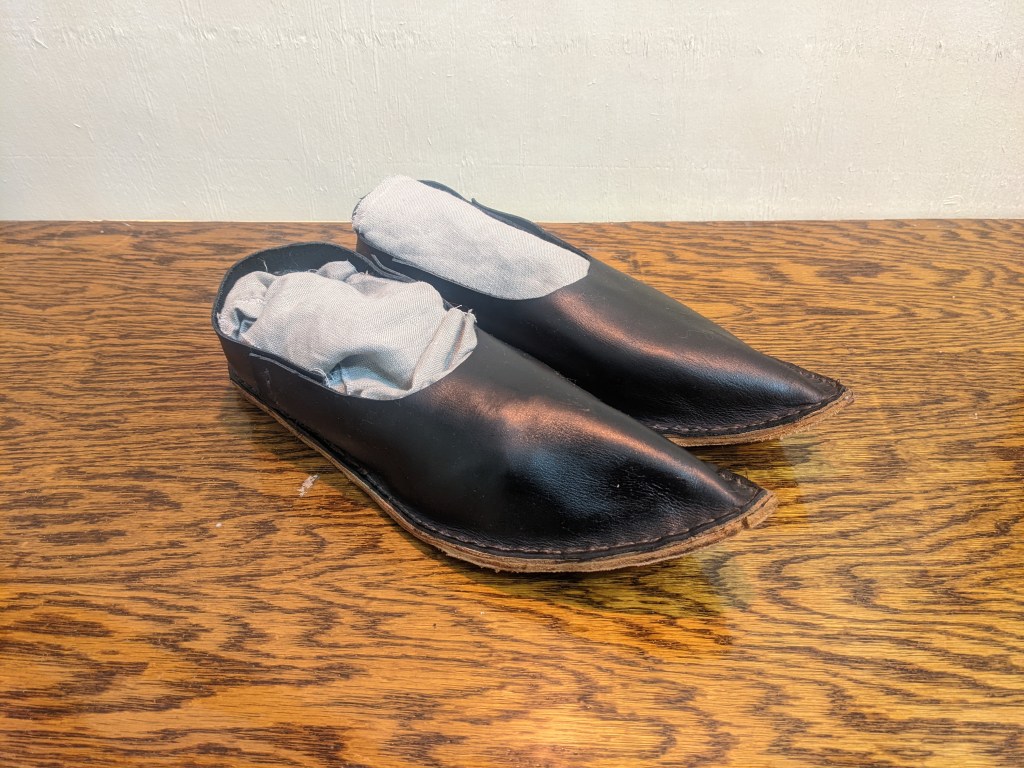
Shoe, slip-on simplified shoe 2

TitleShoe, slip-on simplified shoe 2
Entry #GGC2022.020
Alternate NamesShoe, turn shoe,
Year1300 CE
Time range1100 BCE – 1400 CE
Eraall
Genderunisex
regionEurope
Countries/culturesEurope
MakerVincent De Vere,
Difficulty3
ConfidenceExtant Examples

Intro:

Slip on shoes.

Description:

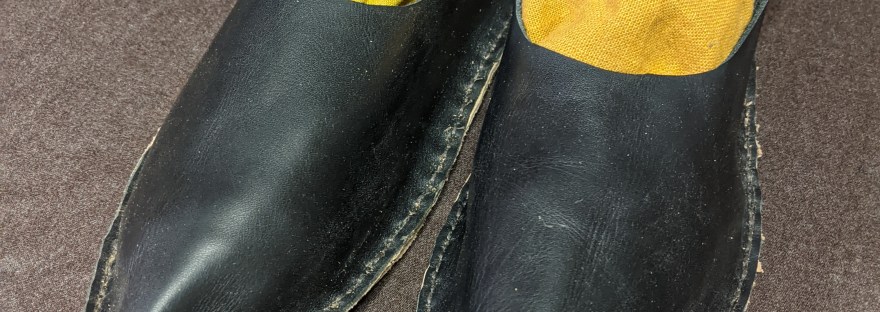
Low slip on shoes that are constructed from 2 pieces of leather. This simplified shoe construction doesn’t require the shoe to be turned inside out after constructing and it looks much like a turn shoe when worn. Shoes like these, in one form or another, have been used throughout the period covered by the SCA

This pair of shoes had a stiffening sole and tread glued to the shoe after construction.  Although this is a modern consideration, it was done for additional comfort and safety for use at events.  Accommodations like this are common in the SCA.

Inspiration Images

Common Materials

  • Fabrics:
    • Leather
  • Ornamentation:

Effective Substitutions

  • Fabrics:
    • chrome tanned leather can be used with this simplified shoe. Oak tan/veg tan leather will work better.

Ensemble Components

Accessories

Source/Links

Wolfmann, CC BY-SA 4.0 <https://creativecommons.org/licenses/by-sa/4.0&gt;, via Wikimedia Commons

Stepping Through Time: Archaeological Footwear from Prehistoric Times until 1800, By Olaf Goubitz.  ISBN  9089320040 ISBN-13 ‏ : ‎ 978-9089320049

Version1
date1/9/2022
Source of Period PicWolfmann, CC BY-SA 4.0 <https://creativecommons.org/licenses/by-sa/4.0&gt;, via Wikimedia Commons
Model 
PhotographerVincent De Vere
  

Component Entry, Female, Male, Unisex

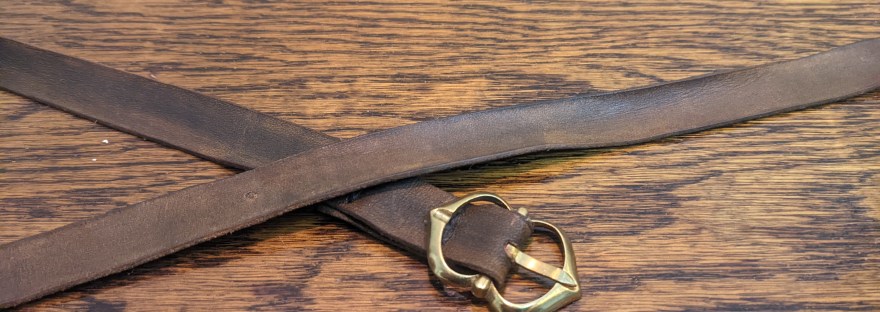
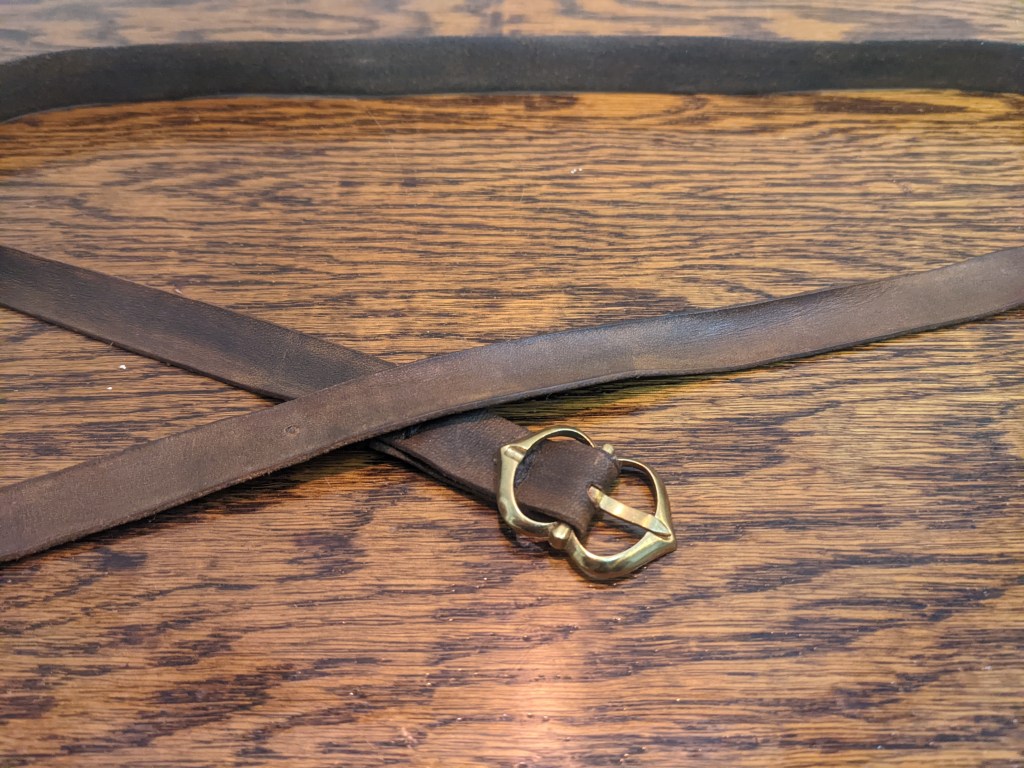
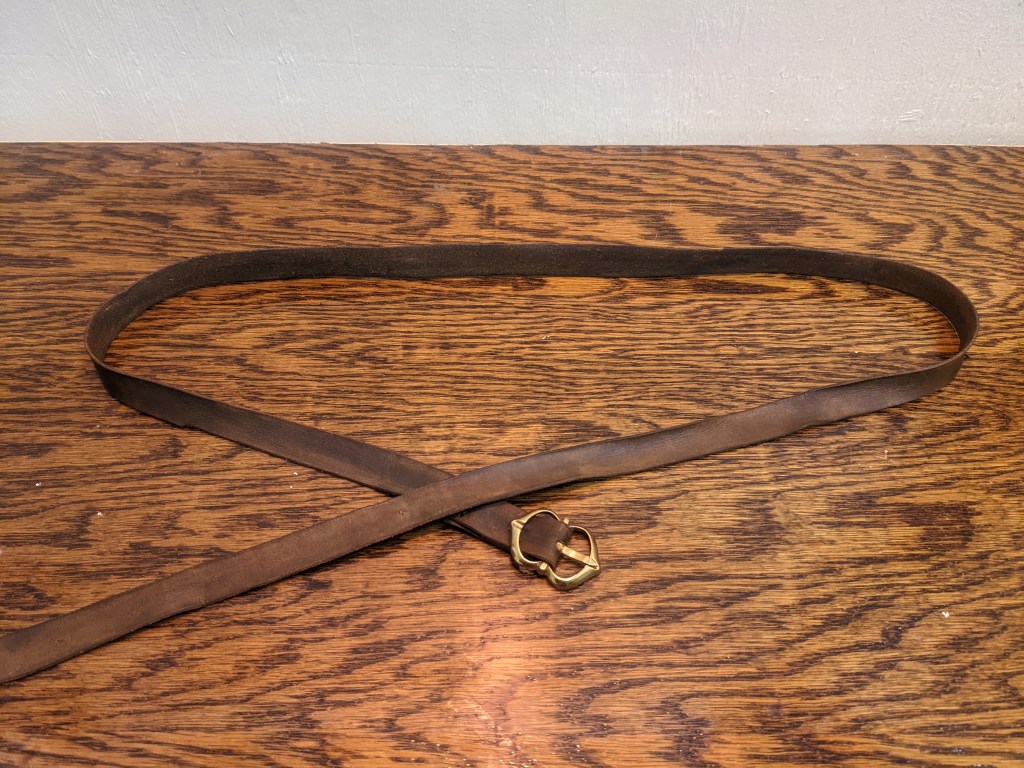
Simple Narrow Belt with Reproduction Buckle

TitleSimple Narrow Belt with Reproduction Buckle
Entry #GGC2021.031
Alternate NamesBelt
Year1350
Time rangeAntiquity to end of period
EraAntiquity to end of period
GenderUnisex
regionEurope
Countries/culturesEurope
MakerVincent De Vere,
Difficulty1
ConfidenceExtant Example

Intro:

 Various belts.      

Description:

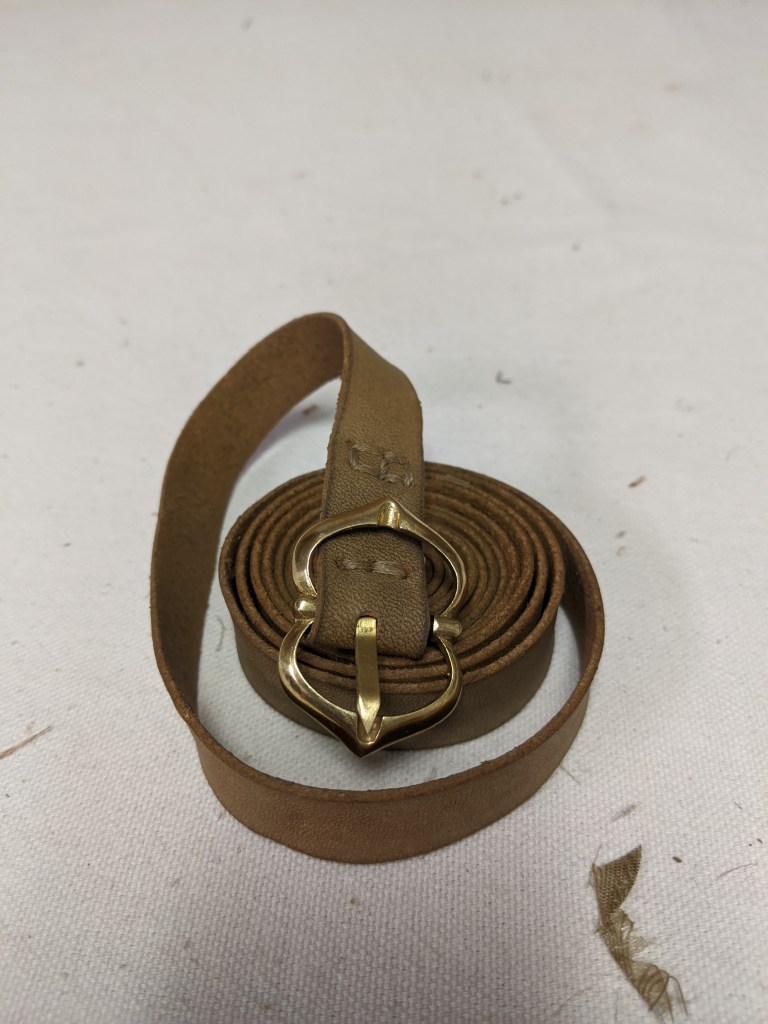
This is a modern buckle taken from a worn out belt and attached to a strip of leather to form a belt. This easily made belt works very well for people new to the SCA.

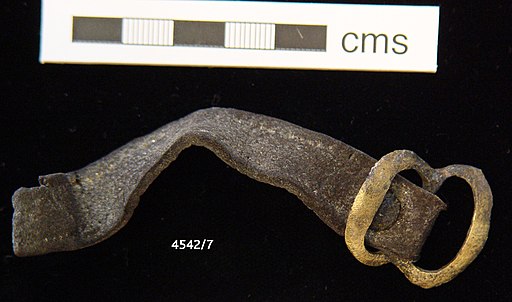
This reproduction buckle is based an extant example dated to arround 1350 CE, but is very similar to many others from different time periods. It is available through several reputable vendors. It would be an example of a very inexpensive reproduction piece.

Inspiration Images

Common Materials

  • Fabrics:
    • Leather
  • Ornamentation:

Effective Substitutions

  • Fabrics:
    • Leather
  • Ornamentation:

Ensemble Components

Accessories

Source/Links

The Portable Antiquities Scheme/ The Trustees of the British Museum, CC BY-SA 4.0 <https://creativecommons.org/licenses/by-sa/4.0&gt;, via Wikimedia Commons

Version1
date1/2/2022
Source of Period PicBritish Museum
Model 
PhotographerVincent De Vere
  
Basic Entry, Female

1480 CE Female Italian Gown

Title1480 CE Female Italian Gown
Entry #GGB2021.070
Alternate Names 
Year1480
Time range1480-1510
EraLate Medieval, Italian Renaissance
GenderFemale
regionSouthern Europe
Countries/culturesItaly
MakerElena del Mar
Difficulty2
ConfidenceImage Example

Intro:

Basic Italian Gown/ Northern Italian

Description:

Inspiration Images

Common Materials

  • Fabrics:
  • Ornamentation:

Effective Substitutions

  • Fabrics:
  • Ornamentation:

Ensemble Components

Accessories

Source/Links

Version2
date3/6/2021
Source of Period Pic 
ModelElena del Mar
PhotographerVincent De Vere
  

Female, Full Entry

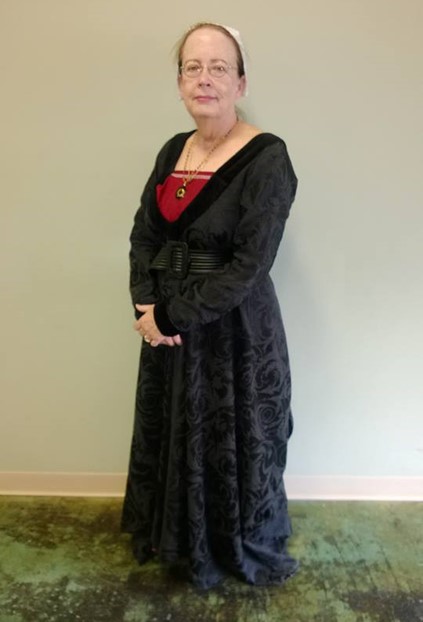
1450 CE Female Burgundian Gown 1

Title1450 CE Female Burgundian Gown 1
Entry #GGB2021.067
Alternate Names V neck gown, gown
Year1450
Time range1450-1500
EraLate Medieval
GenderFemale
regionNorthern Europe
Countries/culturesFrance
MakerJehanne Bening
Difficulty3
ConfidenceImage Examples

Intro:

“A” shaped dress with “V” shaped neckline, fitted in the torso and spreading widely, often with train from the waist.  Wide belt at waist.  Worn over fitted kirtle.

Description:

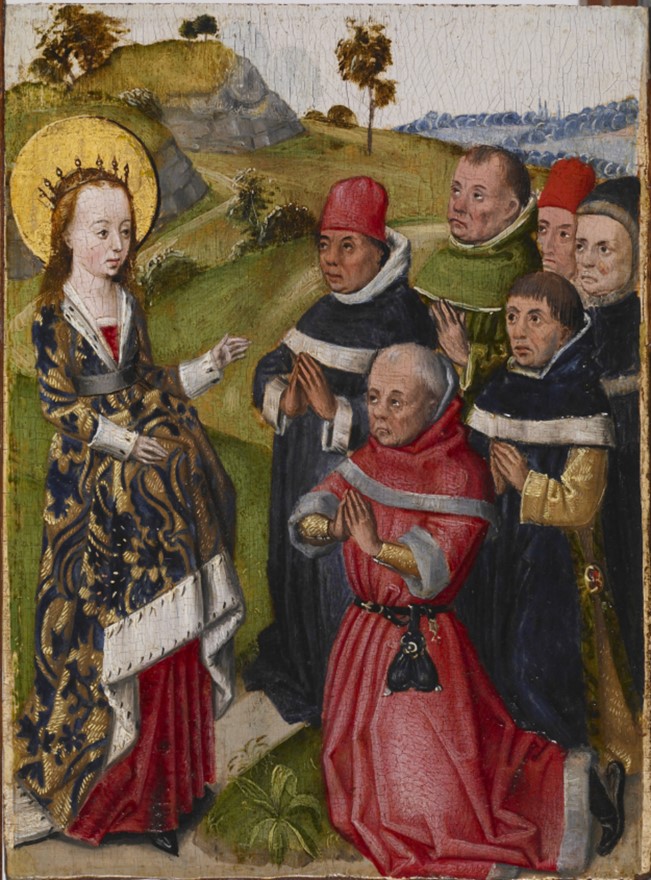
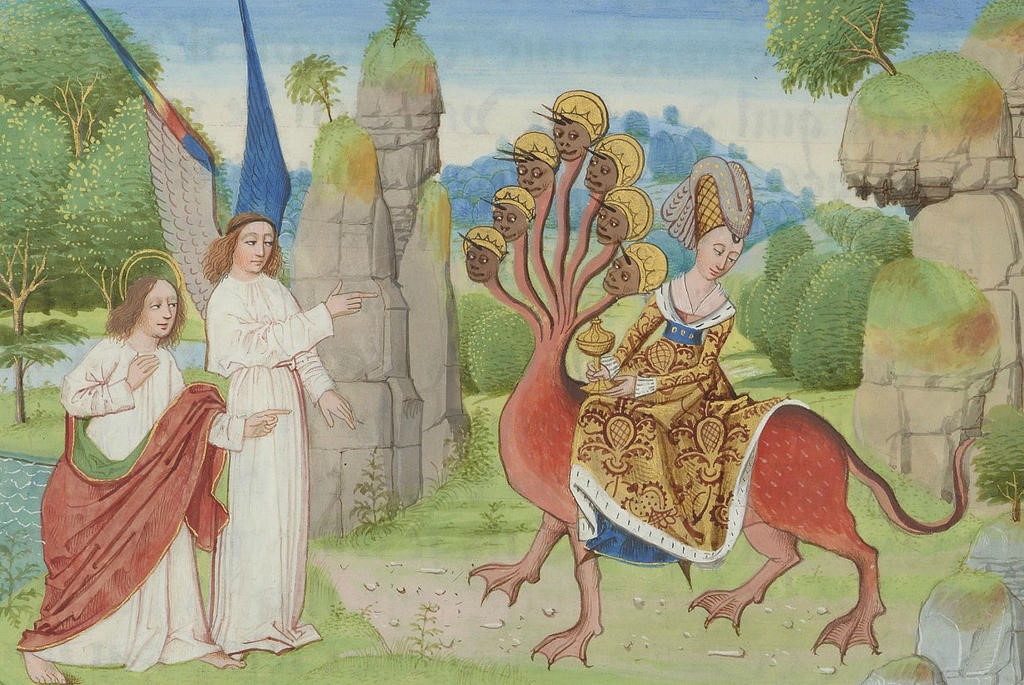
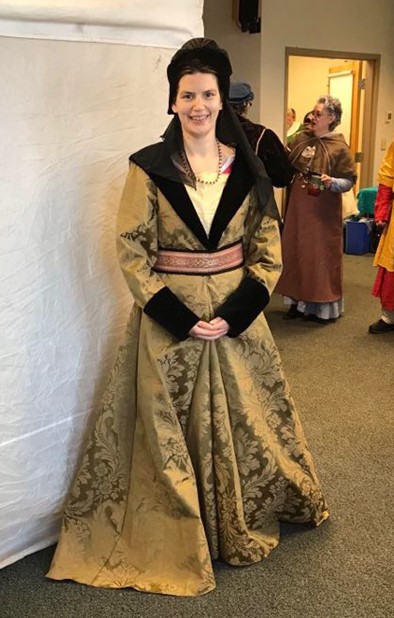
One of the garments that there are many image examples for as this is a time of many surviving artworks.  A style of dress seen in many Flemish paintings that show a common set of features including fitted torso with deeply plunging neckline and collar with contrasting fabric or fur lining. The deep neckline displayed an under placket or partlet or kirtle, some displayed without.  Sleeves often shown with lined cuffs that are rolled back on the sleeve.  Most show no seam at waist or a wide belt covering any such seam.  More examples of images showing the waist seam appear closer to 1500CE. Many are displayed as being lined

Under layers would commonly include a shift, slip or some form of underdress, covered by a fitted kirtle and then covered by the gown. 

Key accessories include the wide belt often made from fabrics as well as many examples of different styles of hats, many becoming elaborate. 

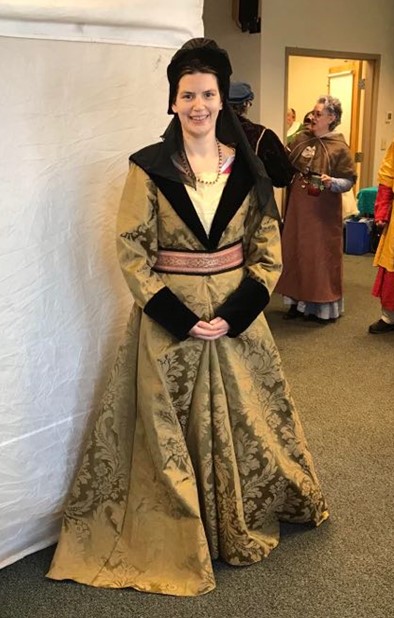
This is a more simple form of the dress and worn on a warmer day.  The under layers are simplified and the dress is not as full. Made out of brocaded cotton fabric with a black velvet collar and the red placket exposed by the neckline.

Inspiration Images

Common Materials

  • Fabrics:
    • Gown –
      • wools,
      • finely woven wools,
      • brocaded or patterned cloths.  Rich textiles,
      • collars featuring velvets and furs. 
      • Fur trim
    • Kirtle –
      • wool
      • linen
    • Underclothes
      • linen
  • Ornamentation:

Effective Substitutions

  • Fabrics:
    • Gown
      • Some cottons
      • linens
      • Linen blends wool blends
      • brocades
      • some poly/cotton upholstery fabrics to achieve the woven in patterns. 
    • Kirtle
      • Linen and linen blends
      • some cottons to lighten the under layers
    • Underclothes
      • Linen
      • Linen blends
      • cottons
  • Ornamentation:

Ensemble Components

  • Under layers – shift/slip or some form of underdress
  • gown. 

  • fitted kirtle

Accessories

  • Key accessories include the wide belt often made from fabrics as well as many examples of different styles of hats, many becoming elaborate. 
  • This is the time of the Henin hat that becomes the stereotypical ‘princess’ hat, various low shoes or slippers, pouches or purses.

Source/Links

http://cadieux.mediumaevum.com/burgundian-gown.html

https://adamselindisdress.blog/2014/06/02/how-to-make-a-kirtle-and-a-burgundian-gown/

https://dawnsdressdiary.wordpress.com/2018/01/25/burgundian-v-neck-gown-research/

Version2
date3/2/2021
Source of Period PicThe Whore of Babylon. 1470. Pierpont Morgan MS M.68. Saint Catherine converting the Scholars. Walters Art Museum 37.2487.
Model Jehanne Bening
PhotographerVincent De Vere
  

Female, Full Entry

1450 CE Female Burgundian Gown 2

Title1450 CE Female Burgundian Gown 2
Entry #GGB2021.068
Alternate Names V neck gown, gown
Year1450
Time range1450-1500
EraLate Medieval
GenderFemale
regionNorthern Europe
Countries/culturesFrance
MakerVincent de Vere
Difficulty3
ConfidenceImage Examples

Intro:

“A” shaped dress with “V” shaped neckline, fitted in the torso and spreading widely, often with train from the waist.  Wide belt at waist.  Worn over fitted kirtle.

Additional Images of the completed garment:

Description:

One of the garments that there are many image examples for as this is a time of many surviving artworks.  A style of dress seen in many Flemish paintings that show a common set of features including fitted torso with deeply plunging neckline and collar with contrasting fabric or fur lining. The deep neckline displayed an under placket or partlet or kirtle, some displayed without.  Sleeves often shown with lined cuffs that are rolled back on the sleeve.  Most show no seam at waist or a wide belt covering any such seam.  More examples of images showing the waist seam appear closer to 1500CE. Many are displayed as being lined

Under layers would commonly include a shift, slip or some form of underdress, covered by a fitted kirtle and then covered by the gown. 

Key accessories include the wide belt often made from fabrics as well as many examples of different styles of hats, many becoming elaborate. 

This dress is poly cotton blend brocade with cotton velvet collar and cuffs, red linen kirtle, white linen shift. A yellow silk placket covers most of the red kirtle at the plunging neckline

Inspiration Images

Common Materials

  • Fabrics:
    • Gown –
      • wools,
      • finely woven wools,
      • brocaded or patterned cloths.  Rich textiles,
      • collars featuring velvets and furs. 
      • Fur trim
    • Kirtle –
      • wool
      • linen
    • Underclothes
      • linen
  • Ornamentation:

Effective Substitutions

  • Fabrics:
    • Gown
      • Some cottons
      • linens
      • Linen blends wool blends
      • brocades
      • some poly/cotton upholstery fabrics to achieve the woven in patterns. 
    • Kirtle
      • Linen and linen blends
      • some cottons to lighten the under layers
    • Underclothes
      • Linen
      • Linen blends
      • cottons
  • Ornamentation:

Ensemble Components

  • Under layers – shift/slip or some form of underdress
  • gown. 

  • fitted kirtle

Accessories

  • Key accessories include the wide belt often made from fabrics as well as many examples of different styles of hats, many becoming elaborate. 
  • This is the time of the Henin hat that becomes the stereotypical ‘princess’ hat, various low shoes or slippers, pouches or purses.

Source/Links

http://cadieux.mediumaevum.com/burgundian-gown.html

https://adamselindisdress.blog/2014/06/02/how-to-make-a-kirtle-and-a-burgundian-gown/

https://dawnsdressdiary.wordpress.com/2018/01/25/burgundian-v-neck-gown-research/

Version2
date3/2/2021
Source of Period PicThe Whore of Babylon. 1470. Pierpont Morgan MS M.68. Saint Catherine converting the Scholars. Walters Art Museum 37.2487.
ModelKristen Wereszynski
PhotographerVincent De Vere
  

Female, Full Entry

1490 CE German Female Housebook Dress

Title1490 CE German Female Housebook Dress
Entry #GGB2021.071
Alternate Names 
Year1490
Time range1480-1500
EraLate medieval
GenderFemale
regionCentral europe
Countries/culturesGermany
MakerAmira bint Timurhan
Difficulty3
ConfidenceImage Example

Intro:

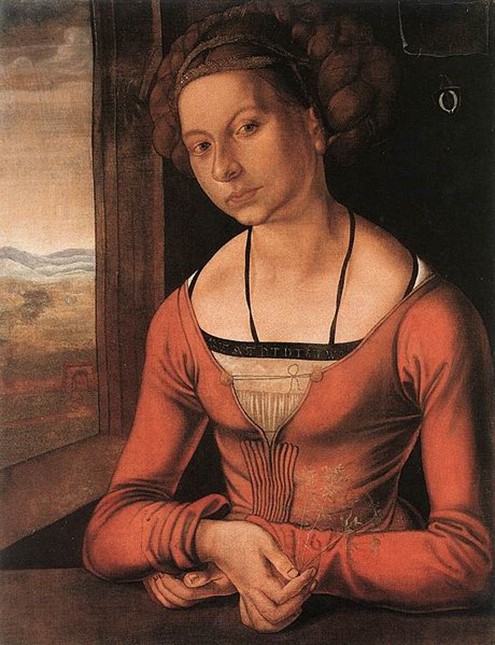
Dress with front and back pleated section. Most often portrayed in the a book of engravings by the Master of the Housebook.

Description:

This dress is commonly known as a housebook dress because it was frequently portrayed in a book of engravings called the Housebook. It is a dress with pleated inset in both front and back with fall into the fullness of the skirt. The haub is a pleated rectangle of fabric (I use linen) which is wound about the head to produce is shape. The tail of the haub can be tucked back into it, wound around your neck and simply left to hang.

Inspiration Images

Common Materials

  • Fabrics:
    • Gown – wools, finely woven wools, brocaded or patterned cloths.  Rich textiles, collars featuring velvets and furs.  Fur trim
    • Kirtle – wools lined in linen
    • Underclothes – Linen
  • Ornamentation:

Effective Substitutions

  • Fabrics:
    • Gown – Some cottons, linens, Linen blends wool blends, brocades, some poly/cotton upholstery fabrics to achieve the woven in patterns. 
    • Kirtle – Linen and linen blends, some cottons to lighten the under layers
    • Underclothes – Linen, linen blends, cottons
  • Ornamentation:

Ensemble Components

  • Haube
  • chemise
  • hosen

  • pointed shoes
  • housebook dress

Accessories

  • thin leather belt
  • mantle (short cloak)
  • schaube (heavy long coat)
  • purse
  • apron

Source/Links

http://myra.hem.nu/costume/images/HousebookMaster/LL%28FiledtKoko1985%29/MH.StCatherine%28LLcat47%29.jpg

http://craftyagatha.com/wp-content/uploads/2011/06/pleat-detail3.png (detail of back pleats) http://employees.oneonta.edu/farberas/arth/Images/ARTH_214images/prints/housebook_aristotle_and_phyllis.jpg

http://myra.hem.nu/costume/Documentation/Documentation.htm

Version2
date3/2/2021
Source of Period Pichttps://commons.wikimedia.org/wiki/File:Durer,_Portrait_of_a_Young_F%C3%BCrleger_with_Her_Hair_Done_Up.jpg
ModelAmira bint Timurhan
PhotographerVincent De Vere