Full Entry, Male

1000 CE Norman Riding Tunic 2

Title: 1000 CE Norman Riding Tunic 2
Entry #: GGB2021.028
Alternate Names: tunic, t tunic 
Year: 1000
Time range: 900-1200 CE
Era: Early Medieval
Gender: Male
region: Western Europe
Countries/cultures: England France
Maker: Vincent De Vere, Kristine Nic Tallier
Difficulty: 2
Confidence: Image example

Intro:

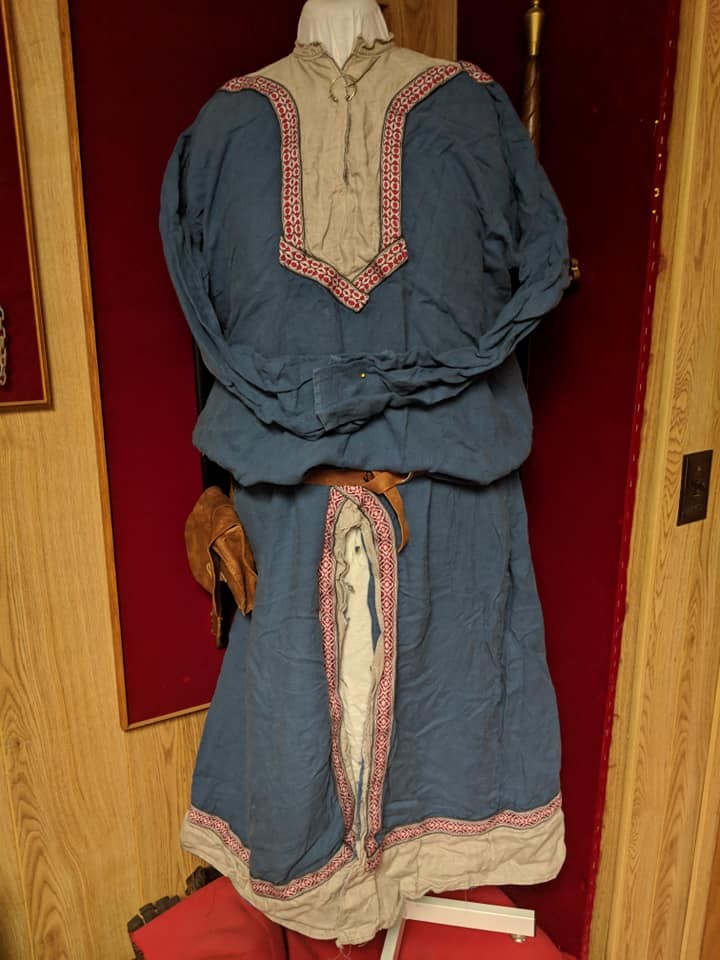
A version of the basic tunic used in many European cultures from antiquity through to the high middle ages by some.  This tunic is split to allow wearer to ride a horse and have freedom of movement.

Description:

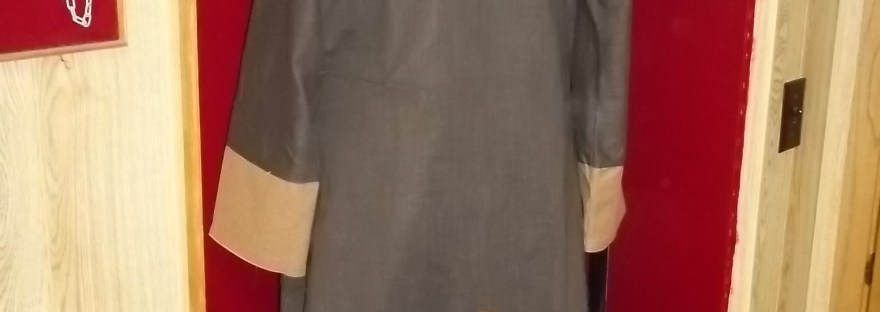
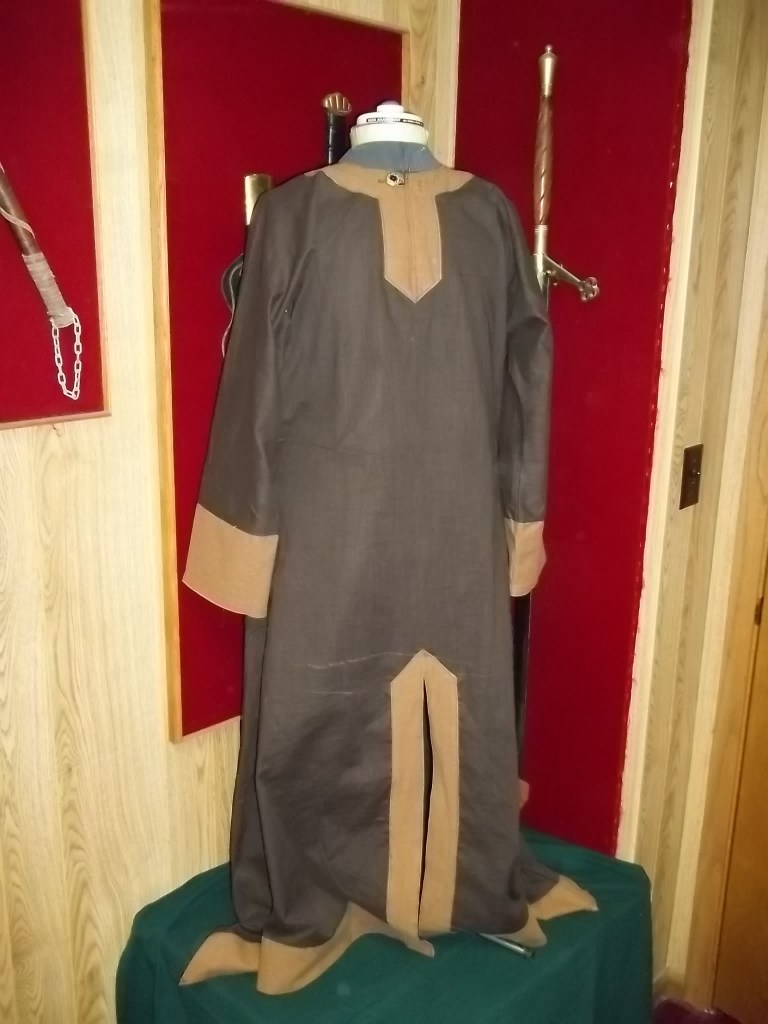
One of the many variations of the tunics made out of linen or wool. This example has a keyhole neck opening and featuring a split in front and back bottom to allow the wearer to ride a horse. 

This variation was cut T tunic style out of a wide piece of fabric to minimize seams. A more period cut would include seams connecting the sleeve to the body.  Trim is an applique of linen.  Keyhole neck is held closed with a brooch pin.  Tunics are about the easiest garments to construct.

Tunics are often the starting point for new members when just beginning in the SCA.  This tunic could be made for less than $20 in 2021.

Inspiration Images
Common Materials

  • Fabrics:
    • wool
    • linen (including non-flax linen)
  • Ornamentation:

Effective Substitutions

  • Fabrics:
    • Wool blends,
    • Linen, linen/rayon
    • linen/cotton
    • some cottons could be used but cotton broad cloth is not advised as it is not a strong material and doesn’t drape well
  • Ornamentation:

Ensemble Components

  • Under shirt (likely of a similar cut)
  • Belt
  • Pouch

New members often start with just a tunic and belt.

  • pants/trews/braccae
  • leg wraps
  • turn shoes/boots

Accessories

  • under tunic as bottom layer
  • belt
  • pants
  • over tunic or super tunic over the tunic
  • shoes
  • cloak or coat

Source/Links

http://www.virtue.to/articles/tunic_worksheet.html

http://alianorderavenglas.wordpress.com/as-50-challenge/13th-century-riding-tunic/

Version: 2
date: 3/1/2021
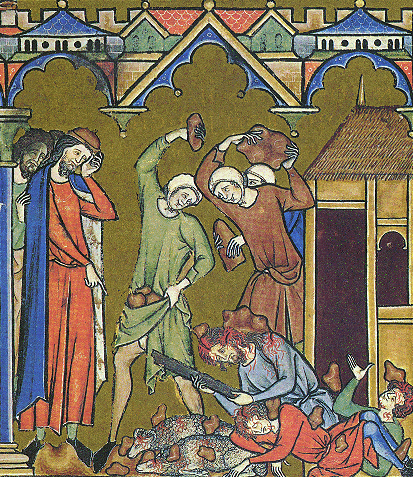
Source of Period Pic: Maciejowski Bible.
Model: Vincent De Vere
Photographer: Vincent De Vere
  

Full Entry, Male

1000 CE Norman Riding Tunic 1

Title: 1000 CE Norman Riding Tunic 1
Entry #: GGB2021.027
Alternate Names: tunic, t tunic 
Year: 1000
Time range: 900-1200 CE
Era: Early Medieval
Gender: Male
region: Western Europe
Countries/cultures: England France
Maker: Vincent De Vere
Difficulty: 1
Confidence: Image example

Intro:

A version of the basic tunic used in many European cultures from antiquity through to the high middle ages by some.  This tunic is split to allow wearer to ride a horse and have freedom of movement.

Description:

One of the many variations of the tunics made out of linen or wool. This example has a keyhole neck opening and featuring a split in front and back bottom to allow the wearer to ride a horse. 

This variation was cut T tunic style out of a wide piece of fabric to minimize seams. A more period cut would include seams connecting the sleeve to the body.  Trim is an applique of linen.  Keyhole neck is held closed with a brooch pin.  Tunics are about the easiest garments to construct.

Tunics are often the starting point for new members when just beginning in the SCA.  This tunic could be made for less than $20 in 2021.

Inspiration Images

Common Materials

  • Fabrics:
    • wool
    • linen (including non-flax linen)
  • Ornamentation:

Effective Substitutions

  • Fabrics:
    • Wool blends,
    • Linen, linen/rayon
    • linen/cotton
    • some cottons could be used but cotton broad cloth is not advised as it is not a strong material and doesn’t drape well
  • Ornamentation:

Ensemble Components

  • Under shirt (likely of a similar cut)
  • Belt
  • Pouch

New members often start with just a tunic and belt.

  • pants/trews/braccae
  • leg wraps
  • turn shoes/boots

Accessories

  • under tunic as bottom layer
  • belt
  • pants
  • over tunic or super tunic over the tunic
  • shoes
  • cloak or coat

Source/Links

http://www.virtue.to/articles/tunic_worksheet.html

http://alianorderavenglas.wordpress.com/as-50-challenge/13th-century-riding-tunic/

Version: 2
date: 3/1/2021
Source of Period Pic: Maciejowski Bible.
Model: Vincent De Vere
Photographer: Vincent De Vere
  

Full Entry, Male

1000 CE Male Byzantine Tunic 1

Title: 1000 CE Male Byzantine Tunic 1
Entry #: GGB2021.026
Alternate Names:  
Year: 1000 CE
Time range: 700-1083 CE
Era: Early Medieval
Gender: Male
region: Eastern Europe/Middle East
Countries/cultures: Byzantine
Maker:
Difficulty: 1
Confidence: Image examples

Intro:

Clothing from the outskirts of the Byzantine empire, multi layered and richly decorated tunic garments consisting of layers of dresses and robes

Description:

Inspired by the founding Roman cultures, Byzantine garments tended to be layers of tunics made from finely woven and often rich fabrics decorated with embroidery or appliques.  Often worn with a cloak called a Chlamys

Multiple layers of rich garments would show the wealth of the individual.  Fabrics were lighter and finer in weave, assuming to be linens and silks.  

No additional information provided

Inspiration Images

Common Materials

  • Fabrics:
    • Fine Fabrics
    • Linens
    • Silks
    • Solid colors embellished with embroidered decorations or appliqued shames rather than designs that were woven in
  • Ornamentation:

Effective Substitutions

  • Fabrics:
    • cottons
    • linen blends
    • some fine polyester/blends for silk effects, but the poly blends have many drawbacks
  • Ornamentation:

Ensemble Components

  • outer wide sleeved robe
  • under tunics of various colors

  • hats of various styles
  • shoes or slippers

Accessories

  • worn with roman inspired cloak called a chlamys and various hats

Source/Links

Version: 3
date: 3/6/2021
Source of Period Pic: Meister der Kahriye-Cami-Kirche in Istanbul
 Mosaiken der Kirche Kahrié-Djami in Istanbul, Szene: Märtyrer
Model: Donald MacDonald 020213-08
Photographer: Vincent De Vere
  

Component Entry, Female, Male, Unisex

Narrow Belt with Reproduction Buckle

TitleNarrow Belt with Reproduction Buckle
Entry #GGC2021.032
Alternate NamesBelt
Year1066 CE
Time range1000-1200CE
EraHigh Medieval
GenderUnisex
regionEurope
Countries/culturesEurope
MakerVincent De Vere,
Difficulty1
ConfidenceExtant Example

Intro:

 Various belts.      

Description:

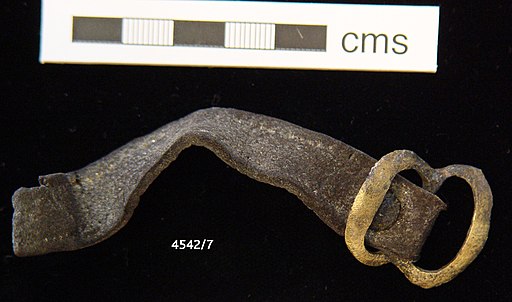
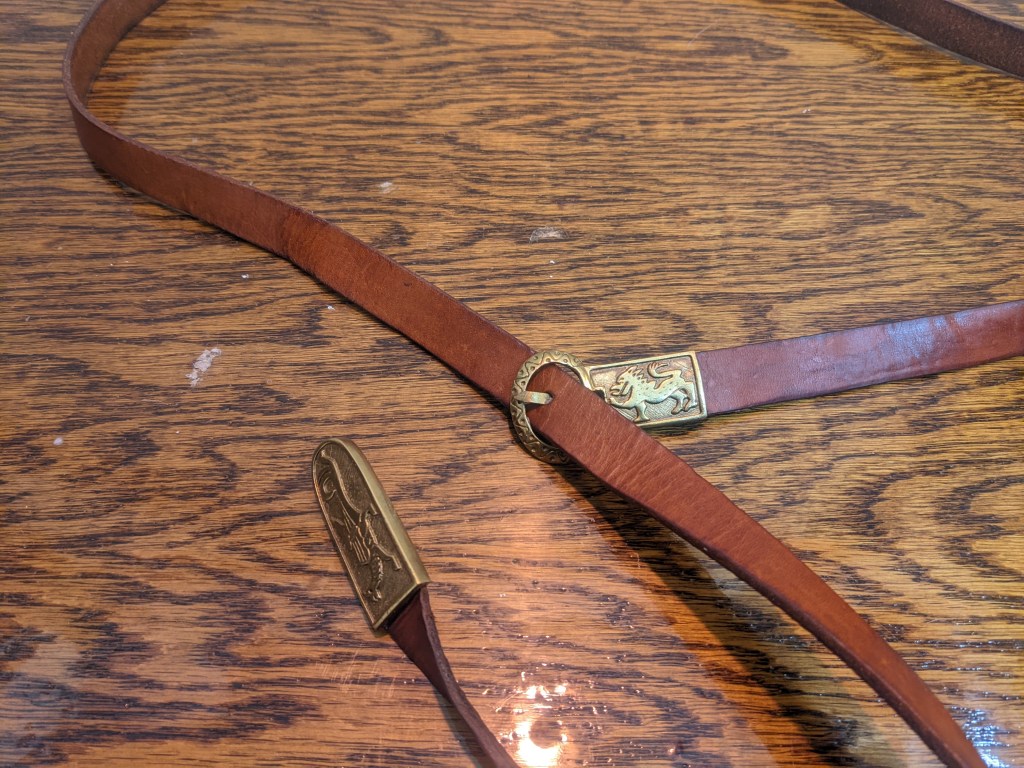
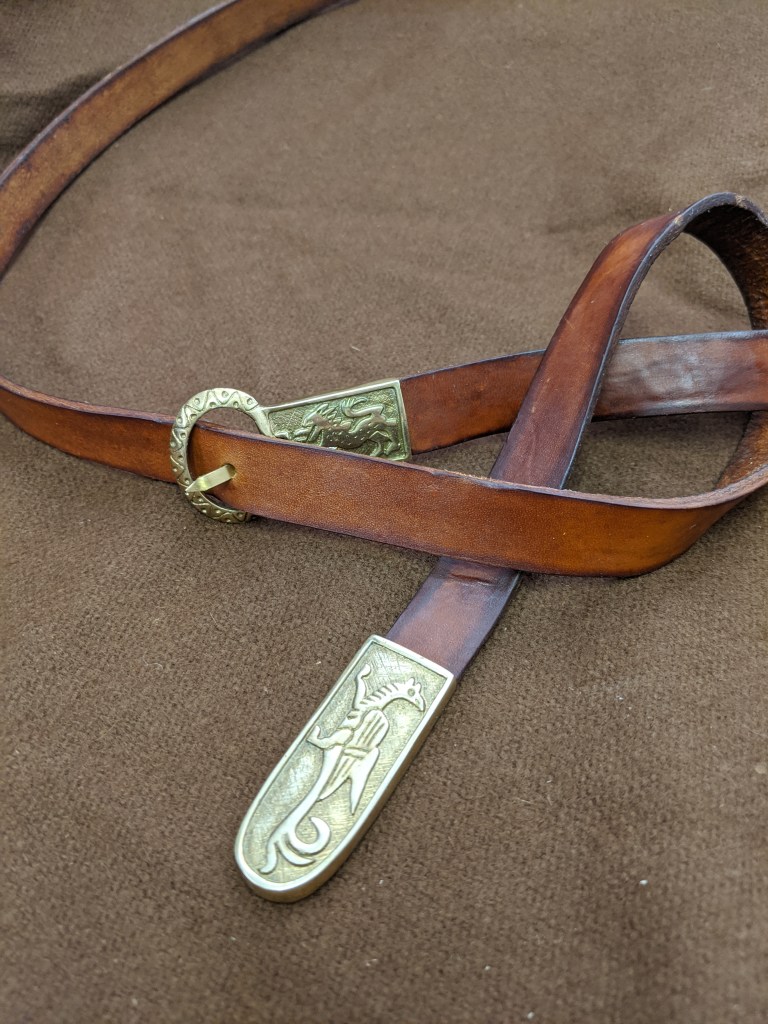
This is a reproduction of an extant example buckle and strap end attached to a strip of leather to form a belt.

This reproduction buckle is based on an extant example and was dated to a time range in the high medieval period. It is available through several reputable vendors. It would be an example of a very inexpensive reproduction piece.

Inspiration Images

Common Materials

  • Fabrics:
    • Leather
  • Ornamentation:

Effective Substitutions

  • Fabrics:
    • Leather
  • Ornamentation:

Ensemble Components

Accessories

Source/Links

The Portable Antiquities Scheme/ The Trustees of the British Museum, CC BY-SA 4.0 <https://creativecommons.org/licenses/by-sa/4.0&gt;, via Wikimedia Commons

https://armourandcastings.com/en_US/products/prjazhka-e14-2

Norman belt set, Britain, 11-12 c. For 20 mm wide belt.

Version1
date1/2/2022
Source of Period PicBritish Museum
Model 
PhotographerVincent De Vere
  
Full Entry, Male

1100 CE Grayfriar (Cistercian) Habit 1

Title: 1100 CE Grayfriar (Cistercian) Habit 1
Entry #: GGB2021.032
Alternate Names: Friar Robes, monks robes 
Year: 1100 CE
Time range: 1100 – end of period
Era: High medieval
Gender: Male
region: Europe
Countries/cultures: Europe
Maker: Vincent De Vere
Difficulty: 1
Confidence: Extant Examples

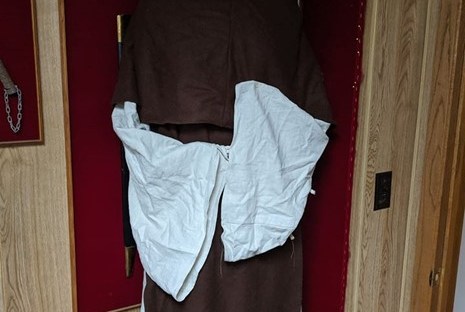
Intro:

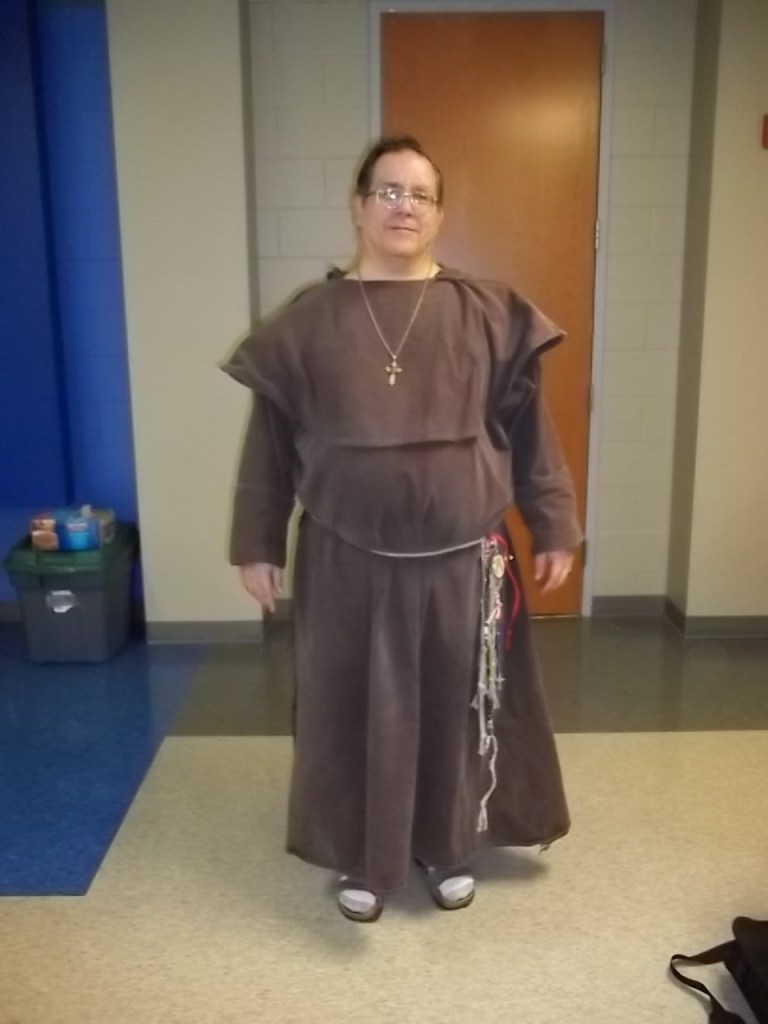
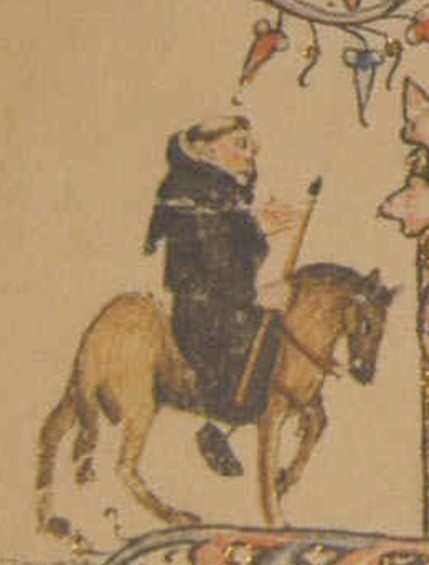
Long belted tunic with a belt of leather, cloth or rope.  A scapula, the tabard like rectangle of cloth with a cowl or hood attached. 

Description:

Generally unadorned, color of the fabric denotes particular religious order the wearer belongs to. The belt could be leather but some references say rope was more common. 

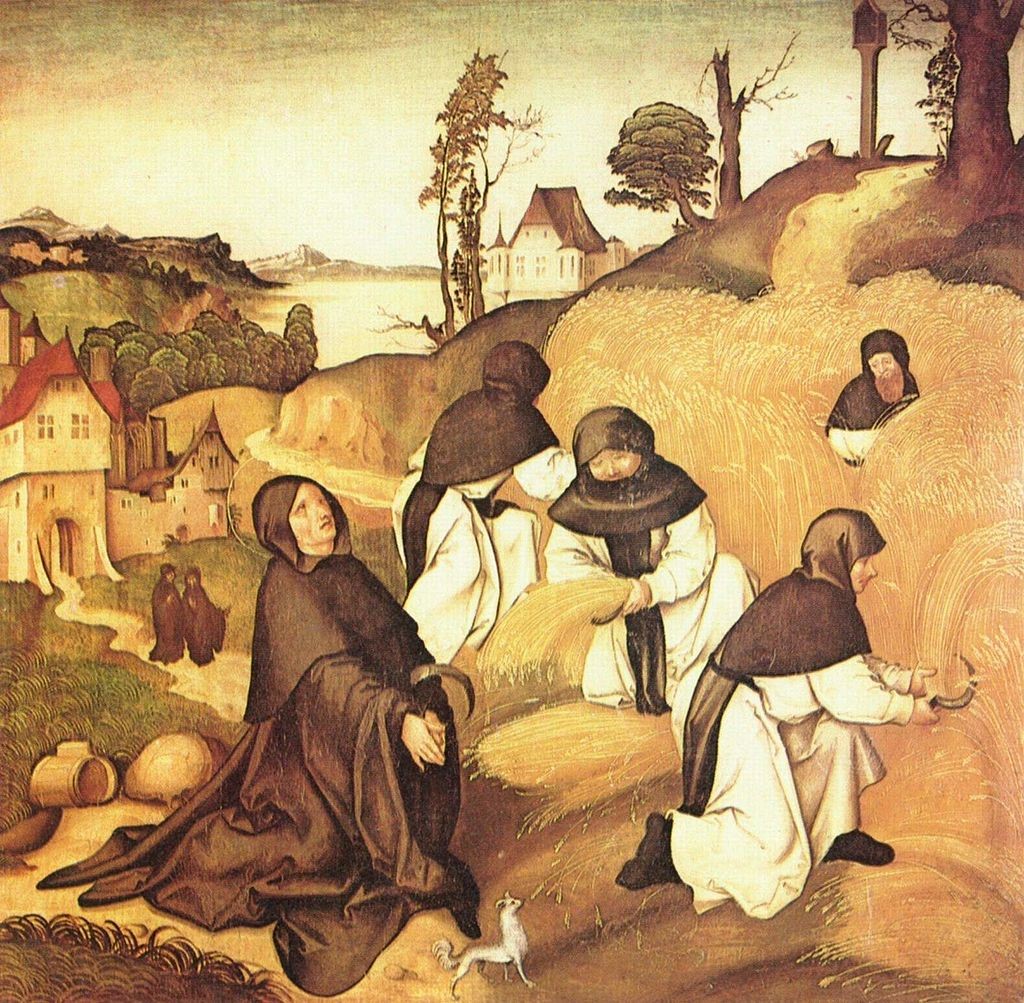
Over time the colors of the different orders became nearly standardized.  The Benedictine Monks would dye the wool they used to make their habits leading to names such as Black Monks or Blackfriar.  The Cistercian Monks who arose in the 1100’s opted for undyed wool to show their adherence to poverty.  This led to names like White monks or Grayfriars.  There ae still many places across England with location names of Blackfriars and Grayfriars. 

This attempt at a Cistercian habit used linen instead of wool for the long tunic and brown wool for the scapula.

Any portrayal of religious personages at events should be done with respect to the beliefs of others.   

Inspiration Images

Common Materials

  • Fabrics:
    • wool
  • Ornamentation:

Effective Substitutions

  • Fabrics:
    • linen
    • cotton
    • linen blends
    • wool blends
  • Ornamentation:

Ensemble Components

  • tunic
  • scapula hood

  • belt

Accessories

  • pouch
  • rosary

Source/Links

Version: 2
date: 3/5/2021
Source of Period Pic: Life of St. Bernard of Clairvaux by Jörg Breu the Elder 1500
Model: Vincent De Vere
Photographer: Vincent De Vere
  

Full Entry, Male

1150 CE Male Bliaut 1

Title: 1150 CE Male Bliaut 1
Entry #: GGB2021.037
Alternate Names:  
Year: 1150
Time range: 1150-1250’s CE
Era: High medieval
Gender: Male
region: europe
Countries/cultures: Europe, France, england
Maker:
Difficulty: 2
Confidence: Image Examples

Intro:

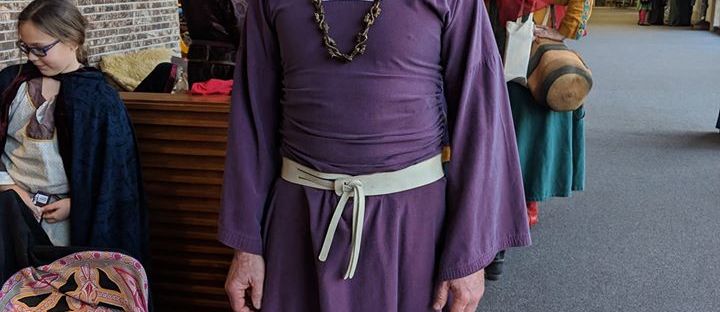
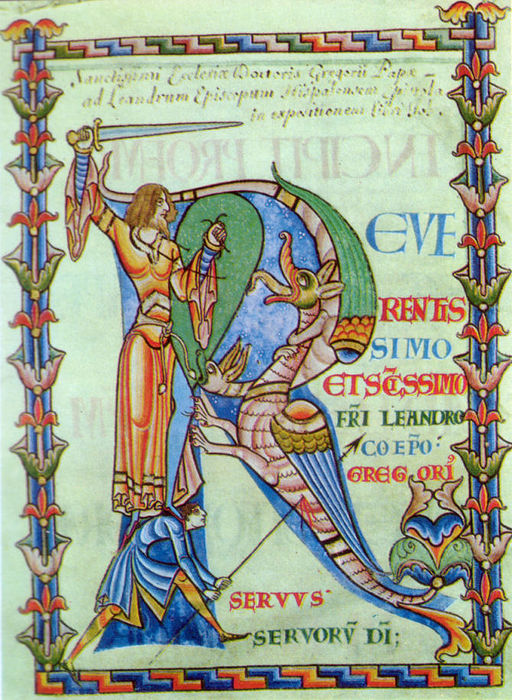
Men’s over-garment characterized by the tunic like construction with side closures resulting in a more fitted silhouette.  The attached skirts were full and shorter than floor length for men and the sleeves were commonly fitted above the elbow and trumpet shaped or widened out below the elbow.

Description:

Although similar to the basic t tunic dress the differences in the sleeves and the chest area distinguish them.  The sleeves vary in style, but predominantly are characterized by the fitted upper sleeve and the widened lower sleeve.  The lower sleeve by be in the form of a trumpet sleeve or as extreme as examples that drag the floor.  A lined sleeve that could be turned back to expose an expensive inner liner would also be seen. 

The other major distinguishing feature is the puckering of the fabric in the torso.  There remains multiple ways to achieve this look, but many have had success by elongating the chest to waist length by some number of inches and by adding lacing on the side of the garment to achieve the fitted look. Most evidence of the style is found in areas of French fashion influence.

This bliaut is purple linen with embroidered applique around the keyhole neck.

Inspiration Images

Common Materials

  • Fabrics:
    • Some think images of fine pleats to represent silks
    • fine wools
    • rich fabrics perhaps linen
  • Ornamentation:

Effective Substitutions

  • Fabrics:
    • cottons
    • linen blends
    • wool blends muslin for undergarments
  • Ornamentation:

Ensemble Components

Accessories

  • a belt wrapped around the body
  • pouch or purse

Source/Links

Version: 3
date: 3/6/2021
Source of Period Pic: Historiated initial R from the frontispiece of a 12th-century manuscript of St. Gregory’s Moralia in Job, Dijon, Bibl. Municipale, MS 2
Model:
Photographer: Vincent De Vere
  

Full Entry, Male

1200 CE Male Wool Cote

Title: 1200 CE Male Wool Cote
Entry #: GGB2021.041
Alternate Names: Gown, Frock coat, Tunic, over tunic, 
Year: 1200
Time range: 1100-1400 CE
Era: High medieval
Gender: Male
region: Europe
Countries/cultures: Europe
Maker: Gwen A’Brooke
Difficulty: 2
Confidence: Image Examples

Intro:

A loose tunic like garment commonly with buttons at the neck and cuffs bloused over a belt. Extending from below the waste to below the knee with long sleeves.

Description:

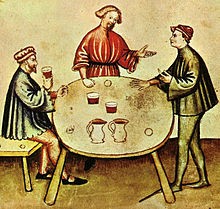
This garment, or variations of it can be seen in many paintings and illustrations that cross over several regions and time frames.  People from many stations in society use this functional garment, from laborers to merchants and higher. Varying slightly from its beginnings before 1100CE and fading in fashion for all but laborers late in period.

In general it is slightly more tailored tunic with the neck hole held closed by use of buttons rather than the earlier broaches.  Buttons may just close the neck hole, extend part way down the chest or to the bottom of the garment.  The cut is usually full producing a baggy garment belted at the waste and bloused over the belt.  Some assign the length of the garment to station, with average workmen wearing it shorter to the more wealthy merchants wearing a longer garment.

Likely worn with an undershirt and in some cases a simple doublet as well as hosen or trews.

Sometimes underrepresented in the SCA, cotes can easily produce a medieval look with an easily constructed garment.

This example has layers of cotes with a tight neck hole.  Split for ease of movement below the waist.  These are very tunic like cotes.

Inspiration Images

Common Materials

  • Fabrics:
    • Wool
    • linen
    • brocade
  • Ornamentation:

Effective Substitutions

  • Fabrics:
    • wool blends
    • linen blends
    • cottons
    • lighter weight upholstery fabrics that simulate period patterns
  • Ornamentation:

Ensemble Components

  • Cote
  • Under Tunic

  • possibly a doublet
  • pants or braes/hosen

Accessories

  • belt
  • pouch
  • hat
  • shoes

Source/Links

The Medieval Tailors Assistant, by Sarah Thursfield, has instructions on constructing such

Version:3
date: 2/27/2021
Source of Period Pic: http://en.wikipedia.org/wiki/File:48-aspetti_di_vita_quotidiana_ubriachezza_Taccuino_Sanitatis_Shoes.jpg
Model: Ulfr Thyrison
Photographer: Vincent De Vere
  

Full Entry, Male

1200 CE Male Linen Cote

Title: 1200 CE Male Linen Cote
Entry #: GGB2021.041
Alternate Names: Gown, Frock coat, Tunic, over tunic, 
Year: 1200
Time range: 1100-1400 CE
Era: High medieval
Gender: Male
region: Europe
Countries/cultures: Europe
Maker: Vincent De Vere
Difficulty: 2
Confidence: Image Examples

Intro:

A loose tunic like garment commonly with buttons at the neck and cuffs bloused over a belt. Extending from below the waste to below the knee with long sleeves.

Description:

This garment, or variations of it can be seen in many paintings and illustrations that cross over several regions and time frames.  People from many stations in society use this functional garment, from laborers to merchants and higher. Varying slightly from its beginnings before 1100CE and fading in fashion for all but laborers late in period.

In general it is slightly more tailored tunic with the neck hole held closed by use of buttons rather than the earlier broaches.  Buttons may just close the neck hole, extend part way down the chest or to the bottom of the garment.  The cut is usually full producing a baggy garment belted at the waste and bloused over the belt.  Some assign the length of the garment to station, with average workmen wearing it shorter to the more wealthy merchants wearing a longer garment.

Likely worn with an undershirt and in some cases a simple doublet as well as hosen or trews.

Sometimes underrepresented in the SCA, cotes can easily produce a medieval look with an easily constructed garment.

This example has layers of cotes with a tight neck hole.  Split for ease of movement below the waist.  These are very tunic like cotes.

Inspiration Images

Common Materials

  • Fabrics:
    • Wool
    • linen
    • brocade
  • Ornamentation:

Effective Substitutions

  • Fabrics:
    • wool blends
    • linen blends
    • cottons
    • lighter weight upholstery fabrics that simulate period patterns
  • Ornamentation:

Ensemble Components

  • Cote
  • Under Tunic

  • possibly a doublet
  • pants or braes/hosen

Accessories

  • belt
  • pouch
  • hat
  • shoes

Source/Links

The Medieval Tailors Assistant, by Sarah Thursfield, has instructions on constructing such

Version:2
date: 2/27/2021
Source of Period Pic: http://en.wikipedia.org/wiki/File:48-aspetti_di_vita_quotidiana_ubriachezza_Taccuino_Sanitatis_Shoes.jpg
Model:
Photographer: Vincent De Vere
  

Full Entry, Male

1250 CE Franciscan Friar monk Habit 1

1250 CE Franciscan Friar monk Habit 1
Entry #: GGB2021.043
Alternate Names: Friar Robes, monks robes 
Year: 1250
Time range: 1250 – end of period
Era: High medieval
Gender: Male
region: Europe
Countries/cultures: Europe
Maker: Ida Lundy
Difficulty: 1
Confidence: Extant Examples

Intro:

Long belted tunic with a belt of leather, cloth or rope.  A scapula, the tabard like rectangle of cloth with a cowl or hood attached. 

Description:

Generally unadorned, color of the fabric denotes particular religious order the wearer belongs to. The belt could be leather but some references say rope was more common. 

Over time the colors of the different orders became nearly standardized.  The Benedictine Monks would dye the wool they used to make their habits leading to names such as Black Monks or Blackfriar.  The Cistercian Monks who arose in the 1100’s opted for undyed wool to show their adherence to poverty.  This led to names like White monks or Grayfriars.  There ae still many places across England with location names of Blackfriars and Grayfriars. 

This attempt at a Franciscan habit wool blend for the long tunic and brown wool for the hooded mantle. Franciscan order arose shortly after the Cistercian order.

Any portrayal of religious personages at events should be done with respect to the beliefs of others.   

Inspiration Images

Common Materials

  • Fabrics:
    • wool
  • Ornamentation:

Effective Substitutions

  • Fabrics:
    • linen
    • cotton
    • linen blends
    • wool blends
  • Ornamentation:

Ensemble Components

  • tunic
  • scapula hood

  • belt

Accessories

  • pouch
  • rosary

Source/Links

Version: 2
date: 3/5/2021
Source of Period Pic: Life of St. Bernard of Clairvaux by Jörg Breu the Elder 1500
Model: Vincent De Vere
Photographer: Vincent De Vere
  

Full Entry, Male

1200 CE Parti colored Heraldic Surcote

Title: 1200 CE Parti colored Heraldic Surcote
Entry #: GGB2021.042
Alternate Names: Sleeveless surcote, heraldic surcote 
Year: 1200
Time range: 1200-1300 CE
Era: High medieval
Gender: Male
region: Europe
Countries/cultures: Europe
Maker:
Difficulty: 1
Confidence: Image Examples

Intro:

Parti-colored surcote over long sleeved tunic displaying heraldic colors

Description:

A style used over a long range of areas and times.  Generally starting in or before 1200’s CE and extending into the 1300’s as well as being similar to heraldic tabards and shifting into livery coats.  This over layer could take the place of some warmth layers, be used as an over layer for work clothes but we often associate it with livery colors, where members of servants in a household are dressed in matching outer garments to show their association with their household.  These could also be worn over armor for identification on the battlefield. 

This example represents a simple parti-colored heraldic surcote, split for riding, displaying the Kingdom livery colors and badge.  Layers under the surcote in this case are an undershirt, braies and hosen as well as turn shoes.

This example is made out of linen for use in hot weather.

Inspiration Images

Common Materials

  • Fabrics:
    • Wool outer layers
    • Linen for lining
  • Ornamentation:

Effective Substitutions

  • Fabrics:
    • cottons
    • cotton blends
    • linen
    • linen blends
    • wool blends
  • Ornamentation:

Ensemble Components

  • Undershirt
  • surcoat

  • pants or hosen
  • turn shoes or boots

Accessories

  • belt
  • pouch
  • dagger
  • purse
  • coif
  • hat or hood

Source/Links

Version: 2
date: 3/1/2021
Source of Period Pic:
Model: Matsunaga Kagetora
Photographer: Vincent De Vere