Female, Full Entry

1370 CE Female, Cotehardie 7

Title: 1370 CE Female, Cotehardie 7
Entry #: GGB2021.053
Alternate Names: Gothic Fitted Dress 
Year: 1370
Time range: 1350-1400 CE
Era: High Medieval
Gender: Female
region: Western europe, central europe
Countries/cultures: France, England,
Maker: Vincent de Vere
Difficulty: 3
Confidence: Image Examples

Intro:

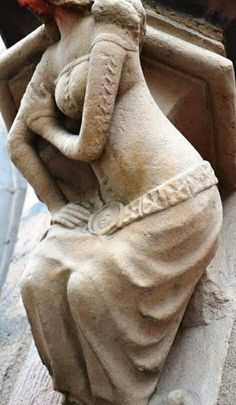
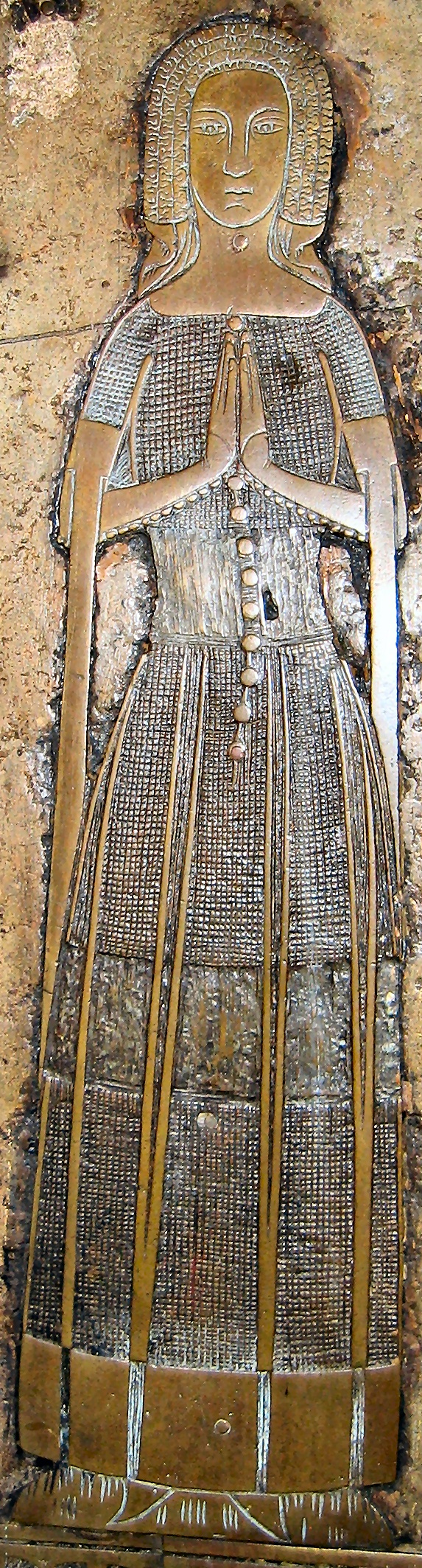
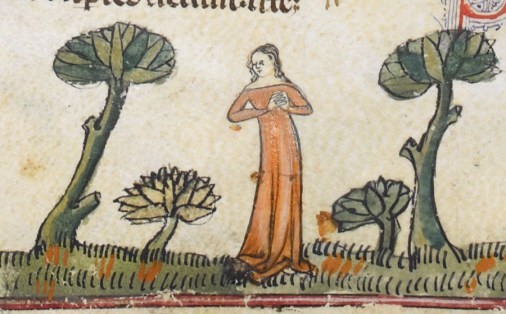
Fitted female garment forming an outer or middle layer.  

Description:

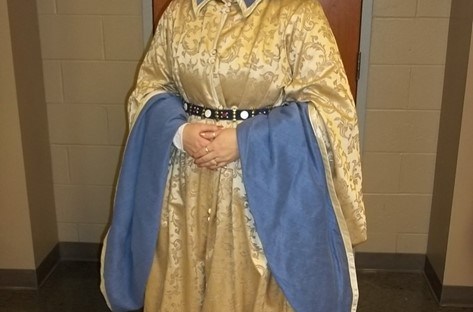
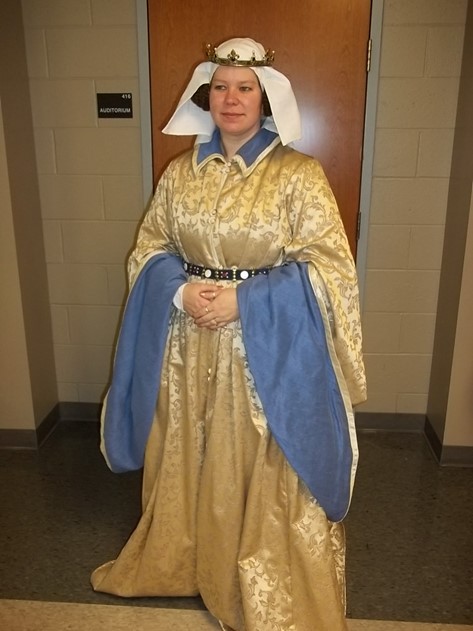
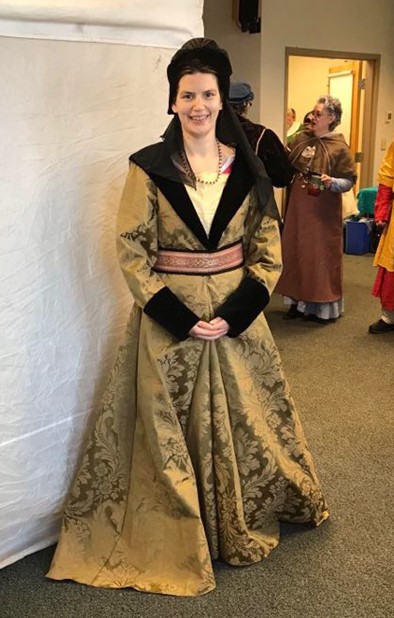
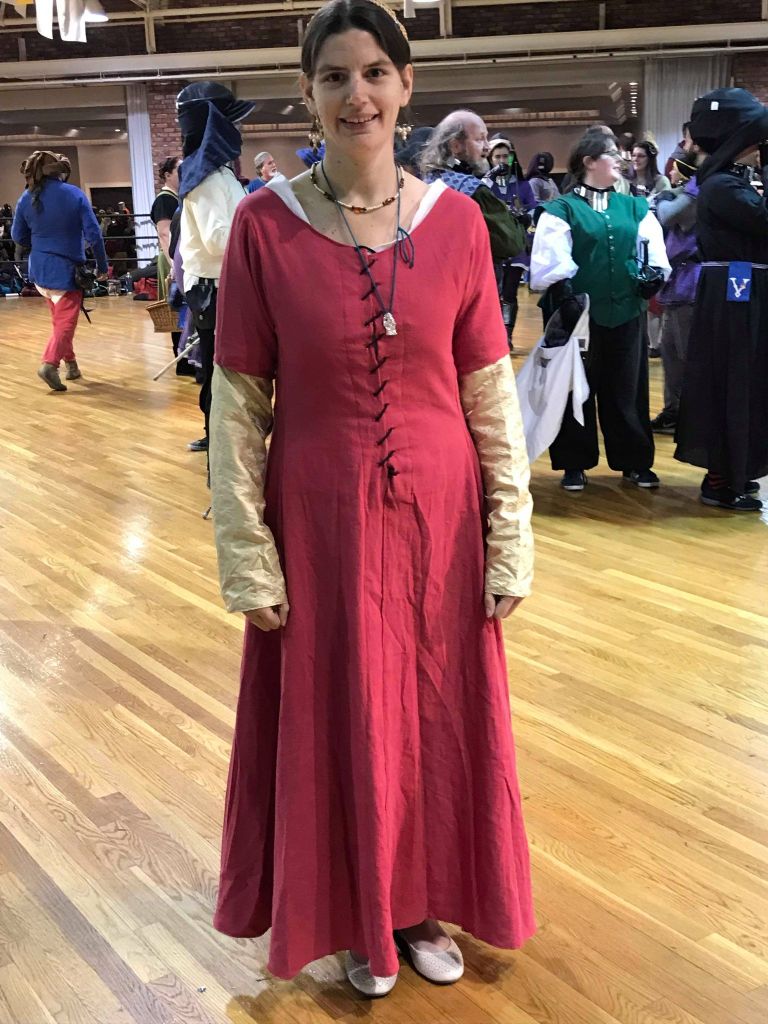
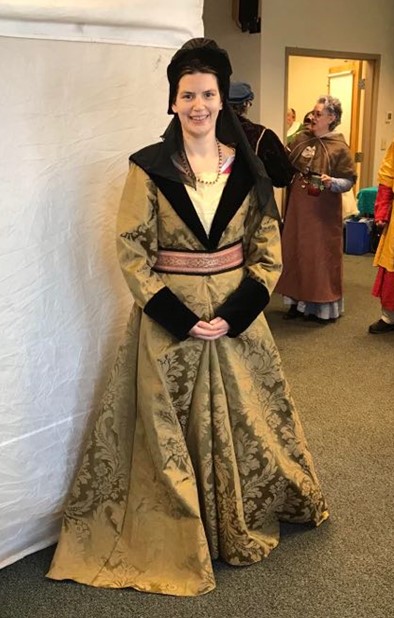
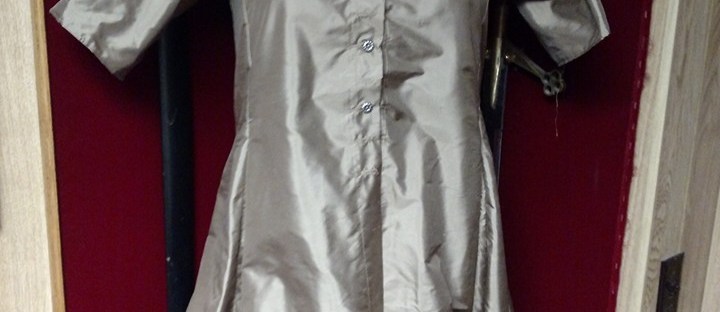
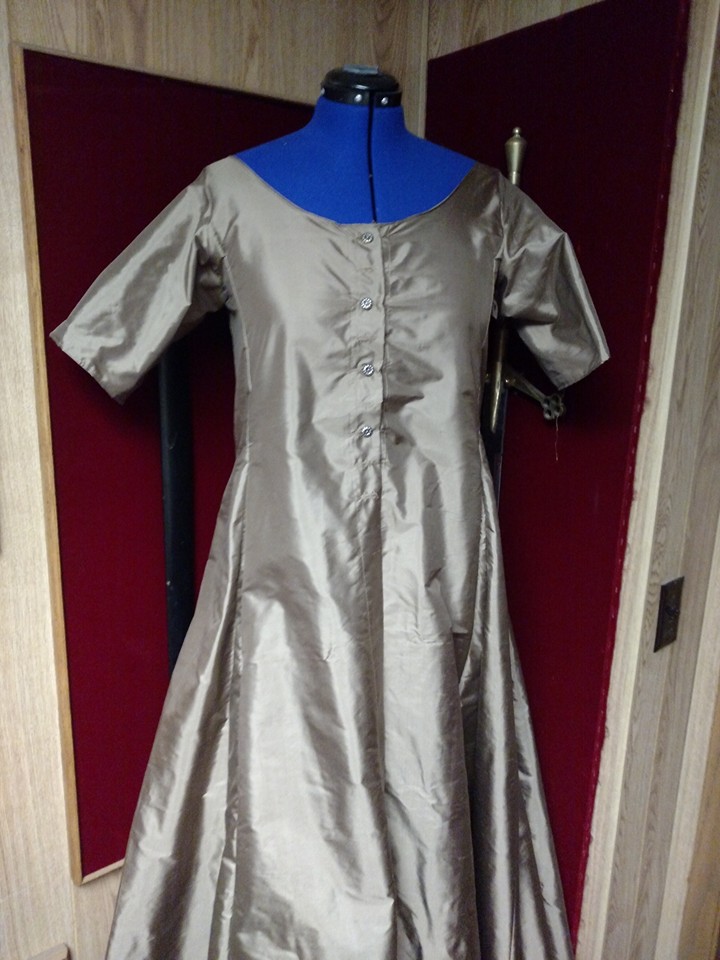
Gold silk cotehardie shown here without a kirtle
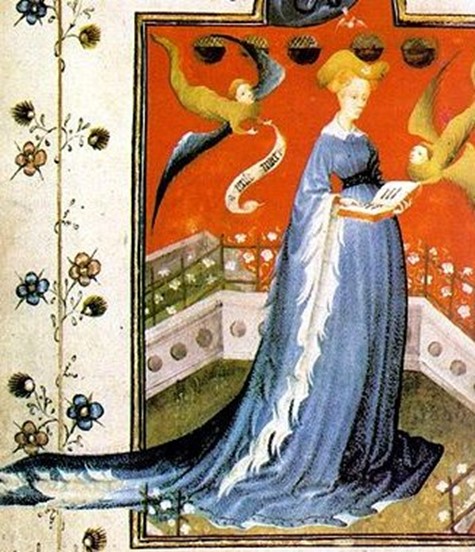
 As female garments became more fitted in the 1300s the unfitted tunic like dresses became more tailored and fitted. 
 A loose shift or slip like garment could be worn as a base layer.  There is limited evidence for underwear.  The bust could be supported with just the fitted layers.
 A kirtle layer worn between the shift and the cotehardie could be laced up the front and the sleeves could be buttoned or laced.  The kirtle layer is often fitted as to be supportive in the bust and not as long as the cotehardie layer. 
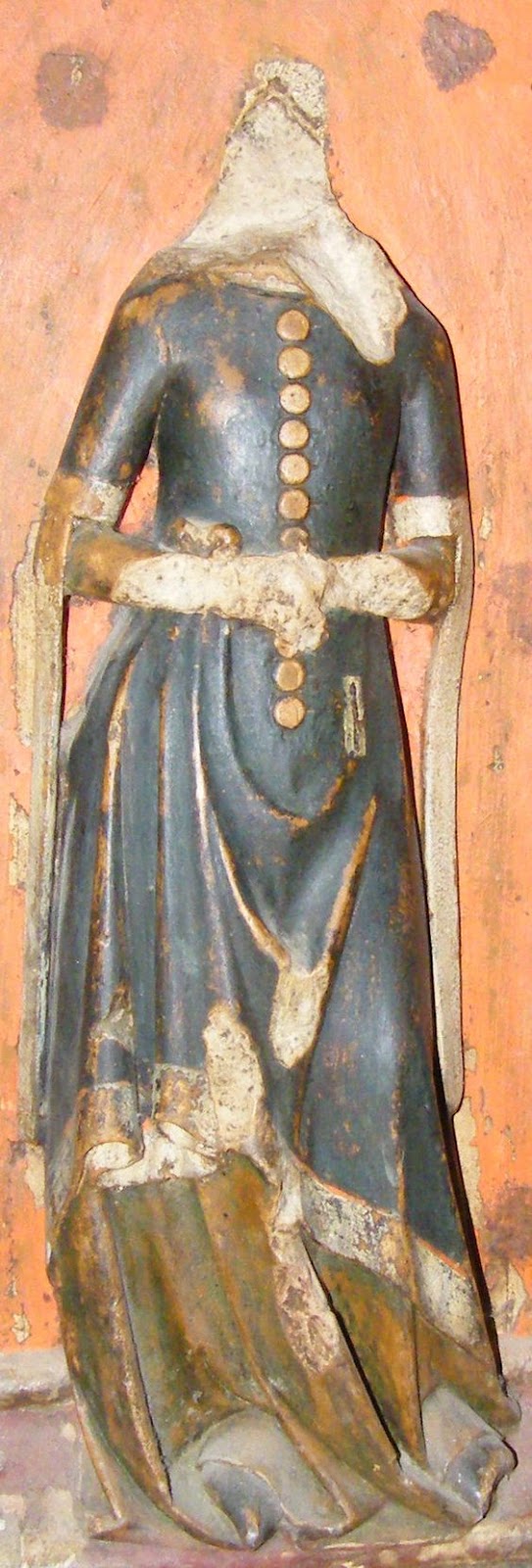
 The cotehardie layer over the kirtle later adds to the support of the bust line.  The neck line could be plunging or more modest.  The dress is often shown with a large number of closely spaced buttons on a front closure. The sleeves could be short, short with sleeve streamers (a very stereotypical cotehardie look) or longer.  Some examples extend over the hand almost to the fingers.  The cotehardie layer would be floor length.  The belt is often shown slung low on the hips.

Inspiration Images
Common Materials

  • Fabrics:
    • fine cloths
    • silks
    • brocades
    • fine wools
  • Ornamentation:

Effective Substitutions

  • Fabrics:
    • Silks
    • linens
    • linen blends with rayon or cotton
    • brocades.
    • Some cotton poly brocades can work to mimic the look of rich brocades, but the higher the poly content the more unpleasant the garment is to wear.
  • Ornamentation:

Ensemble Components

  • Slip/shift
  • Kirtle Cotehardie
  • purse

  • coifs/undercaps/hoods
  • belt
  • turnshoes

Accessories

Source/Links

http://www.chesholme.com/wfiles/2-1-Cotehardie.pdf

http://starsandgarters.org/2020/10/04/patterning-fitted-garments/

Version: 2
date: 2/26/2021
Source of Period Pic:
Model:
Photographer: Vincent De Vere
  

Component Entry, Female, Male, Unisex

Simple Narrow Belt with Reproduction Buckle

TitleSimple Narrow Belt with Reproduction Buckle
Entry #GGC2021.031
Alternate NamesBelt
Year1350
Time rangeAntiquity to end of period
EraAntiquity to end of period
GenderUnisex
regionEurope
Countries/culturesEurope
MakerVincent De Vere,
Difficulty1
ConfidenceExtant Example

Intro:

 Various belts.      

Description:

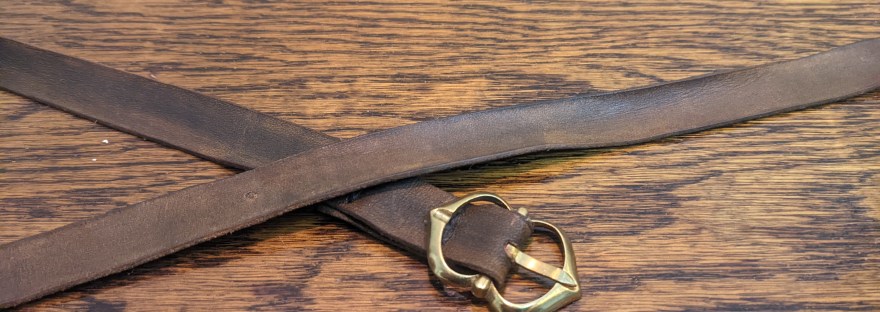
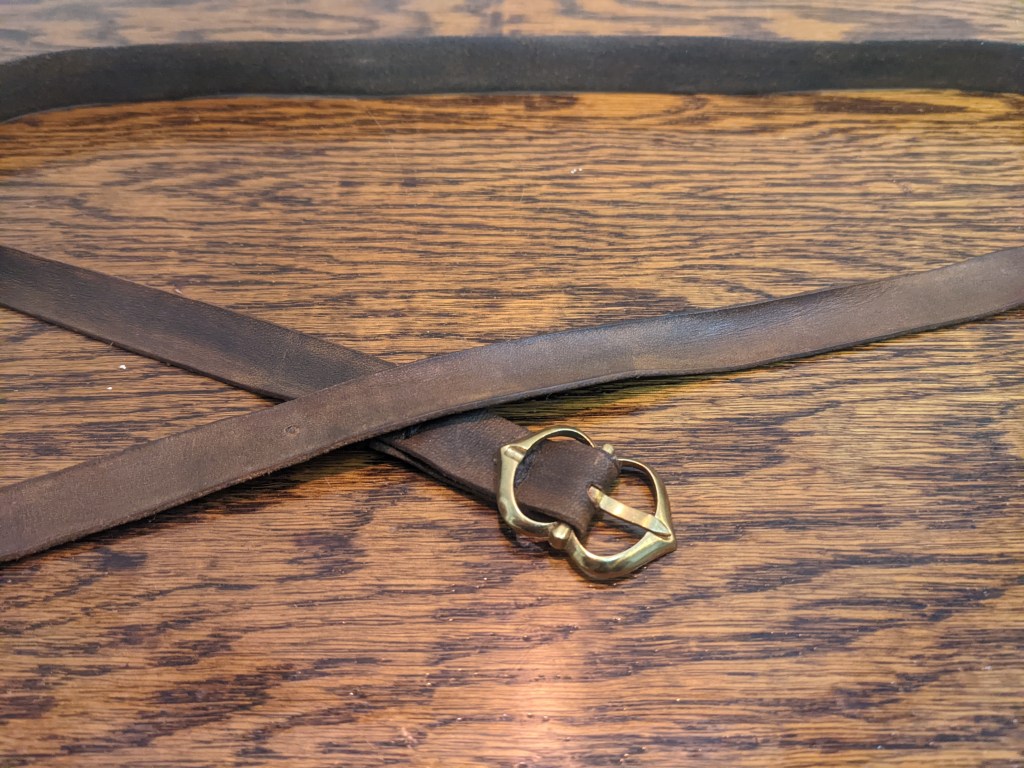
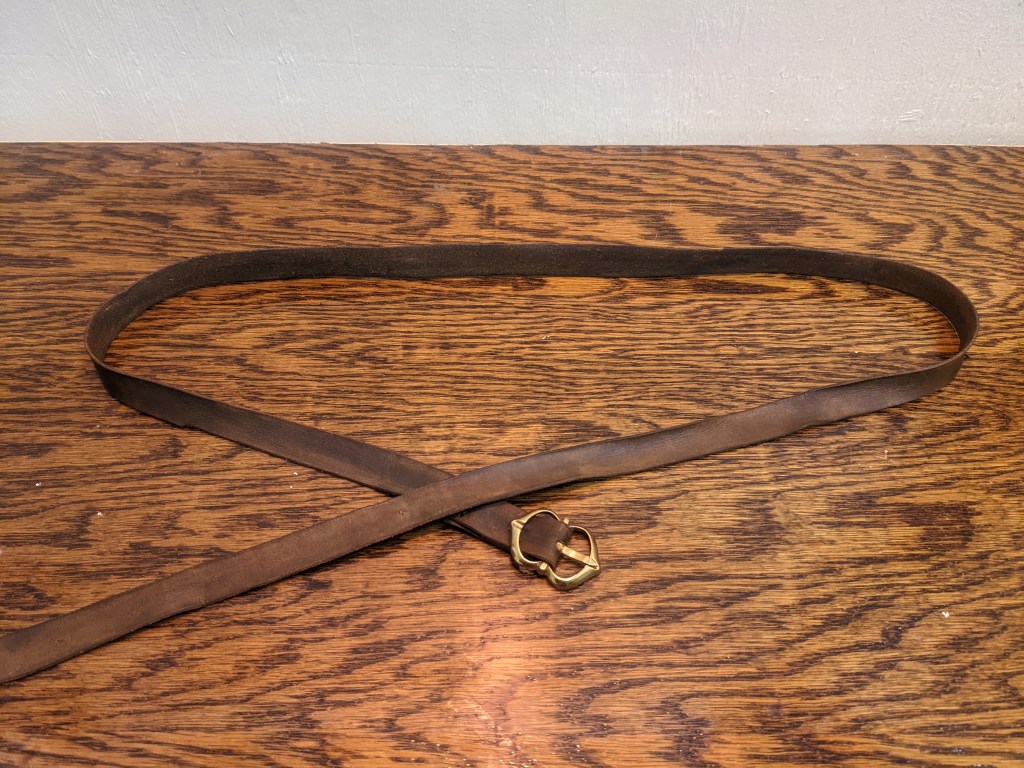
This is a modern buckle taken from a worn out belt and attached to a strip of leather to form a belt. This easily made belt works very well for people new to the SCA.

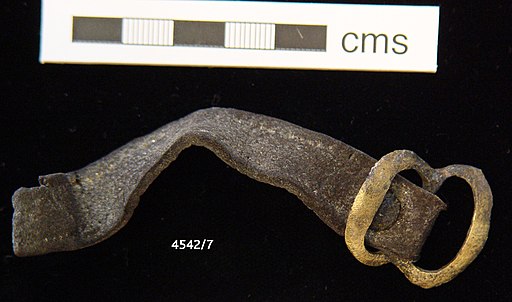
This reproduction buckle is based an extant example dated to arround 1350 CE, but is very similar to many others from different time periods. It is available through several reputable vendors. It would be an example of a very inexpensive reproduction piece.

Inspiration Images

Common Materials

  • Fabrics:
    • Leather
  • Ornamentation:

Effective Substitutions

  • Fabrics:
    • Leather
  • Ornamentation:

Ensemble Components

Accessories

Source/Links

The Portable Antiquities Scheme/ The Trustees of the British Museum, CC BY-SA 4.0 <https://creativecommons.org/licenses/by-sa/4.0&gt;, via Wikimedia Commons

Version1
date1/2/2022
Source of Period PicBritish Museum
Model 
PhotographerVincent De Vere
  
Component Entry, Female, Male, Unisex

Belt, Tablet woven 2 with garters

TitleBrocaded tablet woven belt and garters Belt with Reproduction Buckle
Entry #GGC2021.035
Alternate NamesBelt, Girdle
Year1300
Time range1300-1400
EraHigh Medieval
GenderUnisex
regionEurope
Countries/culturesEurope
MakerKristine nic Tallieur,
Difficulty5
ConfidenceExtant fragment

Intro:

 Various belts.      

Description:

Th

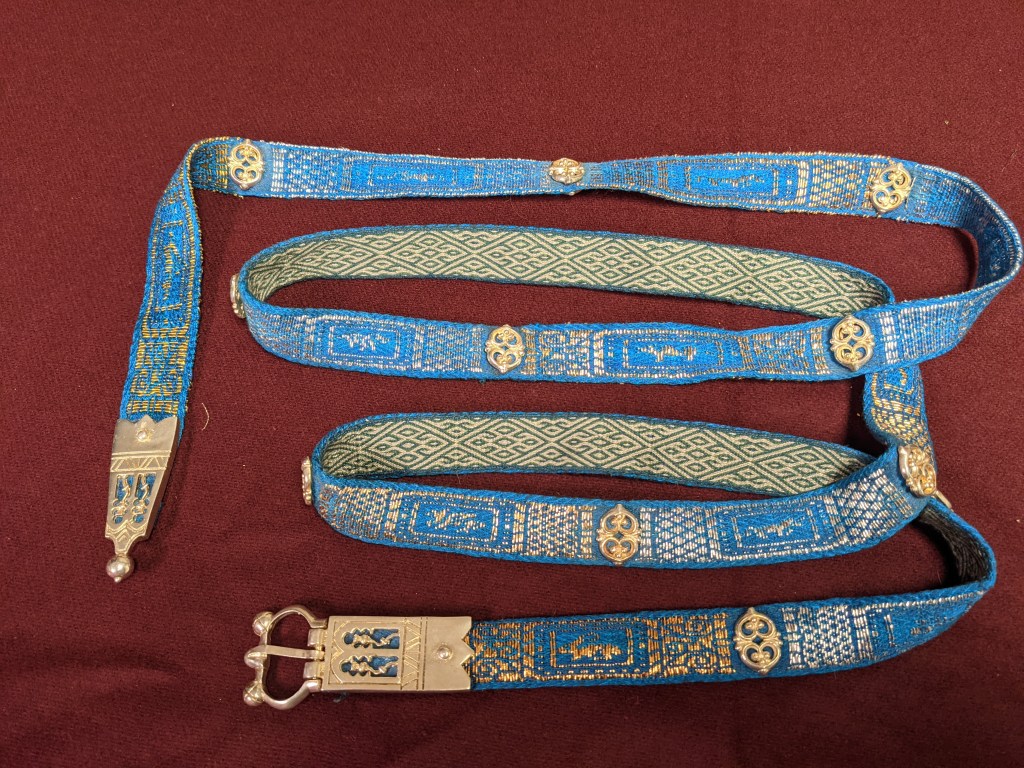
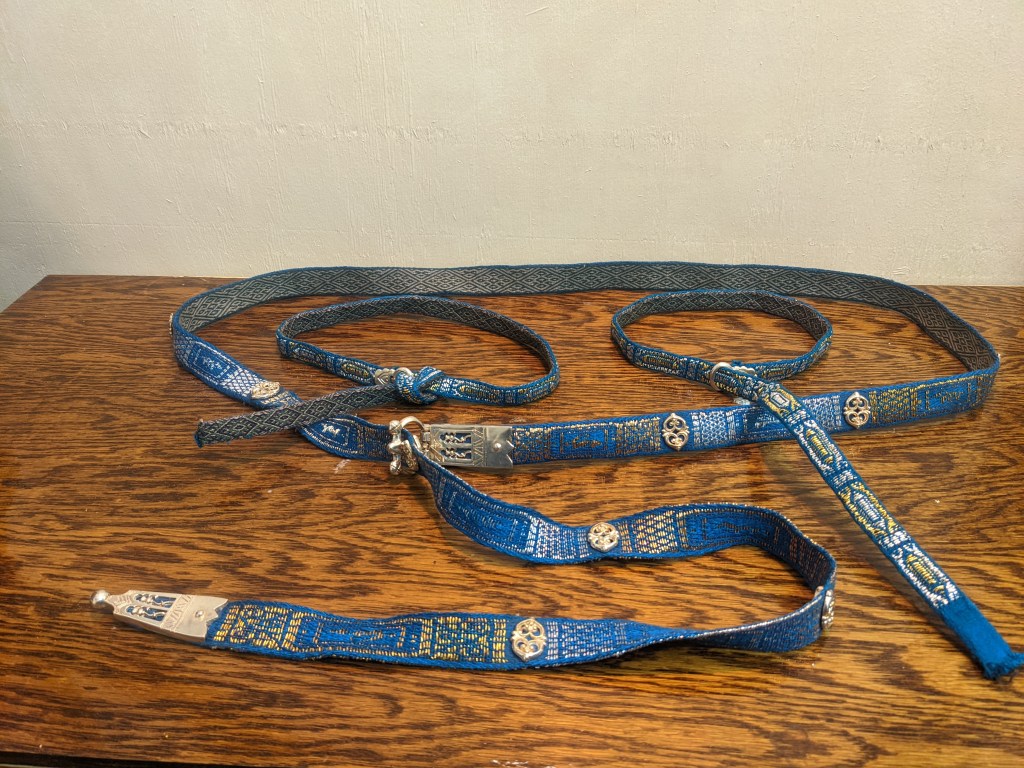
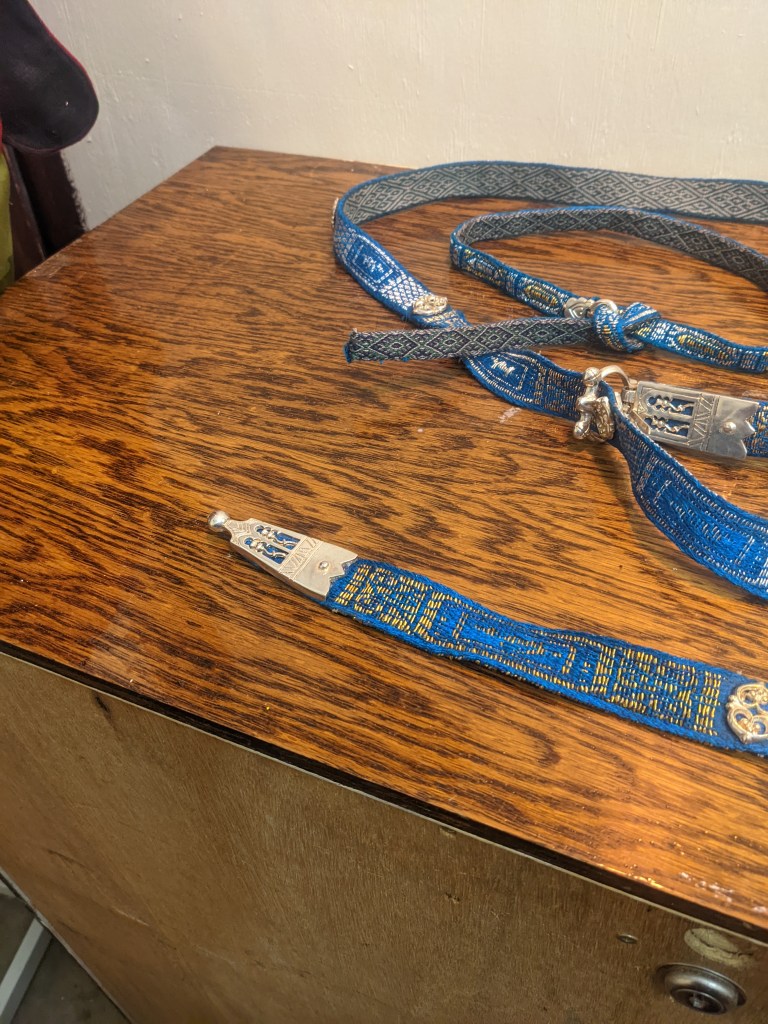
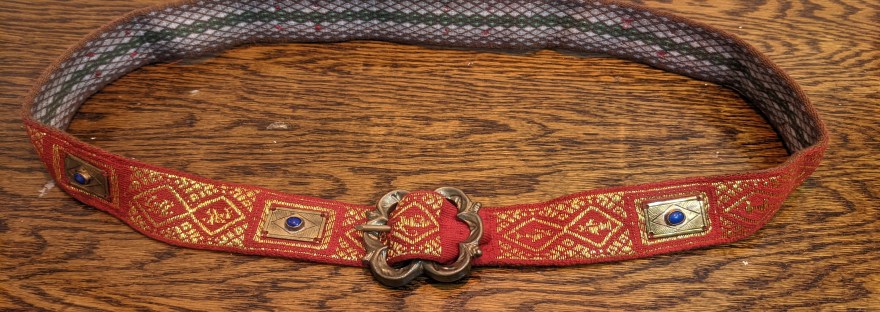
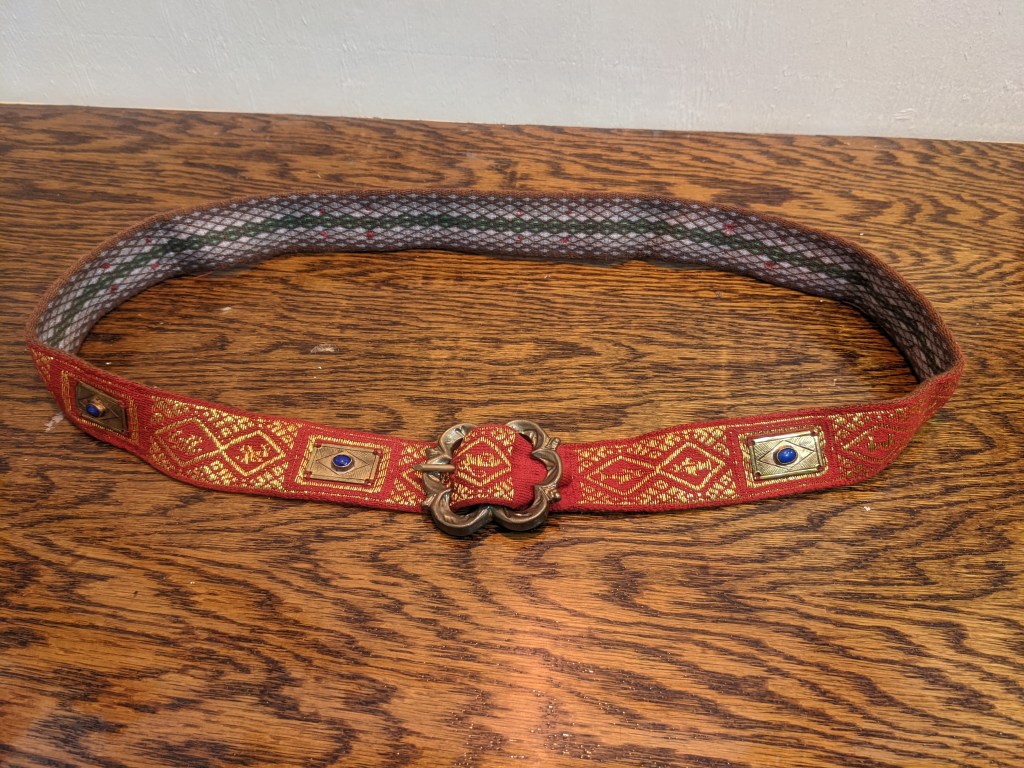
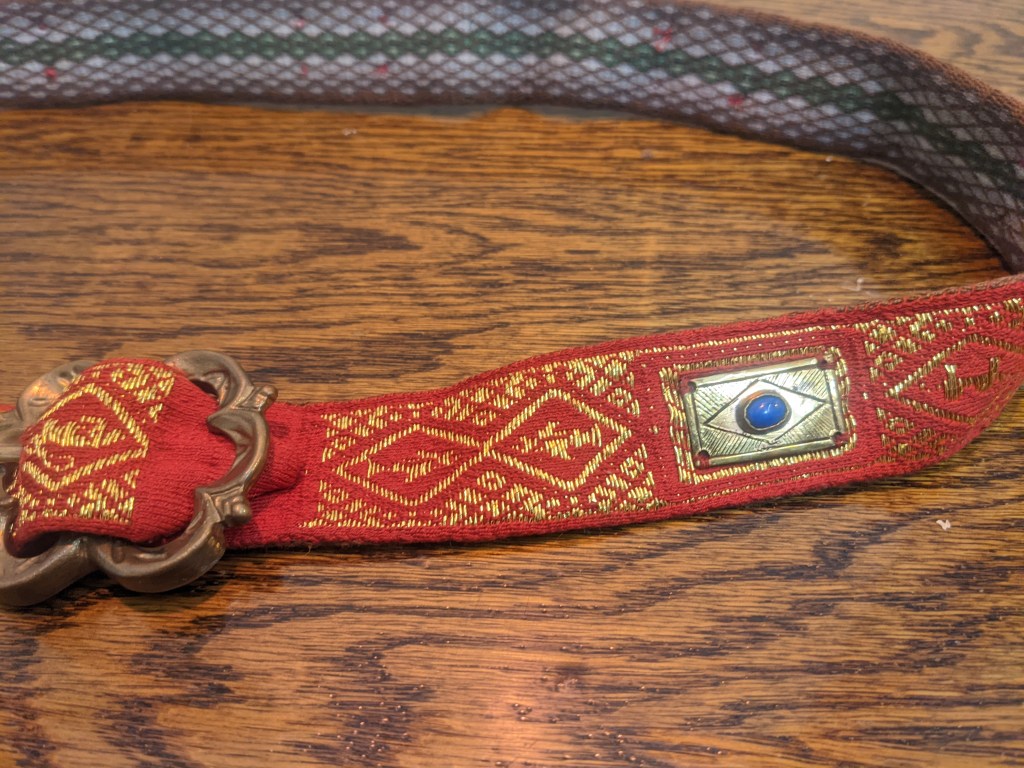
This is a tablet woven belt made in two layers.  The outer layer is cotton with mylar wrapped thread that emulates gold thread used in period weaving. The images woven into the belt using a brocade technique.   The belt is woven in two parts with a cotton inner belt and the layers are sewn together. The buckle is a reproduction of an English find from 1300-1400’s buckle from a private collection. Purchased from a reenactor vendor.      

The garters are made in the same manner. 

Inspiration Images

Common Materials

  • Fabrics:
    • Linen, silk, gold wire, bronze/copper alloy
  • Ornamentation:

Effective Substitutions

  • Fabrics:
    • Silk, cotton, linen, wool, mylar thread, brass, bronze
  • Ornamentation:

Ensemble Components

Accessories

  • The buckle is a reproduction of a 1300-1400’s buckle from a private collection. Purchased from a reenactor vendor.      

Source/Links

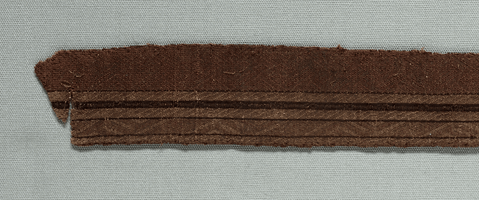
Cleveland Museum of Art, CC0, via Wikimedia Commons https://commons.wikimedia.org/wiki/File:Italy,_Sicily,_end_of_11th_century_-_Two_Galloon_Fragments_Mounted_Together_-_1940.492.a_-_Cleveland_Museum_of_Art.tif

Version1
date1/9/2022
Source of Period PicWikipedia commons, Cleveland Museum of Art
Model 
PhotographerVincent De Vere
  
Component Entry, Female, Male, Unisex

Belt, Tablet woven 1 with plaques

TitleBrocaded tablet woven belt and metal plaques
Entry #GGC2021.036
Alternate NamesBelt, Girdle
Year1300
Time range1200-1400
EraHigh Medieval
GenderUnisex
regionEurope
Countries/culturesEurope
MakerKristine nic Tallieur,
Difficulty5
ConfidenceExtant fragment

Intro:

 Various belts.      

Description:

Inspiration Images

Common Materials

  • Fabrics:
    • Linen, silk, gold wire, bronze/copper alloy
  • Ornamentation:

Effective Substitutions

  • Fabrics:
    • Silk, cotton, linen, wool, mylar thread, brass, bronze
  • Ornamentation:

Ensemble Components

Accessories

  • The buckle is a reproduction of a 1400’s buckle found in the British museum purchased from an SCA vendor. 

Source/Links

Cleveland Museum of Art, CC0, via Wikimedia Commons https://commons.wikimedia.org/wiki/File:Italy,_Sicily,_end_of_11th_century_-_Two_Galloon_Fragments_Mounted_Together_-_1940.492.a_-_Cleveland_Museum_of_Art.tif

Version1
date1/9/2022
Source of Period PicWikipedia commons, Cleveland Museum of Art
Model 
PhotographerVincent De Vere
  
Component Entry, Female, Male, Unisex

Belt with brass plaques reproduction buckle

TitleBelt with brass plaques reproduction buckle
Entry #GGC2021.032
Alternate NamesBelt
Year1300 CE
Time range1200-1400CE
EraHigh Medieval
GenderUnisex
regionEurope
Countries/culturesEurope
MakerVincent De Vere,
Difficulty2
ConfidenceExtant Example

Intro:

 Various belts.      

Description:

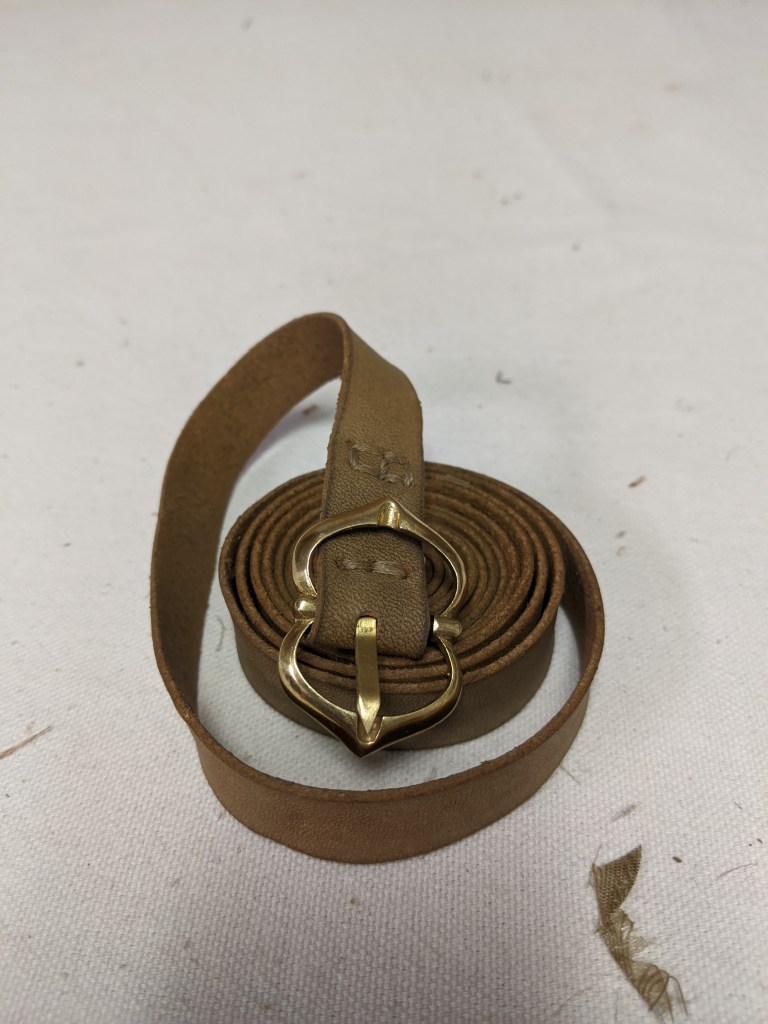
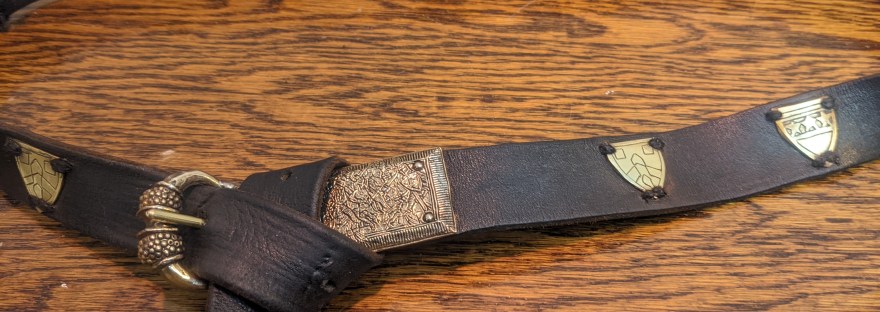
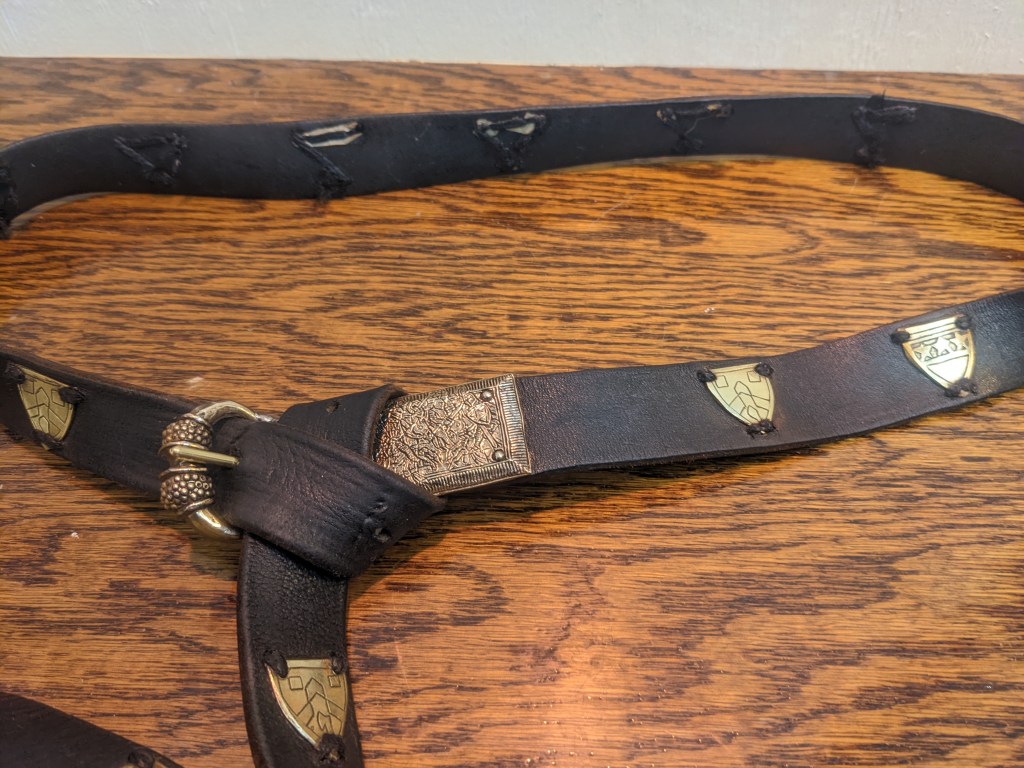
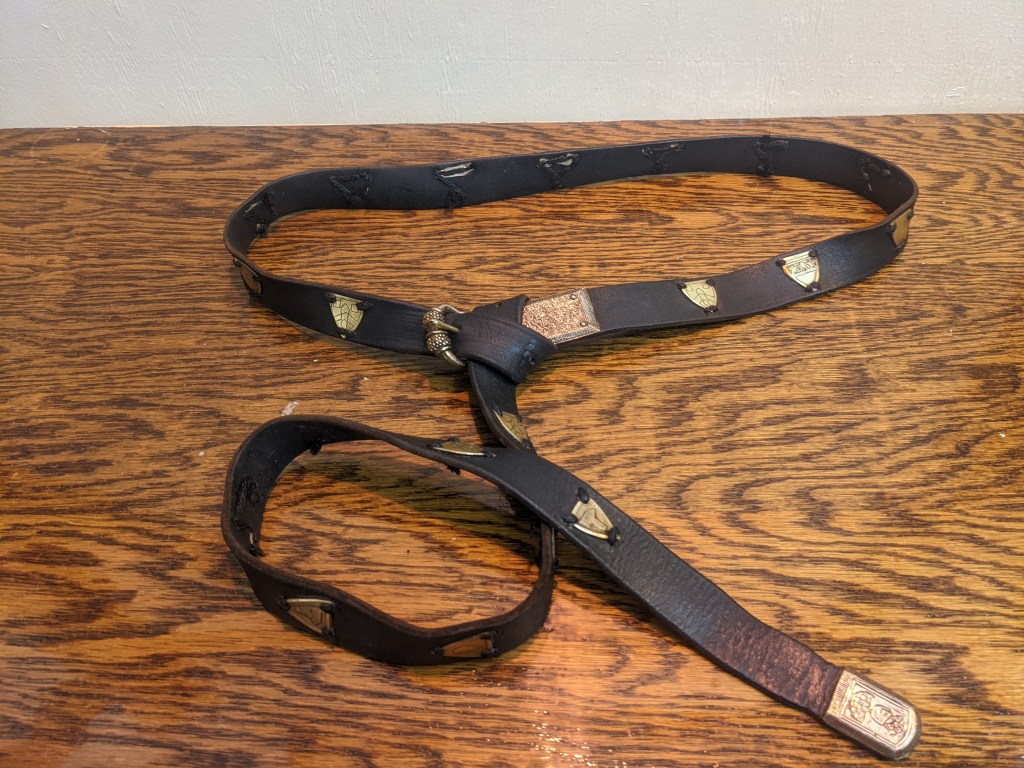
This is a narrow leather belt with preproduction buckle and tip purchased from an SCA merchant and the brass plaques are etched with various devices and batches associated with the owner

Inspiration Images

Common Materials

  • Fabrics:
    • Leather brass, bronze
  • Ornamentation:

Effective Substitutions

  • Fabrics:
    • Leather, brass
  • Ornamentation:

Ensemble Components

Accessories

Source/Links

The Portable Antiquities Scheme/ The Trustees of the British Museum, CC BY-SA 4.0 <https://creativecommons.org/licenses/by-sa/4.0&gt;, via Wikimedia Commons

buckle and tip based on a Hungarian, c. 1275 Magyar Nemzeti Museum, Budapest belt tip and

Version1
date1/2/2022
Source of Period PicBritish Museum
Model 
PhotographerVincent De Vere
  
Basic Entry, Female

1480 CE Female Italian Gown

Title1480 CE Female Italian Gown
Entry #GGB2021.070
Alternate Names 
Year1480
Time range1480-1510
EraLate Medieval, Italian Renaissance
GenderFemale
regionSouthern Europe
Countries/culturesItaly
MakerElena del Mar
Difficulty2
ConfidenceImage Example

Intro:

Basic Italian Gown/ Northern Italian

Description:

Inspiration Images

Common Materials

  • Fabrics:
  • Ornamentation:

Effective Substitutions

  • Fabrics:
  • Ornamentation:

Ensemble Components

Accessories

Source/Links

Version2
date3/6/2021
Source of Period Pic 
ModelElena del Mar
PhotographerVincent De Vere
  

Female, Full Entry

1400 CE Female Houppelande 2

Title1420 CE Female Houppelande 2
Entry #GGB2021.065
Alternate Names Gown, houpelande, poun, pellanda
Year1420
Time range1360-1430
EraLate Medieval
GenderFemale
regionWestern Europe
Countries/culturesEngland, France
MakerMIrabel Wynne
Difficulty5
ConfidenceImage Examples

Intro:

The houppelande is an outermost layer of dress, which was worn by middle-to-upper classes, both men and women. It was worn over a more fitted undergarment. It is identified by volumes of fabric neatly pleated into a belt, and visually balanced by a large hat.

Description:

Men wore varying lengths, depending on the fashion of the time and possibly the age of the wearer. Women wore them long, often breaking on the floor. Sleeve style varied by region and time as well, from a straight construction to wide and open, or wide and closed again at the wrist.

Necklines and sleeves started similar to cotehardies, and varied to high buttoned collars and folded down collars. Fabrics were colorful, sometimes brocaded, and often lined to contrast. Later, the female houppelande was tightened at the sleeve, a deep V left in the neck, and became the ‘Burgundian’ gown.

Layers under the Houppelande include base layers of shifts/under dresses, a kirtle or supportive layer, a cote, dress, gown or cotehardie layer and the outer houppelande

First seen in documentation in 1359 CE, the garments seem to have evolved from other outer wear such as garde-corps or herigauts, warm, billowy outer layers pulled over the head. 

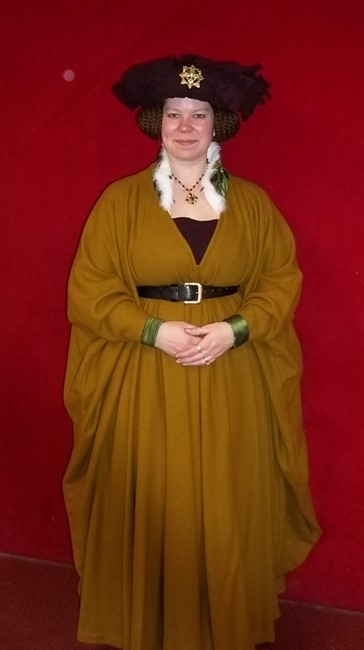
Houppelande in pic is made from wool with a fur collar. This is a transitional garment with many similarities to the Burgundian gown evident

Inspiration Images

Common Materials

  • Fabrics:
    • wool
    • linen
    • silk
    • tabby and brocade patterning
  • Ornamentation:
    • embroidery
    • lined with contrasting fur

Effective Substitutions

  • Fabrics:
    • wool blends
    • linen
    • linen blends
    • cotton damasks
  • Ornamentation:
    • costume or fake fur
    • contrasting fabric

Ensemble Components

  • undershirt
  • doublet
  • “Middle Layer” such as a cote/cotehardie gowns

  • Supportive Kirtle
  • braies/undergarments

Accessories

  • shoes with a point,
  • hose & garters
  • plaited hair
  • belt
  • hat – rolls, henins, and dual horns are fashionable

Source/Links

http://www.virtue.to/articles/circle_houp.html

http://medievalweddingdresses.ideasforweddings.net/wp-content/uploads/2009/05/houppelande3.jpg, http://www.flickr.com/photos/medievalarchive/2482968742/in/photostream/, http://www.flickr.com/photos/medievalarchive/2711997808/in/photostream/, http://www.flickr.com/photos/17024607@N08/2143873264, http://wp.bymymeasure.com/526/houppelande-belts-of-the-early-15th-century

Version2
date3/3/2021
Source of Period Pichttps://en.wikipedia.org/wiki/Houppelande#/media/File:Prayer_book_of_Maria_d’Harcourt_-_Staatsbibliothek_zu_Berlin_MsGermQuart42_-_f19v.jpg
ModelMirabel Wynne/
PhotographerVincent De Vere
  

Female, Full Entry

1400 CE Female Houppelande 1

Title1400 CE Female Houppelande 1
Entry #GGB2021.063
Alternate Names Gown, houpelande, poun, pellanda
Year1380
Time range1360-1430
EraLate Medieval
GenderFemale
regionWestern Europe
Countries/culturesEngland, France
MakerJosefine del Torre
Difficulty5
ConfidenceImage Examples

Intro:

The houppelande is an outermost layer of dress, which was worn by middle-to-upper classes, both men and women. It was worn over a more fitted undergarment. It is identified by volumes of fabric neatly pleated into a belt, and visually balanced by a large hat.

Description:

Men wore varying lengths, depending on the fashion of the time and possibly the age of the wearer. Women wore them long, often breaking on the floor. Sleeve style varied by region and time as well, from a straight construction to wide and open, or wide and closed again at the wrist.

Necklines and sleeves started similar to cotehardies, and varied to high buttoned collars and folded down collars. Fabrics were colorful, sometimes brocaded, and often lined to contrast. Later, the female houppelande was tightened at the sleeve, a deep V left in the neck, and became the ‘Burgundian’ gown.

Layers under the Houppelande include base layers of shifts/under dresses, a kirtle or supportive layer, a cote, dress, gown or cotehardie layer and the outer houppelande

First seen in documentation in 1359 CE, the garments seem to have evolved from other outer wear such as garde-corps or herigauts, warm, billowy outer layers pulled over the head. 

Houppelande in pic is made from a rich brocade worn over a blue cotehardie

Inspiration Images

Common Materials

  • Fabrics:
    • wool
    • linen
    • silk
    • tabby and brocade patterning
  • Ornamentation:
    • embroidery
    • lined with contrasting fur

Effective Substitutions

  • Fabrics:
    • wool blends
    • linen
    • linen blends
    • cotton damasks
  • Ornamentation:
    • costume or fake fur
    • contrasting fabric

Ensemble Components

  • undershirt
  • doublet
  • “Middle Layer” such as a cote/cotehardie gowns

  • Supportive Kirtle
  • braies/undergarments

Accessories

  • shoes with a point,
  • hose & garters
  • plaited hair
  • belt
  • hat – rolls, henins, and dual horns are fashionable

Source/Links

http://www.virtue.to/articles/circle_houp.html

http://medievalweddingdresses.ideasforweddings.net/wp-content/uploads/2009/05/houppelande3.jpg, http://www.flickr.com/photos/medievalarchive/2482968742/in/photostream/, http://www.flickr.com/photos/medievalarchive/2711997808/in/photostream/, http://www.flickr.com/photos/17024607@N08/2143873264, http://wp.bymymeasure.com/526/houppelande-belts-of-the-early-15th-century

Version2
date3/3/2021
Source of Period Pichttps://en.wikipedia.org/wiki/Houppelande#/media/File:Prayer_book_of_Maria_d’Harcourt_-_Staatsbibliothek_zu_Berlin_MsGermQuart42_-_f19v.jpg
ModelMirabel Wynne/
PhotographerVincent De Vere
  

Female, Full Entry

1450 CE Female Burgundian Gown 1

Title1450 CE Female Burgundian Gown 1
Entry #GGB2021.067
Alternate Names V neck gown, gown
Year1450
Time range1450-1500
EraLate Medieval
GenderFemale
regionNorthern Europe
Countries/culturesFrance
MakerJehanne Bening
Difficulty3
ConfidenceImage Examples

Intro:

“A” shaped dress with “V” shaped neckline, fitted in the torso and spreading widely, often with train from the waist.  Wide belt at waist.  Worn over fitted kirtle.

Description:

One of the garments that there are many image examples for as this is a time of many surviving artworks.  A style of dress seen in many Flemish paintings that show a common set of features including fitted torso with deeply plunging neckline and collar with contrasting fabric or fur lining. The deep neckline displayed an under placket or partlet or kirtle, some displayed without.  Sleeves often shown with lined cuffs that are rolled back on the sleeve.  Most show no seam at waist or a wide belt covering any such seam.  More examples of images showing the waist seam appear closer to 1500CE. Many are displayed as being lined

Under layers would commonly include a shift, slip or some form of underdress, covered by a fitted kirtle and then covered by the gown. 

Key accessories include the wide belt often made from fabrics as well as many examples of different styles of hats, many becoming elaborate. 

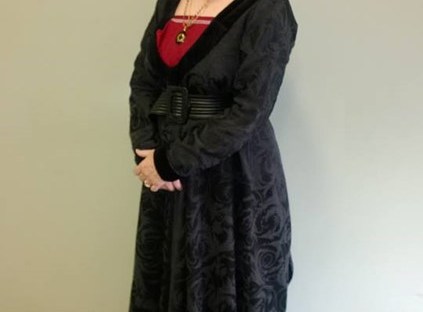
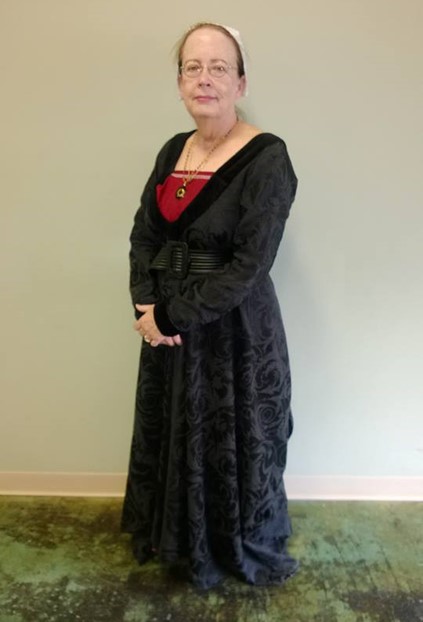
This is a more simple form of the dress and worn on a warmer day.  The under layers are simplified and the dress is not as full. Made out of brocaded cotton fabric with a black velvet collar and the red placket exposed by the neckline.

Inspiration Images

Common Materials

  • Fabrics:
    • Gown –
      • wools,
      • finely woven wools,
      • brocaded or patterned cloths.  Rich textiles,
      • collars featuring velvets and furs. 
      • Fur trim
    • Kirtle –
      • wool
      • linen
    • Underclothes
      • linen
  • Ornamentation:

Effective Substitutions

  • Fabrics:
    • Gown
      • Some cottons
      • linens
      • Linen blends wool blends
      • brocades
      • some poly/cotton upholstery fabrics to achieve the woven in patterns. 
    • Kirtle
      • Linen and linen blends
      • some cottons to lighten the under layers
    • Underclothes
      • Linen
      • Linen blends
      • cottons
  • Ornamentation:

Ensemble Components

  • Under layers – shift/slip or some form of underdress
  • gown. 

  • fitted kirtle

Accessories

  • Key accessories include the wide belt often made from fabrics as well as many examples of different styles of hats, many becoming elaborate. 
  • This is the time of the Henin hat that becomes the stereotypical ‘princess’ hat, various low shoes or slippers, pouches or purses.

Source/Links

http://cadieux.mediumaevum.com/burgundian-gown.html

https://adamselindisdress.blog/2014/06/02/how-to-make-a-kirtle-and-a-burgundian-gown/

https://dawnsdressdiary.wordpress.com/2018/01/25/burgundian-v-neck-gown-research/

Version2
date3/2/2021
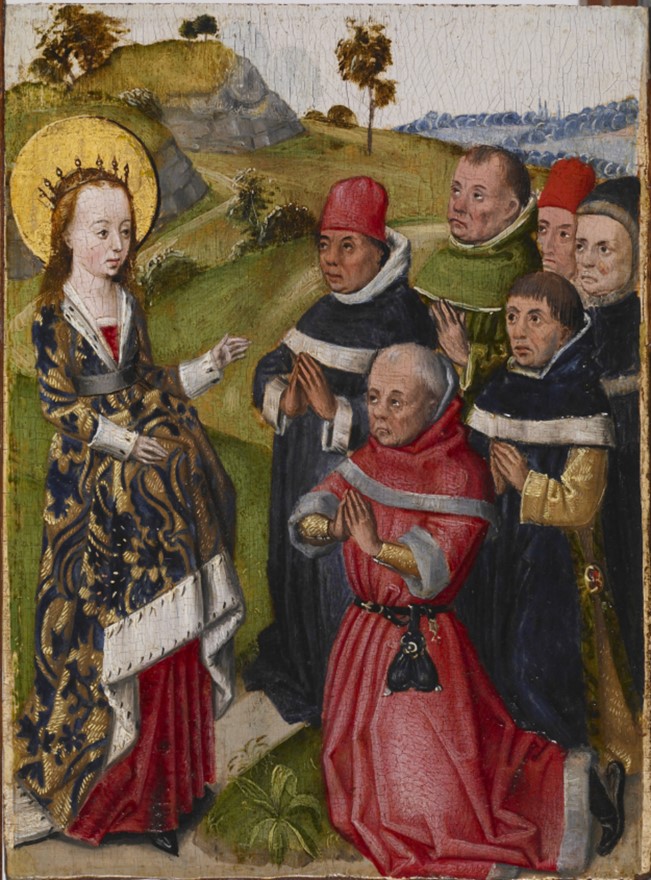
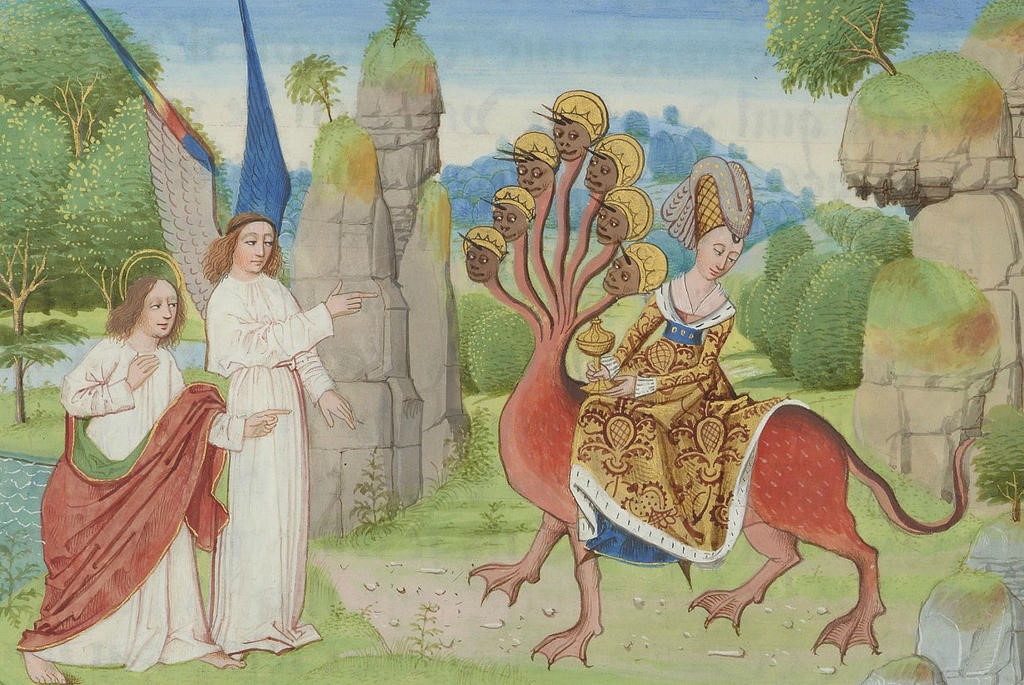
Source of Period PicThe Whore of Babylon. 1470. Pierpont Morgan MS M.68. Saint Catherine converting the Scholars. Walters Art Museum 37.2487.
Model Jehanne Bening
PhotographerVincent De Vere
  

Female, Full Entry

1450 CE Female Burgundian Gown 2

Title1450 CE Female Burgundian Gown 2
Entry #GGB2021.068
Alternate Names V neck gown, gown
Year1450
Time range1450-1500
EraLate Medieval
GenderFemale
regionNorthern Europe
Countries/culturesFrance
MakerVincent de Vere
Difficulty3
ConfidenceImage Examples

Intro:

“A” shaped dress with “V” shaped neckline, fitted in the torso and spreading widely, often with train from the waist.  Wide belt at waist.  Worn over fitted kirtle.

Additional Images of the completed garment:

Description:

One of the garments that there are many image examples for as this is a time of many surviving artworks.  A style of dress seen in many Flemish paintings that show a common set of features including fitted torso with deeply plunging neckline and collar with contrasting fabric or fur lining. The deep neckline displayed an under placket or partlet or kirtle, some displayed without.  Sleeves often shown with lined cuffs that are rolled back on the sleeve.  Most show no seam at waist or a wide belt covering any such seam.  More examples of images showing the waist seam appear closer to 1500CE. Many are displayed as being lined

Under layers would commonly include a shift, slip or some form of underdress, covered by a fitted kirtle and then covered by the gown. 

Key accessories include the wide belt often made from fabrics as well as many examples of different styles of hats, many becoming elaborate. 

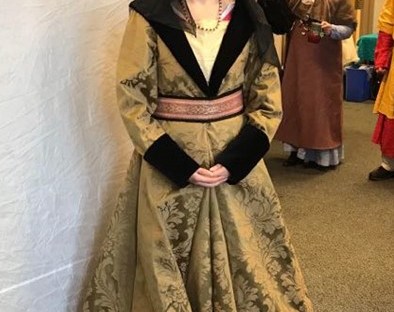
This dress is poly cotton blend brocade with cotton velvet collar and cuffs, red linen kirtle, white linen shift. A yellow silk placket covers most of the red kirtle at the plunging neckline

Inspiration Images

Common Materials

  • Fabrics:
    • Gown –
      • wools,
      • finely woven wools,
      • brocaded or patterned cloths.  Rich textiles,
      • collars featuring velvets and furs. 
      • Fur trim
    • Kirtle –
      • wool
      • linen
    • Underclothes
      • linen
  • Ornamentation:

Effective Substitutions

  • Fabrics:
    • Gown
      • Some cottons
      • linens
      • Linen blends wool blends
      • brocades
      • some poly/cotton upholstery fabrics to achieve the woven in patterns. 
    • Kirtle
      • Linen and linen blends
      • some cottons to lighten the under layers
    • Underclothes
      • Linen
      • Linen blends
      • cottons
  • Ornamentation:

Ensemble Components

  • Under layers – shift/slip or some form of underdress
  • gown. 

  • fitted kirtle

Accessories

  • Key accessories include the wide belt often made from fabrics as well as many examples of different styles of hats, many becoming elaborate. 
  • This is the time of the Henin hat that becomes the stereotypical ‘princess’ hat, various low shoes or slippers, pouches or purses.

Source/Links

http://cadieux.mediumaevum.com/burgundian-gown.html

https://adamselindisdress.blog/2014/06/02/how-to-make-a-kirtle-and-a-burgundian-gown/

https://dawnsdressdiary.wordpress.com/2018/01/25/burgundian-v-neck-gown-research/

Version2
date3/2/2021
Source of Period PicThe Whore of Babylon. 1470. Pierpont Morgan MS M.68. Saint Catherine converting the Scholars. Walters Art Museum 37.2487.
ModelKristen Wereszynski
PhotographerVincent De Vere