Basic Entry, Female

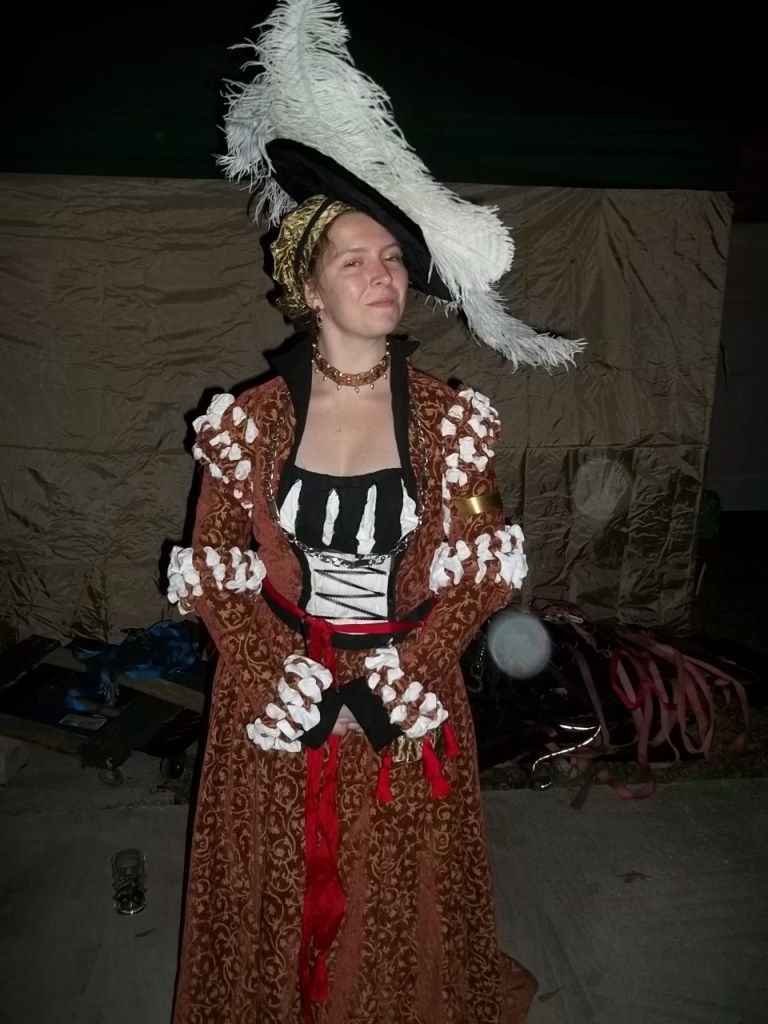
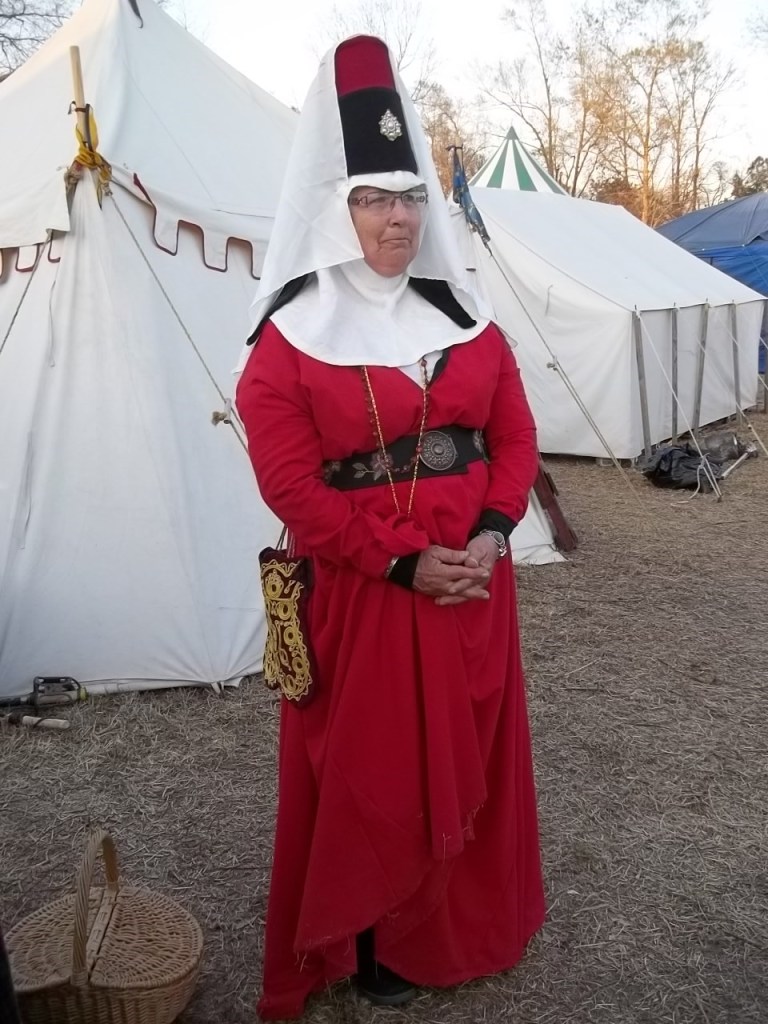
1450 CE Female Burgundian Gown 3

Title1450 CE Female Burgundian Gown 3
Entry #GGB2021.069
Alternate Names V neck gown, gown
Year1450
Time range1450-1500
EraLate Medieval
GenderFemale
regionNorthern Europe
Countries/culturesFrance
Maker
Difficulty3
ConfidenceImage Examples

Intro:

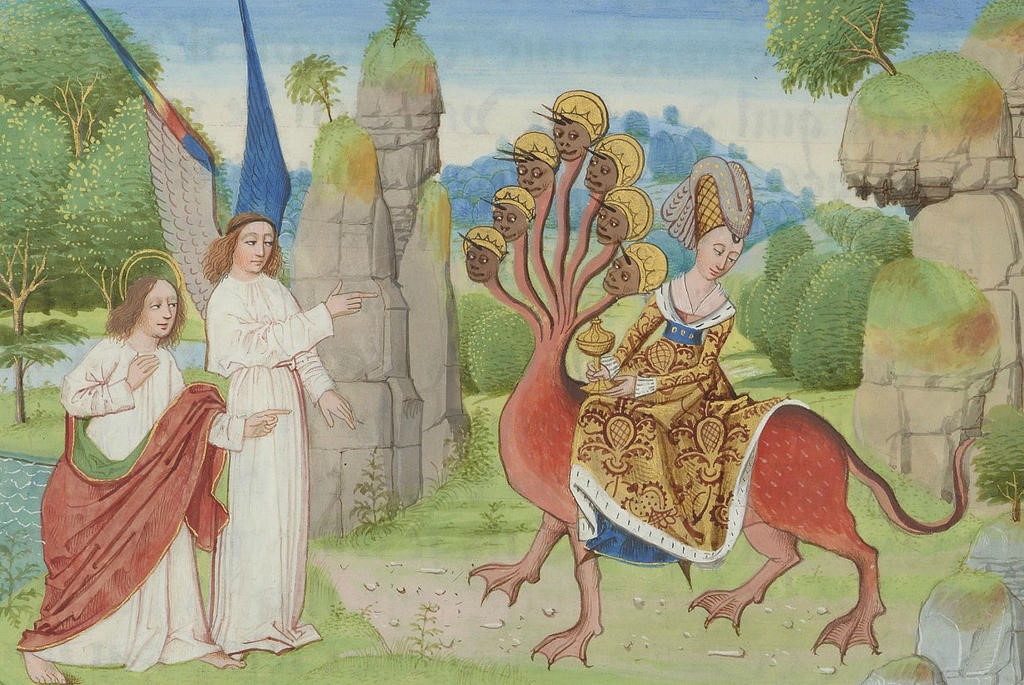
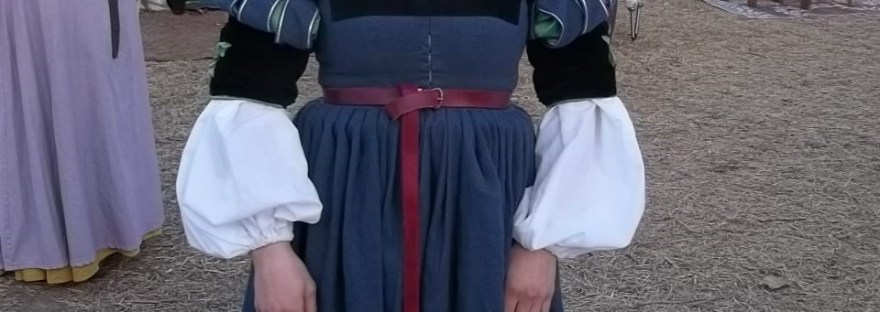
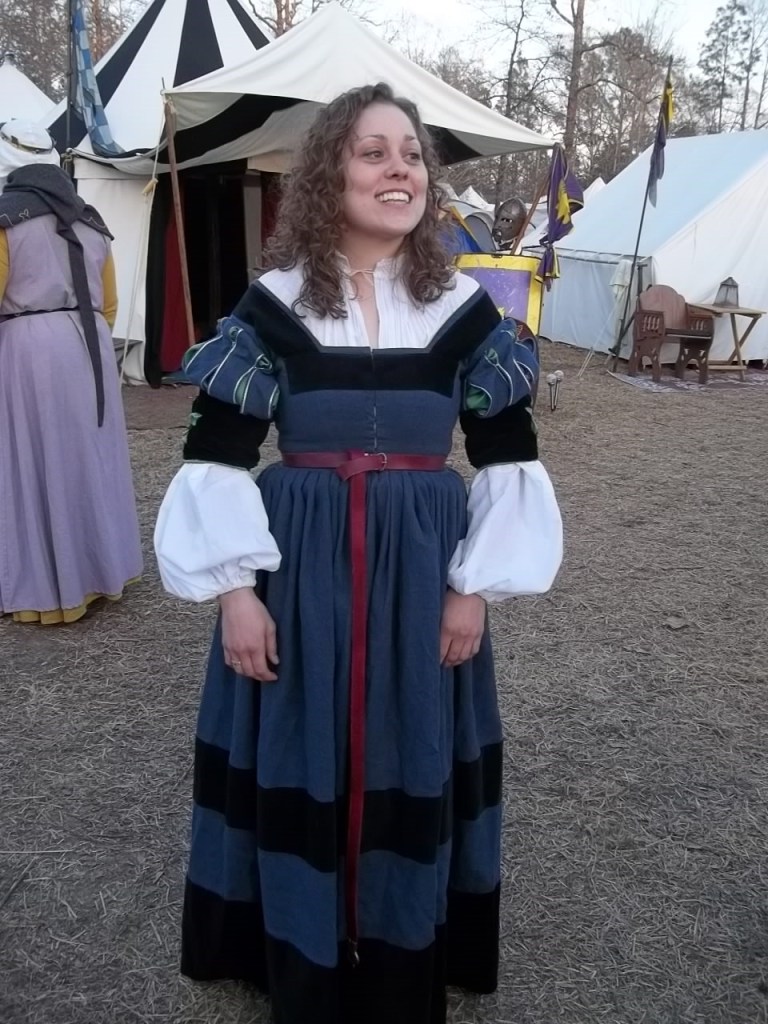
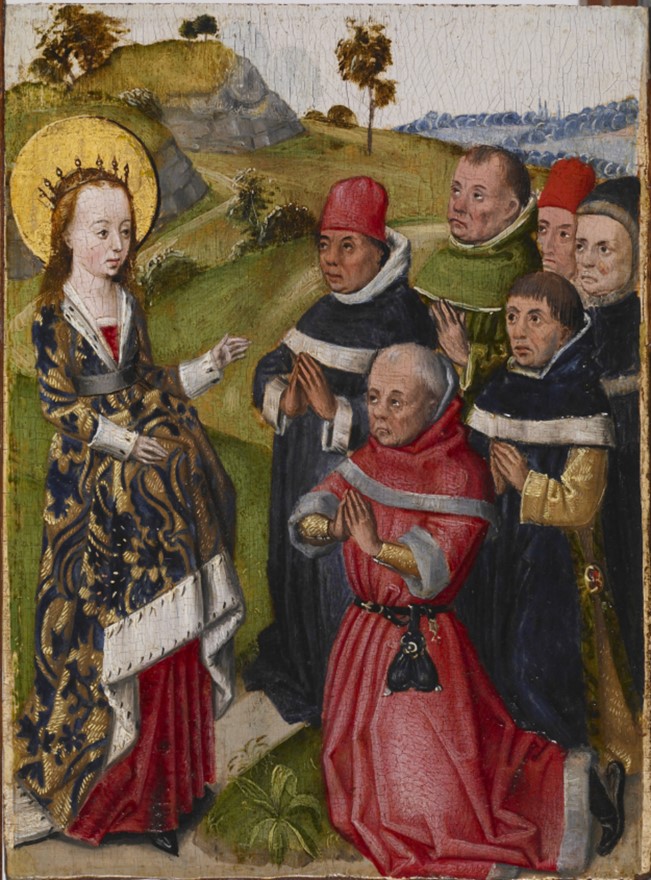
“A” shaped dress with “V” shaped neckline, fitted in the torso and spreading widely, often with train from the waist.  Wide belt at waist.  Worn over fitted kirtle.

Description:

One of the garments that there are many image examples for as this is a time of many surviving artworks.  A style of dress seen in many Flemish paintings that show a common set of features including fitted torso with deeply plunging neckline and collar with contrasting fabric or fur lining. The deep neckline displayed an under placket or partlet or kirtle, some displayed without.  Sleeves often shown with lined cuffs that are rolled back on the sleeve.  Most show no seam at waist or a wide belt covering any such seam.  More examples of images showing the waist seam appear closer to 1500CE. Many are displayed as being lined

Under layers would commonly include a shift, slip or some form of underdress, covered by a fitted kirtle and then covered by the gown. 

Key accessories include the wide belt often made from fabrics as well as many examples of different styles of hats, many becoming elaborate. 

This dress is poly cotton blend brocade with cotton velvet collar and cuffs, red linen kirtle, white linen shift. A yellow silk placket covers most of the red kirtle at the plunging neckline

Inspiration Images
Common Materials

  • Fabrics:
    • Gown –
      • wools,
      • finely woven wools,
      • brocaded or patterned cloths.  Rich textiles,
      • collars featuring velvets and furs. 
      • Fur trim
    • Kirtle –
      • wool
      • linen
    • Underclothes
      • linen
  • Ornamentation:

Effective Substitutions

  • Fabrics:
    • Gown
      • Some cottons
      • linens
      • Linen blends wool blends
      • brocades
      • some poly/cotton upholstery fabrics to achieve the woven in patterns. 
    • Kirtle
      • Linen and linen blends
      • some cottons to lighten the under layers
    • Underclothes
      • Linen
      • Linen blends
      • cottons
  • Ornamentation:

Ensemble Components

  • Under layers – shift/slip or some form of underdress
  • gown. 

  • fitted kirtle

Accessories

  • Key accessories include the wide belt often made from fabrics as well as many examples of different styles of hats, many becoming elaborate. 
  • This is the time of the Henin hat that becomes the stereotypical ‘princess’ hat, various low shoes or slippers, pouches or purses.

Source/Links

http://cadieux.mediumaevum.com/burgundian-gown.html

https://adamselindisdress.blog/2014/06/02/how-to-make-a-kirtle-and-a-burgundian-gown/

https://dawnsdressdiary.wordpress.com/2018/01/25/burgundian-v-neck-gown-research/

Version2
date3/2/2021
Source of Period PicThe Whore of Babylon. 1470. Pierpont Morgan MS M.68. Saint Catherine converting the Scholars. Walters Art Museum 37.2487.
ModelKristen Wereszynski
PhotographerVincent De Vere
  

Female, Full Entry

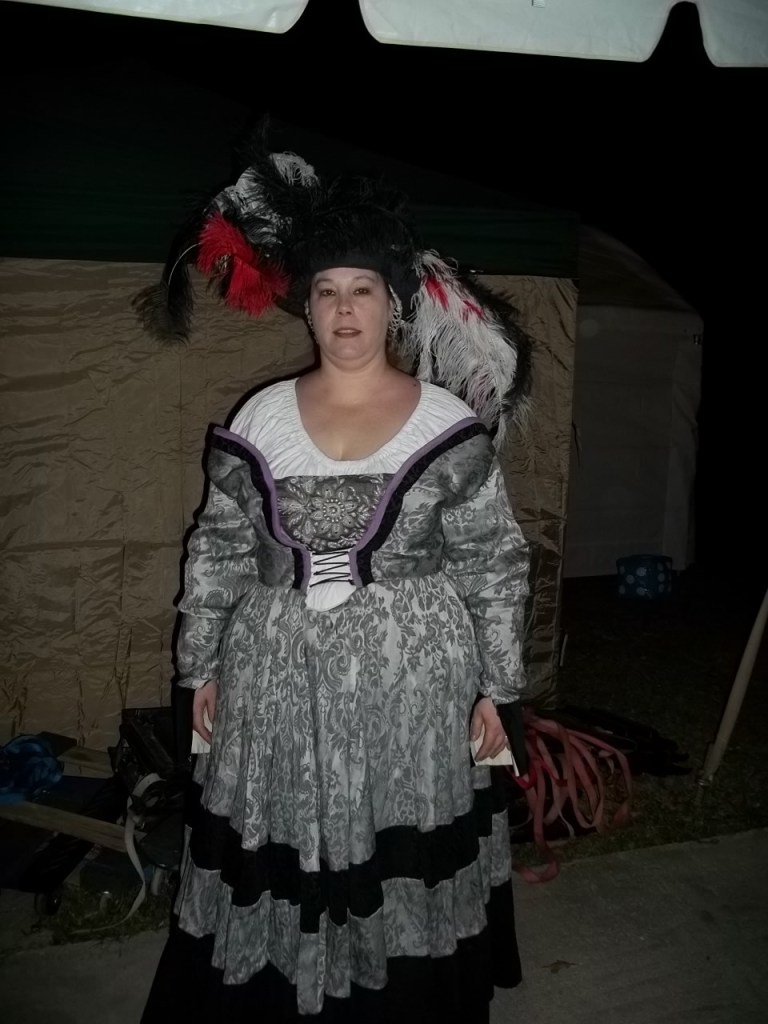
1550 Female German Cranach Gown 4

Title: 1550 Female German Cranach Gown 4
Entry #: GGB2021.077
Alternate Names: Kampfrau, Trossfrau, Cranach, Saxony Court gown 
Year: 1550
Time range: 1470-1550
Era: Late medieval
Gender: Female
region: Central europe
Countries/cultures: Germany/Switzerland 
Maker: Katherine de Heilige
Difficulty: 5
Confidence: Image Example

Intro:

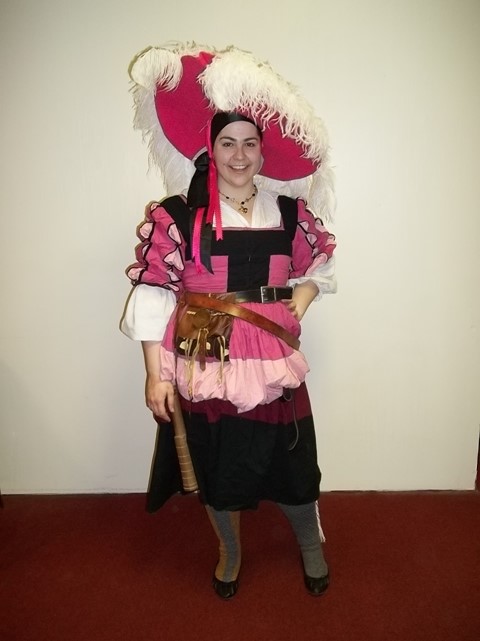
The very stylized and flamboyant dress style seen in the SCA related to the Saxony (German) and Swiss court gowns worn by the women who followed the Landsknecht mercenary forces.  (May imply someone with a dubious occupation.) 

Description:

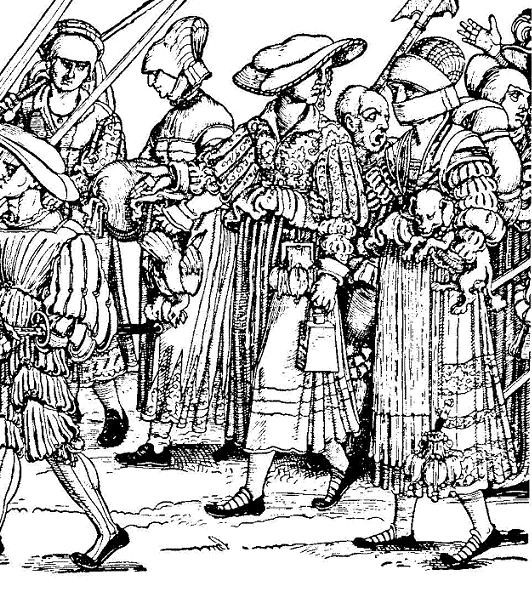
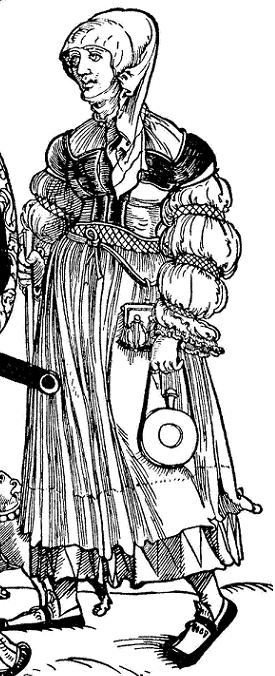
Highly ornamented and fanciful takes on the German and Saxony court dresses worn by flamboyant camp followers living off the spoils of war. Landsknechts and their women were not constrained by (or ignored) some of the sumptuary laws governing what people can wear.

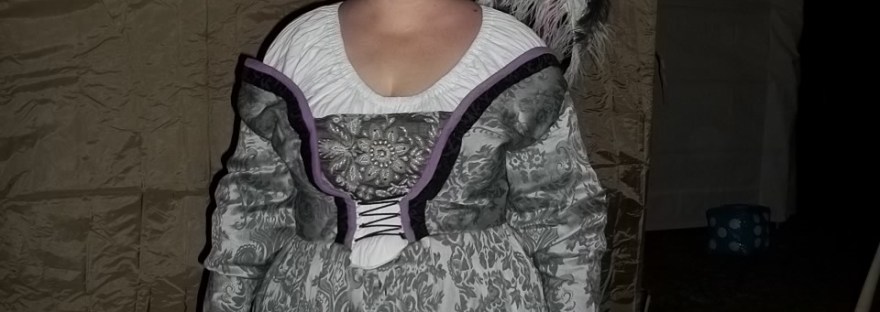
Many of the outer garments were made from wool.  Contrasting color collars and cuffs, bight colors, rich fabrics.  No two looking the same.  Bodice laced shut exposing layers underneath.  Some necklines are very wide creating garments nearly falling off the shoulders.  Long and short sleeves are seen.  Many garments ‘slashed’ to expose layers underneath sleeves

Roll pleated skirt which could be hiked up into the belt for ease of movement but also exposing their legs. Many illustrations also show stripes of fabric parallel to the hem line on the skirts.   Patterned stockings are seen in some illustrations.  “Cow mouth” shoes with a wide toe area.

Note on Names:

Cranach – last name or two painters associated with this style

Tross – the camp followers of the mercenaries

Trossfrau/kampfrau – (maybe) a modern name given to the ‘wives’ of the mercenaries

It’s cool but read up on the culture before deciding to make one.

Inspiration Images

Common Materials

  • Fabrics:
    • Wool main garments in bright colors, vivid patterns, rich fabrics added as trim. 
    • Silks, velvets,
    • A lot of fabric to make the dresses. 
  • Ornamentation:
    • Knitted stockings
    • linen undergarments

Effective Substitutions

  • Fabrics:
    • Some poly/cotton brocades to simulate the rich fabrics. 
    • Wool blends are easier to find. 
    • Linen blends and cottons for undergarments. 
    • Very hard to make these dresses look right without investing in the right materials.
  • Ornamentation:

Ensemble Components

  • Gown – bodice and attached skirt
  • Placket over breasts
  • underdress

  • stockings
  • hats, including large, feathered hats

Accessories

  • Retailers catering to reenactors sell the cow mouth shoes and striped stockings in vibrant colors
  • Belts
  • pouch/purse.

Source/Links

https://sophie-stitches.weebly.com/german-saxon-cranach-gown.html

Version: 2
date: 3/2/21
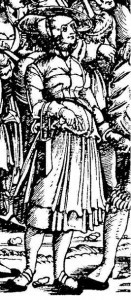
Source of Period Pic: Women and Knaves, 1530CE Max Geisberg, Army Train, 1532CE Edhard Schoen
Model: Katherine de Heilige
Photographer: Vincent De Vere
  

Female, Full Entry

1550 Female German Cranach Gown 3

Title: 1550 Female German Cranach Gown 3
Entry #: GGB2021.075
Alternate Names: Kampfrau, Trossfrau, Cranach, Saxony Court gown 
Year: 1550
Time range: 1470-1550
Era: Late medieval
Gender: Female
region: Central europe
Countries/cultures: Germany/Switzerland 
Maker: Katherine de Heilige
Difficulty: 5
Confidence: Image Example

Intro:

The very stylized and flamboyant dress style seen in the SCA related to the Saxony (German) and Swiss court gowns worn by the women who followed the Landsknecht mercenary forces.  (May imply someone with a dubious occupation.) 

Description:

Highly ornamented and fanciful takes on the German and Saxony court dresses worn by flamboyant camp followers living off the spoils of war. Landsknechts and their women were not constrained by (or ignored) some of the sumptuary laws governing what people can wear.

Many of the outer garments were made from wool.  Contrasting color collars and cuffs, bight colors, rich fabrics.  No two looking the same.  Bodice laced shut exposing layers underneath.  Some necklines are very wide creating garments nearly falling off the shoulders.  Long and short sleeves are seen.  Many garments ‘slashed’ to expose layers underneath sleeves

Roll pleated skirt which could be hiked up into the belt for ease of movement but also exposing their legs. Many illustrations also show stripes of fabric parallel to the hem line on the skirts.   Patterned stockings are seen in some illustrations.  “Cow mouth” shoes with a wide toe area.

Note on Names:

Cranach – last name or two painters associated with this style

Tross – the camp followers of the mercenaries

Trossfrau/kampfrau – (maybe) a modern name given to the ‘wives’ of the mercenaries

It’s cool but read up on the culture before deciding to make one.

Inspiration Images

Common Materials

  • Fabrics:
    • Wool main garments in bright colors, vivid patterns, rich fabrics added as trim. 
    • Silks, velvets,
    • A lot of fabric to make the dresses. 
  • Ornamentation:
    • Knitted stockings
    • linen undergarments

Effective Substitutions

  • Fabrics:
    • Some poly/cotton brocades to simulate the rich fabrics. 
    • Wool blends are easier to find. 
    • Linen blends and cottons for undergarments. 
    • Very hard to make these dresses look right without investing in the right materials.
  • Ornamentation:

Ensemble Components

  • Gown – bodice and attached skirt
  • Placket over breasts
  • underdress

  • stockings
  • hats, including large, feathered hats

Accessories

  • Retailers catering to reenactors sell the cow mouth shoes and striped stockings in vibrant colors
  • Belts
  • pouch/purse.

Source/Links

https://sophie-stitches.weebly.com/german-saxon-cranach-gown.html

Version: 2
date: 3/2/21
Source of Period Pic: Women and Knaves, 1530CE Max Geisberg, Army Train, 1532CE Edhard Schoen
Model: Emma Ness
Photographer: Vincent De Vere
  

Female, Full Entry

1550 Female German Cranach Gown 2

Title: 1550 Female German Cranach Gown 2
Entry #: GGB2021.075
Alternate Names: Kampfrau, Trossfrau, Cranach, Saxony Court gown 
Year: 1550
Time range: 1470-1550
Era: Late medieval
Gender: Female
region: Central europe
Countries/cultures: Germany/Switzerland 
Maker: Appolonia von Bremen
Difficulty: 5
Confidence: Image Example

Intro:

The very stylized and flamboyant dress style seen in the SCA related to the Saxony (German) and Swiss court gowns worn by the women who followed the Landsknecht mercenary forces.  (May imply someone with a dubious occupation.) 

Description:

Highly ornamented and fanciful takes on the German and Saxony court dresses worn by flamboyant camp followers living off the spoils of war. Landsknechts and their women were not constrained by (or ignored) some of the sumptuary laws governing what people can wear.

Many of the outer garments were made from wool.  Contrasting color collars and cuffs, bight colors, rich fabrics.  No two looking the same.  Bodice laced shut exposing layers underneath.  Some necklines are very wide creating garments nearly falling off the shoulders.  Long and short sleeves are seen.  Many garments ‘slashed’ to expose layers underneath sleeves

Roll pleated skirt which could be hiked up into the belt for ease of movement but also exposing their legs. Many illustrations also show stripes of fabric parallel to the hem line on the skirts.   Patterned stockings are seen in some illustrations.  “Cow mouth” shoes with a wide toe area.

Note on Names:

Cranach – last name or two painters associated with this style

Tross – the camp followers of the mercenaries

Trossfrau/kampfrau – (maybe) a modern name given to the ‘wives’ of the mercenaries

It’s cool but read up on the culture before deciding to make one.

Inspiration Images

Common Materials

  • Fabrics:
    • Wool main garments in bright colors, vivid patterns, rich fabrics added as trim. 
    • Silks, velvets,
    • A lot of fabric to make the dresses. 
  • Ornamentation:
    • Knitted stockings
    • linen undergarments

Effective Substitutions

  • Fabrics:
    • Some poly/cotton brocades to simulate the rich fabrics. 
    • Wool blends are easier to find. 
    • Linen blends and cottons for undergarments. 
    • Very hard to make these dresses look right without investing in the right materials.
  • Ornamentation:

Ensemble Components

  • Gown – bodice and attached skirt
  • Placket over breasts
  • underdress

  • stockings
  • hats, including large, feathered hats

Accessories

  • Retailers catering to reenactors sell the cow mouth shoes and striped stockings in vibrant colors
  • Belts
  • pouch/purse.

Source/Links

https://sophie-stitches.weebly.com/german-saxon-cranach-gown.html

Version: 2
date: 3/2/21
Source of Period Pic: Women and Knaves, 1530CE Max Geisberg, Army Train, 1532CE Edhard Schoen
Model: Bearcat
Photographer: Vincent De Vere
  

Female, Full Entry

1550 Female German Cranach Gown 1

Title: 1550 Female German Cranach Gown 1
Entry #: GGB2021.074
Alternate Names: Kampfrau, Trossfrau, Cranach, Saxony Court gown 
Year: 1550
Time range: 1470-1550
Era: Late medieval
Gender: Female
region: Central europe
Countries/cultures: Germany/Switzerland 
Maker: Bearcat
Difficulty: 5
Confidence: Image Example

Intro:

The very stylized and flamboyant dress style seen in the SCA related to the Saxony (German) and Swiss court gowns worn by the women who followed the Landsknecht mercenary forces.  (May imply someone with a dubious occupation.) 

Description:

Highly ornamented and fanciful takes on the German and Saxony court dresses worn by flamboyant camp followers living off the spoils of war. Landsknechts and their women were not constrained by (or ignored) some of the sumptuary laws governing what people can wear.

Many of the outer garments were made from wool.  Contrasting color collars and cuffs, bight colors, rich fabrics.  No two looking the same.  Bodice laced shut exposing layers underneath.  Some necklines are very wide creating garments nearly falling off the shoulders.  Long and short sleeves are seen.  Many garments ‘slashed’ to expose layers underneath sleeves

Roll pleated skirt which could be hiked up into the belt for ease of movement but also exposing their legs. Many illustrations also show stripes of fabric parallel to the hem line on the skirts.   Patterned stockings are seen in some illustrations.  “Cow mouth” shoes with a wide toe area.

Note on Names:

Cranach – last name or two painters associated with this style

Tross – the camp followers of the mercenaries

Trossfrau/kampfrau – (maybe) a modern name given to the ‘wives’ of the mercenaries

It’s cool but read up on the culture before deciding to make one.

Inspiration Images

Common Materials

  • Fabrics:
    • Wool main garments in bright colors, vivid patterns, rich fabrics added as trim. 
    • Silks, velvets,
    • A lot of fabric to make the dresses. 
  • Ornamentation:
    • Knitted stockings
    • linen undergarments

Effective Substitutions

  • Fabrics:
    • Some poly/cotton brocades to simulate the rich fabrics. 
    • Wool blends are easier to find. 
    • Linen blends and cottons for undergarments. 
    • Very hard to make these dresses look right without investing in the right materials.
  • Ornamentation:

Ensemble Components

  • Gown – bodice and attached skirt
  • Placket over breasts
  • underdress

  • stockings
  • hats, including large, feathered hats

Accessories

  • Retailers catering to reenactors sell the cow mouth shoes and striped stockings in vibrant colors
  • Belts
  • pouch/purse.

Source/Links

https://sophie-stitches.weebly.com/german-saxon-cranach-gown.html

Version: 2
date: 3/2/21
Source of Period Pic: Women and Knaves, 1530CE Max Geisberg, Army Train, 1532CE Edhard Schoen
Model: Bearcat
Photographer: Vincent De Vere
  

Component Entry, Female

Apron, pleated

TitleApron, gathered
Entry #GGC2021.017
Alternate NamesApron
Year1000-1600 CE
Time range1000-1600 CE
Erahigh Medieval, Late Medieval
Genderwomen
regionEuropean
Countries/culturesWestern European, Central European
MakerVincent De Vere,
Difficulty2
ConfidenceImage Example

Intro:

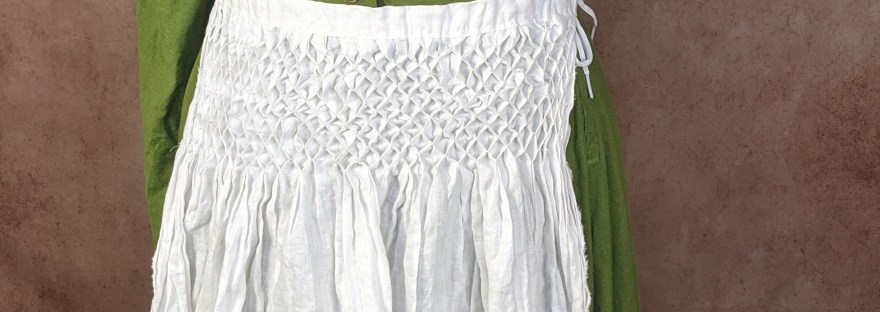
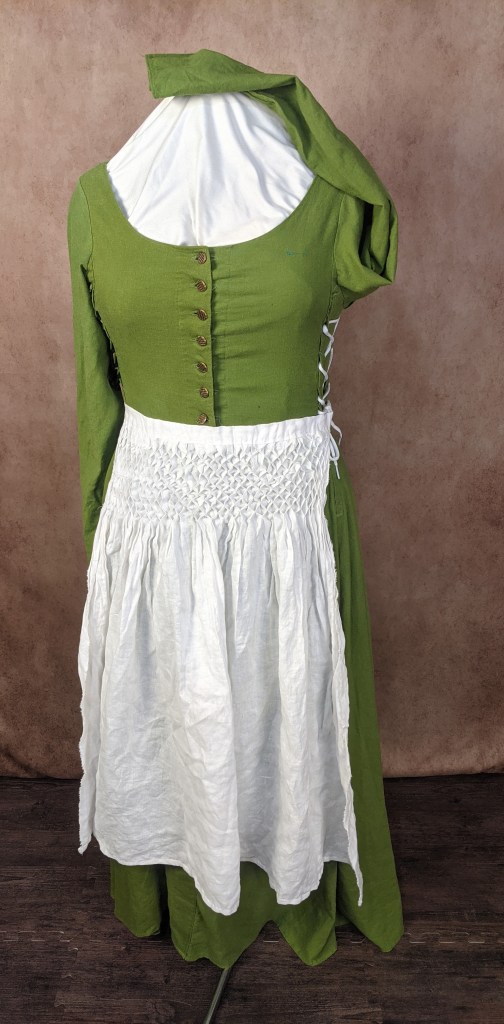
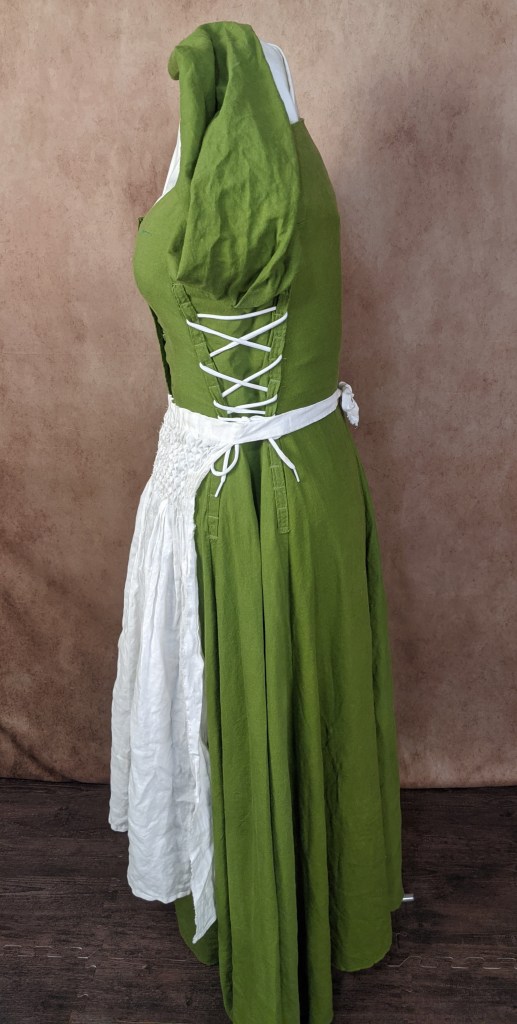
Apron made from one yard of linen fabric featuring honeycomb pleating decoration.                                    

Description:

This apron is made from three pieces with two long narrow strips sewn into the waistband and one large rectangle decorated with honeycomb pleating.

Aprons are easily constructed accessories that are also functional accessories to use with your SCA clothing.  They can easily be made in a few minutes by machine or just a couple hours by hand.  They add to the completeness of an ensemble by adding another layer to the look.  They are also very functional in protecting the clothing beneath it.

The honeycomb pleating makes this apron appear much more complex but the decoration can be done in a few hours of work and makes a much more decorative accessory.  

Inspiration Images

Common Materials

  • Fabrics:
    • Linen  

Effective Substitutions

  • Fabrics:
    • linen blends
    • Linen
    • cotton
    • cotton blends

Ensemble Components

  •  

Accessories

Source/Links

woodcut Tailor and Seamstress by Erhard Schon, 1525-1530

These are images from the The German single-leaf woodcut, 1500-1550, Max Geisberg ; rev. and edited by Walter L. Strauss, New York : Hacker Art Books, 1974.

Version1
date12/30/2021
Source of Period PicThe German single-leaf woodcut,
Model Vincent de Vere
PhotographerVincent De Vere
  
Female, Full Entry

1550 CE English Female Henrician Gown 1

Title1550 CE English Female Henrician Gown 1
Entry #GGB2021.093
Alternate Names Tudor Gown
Year1550
Time range1530-1575 CE
EraHenrician
GenderFemale
regionWestern Europe
Countries/culturesEnglish
MakerJacquette de Brackeleire
Difficulty3
ConfidenceImage Examples

Intro:

Hourglass Shaped Gown with Large Sleeves & Detachable Under Sleeves

Description:

Main Body:

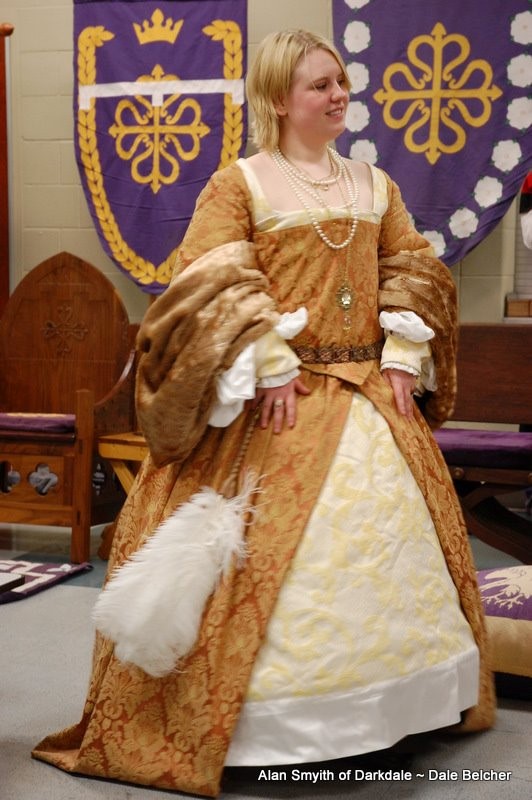
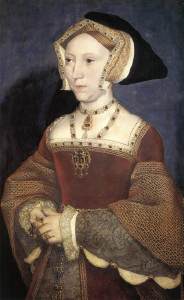
 This style of dress is an evolutionary phase within the 16th century that is influenced by Spanish and German styles.  The silhouette has an hourglass shape: the bodice narrowed to a small waistline and the skirt gradually expanding into an inverted cone shape. Many of these dresses were floor length and without a train. 

To achieve the cone shaped appearance required a supportive layer called the Spanish farthingale which was worn over the chemise. A pair of bodies was worn with the farthingale and over the chemise.  The front of the overdress would have an inverted V opening and the neckline was square with highly decorative jewels or trim on the edging.  The sleeves were narrowed at the shoulder and expanded outward (normally a wide square cuff) that was turned back on itself.  This cuff could be made of fur or brocade.  A detachable, false sleeve was worn underneath and was decorated with panes and slashes through which the chemise could be seen or pulled through.

Inspiration Images

Common Materials

  • Fabrics:
    • Linen, Cotton, Wool, Silk, Brocade, Jacquard, Satin, and Taffeta*
    • *Some of the materials refer to weave structure and would have been made from natural fibers.
  • Additional:
    • Whalebone, cane, or steel for farthingale. Leather for shoes.

Effective Substitutions

  • Fabrics:
    • Some Polyester/cotton blended brocade, jacquard, satin, and taffeta.
    • linen blends and cottons for under layers
  • Additional:
    • Plastic, zip ties, and metal for boning.

Ensemble Components

  • Chemise: undermost garment that is cut full and gathered into a round or square neckline; with full, gathered sleeves and ruffled cuff.
  • Spanish Farthingale: a skirt separate or sewn to petticoat with hoops that gradient in size from the waist to floor.  Constructed with whalebone, cane, or steel hoops.
  • Pair of Bodies: corset or under bodice that has stays (boning) laced together at the front, back, or both.
  • Petticoat: an underskirt that is made with elaborate fabric which can be seen in the front opening of overdress.
  • Overdress/Bodice: narrowed, stiff, and flat with an elongated V that dips at the natural waist.
  • Overdress/Skirt: combined with the bodice; very full and gathered made of similar fabric to overdress bodice.
  • Head wear: Coif, French Hood, Square Hood
  • Shoes:  Fabric or leather square-toe.

Accessories

  • Needlepoint/bobbin lace
  • Embroidery/Blackwork
  • jewels/trim
  • jeweled belt
  • brooches
  • purses suspended from belt
  • squared or feather fans.

Source/Links

Tortora, P. (2010). Survey of Historic Costume. New York: Fairchild Books.

https://adamselindisdress.blog/tag/henrician-dress/

Version2
date3/2/2021
Source of Period Pichttps://www.wga.hu/html_m/h/holbein/hans_y/1535h/02seymou.html
ModelJacquette de Brackeleire
PhotographerAlan Smith of Darkdale
  

Basic Entry, Female

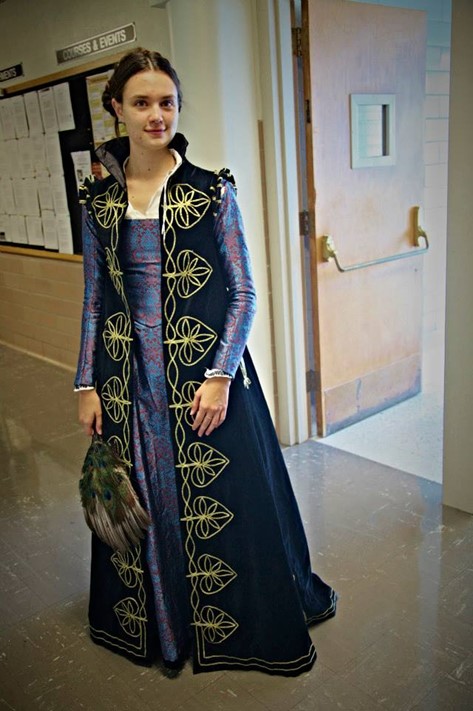
1560 CE Female Loose Gown and Kirtle

Title1565 English Elizabethan Gown 1
Entry #GGB2021.095
Alternate Names 
Year1560
Time range
Era
GenderFemale
region
Countries/cultures
MakerAvery Quatremaine
Difficulty4
ConfidenceImage Example

Intro:

Description:

Inspiration Images

Common Materials

Effective Substitutions

    •  

Ensemble Components

Accessories

Source/Links

Version2
date3/6/2021
Source of Period PicAvery Quartremaine
ModelHelena of Tor 031513-04
PhotographerVincent De Vere
  

Basic Entry, Female

1578 CE Female Wealthy Merchant Class Gown

TitleFemale Wealthy Merchant Class Gown
Entry #GGB2021.102
Alternate Names 
Year1578
Time range1578
EraElizabethan
Genderfemale
regionWestern europe
Countries/culturesEngland
MakerMary Elizebeth (Molly) Hathaway
Difficulty4
ConfidenceImage example

Intro:

The Elizabethan Gown is a decorated bodice and skirt worn over a chemise, corset and farthingale

Description:

No additional Information provided

Inspiration Images

Common Materials

  • Fabrics:
    • silk, satin, velvet, taffeta
  • Ornamentation:
    • bobbin lace, jewels, and embroidery

Effective Substitutions

  • Fabrics:
    • Heavy brocades, like upholstery fabrics, work well to give a rich look
    • Fancy bedspreads also work well for inserts
  • Ornamentation:
    • Buttons work well as jewels. 
    • Lace curtains sometimes look enough like bobbin lace to use

Ensemble Components

  • Chemise (high necked or low necked)
  • stockings
  • corset
  • outerskirt
  • bodice

  • farthingale (a bumroll can be added with the farthingale if wanted) 
  • underskirt
  • partlet
  • shoes

Accessories

  • snood, hat
  • strings of pearls or other jewels around the neck
  • choker necklace
  • rings, ear rings, gloves, girdle belt
  • ear rings
  • gloves
  • girdle belt
  • mirror hanging from the belt
  • decorative pouch hanging from the belt

Source/Links

Elizabeth of Valios by Alonso Sanchez Coello 1564

Elizabeth’s Wardrobe Unlocked by Janet Arnold

Elizabeth’s Wardrobe Unlocked  by Janet Arnold

1560 Elisabeth De Valois by Alonso Sanchez Coello…Grand Ladies  Web Page

Version2
date3/5/2021
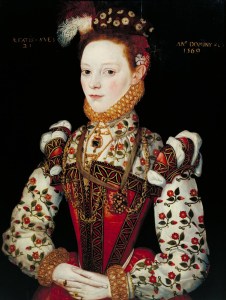
Source of Period PicA Young Lady Aged 21, Possibly Helena Snakenborg, Later Marchioness of Northampton 1569
Moderns version Made ByLaurie Coleman Downs
ModelMary Elizebeth (Molly) Hathaway 091413-10
PhotographerVincent De Vere
Entry #GGB2021.102

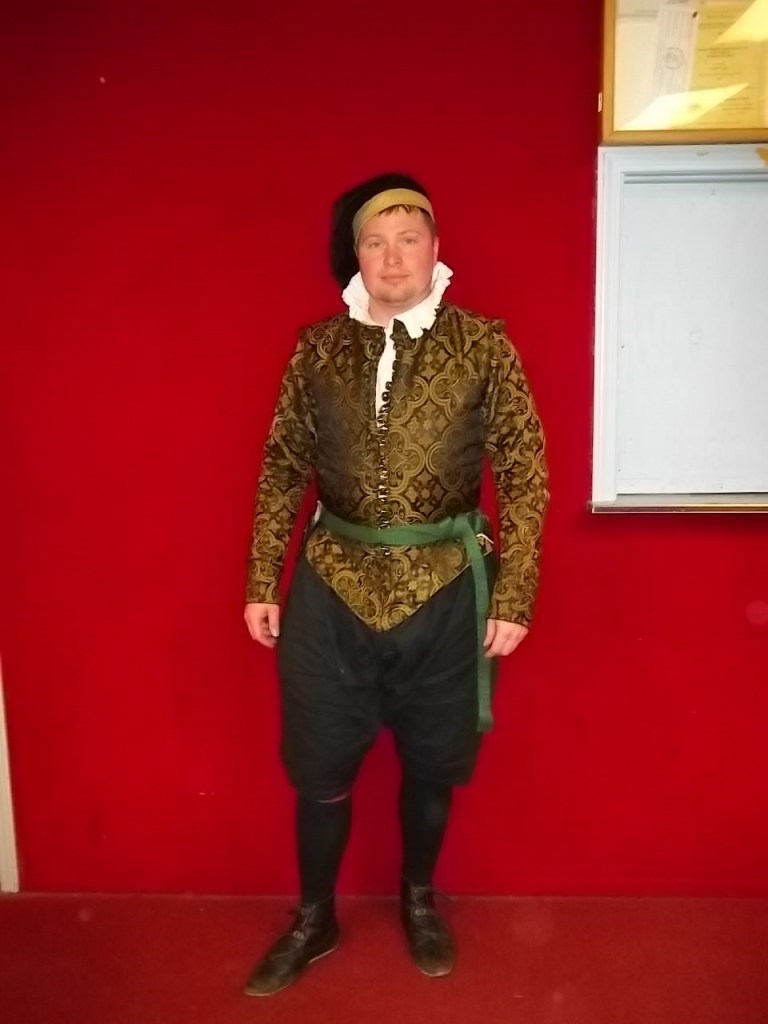
Basic Entry, Male

1500 CE Male Italian Doublet

Title
Entry #GGB2021.088
Alternate Names 
Year1500
Time range
EraItalian renaissance
GenderMale
regionSouthern Europe
Countries/culturesItaly
MakerKillian lo Schermidore
Difficulty4
ConfidenceExtant Examples

Intro:

No information provided

Description:

No information provided

Inspiration Images

No information provided

Common Materials

  • No information provided

Effective Substitutions

  • No information provided

Ensemble Components

  • No information provided

Accessories

  • No information provided

Source/Links

Version2
date3/6/2021
Source of Period Pic 
ModelKillian lo Schermidore 032213-06
PhotographerVincent De Vere