Component Entry, Female, Male, Unisex

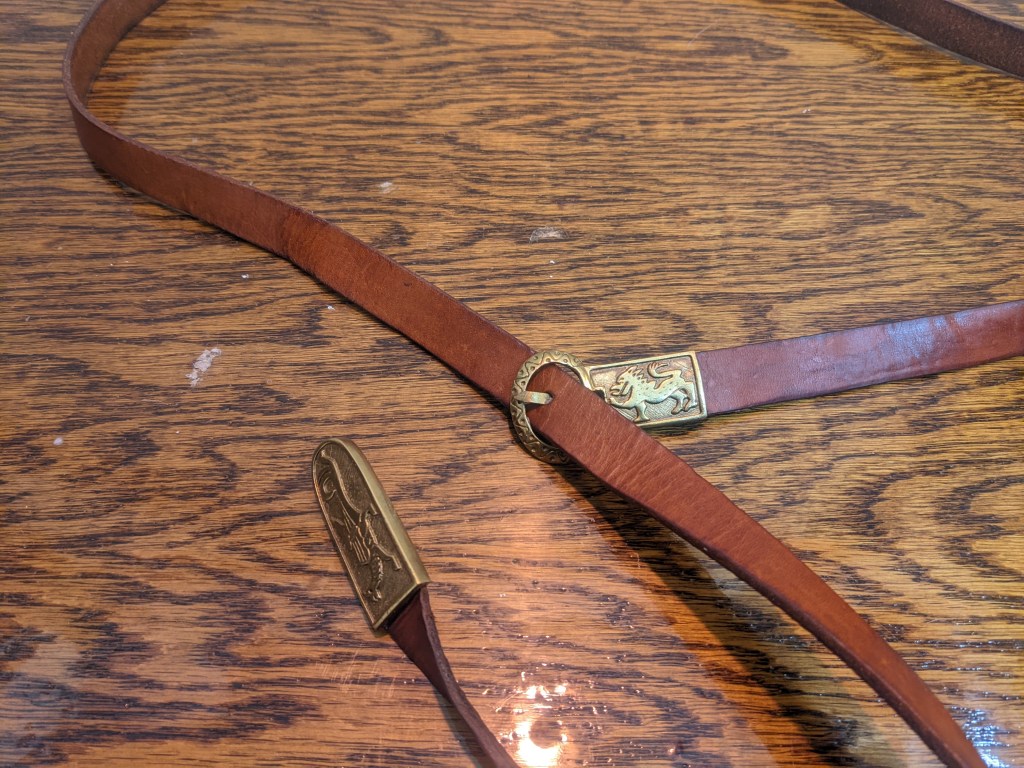
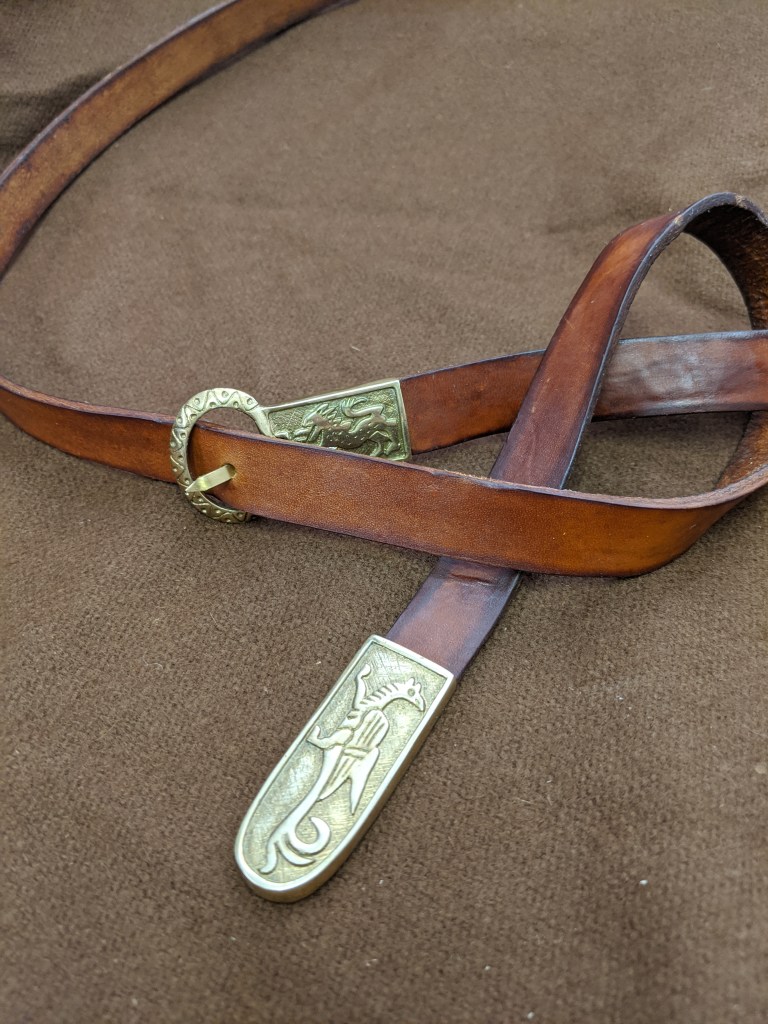
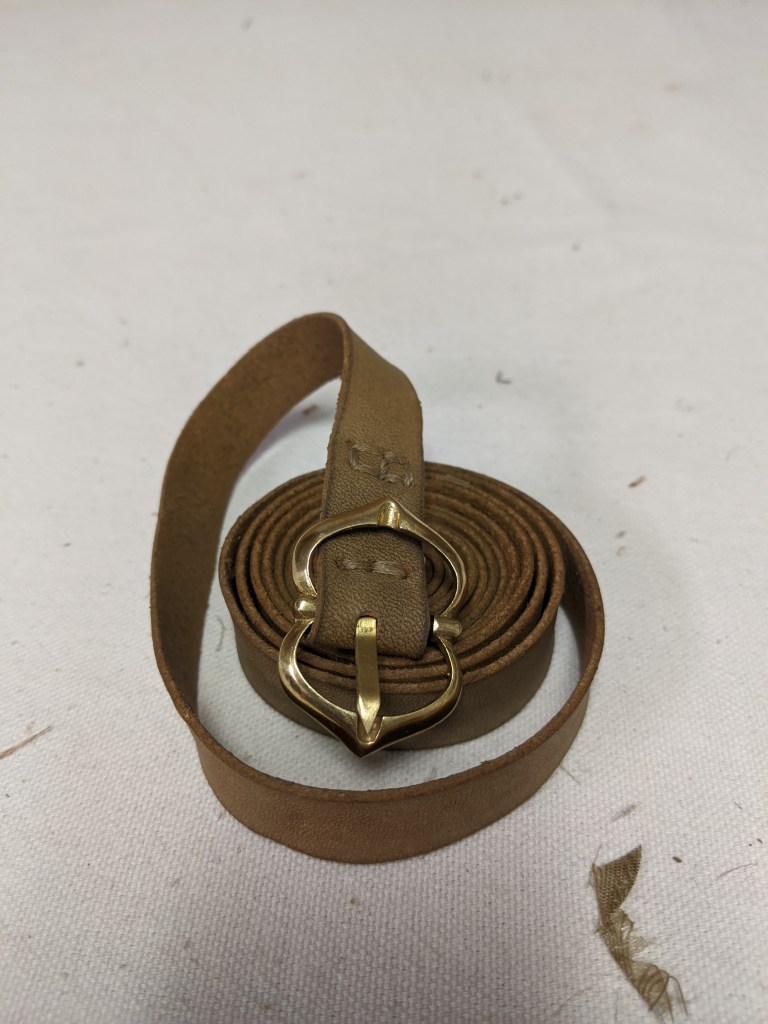
Narrow Belt with Reproduction Buckle

TitleNarrow Belt with Reproduction Buckle
Entry #GGC2021.032
Alternate NamesBelt
Year1066 CE
Time range1000-1200CE
EraHigh Medieval
GenderUnisex
regionEurope
Countries/culturesEurope
MakerVincent De Vere,
Difficulty1
ConfidenceExtant Example

Intro:

 Various belts.      

Description:

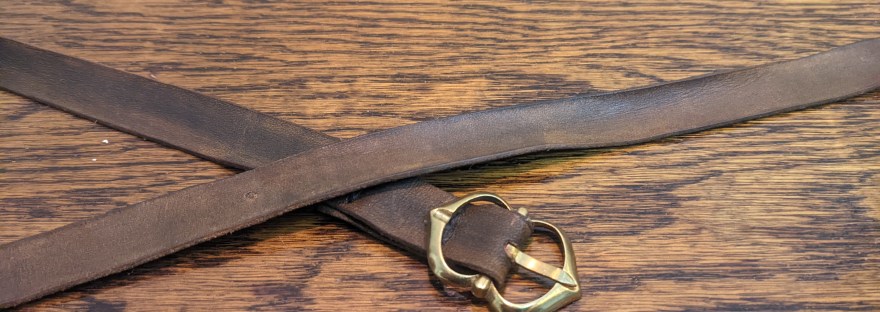
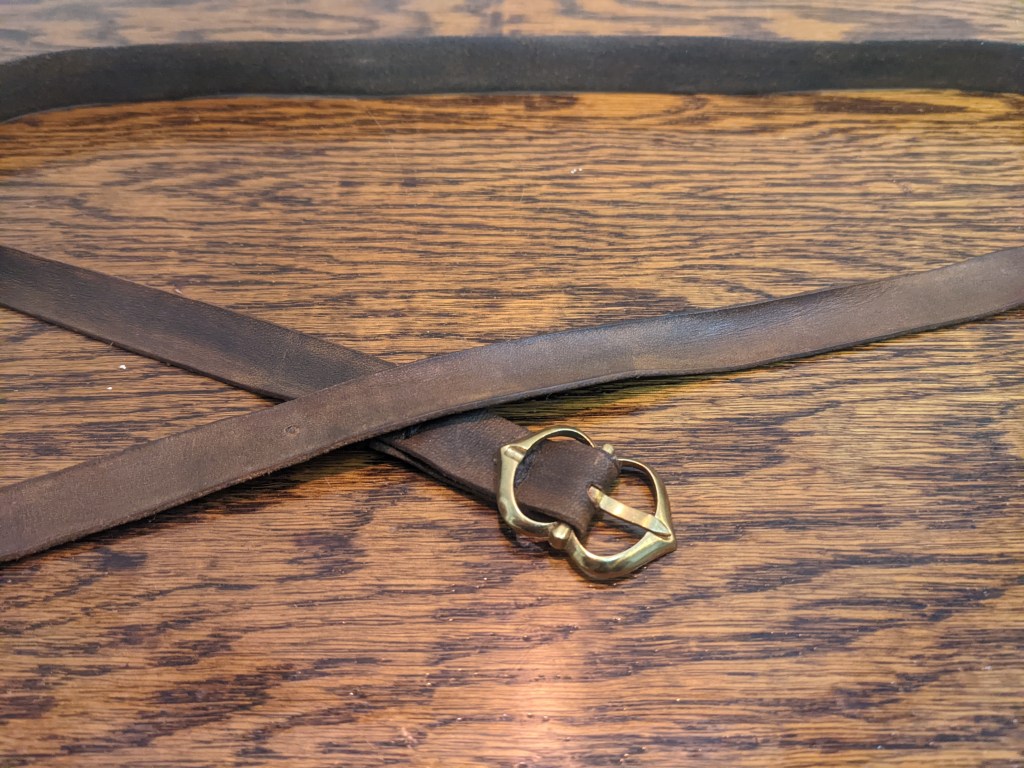
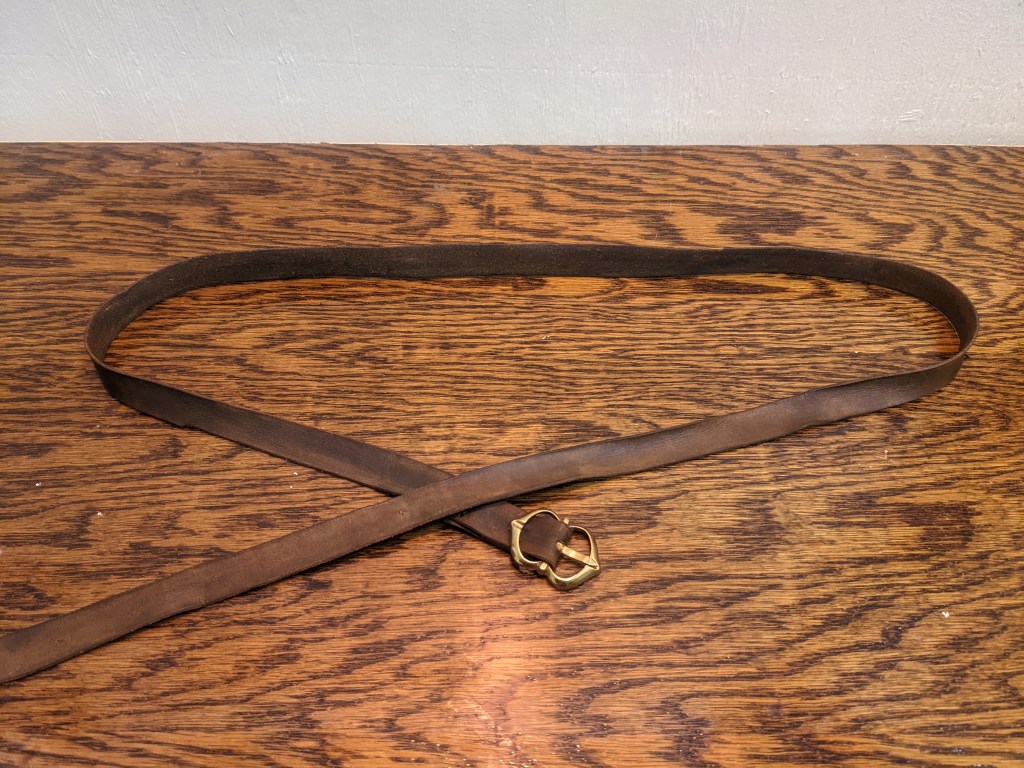
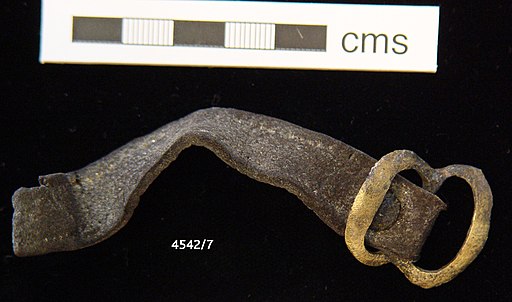
This is a reproduction of an extant example buckle and strap end attached to a strip of leather to form a belt.

This reproduction buckle is based on an extant example and was dated to a time range in the high medieval period. It is available through several reputable vendors. It would be an example of a very inexpensive reproduction piece.

Inspiration Images
Common Materials

  • Fabrics:
    • Leather
  • Ornamentation:

Effective Substitutions

  • Fabrics:
    • Leather
  • Ornamentation:

Ensemble Components

Accessories

Source/Links

The Portable Antiquities Scheme/ The Trustees of the British Museum, CC BY-SA 4.0 <https://creativecommons.org/licenses/by-sa/4.0&gt;, via Wikimedia Commons

https://armourandcastings.com/en_US/products/prjazhka-e14-2

Norman belt set, Britain, 11-12 c. For 20 mm wide belt.

Version1
date1/2/2022
Source of Period PicBritish Museum
Model 
PhotographerVincent De Vere
  
Full Entry, Male

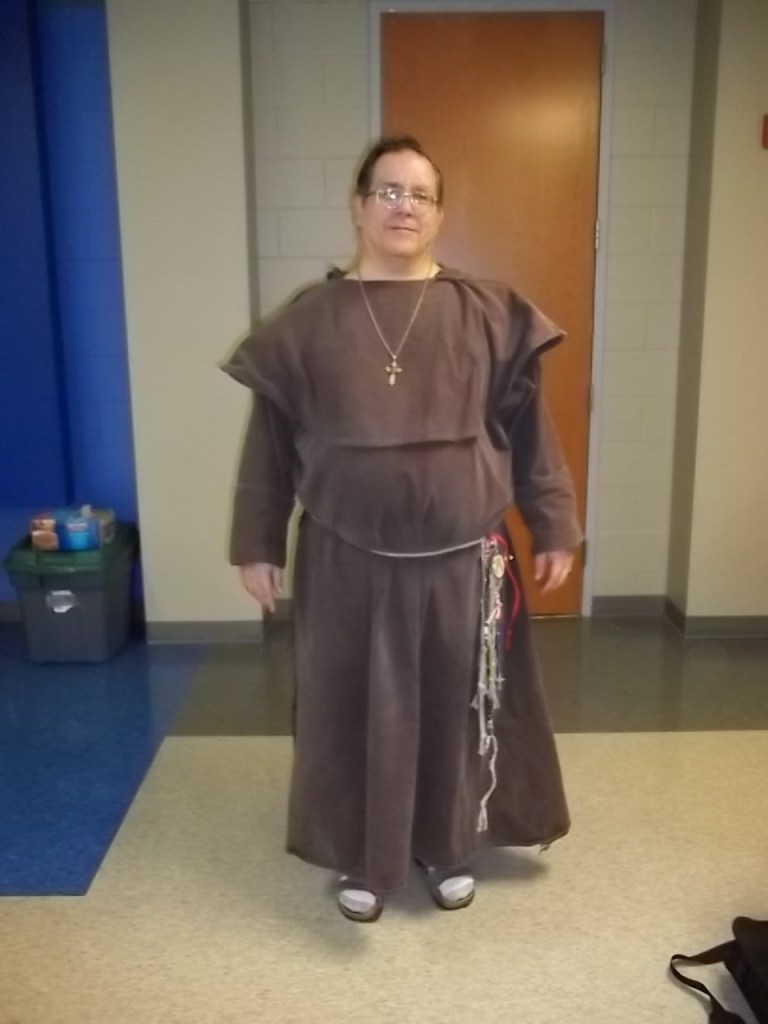
1100 CE Grayfriar (Cistercian) Habit 1

Title: 1100 CE Grayfriar (Cistercian) Habit 1
Entry #: GGB2021.032
Alternate Names: Friar Robes, monks robes 
Year: 1100 CE
Time range: 1100 – end of period
Era: High medieval
Gender: Male
region: Europe
Countries/cultures: Europe
Maker: Vincent De Vere
Difficulty: 1
Confidence: Extant Examples

Intro:

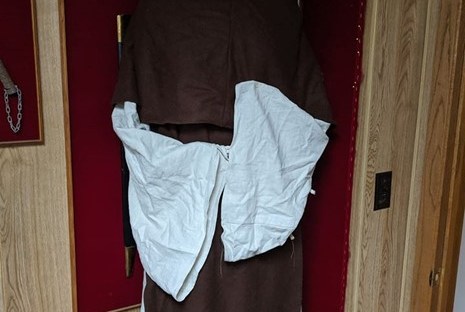
Long belted tunic with a belt of leather, cloth or rope.  A scapula, the tabard like rectangle of cloth with a cowl or hood attached. 

Description:

Generally unadorned, color of the fabric denotes particular religious order the wearer belongs to. The belt could be leather but some references say rope was more common. 

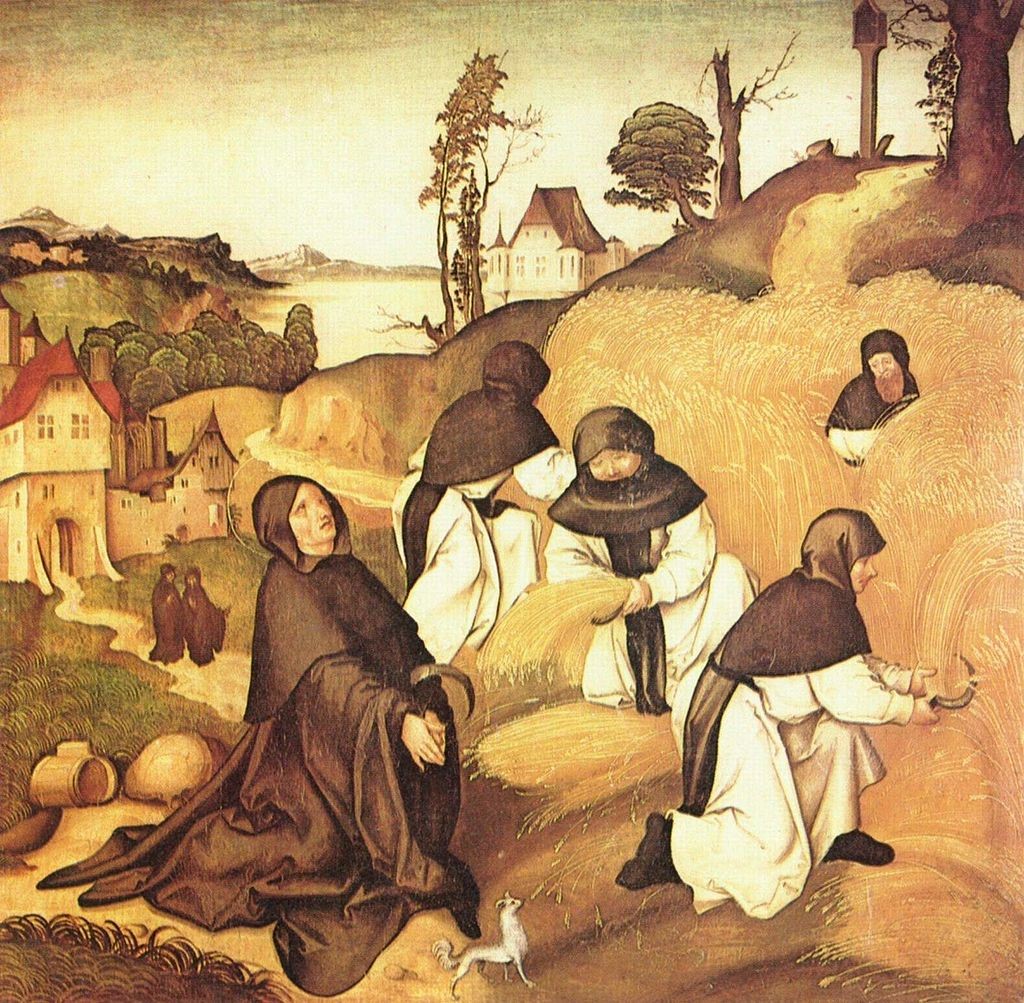
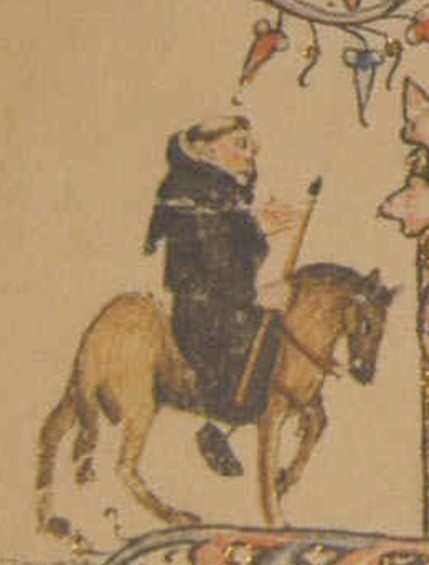
Over time the colors of the different orders became nearly standardized.  The Benedictine Monks would dye the wool they used to make their habits leading to names such as Black Monks or Blackfriar.  The Cistercian Monks who arose in the 1100’s opted for undyed wool to show their adherence to poverty.  This led to names like White monks or Grayfriars.  There ae still many places across England with location names of Blackfriars and Grayfriars. 

This attempt at a Cistercian habit used linen instead of wool for the long tunic and brown wool for the scapula.

Any portrayal of religious personages at events should be done with respect to the beliefs of others.   

Inspiration Images

Common Materials

  • Fabrics:
    • wool
  • Ornamentation:

Effective Substitutions

  • Fabrics:
    • linen
    • cotton
    • linen blends
    • wool blends
  • Ornamentation:

Ensemble Components

  • tunic
  • scapula hood

  • belt

Accessories

  • pouch
  • rosary

Source/Links

Version: 2
date: 3/5/2021
Source of Period Pic: Life of St. Bernard of Clairvaux by Jörg Breu the Elder 1500
Model: Vincent De Vere
Photographer: Vincent De Vere
  

Female, Full Entry

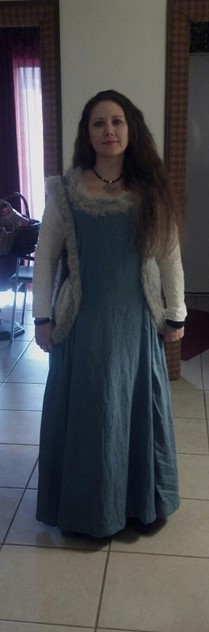
1200 CE Female Sideless Surcote 2

Title: 1200 CE Female Sideless Surcote 2
Entry #: GGB2021.040
Alternate Names: pellote 
Year: 1200 CE
Time range: 1100-1300’s CE
Era: High medieval
Gender: Female
region: European, western europe
Countries/cultures: England, france, spain
Maker: Beocca the Fair of Hastings
Difficulty: 1
Confidence: extant examples

Intro:

Outer layer garment with deeply cut arm holes worn with often form fitted undergarments that came in many variations and with examples for all sexes.

Description:

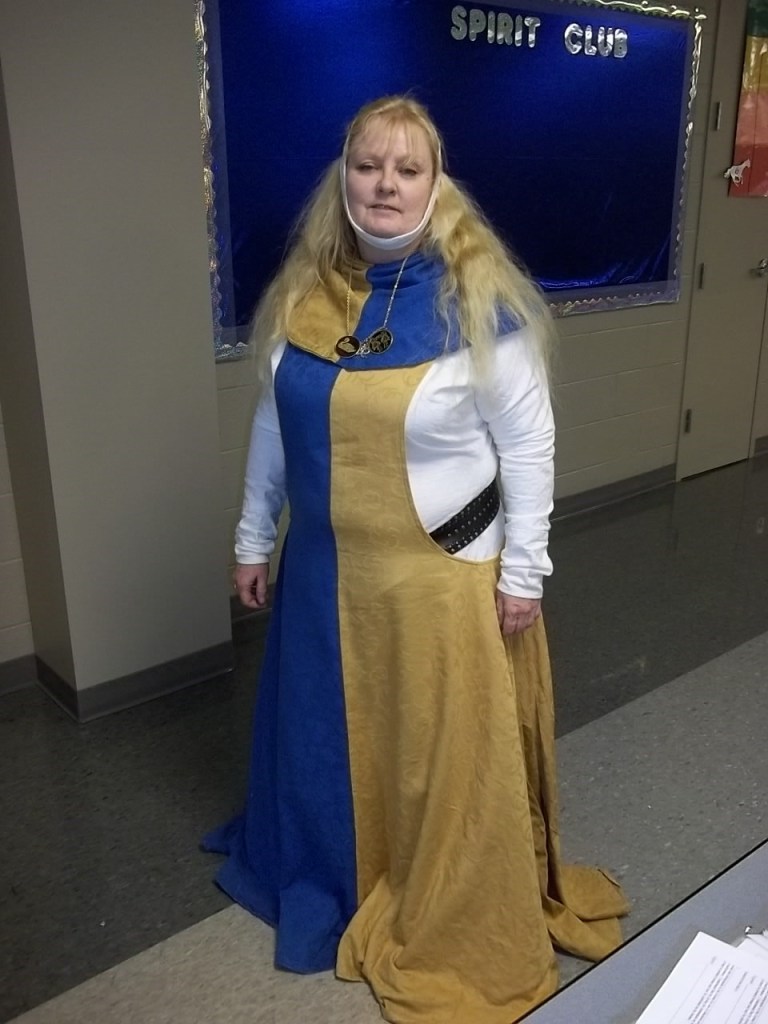
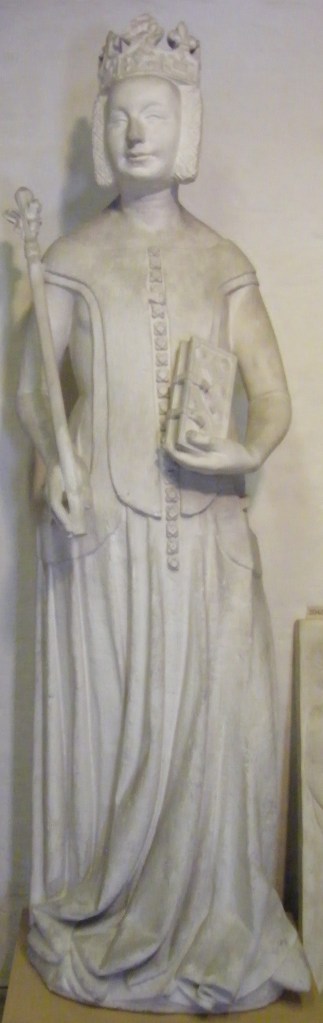
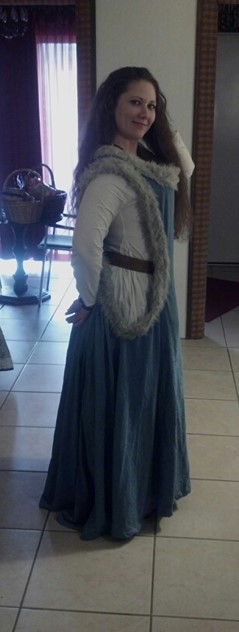
Sideless Surcotes are easily spotted by the deeply cut arm holes.  They commonly expose a more fitted garment beneath such as kirtles or fitted cotes. 

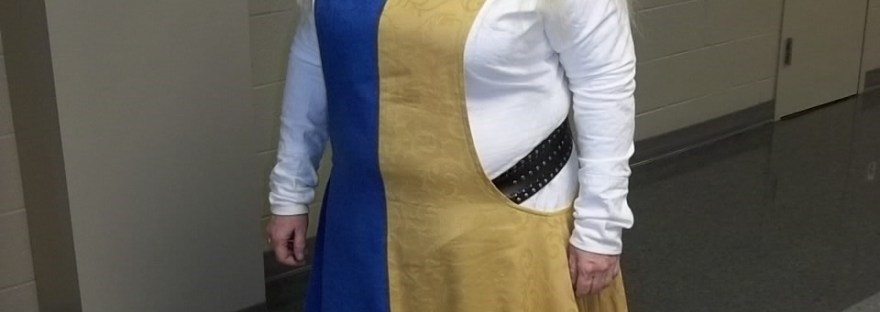
Parti-colored sideless surcote worn with a mantled hood.

These over dresses could vary from heraldic lesser modified cotes to heavily modified overdresses with narrow vertical front bands.  Easily sewn and open for many variations and modifications. Used in many parts of Europe during the first part of the high middle ages

Variations can include constructed materials, fur trim, heraldic displays, variations of depth of armhole, width of plastron (front and back bands,) width of hem, style of fitted under dress.

Inspiration Images

Medieval Combat Society

Common Materials

  • Fabrics:
    • Salk
    • celvets
    • brocades
    • fine wools
    • extant examples found constructed from silk damasks and jacquard
  • Ornamentation:

Effective Substitutions

  • Fabrics:
    • Silks
    • velvets
    • brocades
    • fine to medium coarse wools
    • wool blends
    • linen and linen blends
    • substituting poly velvets for silk velvets, or cotton velveteen – Not stretch velvets or crushed velvets.
  • Ornamentation:
    • High quality fake furs for trimming and lining. 

Ensemble Components

  • Sideless Surcote
  • Kirtle or cote
  • Underdress/undergarments

  • knee length hose
  • turn shoes or slippers
  • mantled hood

Accessories

  • belt
  • (worn under the surcote and over the fitted garment)
  • coif/hat/veil – works well with a barbette and fillet

Source/Links

http://www.wodefordhall.com/surcote.htm

http://www.bayrose.org/AandS/handouts/Sideless_Surcoat_web.pdf

Version: 2
date: 3/6/21
Source of Period Pic: http://www.insecula.com/oeuvre/O0000311.html
Model: Beocca the Fair of Hastings
Photographer: Vincent De Vere
  

Female, Full Entry

1200 CE Female Sideless Surcote 1

Title: 1200 CE Female Sideless Surcote 1
Entry #: GGB2021.039
Alternate Names: pellote 
Year: 1200 CE
Time range: 1100-1300’s CE
Era: High medieval
Gender: Female
region: European, western europe
Countries/cultures: England, france, spain
Maker: Jacqueline Storme
Difficulty: 1
Confidence: extant examples

Intro:

Outer layer garment with deeply cut arm holes worn with often form fitted undergarments that came in many variations and with examples for all sexes.

Description:

Sideless Surcotes are easily spotted by the deeply cut arm holes.  They commonly expose a more fitted garment beneath such as kirtles or fitted cotes. 

Parti-colored sideless surcote worn with a mantled hood.

These over dresses could vary from heraldic lesser modified cotes to heavily modified overdresses with narrow vertical front bands.  Easily sewn and open for many variations and modifications. Used in many parts of Europe during the first part of the high middle ages

Variations can include constructed materials, fur trim, heraldic displays, variations of depth of armhole, width of plastron (front and back bands,) width of hem, style of fitted under dress.

Inspiration Images

Common Materials

  • Fabrics:
    • Salk
    • celvets
    • brocades
    • fine wools
    • extant examples found constructed from silk damasks and jacquard
  • Ornamentation:

Effective Substitutions

  • Fabrics:
    • Silks
    • velvets
    • brocades
    • fine to medium coarse wools
    • wool blends
    • linen and linen blends
    • substituting poly velvets for silk velvets, or cotton velveteen – Not stretch velvets or crushed velvets.
  • Ornamentation:
    • High quality fake furs for trimming and lining. 

Ensemble Components

  • Sideless Surcote
  • Kirtle or cote
  • Underdress/undergarments

  • knee length hose
  • turn shoes or slippers
  • mantled hood

Accessories

  • belt
  • (worn under the surcote and over the fitted garment)
  • coif/hat/veil – works well with a barbette and fillet

Source/Links

http://www.wodefordhall.com/surcote.htm

http://www.bayrose.org/AandS/handouts/Sideless_Surcoat_web.pdf

Version: 2
date: 3/6/21
Source of Period Pic: http://www.insecula.com/oeuvre/O0000311.html
Model: Jacqueline Storme
Photographer: Jacqueline Storme
  

Full Entry, Male

1250 CE Franciscan Friar monk Habit 1

1250 CE Franciscan Friar monk Habit 1
Entry #: GGB2021.043
Alternate Names: Friar Robes, monks robes 
Year: 1250
Time range: 1250 – end of period
Era: High medieval
Gender: Male
region: Europe
Countries/cultures: Europe
Maker: Ida Lundy
Difficulty: 1
Confidence: Extant Examples

Intro:

Long belted tunic with a belt of leather, cloth or rope.  A scapula, the tabard like rectangle of cloth with a cowl or hood attached. 

Description:

Generally unadorned, color of the fabric denotes particular religious order the wearer belongs to. The belt could be leather but some references say rope was more common. 

Over time the colors of the different orders became nearly standardized.  The Benedictine Monks would dye the wool they used to make their habits leading to names such as Black Monks or Blackfriar.  The Cistercian Monks who arose in the 1100’s opted for undyed wool to show their adherence to poverty.  This led to names like White monks or Grayfriars.  There ae still many places across England with location names of Blackfriars and Grayfriars. 

This attempt at a Franciscan habit wool blend for the long tunic and brown wool for the hooded mantle. Franciscan order arose shortly after the Cistercian order.

Any portrayal of religious personages at events should be done with respect to the beliefs of others.   

Inspiration Images

Common Materials

  • Fabrics:
    • wool
  • Ornamentation:

Effective Substitutions

  • Fabrics:
    • linen
    • cotton
    • linen blends
    • wool blends
  • Ornamentation:

Ensemble Components

  • tunic
  • scapula hood

  • belt

Accessories

  • pouch
  • rosary

Source/Links

Version: 2
date: 3/5/2021
Source of Period Pic: Life of St. Bernard of Clairvaux by Jörg Breu the Elder 1500
Model: Vincent De Vere
Photographer: Vincent De Vere
  

Component Entry, Male

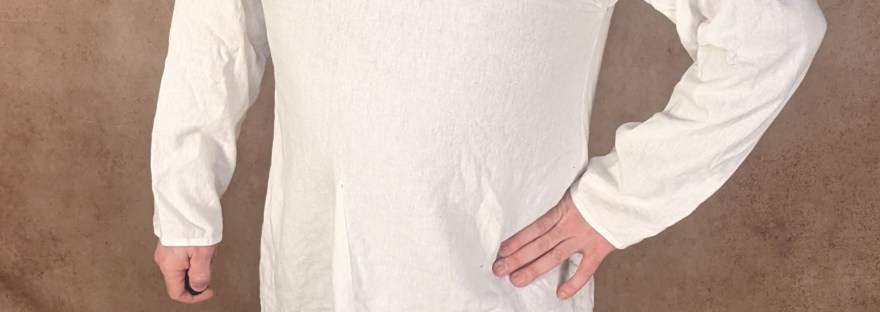
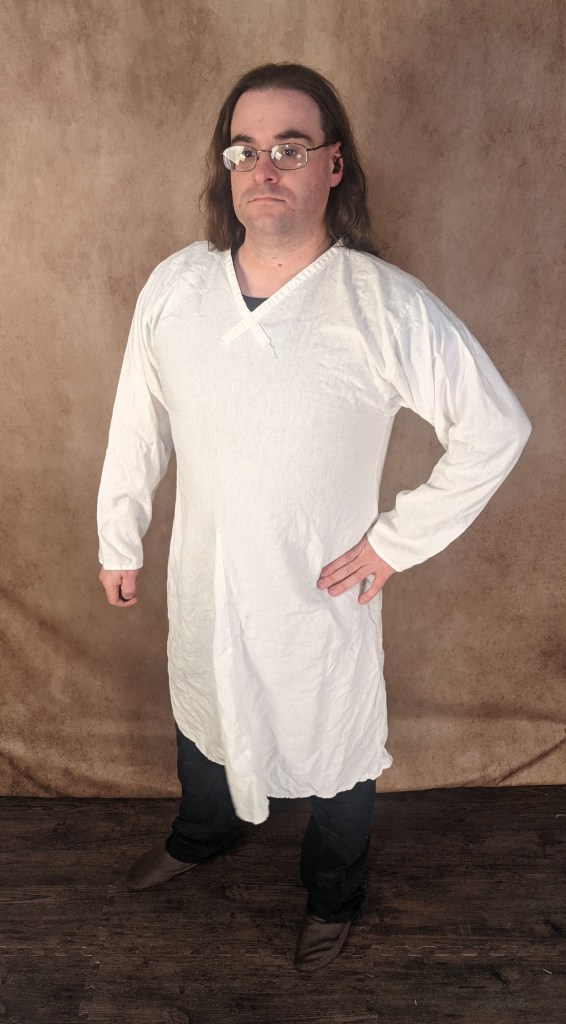
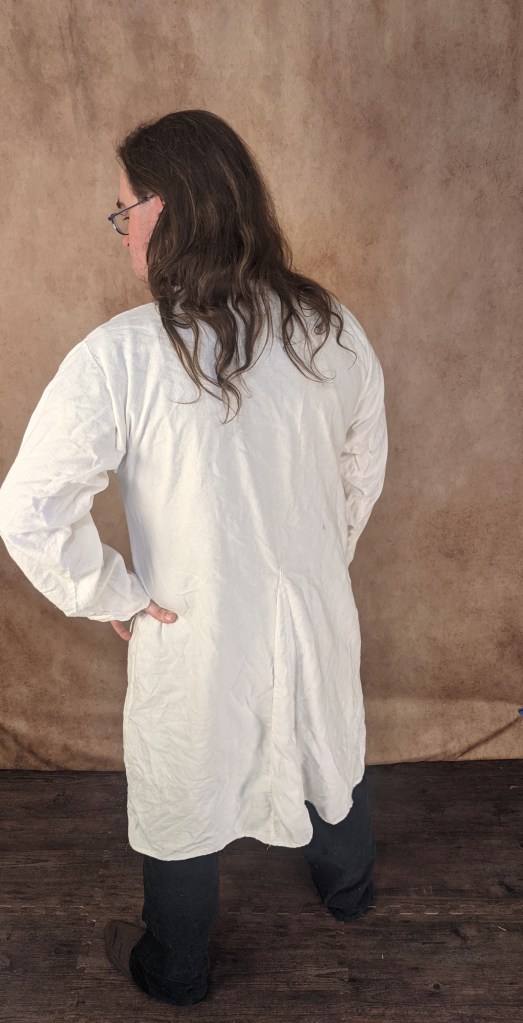
Undershirt/Tunic (Saint Louis Shirt)

Title1200 CE Linen Saint Louis Shirt 1
Entry #GGC2021.001
Alternate NamesShirt of Saint Louis the 9th Undershirt, tunic,
Year1270 CE
Time range1200-1300 CE
EraHigh medieval
GenderMale
regionEurope
Countries/culturesFrance
MakerVincent De Vere,
Difficulty1
ConfidenceExtant example

Intro:

A tunic and an outer layer coat associated with Norse cultures.  The front panels cross over each Attempt to replicate the surviving shirt labeled as belonging to Saint Louis the 9th found in Notre-Dame de Paris,     

Description:

Wool coat lined with linen decorated with a tablet woven band.  The coat is shown over a

One of the many variations of the tunics. This is an attempt to replicate one of the few surviving examples of undershirts.  The extant example can be found in the Notre-Dame de Paris and is claimed to belong to Saint Louis the 9th (1226-1270CE) king of France.  Although the exact lineage is not provable, the garment is a representation of n undergarment from before 1300CE. 

It is often assumed that the extant example is representative of one of the many variations for methods of construction for undergarments for men.  Many illustrations of people from all levels of society survive showing people wearing undergarments but this example gives us insight to the construction technique.

The original is made from linen as is the reconstruction.  Undergarments and additional layers are a good way to add to an ensemble as well as serving the purpose that the original served.  The undergarments that get sweaty or dirty, are more easily washed than the outer garments that are often more expensive and harder to clean.  

Inspiration Images

Common Materials

  • Fabrics:
    • Undergarments were generally made from linen 

Effective Substitutions

  • Fabrics:
    • Linen
    • linen blends
    • Linen rayon
    • Linen cotton
    • cotton

Ensemble Components

  • Undershirt

Accessories

Source/Links

https://en.wikipedia.org/wiki/Shirt_of_Saint_Louis

source image Public Domain

File:Trésors de Saint Louis dans le trésor de Notre-Dame de Paris 2018-05-12.jpg

Version1
date12/24/2021
Source of Period Pichttps://en.wikipedia.org/wiki/Shirt_of_Saint_Louis
Model Vincent de Vere
PhotographerVincent de Vere
  
Maker:S,Date:2017-9-29,Ver:6,Lens:Kan03,Act:Lar02,E-ve
Component Entry, Female, Male, Unisex

Simple Narrow Belt with Reproduction Buckle

TitleSimple Narrow Belt with Reproduction Buckle
Entry #GGC2021.031
Alternate NamesBelt
Year1350
Time rangeAntiquity to end of period
EraAntiquity to end of period
GenderUnisex
regionEurope
Countries/culturesEurope
MakerVincent De Vere,
Difficulty1
ConfidenceExtant Example

Intro:

 Various belts.      

Description:

This is a modern buckle taken from a worn out belt and attached to a strip of leather to form a belt. This easily made belt works very well for people new to the SCA.

This reproduction buckle is based an extant example dated to arround 1350 CE, but is very similar to many others from different time periods. It is available through several reputable vendors. It would be an example of a very inexpensive reproduction piece.

Inspiration Images

Common Materials

  • Fabrics:
    • Leather
  • Ornamentation:

Effective Substitutions

  • Fabrics:
    • Leather
  • Ornamentation:

Ensemble Components

Accessories

Source/Links

The Portable Antiquities Scheme/ The Trustees of the British Museum, CC BY-SA 4.0 <https://creativecommons.org/licenses/by-sa/4.0&gt;, via Wikimedia Commons

Version1
date1/2/2022
Source of Period PicBritish Museum
Model 
PhotographerVincent De Vere
  
Component Entry, Female, Male, Unisex

Belt with brass plaques reproduction buckle

TitleBelt with brass plaques reproduction buckle
Entry #GGC2021.032
Alternate NamesBelt
Year1300 CE
Time range1200-1400CE
EraHigh Medieval
GenderUnisex
regionEurope
Countries/culturesEurope
MakerVincent De Vere,
Difficulty2
ConfidenceExtant Example

Intro:

 Various belts.      

Description:

This is a narrow leather belt with preproduction buckle and tip purchased from an SCA merchant and the brass plaques are etched with various devices and batches associated with the owner

Inspiration Images

Common Materials

  • Fabrics:
    • Leather brass, bronze
  • Ornamentation:

Effective Substitutions

  • Fabrics:
    • Leather, brass
  • Ornamentation:

Ensemble Components

Accessories

Source/Links

The Portable Antiquities Scheme/ The Trustees of the British Museum, CC BY-SA 4.0 <https://creativecommons.org/licenses/by-sa/4.0&gt;, via Wikimedia Commons

buckle and tip based on a Hungarian, c. 1275 Magyar Nemzeti Museum, Budapest belt tip and

Version1
date1/2/2022
Source of Period PicBritish Museum
Model 
PhotographerVincent De Vere
  
Component Entry, Unisex

Shoe, slip-on punched turn shoe 1

TitleShoe, slip-on punched turn shoe 1
Entry #GGC2022.019
Alternate NamesShoe, turn shoe,
Year1300 CE
Time range1100 BCE – 1400 CE
Eraall
Genderunisex
regionEurope
Countries/culturesEurope
MakerVincent De Vere,
Difficulty3
ConfidenceExtant Examples

Intro:

Slip on turn shoes with punched out decorations       

Description:

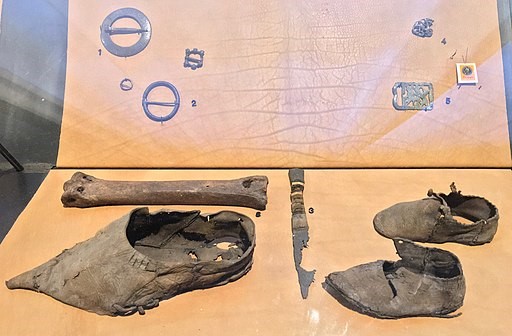
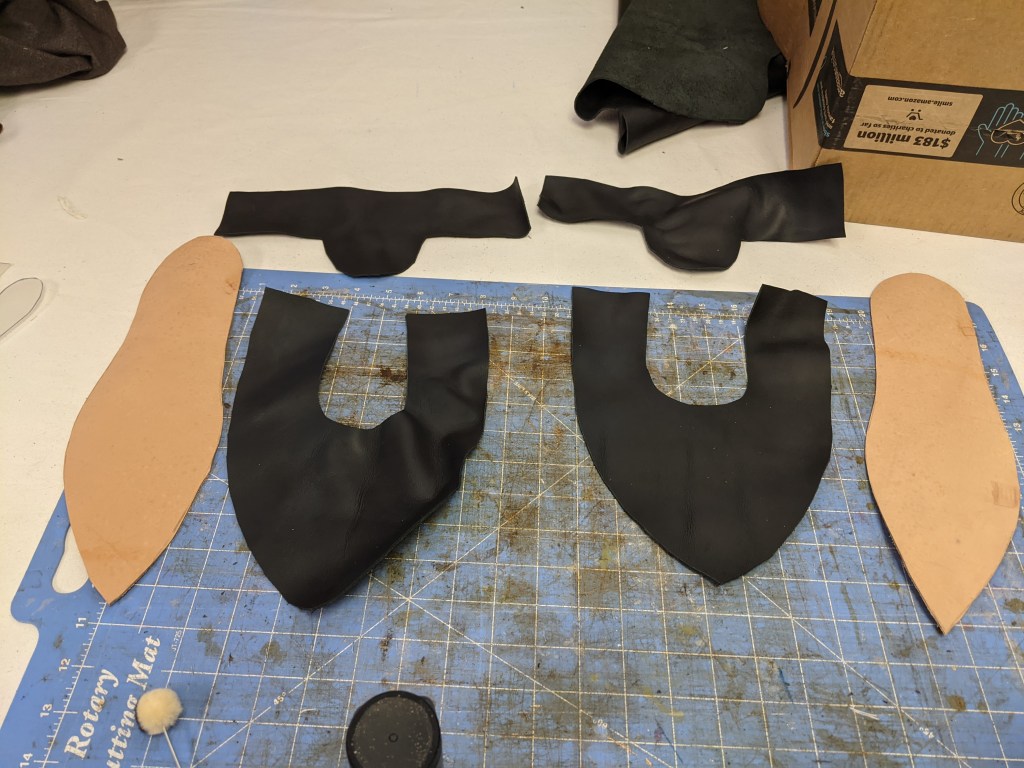
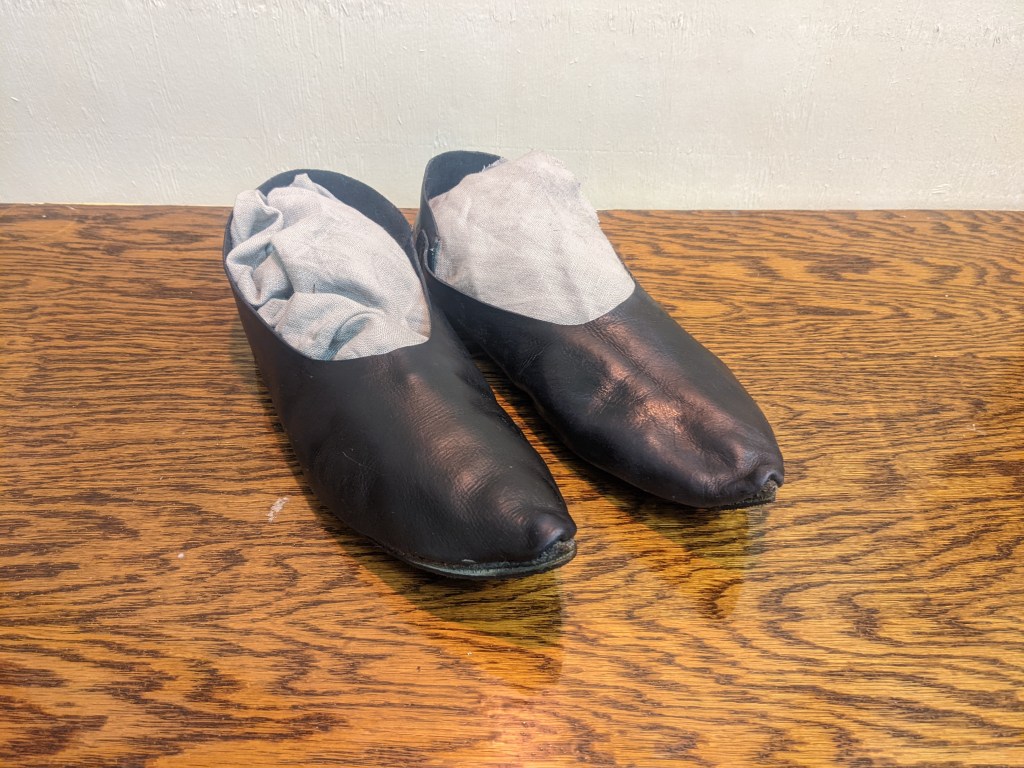
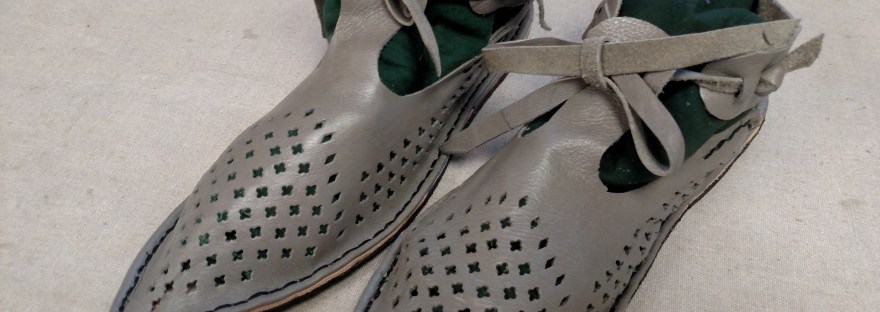
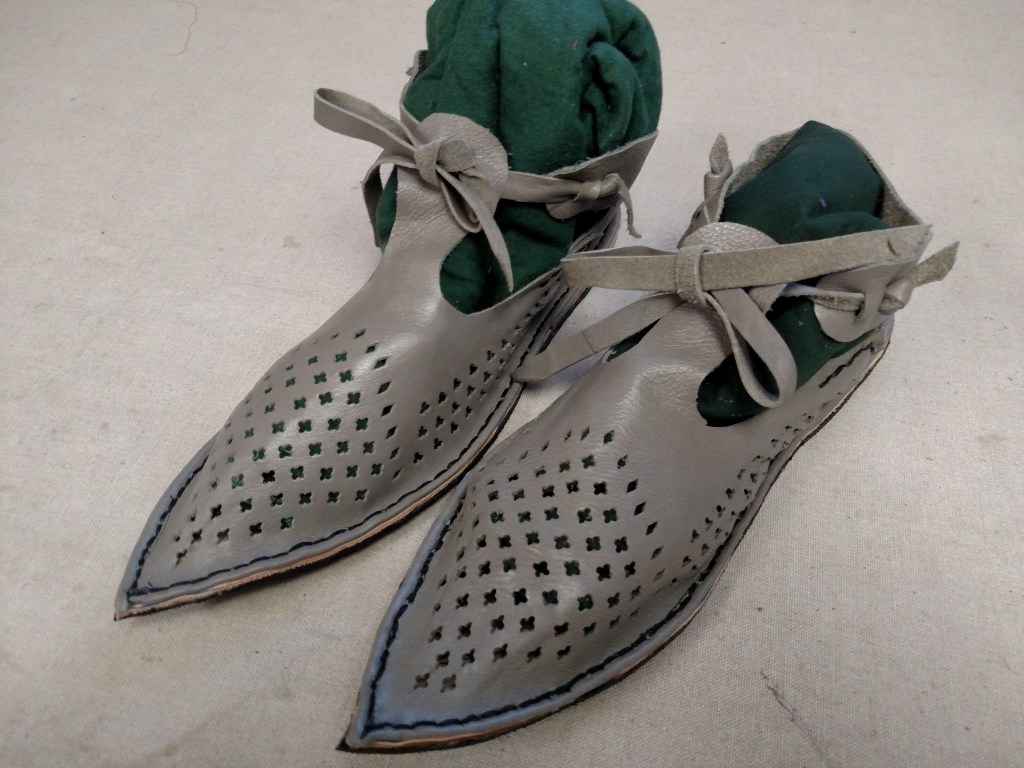
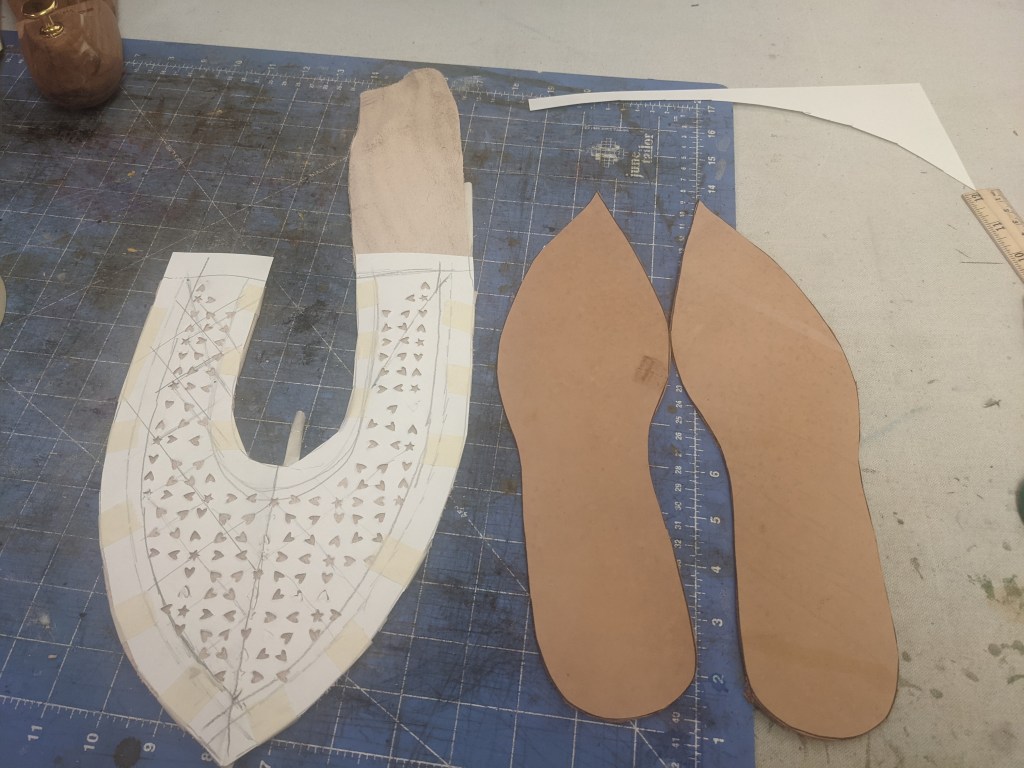
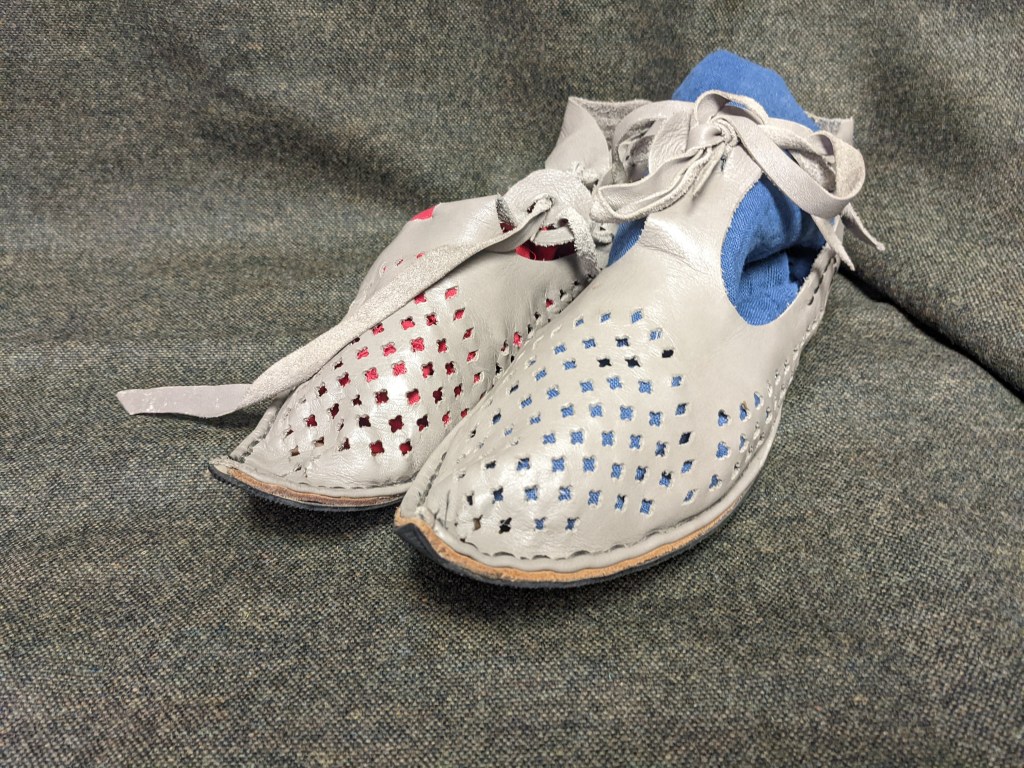
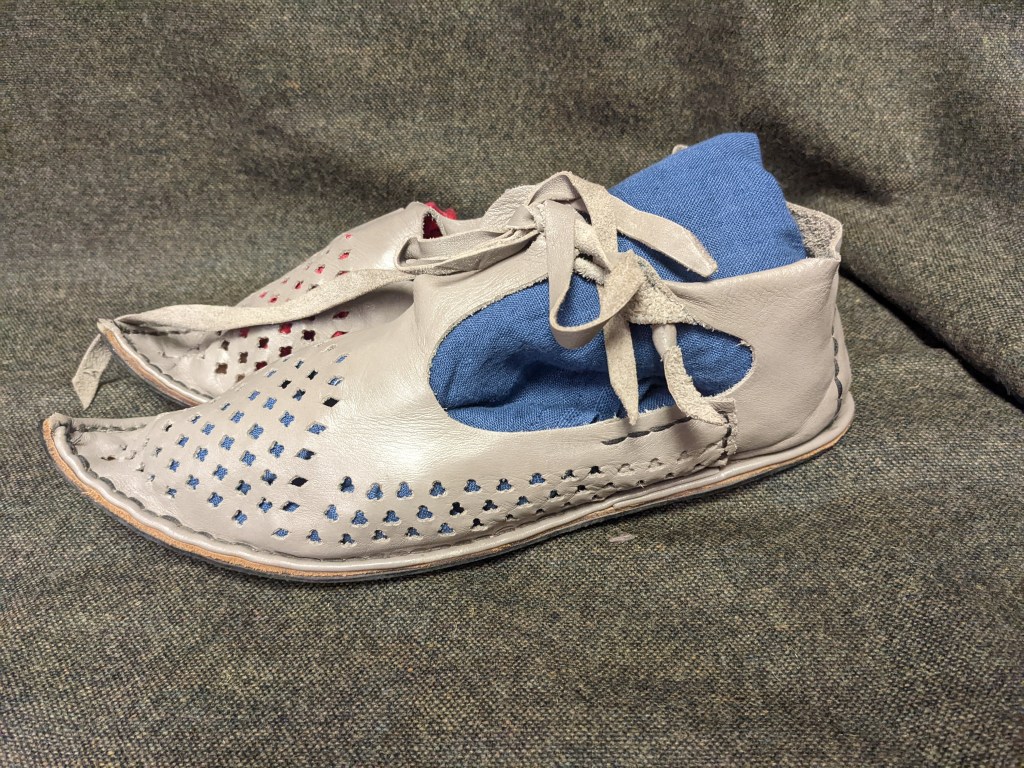
Low slip on shoes that are constructed from 2 pieces of leather. They are sewn inside out and then turned right side out, thus the common name of turn shoes.  Shoes like these, in one form or another, have been used throughout the period covered by the SCA

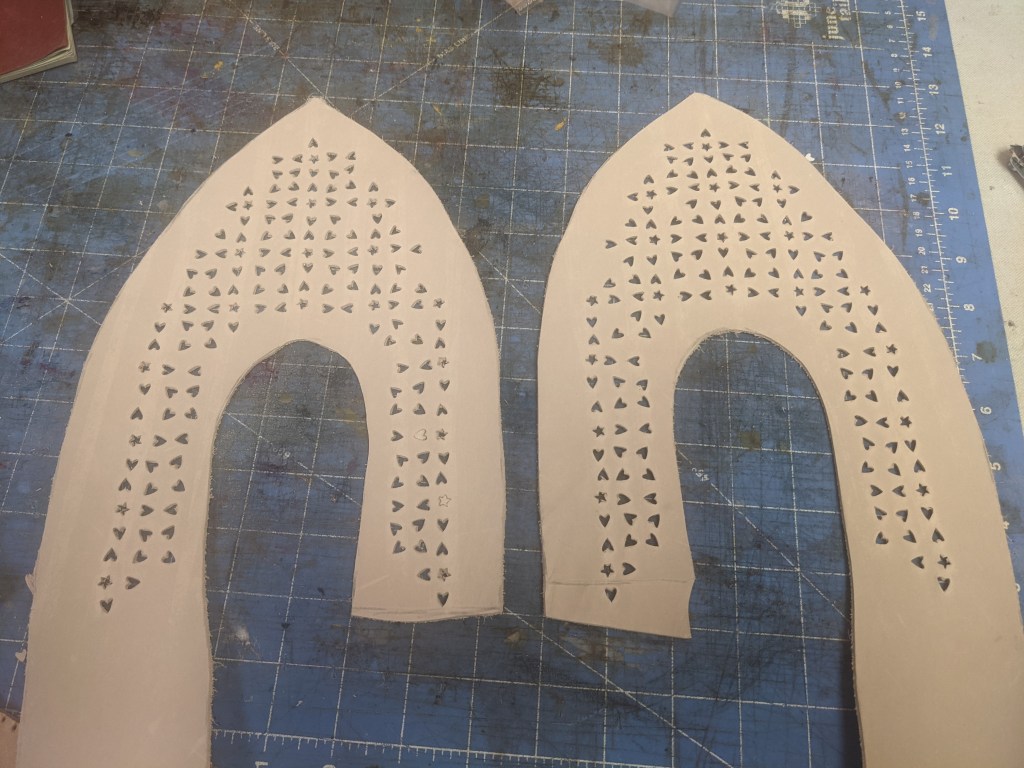
This pair of shoes is decorated by having a pattern of holes punched into the leather before assembling the shoe.  Shoes decorated with punch decorations have survived dating back to Roman times. Sets of shaped punches can be purchased online for not much and the punching of the leather adds less than an hour to the total construction time. 

Inspiration Images

Common Materials

  • Fabrics:
    • Leather
  • Ornamentation:

Effective Substitutions

  • Fabrics:
    • chrome tanned leather doesn’t shape and form that way oak tan/veg tan leather will.

Ensemble Components

Accessories

Source/Links

Wolfmann, CC BY-SA 4.0 <https://creativecommons.org/licenses/by-sa/4.0&gt;, via Wikimedia Commons

Stepping Through Time: Archaeological Footwear from Prehistoric Times until 1800, By Olaf Goubitz.  ISBN  9089320040 ISBN-13 ‏ : ‎ 978-9089320049

Version1
date1/9/2022
Source of Period PicWolfmann, CC BY-SA 4.0 <https://creativecommons.org/licenses/by-sa/4.0&gt;, via Wikimedia Commons, Kulturhistorisk Museum, Oslo, Norway. Medieval Exhibition
Model 
PhotographerVincent De Vere
  

Component Entry, Unisex

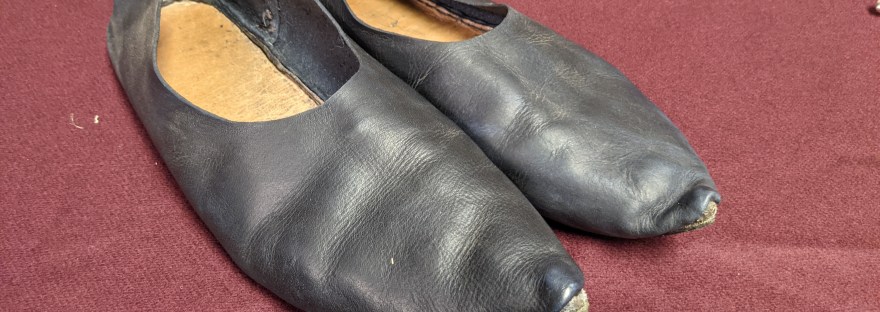
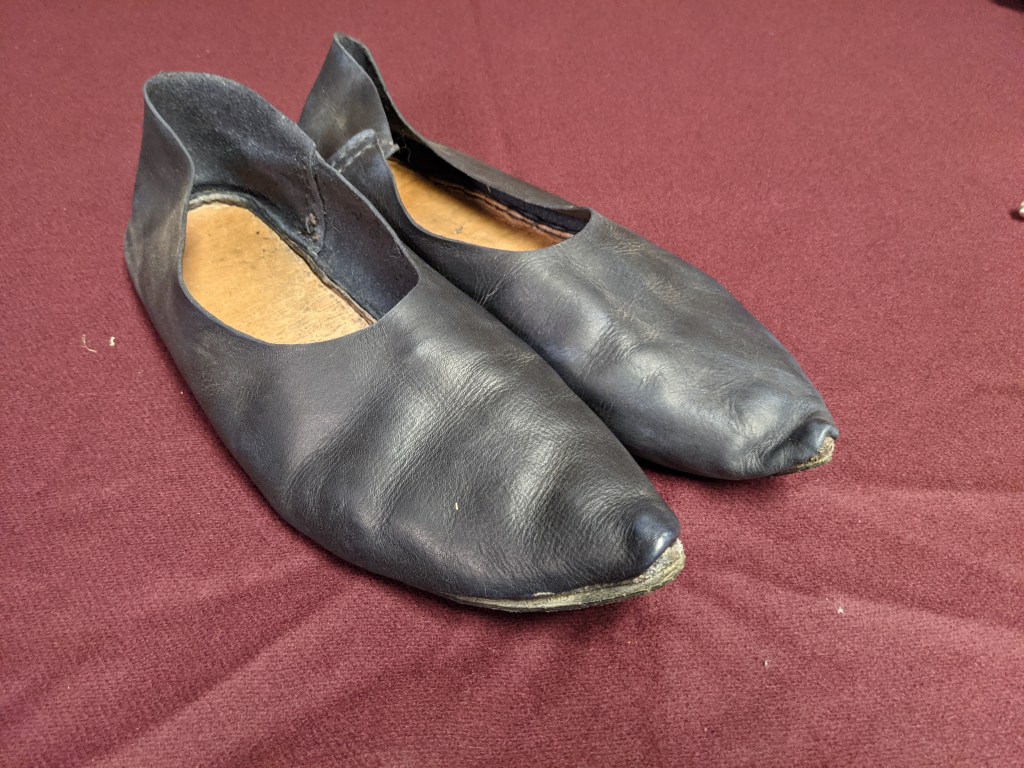
Shoe, slip-on low turn shoe 1

TitleShoe, slip-on low turn shoe 1
Entry #GGC2022.016
Alternate NamesShoe, turn shoe,
Year1300 CE
Time range1100 BCE – 1400 CE
Eraall
Genderunisex
regionEurope
Countries/culturesEurope
MakerVincent De Vere,
Difficulty3
ConfidenceExtant Examples

Intro:

Slip on turn shoes.

Description:

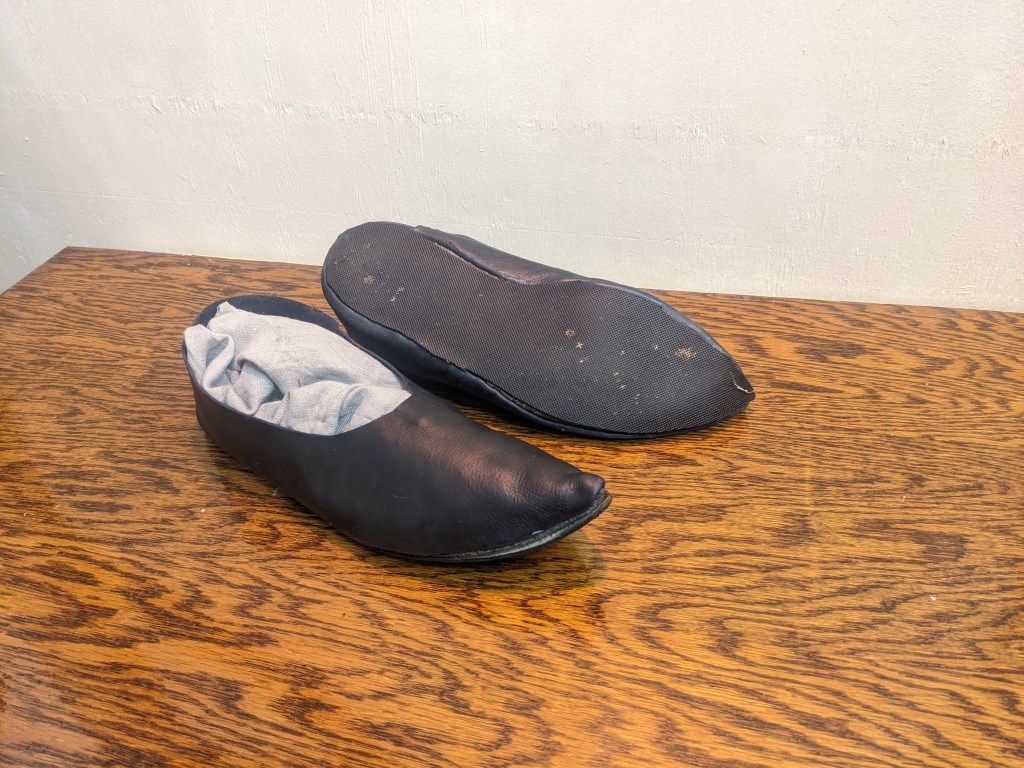
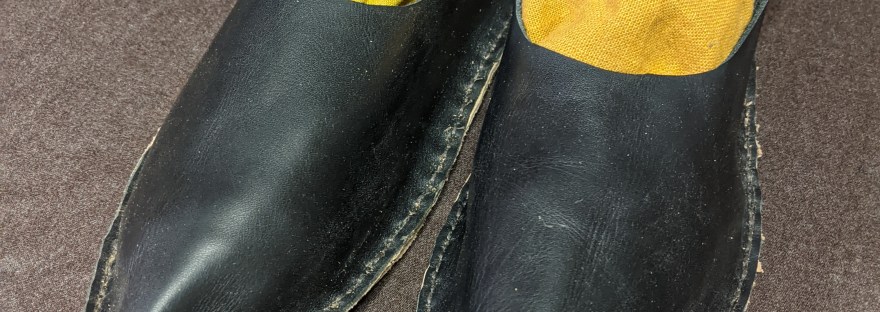
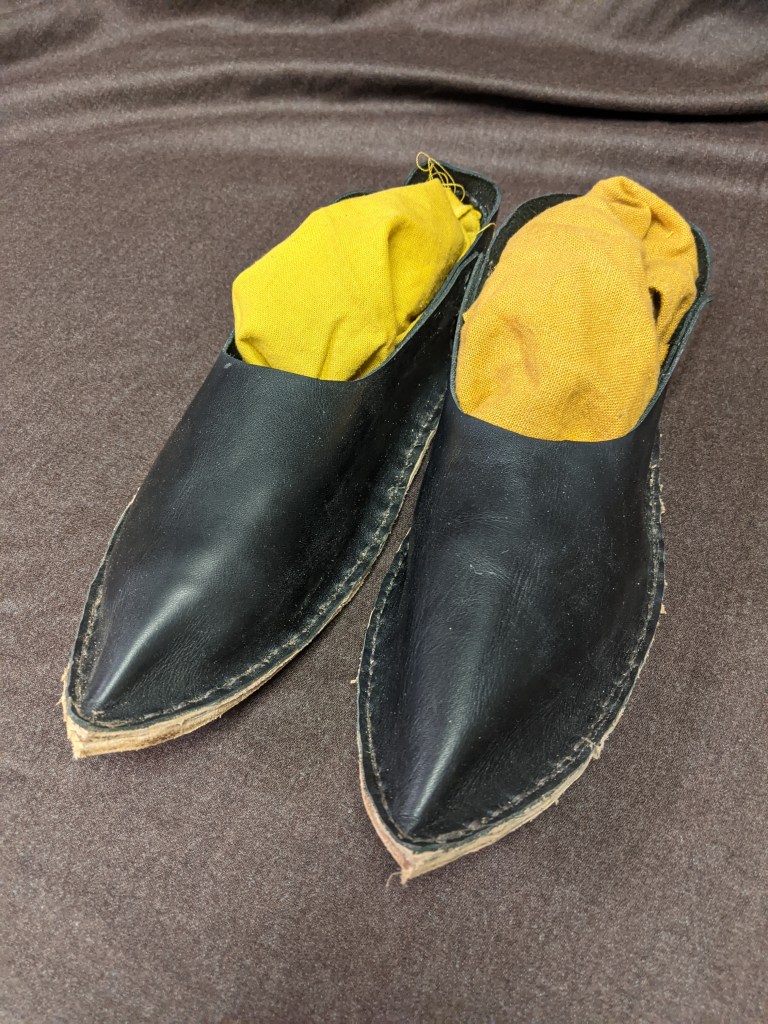
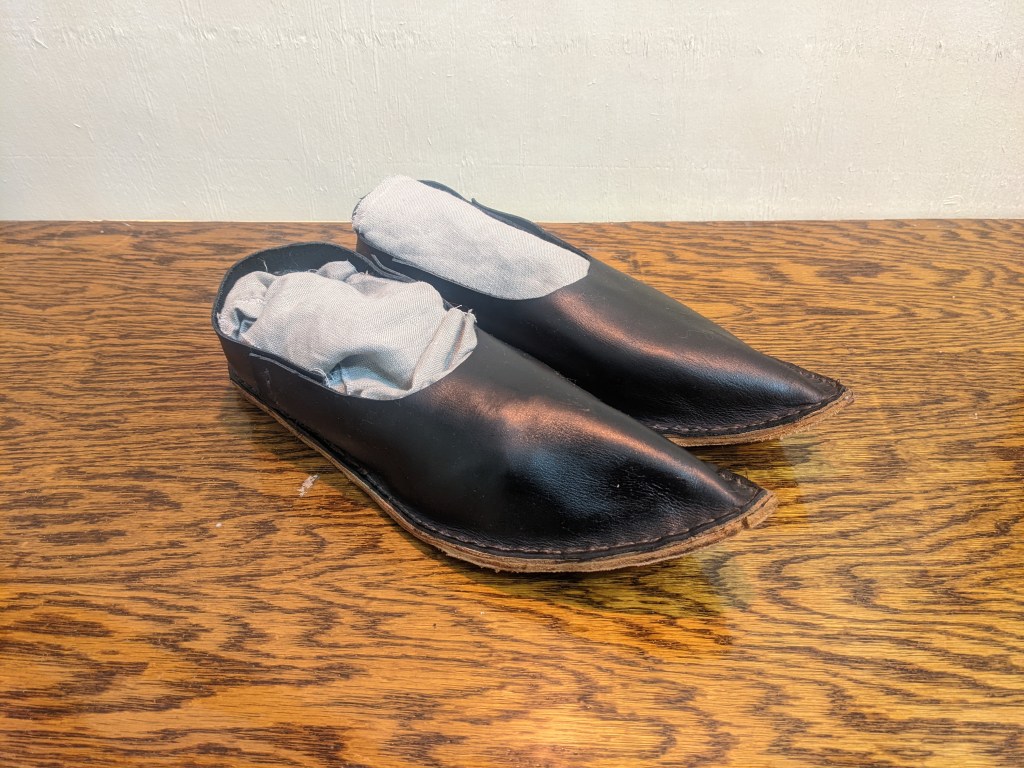
Low slip on shoes that are constructed from 2 pieces of leather. They are sewn inside out and then turned right side out, thus the common name of turn shoes.  Shoes like these, in one form or another, have been used throughout much of the period covered by the SCA.

This pair of shoes had a stiffening sole and tread glued to the shoe after construction.  Although this is a modern consideration, it was done for additional comfort and safety for use at events.  Accommodations like this are common in the SCA.

Inspiration Images

Common Materials

  • Fabrics:
    • Leather
  • Ornamentation:

Effective Substitutions

  • Fabrics:
    • chrome tanned leather doesn’t shape and form that way oak tan/veg tan leather will.

Ensemble Components

Accessories

Source/Links

Wolfmann, CC BY-SA 4.0 <https://creativecommons.org/licenses/by-sa/4.0&gt;, via Wikimedia Commons

Stepping Through Time: Archaeological Footwear from Prehistoric Times until 1800, By Olaf Goubitz.  ISBN  9089320040 ISBN-13 ‏ : ‎ 978-9089320049

Version1
date1/9/2022
Source of Period PicWolfmann, CC BY-SA 4.0 <https://creativecommons.org/licenses/by-sa/4.0&gt;, via Wikimedia Commons
Model 
PhotographerVincent De Vere