Component Entry, Male

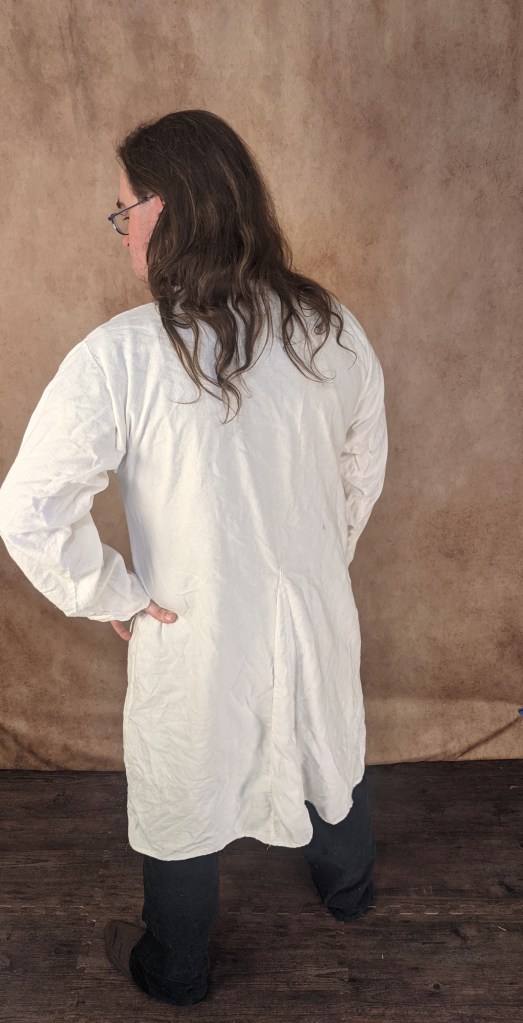
Undershirt/Tunic (Saint Louis Shirt)

Title1200 CE Linen Saint Louis Shirt 1
Entry #GGC2021.001
Alternate NamesShirt of Saint Louis the 9th Undershirt, tunic,
Year1270 CE
Time range1200-1300 CE
EraHigh medieval
GenderMale
regionEurope
Countries/culturesFrance
MakerVincent De Vere,
Difficulty1
ConfidenceExtant example

Intro:

A tunic and an outer layer coat associated with Norse cultures.  The front panels cross over each Attempt to replicate the surviving shirt labeled as belonging to Saint Louis the 9th found in Notre-Dame de Paris,     

Description:

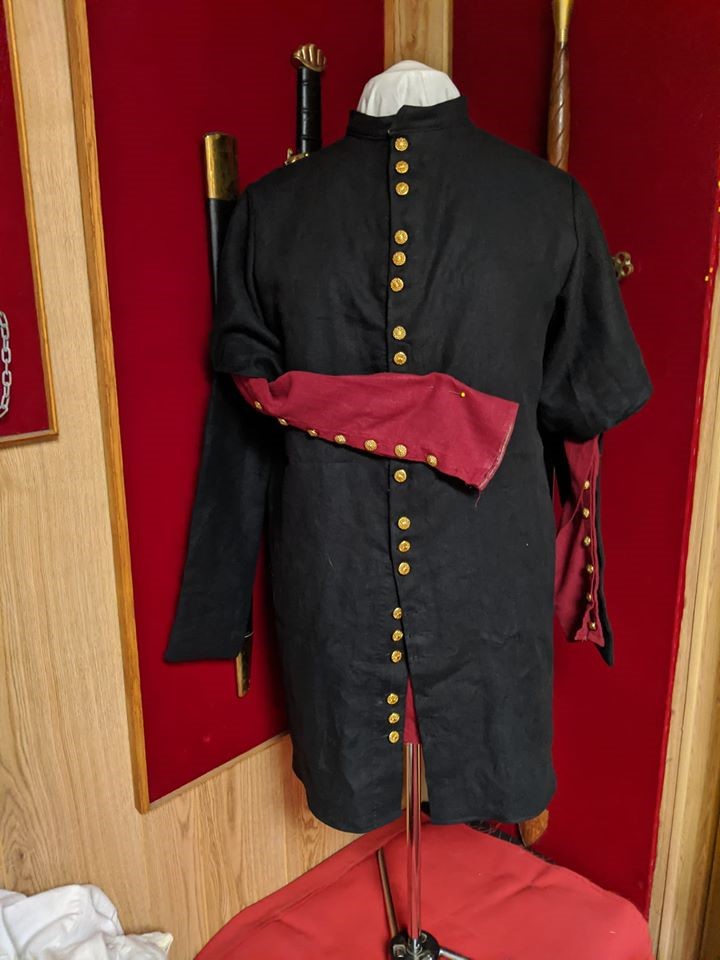
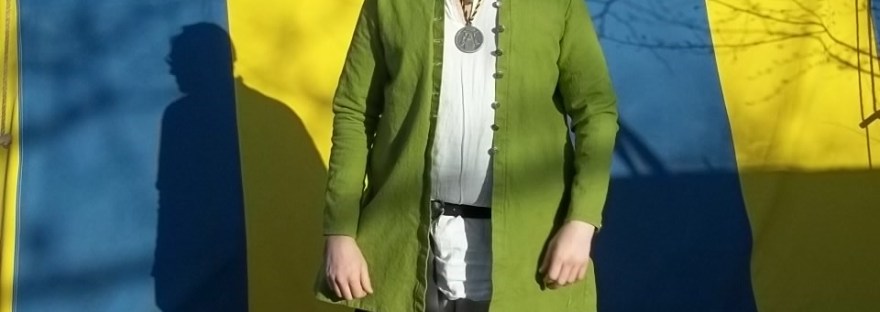
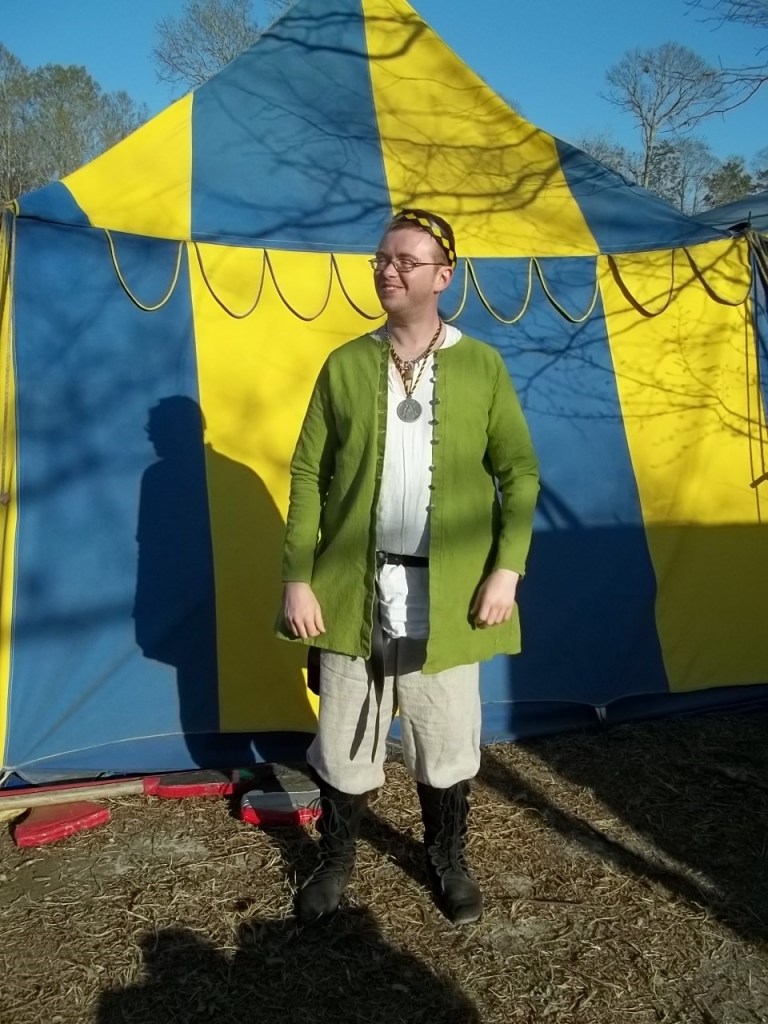
Wool coat lined with linen decorated with a tablet woven band.  The coat is shown over a

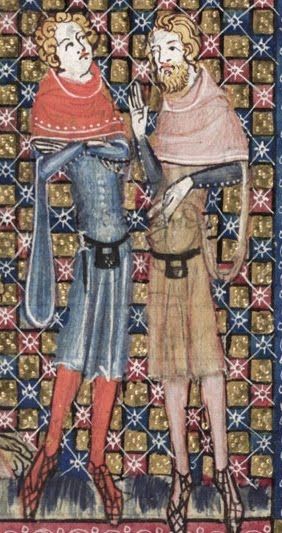
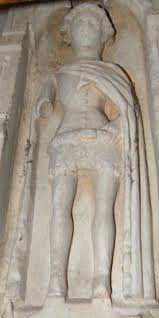
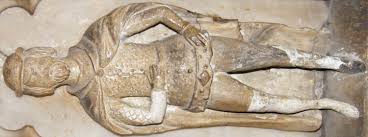
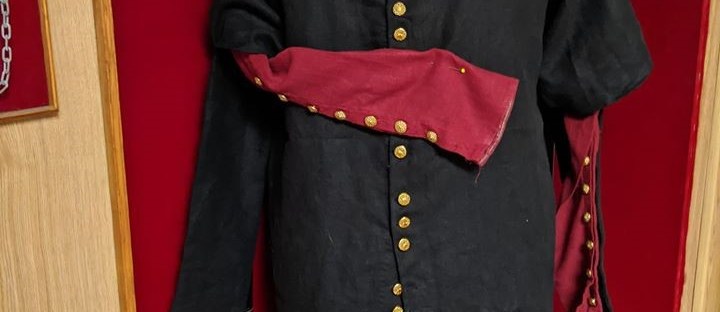
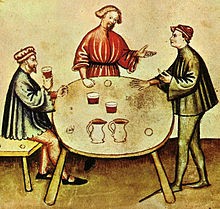
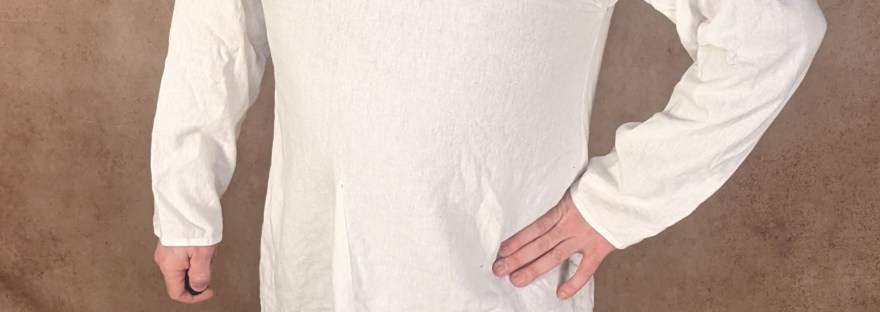
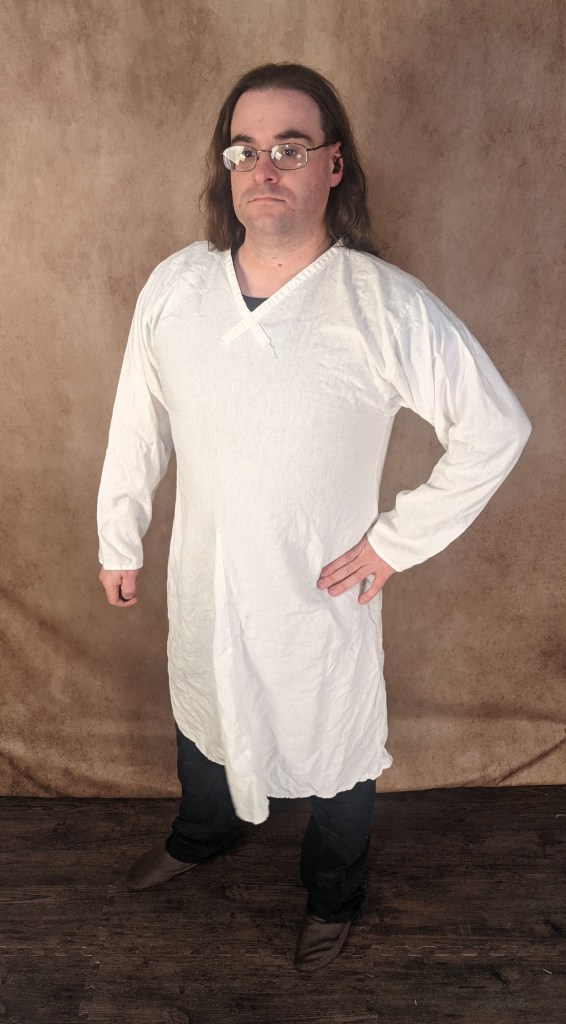
One of the many variations of the tunics. This is an attempt to replicate one of the few surviving examples of undershirts.  The extant example can be found in the Notre-Dame de Paris and is claimed to belong to Saint Louis the 9th (1226-1270CE) king of France.  Although the exact lineage is not provable, the garment is a representation of n undergarment from before 1300CE. 

It is often assumed that the extant example is representative of one of the many variations for methods of construction for undergarments for men.  Many illustrations of people from all levels of society survive showing people wearing undergarments but this example gives us insight to the construction technique.

The original is made from linen as is the reconstruction.  Undergarments and additional layers are a good way to add to an ensemble as well as serving the purpose that the original served.  The undergarments that get sweaty or dirty, are more easily washed than the outer garments that are often more expensive and harder to clean.  

Inspiration Images

Common Materials

  • Fabrics:
    • Undergarments were generally made from linen 

Effective Substitutions

  • Fabrics:
    • Linen
    • linen blends
    • Linen rayon
    • Linen cotton
    • cotton

Ensemble Components

  • Undershirt

Accessories

Source/Links

https://en.wikipedia.org/wiki/Shirt_of_Saint_Louis

source image Public Domain

File:Trésors de Saint Louis dans le trésor de Notre-Dame de Paris 2018-05-12.jpg

Version1
date12/24/2021
Source of Period Pichttps://en.wikipedia.org/wiki/Shirt_of_Saint_Louis
Model Vincent de Vere
PhotographerVincent de Vere
  
Maker:S,Date:2017-9-29,Ver:6,Lens:Kan03,Act:Lar02,E-ve
Component Entry, Female, Male, Unisex

Belt, Tablet woven 1 with garters

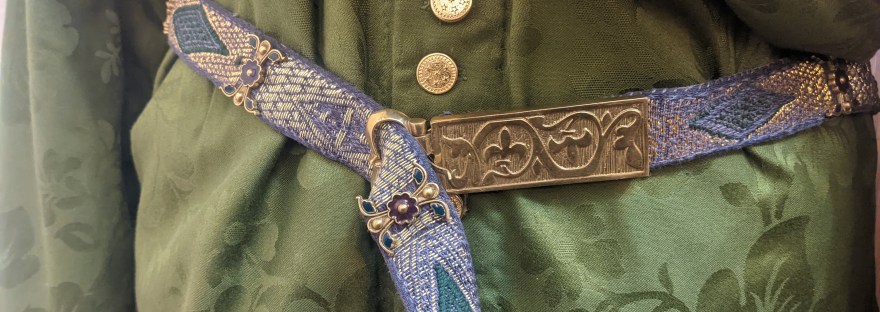
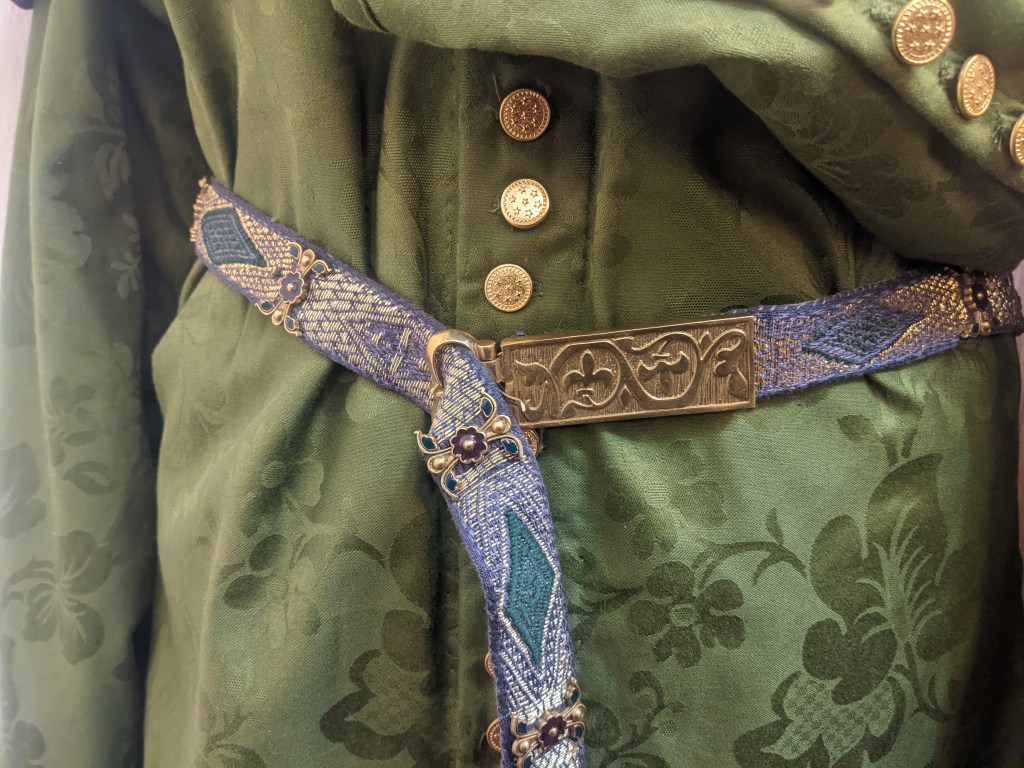
TitleBrocaded tablet woven belt and garters Belt with Reproduction Buckle
Entry #GGC2021.034
Alternate NamesBelt, Girdle
Year1275
Time range1200-1300
EraHigh Medieval
GenderUnisex
regionEurope
Countries/culturesEurope
MakerKristine nic Tallieur,
Difficulty5
ConfidenceExtant fragment

Intro:

 Various belts.      

Description:

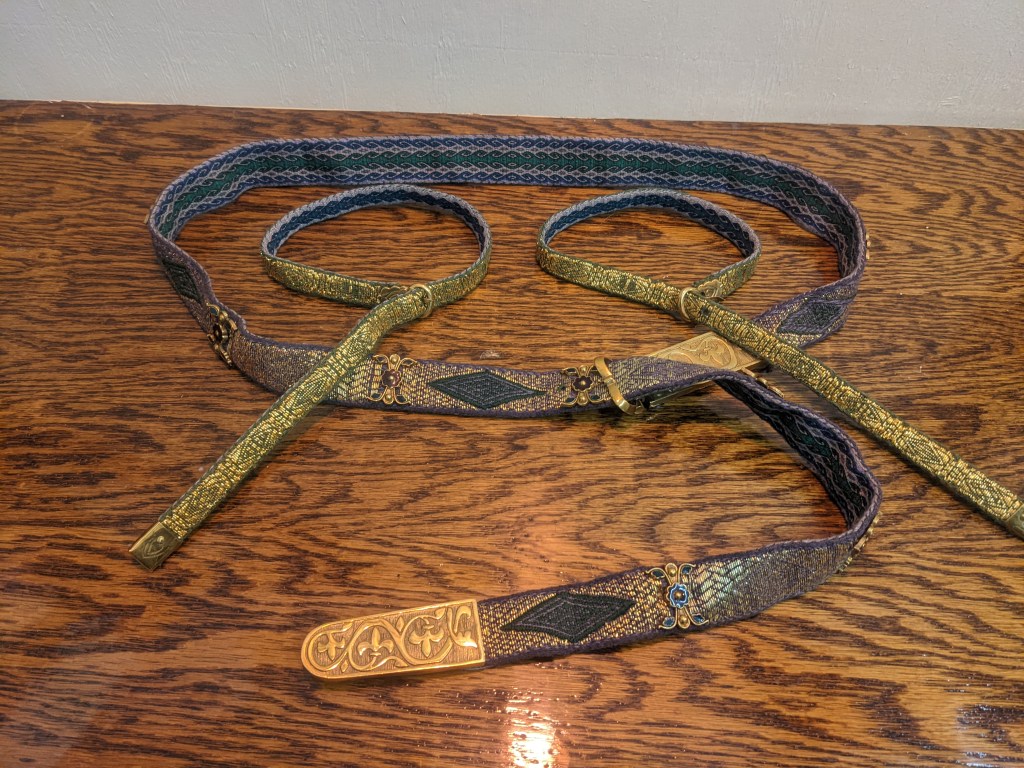
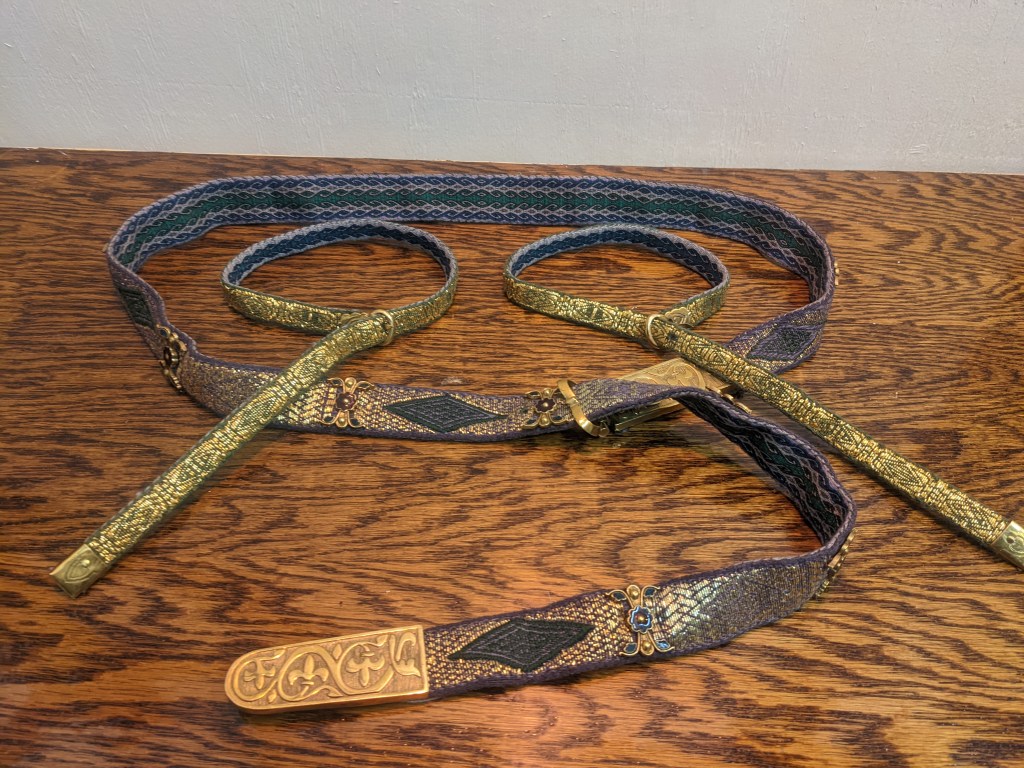
This is a tablet woven belt made in two layers.  The outer layer is cotton with mylar wrapped thread that emulates gold thread used in period weaving. The images woven into the belt using a brocade technique.   The belt is woven in two parts with a cotton inner belt and the layers are sewn together. The buckle is a reproduction of a 1200-1300’s buckle found in the Budapest Museum of History, Nomad hall purchased from a reenactor vendor.      

The garters are made in the same manner. 

Inspiration Images

Common Materials

  • Fabrics:
    • Linen, silk, gold wire, bronze/copper alloy
  • Ornamentation:

Effective Substitutions

  • Fabrics:
    • Silk, cotton, linen, wool, mylar thread, brass, bronze
  • Ornamentation:

Ensemble Components

Accessories

  • buckle copy of one found in Hungary, 13-14 c. Stored in Budapest Museum of History, Nomad hall

Source/Links

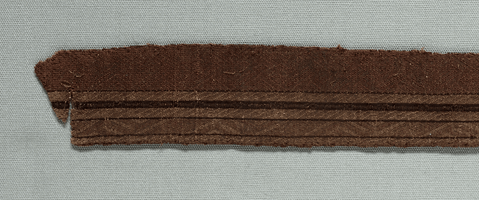
Cleveland Museum of Art, CC0, via Wikimedia Commons https://commons.wikimedia.org/wiki/File:Italy,_Sicily,_end_of_11th_century_-_Two_Galloon_Fragments_Mounted_Together_-_1940.492.a_-_Cleveland_Museum_of_Art.tif

Version1
date1/9/2022
Source of Period PicWikipedia commons, Cleveland Museum of Art
Model 
PhotographerVincent De Vere
  
Full Entry, Male

1350 CE Male Cotehardie 6

Title: 1350 CE Male Cotehardie 6
Entry #: GGB2021.059
Alternate Names: Cote 
Year: 1350 CE
Time range: 1340-1400 CE
Era: High Medieval
Gender: Male
region: Western europe, central europe
Countries/cultures: France, England, germany
Maker: Vincent de Vere
Difficulty: 3
Confidence: Image Example

Intro:

Fitted male coat forming the outer layer or the middle layer of an ensemble

Description:

In some areas in Western Europe, male garments became more fitted in the 1300s. The unfitted cotes became the tailored and fitted cotehardies. Layers associated with cotehardies would be a linen undershirt, sometimes an early form of the doublet and braies and hosen.  Layers over the cotehardie could be gowns and houppelandes

In some cases the cotehardies are shorter to the point of reaching just to the crotch depth.  Others are seen longer to the point of knee length. Some have decorative dagged edges.  They often feature a large number of closely spaced buttons  

Male cotehardies could have long or shorter sleeves including short sleeves showing off the doublet below, sometimes featuring sleeve streamers. The sleeves of the cotehardie or the layer under the cotehardie are very tight.

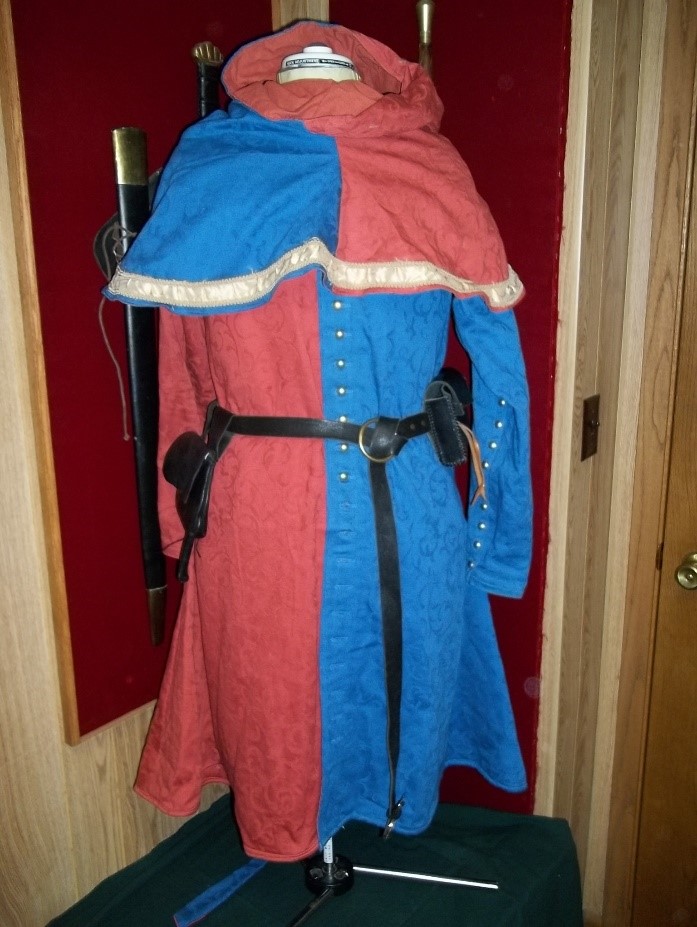
This cotehardie is a parti colored light weight linen cotehardie with a dagged liripipe hood.

Inspiration Images

Common Materials

  • Fabrics:
    • Wool
    • silks
    • brocades
    • velvets
  • Ornamentation:
    • cloth or metal buttons

Effective Substitutions

  • Fabrics:
    • cottons
    • linens
    • linen blends
    • wool blends
  • Ornamentation:

Ensemble Components

  • linen undershirt
  • likely an early form of the doublet
  • .  Turn shoes, slippers or low boots

  • braies and hosen
  • Layers over the cotehardie could be gowns and houppelandes

Accessories

  • low slung belts, around the hips
  • pouches
  • garters
  • hood

Source/Links

http://www.chesholme.com/wfiles/2-1-Cotehardie.pdf

http://starsandgarters.org/2020/10/04/patterning-fitted-garments/

Version: 2
date: 2/26/21
Source of Period Pic: http://en.wikipedia.org/wiki/File:Bologna_marriage_men.jpg
Model:
Photographer: Vincent de Vere
  

Full Entry, Male

1350 CE Male Cotehardie 5

Title: 1350 CE Male Cotehardie 5
Entry #: GGB2021.058
Alternate Names: Cote 
Year: 1350 CE
Time range: 1340-1400 CE
Era: High Medieval
Gender: Male
region: Western europe, central europe
Countries/cultures: France, England, germany
Maker: Vincent de Vere
Difficulty: 3
Confidence: Image Example

Intro:

Fitted male coat forming the outer layer or the middle layer of an ensemble

Description:

In some areas in Western Europe, male garments became more fitted in the 1300s. The unfitted cotes became the tailored and fitted cotehardies. Layers associated with cotehardies would be a linen undershirt, sometimes an early form of the doublet and braies and hosen.  Layers over the cotehardie could be gowns and houppelandes

In some cases the cotehardies are shorter to the point of reaching just to the crotch depth.  Others are seen longer to the point of knee length. Some have decorative dagged edges.  They often feature a large number of closely spaced buttons  

Male cotehardies could have long or shorter sleeves including short sleeves showing off the doublet below, sometimes featuring sleeve streamers. The sleeves of the cotehardie or the layer under the cotehardie are very tight.

This cotehardie is a light weight linen cotehardie with the outer layer having sleeves with tippets or sleeve streamers 

Inspiration Images

Common Materials

  • Fabrics:
    • Wool
    • silks
    • brocades
    • velvets
  • Ornamentation:
    • cloth or metal buttons

Effective Substitutions

  • Fabrics:
    • cottons
    • linens
    • linen blends
    • wool blends
  • Ornamentation:

Ensemble Components

  • linen undershirt
  • likely an early form of the doublet
  • .  Turn shoes, slippers or low boots

  • braies and hosen
  • Layers over the cotehardie could be gowns and houppelandes

Accessories

  • low slung belts, around the hips
  • pouches
  • garters
  • hood

Source/Links

http://www.chesholme.com/wfiles/2-1-Cotehardie.pdf

http://starsandgarters.org/2020/10/04/patterning-fitted-garments/

Version: 2
date: 2/26/21
Source of Period Pic: http://en.wikipedia.org/wiki/File:Bologna_marriage_men.jpg
Model:
Photographer: Vincent de Vere
  

Full Entry, Male

1350 CE Male Cotehardie 4

Title: 1350 CE Male Cotehardie 4
Entry #: GGB2021.057
Alternate Names: Cote 
Year: 1350 CE
Time range: 1340-1400 CE
Era: High Medieval
Gender: Male
region: Western europe, central europe
Countries/cultures: France, England, germany
Maker: Vincent de Vere
Difficulty: 4
Confidence: Image Example

Intro:

Fitted male coat forming the outer layer or the middle layer of an ensemble

Description:

In some areas in Western Europe, male garments became more fitted in the 1300s. The unfitted cotes became the tailored and fitted cotehardies. Layers associated with cotehardies would be a linen undershirt, sometimes an early form of the doublet and braies and hosen.  Layers over the cotehardie could be gowns and houppelandes

In some cases the cotehardies are shorter to the point of reaching just to the crotch depth.  Others are seen longer to the point of knee length. Some have decorative dagged edges.  They often feature a large number of closely spaced buttons  

Male cotehardies could have long or shorter sleeves including short sleeves showing off the doublet below, sometimes featuring sleeve streamers. The sleeves of the cotehardie or the layer under the cotehardie are very tight.

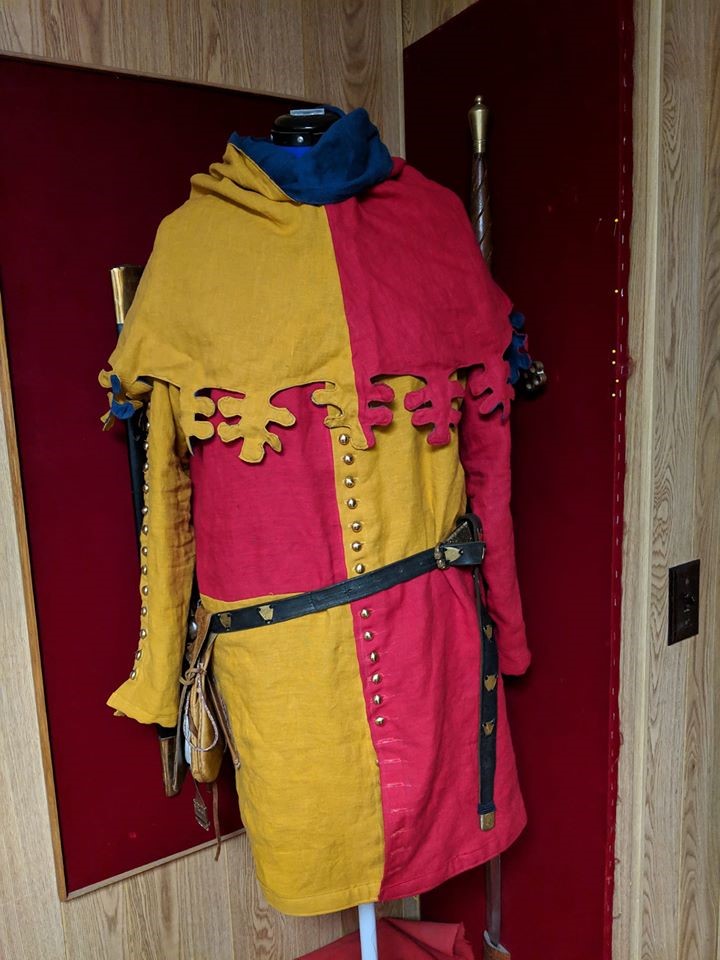
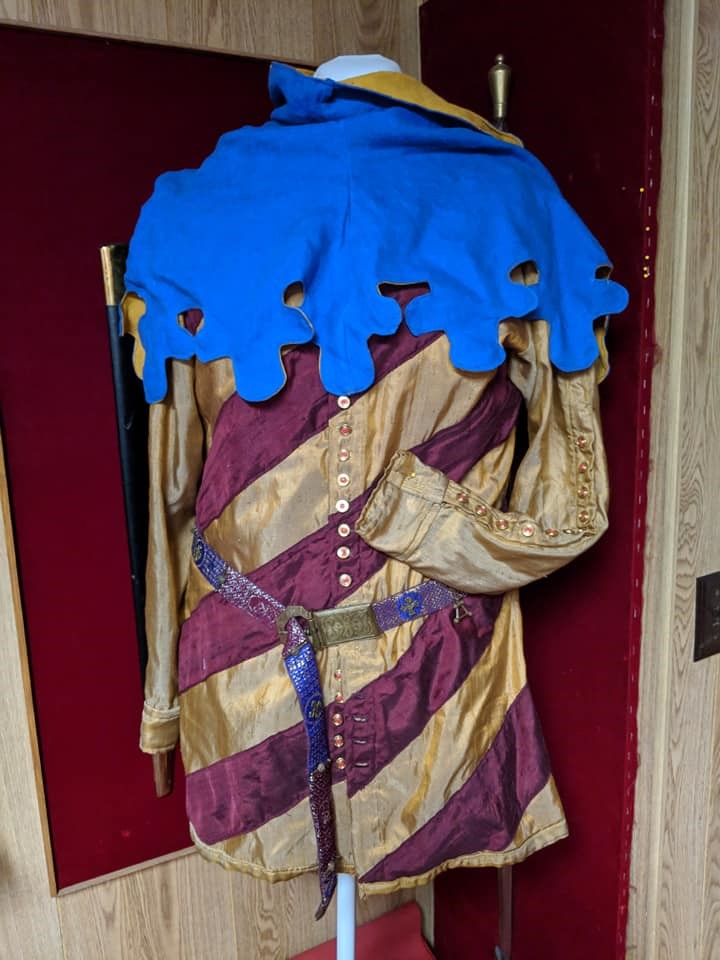
This cotehardie has the group livery colors and has silk stripes appliqued on the silk cotehardie lined in linen and a liripipe hood with dagges

Inspiration Images

Common Materials

  • Fabrics:
    • Wool
    • silks
    • brocades
    • velvets
  • Ornamentation:
    • cloth or metal buttons

Effective Substitutions

  • Fabrics:
    • cottons
    • linens
    • linen blends
    • wool blends
  • Ornamentation:

Ensemble Components

  • linen undershirt
  • likely an early form of the doublet
  • .  Turn shoes, slippers or low boots

  • braies and hosen
  • Layers over the cotehardie could be gowns and houppelandes

Accessories

  • low slung belts, around the hips
  • pouches
  • garters
  • hood

Source/Links

http://www.chesholme.com/wfiles/2-1-Cotehardie.pdf

http://starsandgarters.org/2020/10/04/patterning-fitted-garments/

Version: 2
date: 2/26/21
Source of Period Pic: http://en.wikipedia.org/wiki/File:Bologna_marriage_men.jpg
Model:
Photographer: Vincent de Vere
  

Full Entry, Male

1350 CE Male Cotehardie 3

Title: 1350 CE Male Cotehardie 3
Entry #: GGB2021.056
Alternate Names: Cote 
Year: 1350 CE
Time range: 1340-1400 CE
Era: High Medieval
Gender: Male
region: Western europe, central europe
Countries/cultures: France, England, germany
Maker: Alexander Adelbrecht
Difficulty: 2
Confidence: Image Example

Intro:

Fitted male coat forming the outer layer or the middle layer of an ensemble

Description:

In some areas in Western Europe, male garments became more fitted in the 1300s. The unfitted cotes became the tailored and fitted cotehardies. Layers associated with cotehardies would be a linen undershirt, sometimes an early form of the doublet and braies and hosen.  Layers over the cotehardie could be gowns and houppelandes

In some cases the cotehardies are shorter to the point of reaching just to the crotch depth.  Others are seen longer to the point of knee length. Some have decorative dagged edges.  They often feature a large number of closely spaced buttons  

Male cotehardies could have long or shorter sleeves including short sleeves showing off the doublet below, sometimes featuring sleeve streamers. The sleeves of the cotehardie or the layer under the cotehardie are very tight.

This cotehardie is an earlier style of the garment patterned off of the men’s wedding garment from the wedding of Nicolo da Bologna, being knee length and not overly tight below the waist This cotehardie is an earlier style of the garment worn open on a warm day.

Inspiration Images

Common Materials

  • Fabrics:
    • Wool
    • silks
    • brocades
    • velvets
  • Ornamentation:
    • cloth or metal buttons

Effective Substitutions

  • Fabrics:
    • cottons
    • linens
    • linen blends
    • wool blends
  • Ornamentation:

Ensemble Components

  • linen undershirt
  • likely an early form of the doublet
  • .  Turn shoes, slippers or low boots

  • braies and hosen
  • Layers over the cotehardie could be gowns and houppelandes

Accessories

  • low slung belts, around the hips
  • pouches
  • garters
  • hood

Source/Links

http://www.chesholme.com/wfiles/2-1-Cotehardie.pdf

http://starsandgarters.org/2020/10/04/patterning-fitted-garments/

Version: 2
date: 2/26/21
Source of Period Pic: http://en.wikipedia.org/wiki/File:Bologna_marriage_men.jpg
Model: Leland
Photographer: Vincent de Vere
  

Full Entry, Male

1350 CE Male Cotehardie 2

Title: 1350 CE Male Cotehardie 2
Entry #: GGB2021.055
Alternate Names: Cote 
Year: 1350 CE
Time range: 1340-1400 CE
Era: High Medieval
Gender: Male
region: central europe
Countries/cultures: Germany
Maker: Lisette Reuss
Difficulty: 2
Confidence: Image Example

Intro:

Fitted male coat forming the outer layer or the middle layer of an ensemble

Description:

In some areas in Western Europe, male garments became more fitted in the 1300s. The unfitted cotes became the tailored and fitted cotehardies. Layers associated with cotehardies would be a linen undershirt, sometimes an early form of the doublet and braies and hosen.  Layers over the cotehardie could be gowns and houppelandes

In some cases the cotehardies are shorter to the point of reaching just to the crotch depth.  Others are seen longer to the point of knee length. Some have decorative dagged edges.  They often feature a large number of closely spaced buttons  

Male cotehardies could have long or shorter sleeves including short sleeves showing off the doublet below, sometimes featuring sleeve streamers. The sleeves of the cotehardie or the layer under the cotehardie are very tight.

This cotehardie is done in the German style with a baggier upper sleeve and is worn with breis and hosen.  A hat and coif are warn on the head and turn shoes for the feet

Inspiration Images

Common Materials

  • Fabrics:
    • Wool
    • silks
    • brocades
    • velvets
  • Ornamentation:
    • cloth or metal buttons

Effective Substitutions

  • Fabrics:
    • cottons
    • linens
    • linen blends
    • wool blends
  • Ornamentation:

Ensemble Components

  • linen undershirt
  • likely an early form of the doublet
  • .  Turn shoes, slippers or low boots

  • braies and hosen
  • Layers over the cotehardie could be gowns and houppelandes

Accessories

  • low slung belts, around the hips
  • pouches
  • garters
  • hood

Source/Links

http://www.chesholme.com/wfiles/2-1-Cotehardie.pdf

http://starsandgarters.org/2020/10/04/patterning-fitted-garments/

Version: 2
date: 2/26/21
Source of Period Pic: http://en.wikipedia.org/wiki/File:Bologna_marriage_men.jpg
Model: Johan der hund
Photographer: Vincent de Vere
  

Full Entry, Male

1350 CE Male Cotehardie 1

Title: 1350 CE Male Cotehardie 1
Entry #: GGB2021.054
Alternate Names: Cote 
Year: 1350 CE
Time range: 1340-1400 CE
Era: High Medieval
Gender: Male
region: Western europe, central europe
Countries/cultures: France, England, germany
Maker: Vincent de Vere
Difficulty: 2
Confidence: Image Example

Intro:

Fitted male coat forming the outer layer or the middle layer of an ensemble

Description:

In some areas in Western Europe, male garments became more fitted in the 1300s. The unfitted cotes became the tailored and fitted cotehardies. Layers associated with cotehardies would be a linen undershirt, sometimes an early form of the doublet and braies and hosen.  Layers over the cotehardie could be gowns and houppelandes

In some cases the cotehardies are shorter to the point of reaching just to the crotch depth.  Others are seen longer to the point of knee length. Some have decorative dagged edges.  They often feature a large number of closely spaced buttons  

Male cotehardies could have long or shorter sleeves including short sleeves showing off the doublet below, sometimes featuring sleeve streamers. The sleeves of the cotehardie or the layer under the cotehardie are very tight.

This cotehardie is an earlier style of the garment patterned off of the men’s wedding garment from the wedding of Nicolo da Bologna, being knee length and not overly tight below the waist line and a with a matching hood.  This garment is parti colored made from brocaded cotton fabric with silk trim.

Inspiration Images

Common Materials

  • Fabrics:
    • Wool
    • silks
    • brocades
    • velvets
  • Ornamentation:
    • cloth or metal buttons

Effective Substitutions

  • Fabrics:
    • cottons
    • linens
    • linen blends
    • wool blends
  • Ornamentation:

Ensemble Components

  • linen undershirt
  • likely an early form of the doublet
  • .  Turn shoes, slippers or low boots

  • braies and hosen
  • Layers over the cotehardie could be gowns and houppelandes

Accessories

  • low slung belts, around the hips
  • pouches
  • garters
  • hood

Source/Links

http://www.chesholme.com/wfiles/2-1-Cotehardie.pdf

http://starsandgarters.org/2020/10/04/patterning-fitted-garments/

Version: 2
date: 2/26/21
Source of Period Pic: http://en.wikipedia.org/wiki/File:Bologna_marriage_men.jpg
Model:
Photographer: Vincent de Vere
  

Full Entry, Male

1350 CE Male Cotehardie 7

Title: 1350 CE Male Cotehardie 7
Entry #: GGB2021.060
Alternate Names: Cote 
Year: 1350 CE
Time range: 1340-1400 CE
Era: High Medieval
Gender: Male
region: Western europe, central europe
Countries/cultures: France, England, germany
Maker: Vincent de Vere
Difficulty: 3
Confidence: Image Example

Intro:

Fitted male coat forming the outer layer or the middle layer of an ensemble

Description:

In some areas in Western Europe, male garments became more fitted in the 1300s. The unfitted cotes became the tailored and fitted cotehardies. Layers associated with cotehardies would be a linen undershirt, sometimes an early form of the doublet and braies and hosen.  Layers over the cotehardie could be gowns and houppelandes

In some cases the cotehardies are shorter to the point of reaching just to the crotch depth.  Others are seen longer to the point of knee length. Some have decorative dagged edges.  They often feature a large number of closely spaced buttons  

Male cotehardies could have long or shorter sleeves including short sleeves showing off the doublet below, sometimes featuring sleeve streamers. The sleeves of the cotehardie or the layer under the cotehardie are very tight.

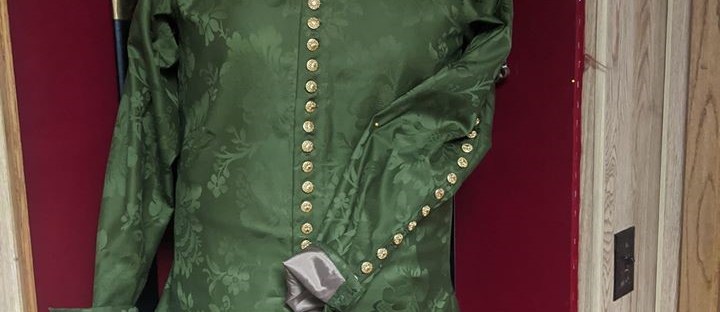
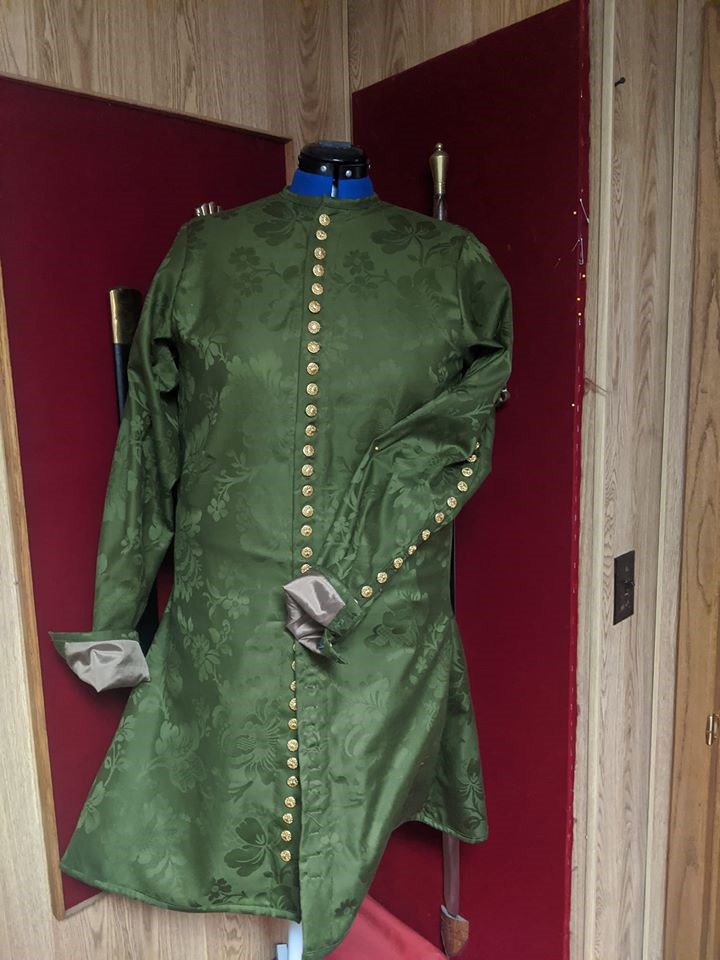
This cotehardie is brocaded fabric with a silk lining featuring a flared skirt

Inspiration Images

Common Materials

  • Fabrics:
    • Wool
    • silks
    • brocades
    • velvets
  • Ornamentation:
    • cloth or metal buttons

Effective Substitutions

  • Fabrics:
    • cottons
    • linens
    • linen blends
    • wool blends
  • Ornamentation:

Ensemble Components

  • linen undershirt
  • likely an early form of the doublet
  • .  Turn shoes, slippers or low boots

  • braies and hosen
  • Layers over the cotehardie could be gowns and houppelandes

Accessories

  • low slung belts, around the hips
  • pouches
  • garters
  • hood

Source/Links

http://www.chesholme.com/wfiles/2-1-Cotehardie.pdf

http://starsandgarters.org/2020/10/04/patterning-fitted-garments/

Version: 2
date: 2/26/21
Source of Period Pic: http://en.wikipedia.org/wiki/File:Bologna_marriage_men.jpg
Model:
Photographer: Vincent de Vere
  

Full Entry, Male

1300 CE Male Linen Cote

Title: 1300 CE Male Linen Cote
Entry #: GGB2021.045
Alternate Names: Gown, Frock coat, Tunic, over tunic, 
Year: 1300 CE
Time range: 1100-1400 CE
Era: High medieval
Gender: Male
region: Europe
Countries/cultures: Europe
Maker:
Difficulty: 2
Confidence: Image Examples

Intro:

A loose tunic like garment with buttons at the neck and cuffs bloused over a belt. Extending from below the waste to below the knee with long sleeves.

Description:

This garment, or variations of it can be seen in many paintings and illustrations that cross over several regions and time frames.  People from many stations in society use this functional garment, from laborers to merchants and higher. Varying slightly from its beginnings before 1100CE and fading in fashion for all but laborers late in period.

In general it is slightly more tailored tunic with the neck hole held closed by use of buttons rather than the earlier broaches.  Buttons may just close the neck hole, extend part way down the chest or to the bottom of the garment.  The cut is usually full producing a baggy garment belted at the waste and bloused over the belt.  Some assign the length of the garment to station, with average workmen wearing it shorter to the more wealthy merchants wearing a longer garment.

Likely worn with an undershirt and in some cases a simple doublet as well as hosen or trews.

Sometimes underrepresented in the SCA, cotes can easily produce a medieval look with an easily constructed garment.

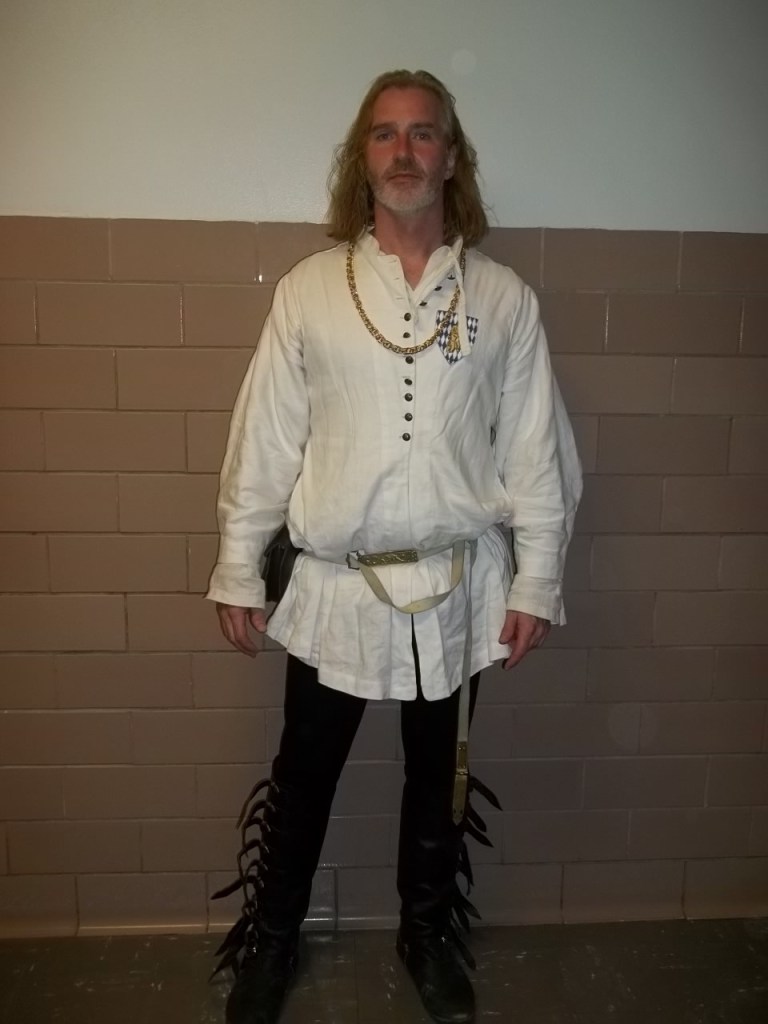
This example is a loose tunic like cote with buttons at the neck and cuffs bloused over a belt. Worn with riding boots.  A heraldic patch can be seen on the chest.

Inspiration Images

Common Materials

  • Fabrics:
    • wool
    • linen
    • brocades
  • Ornamentation:

Effective Substitutions

  • Fabrics:
    • wool blends
    • linen blends
    • cottons
    • lighter weight upholstery fabrics that simulate period patterns
  • Ornamentation:

Ensemble Components

  • Cote
  • under tunic
  • possibly a doublet

  • pants or breis/hosen
  • Could be covered by a surcote

Accessories

  • hat
  • shoes
  • belt
  • pouch

Source/Links

Version: 2
date: 2/25/2021
Source of Period Pic: http://en.wikipedia.org/wiki/File:48-aspetti_di_vita_quotidiana_ubriachezza_Taccuino_Sanitatis_Shoes.jpg
Model: Thaddeus Ellenbock
Photographer: Vincent de Vere