Female, Full Entry

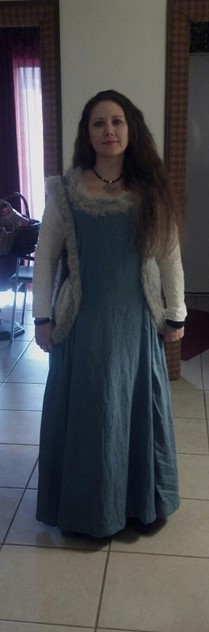
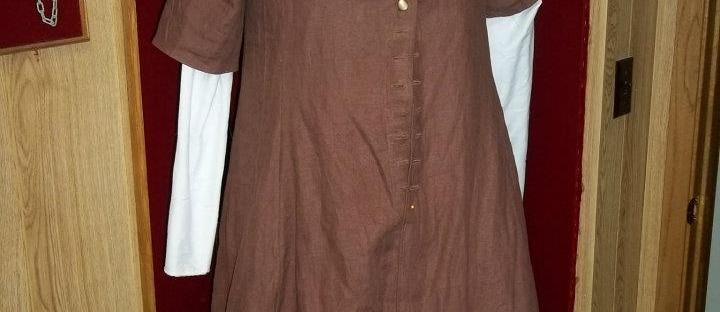
1200 CE Female Sideless Surcote 1

Title: 1200 CE Female Sideless Surcote 1
Entry #: GGB2021.039
Alternate Names: pellote 
Year: 1200 CE
Time range: 1100-1300’s CE
Era: High medieval
Gender: Female
region: European, western europe
Countries/cultures: England, france, spain
Maker: Jacqueline Storme
Difficulty: 1
Confidence: extant examples

Intro:

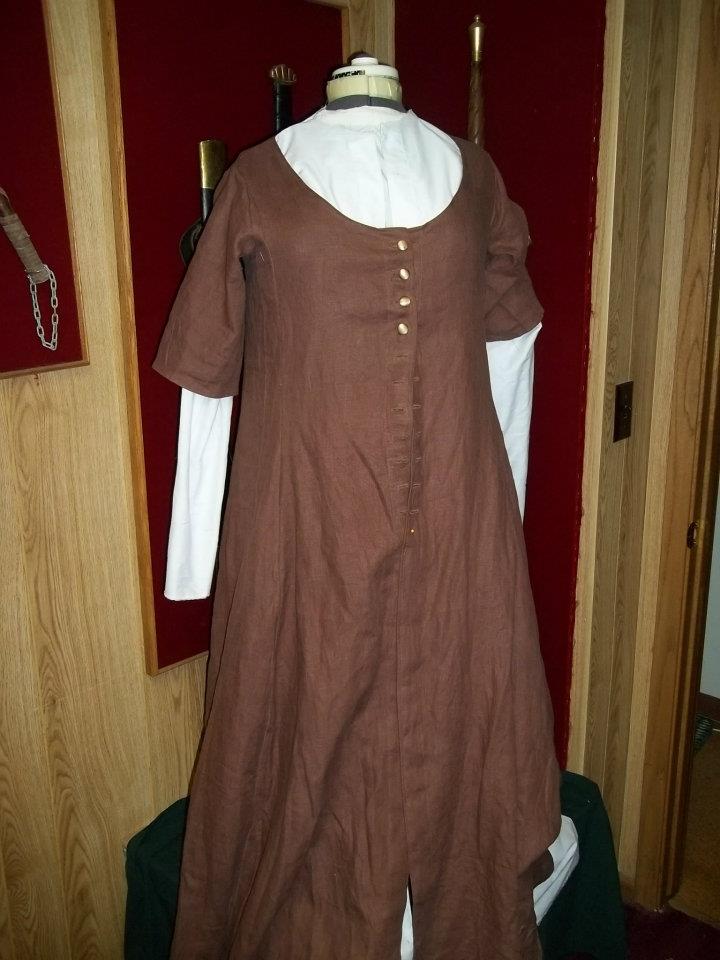
Outer layer garment with deeply cut arm holes worn with often form fitted undergarments that came in many variations and with examples for all sexes.

Description:

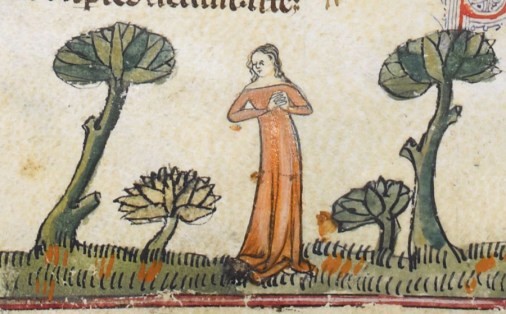
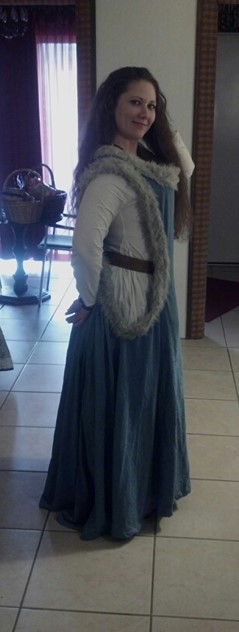
Sideless Surcotes are easily spotted by the deeply cut arm holes.  They commonly expose a more fitted garment beneath such as kirtles or fitted cotes. 

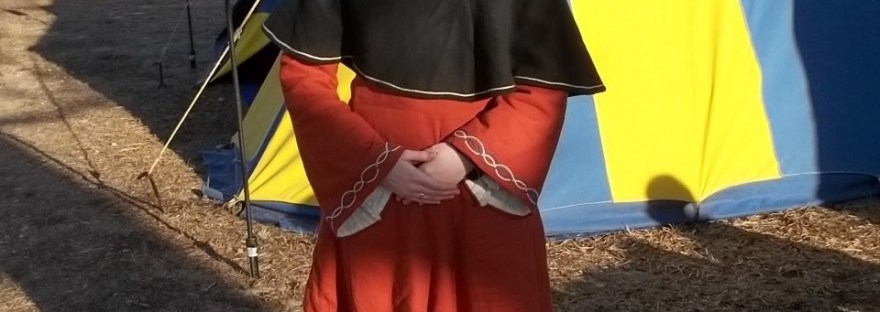
Parti-colored sideless surcote worn with a mantled hood.

These over dresses could vary from heraldic lesser modified cotes to heavily modified overdresses with narrow vertical front bands.  Easily sewn and open for many variations and modifications. Used in many parts of Europe during the first part of the high middle ages

Variations can include constructed materials, fur trim, heraldic displays, variations of depth of armhole, width of plastron (front and back bands,) width of hem, style of fitted under dress.

Inspiration Images

Common Materials

  • Fabrics:
    • Salk
    • celvets
    • brocades
    • fine wools
    • extant examples found constructed from silk damasks and jacquard
  • Ornamentation:

Effective Substitutions

  • Fabrics:
    • Silks
    • velvets
    • brocades
    • fine to medium coarse wools
    • wool blends
    • linen and linen blends
    • substituting poly velvets for silk velvets, or cotton velveteen – Not stretch velvets or crushed velvets.
  • Ornamentation:
    • High quality fake furs for trimming and lining. 

Ensemble Components

  • Sideless Surcote
  • Kirtle or cote
  • Underdress/undergarments

  • knee length hose
  • turn shoes or slippers
  • mantled hood

Accessories

  • belt
  • (worn under the surcote and over the fitted garment)
  • coif/hat/veil – works well with a barbette and fillet

Source/Links

http://www.wodefordhall.com/surcote.htm

http://www.bayrose.org/AandS/handouts/Sideless_Surcoat_web.pdf

Version: 2
date: 3/6/21
Source of Period Pic: http://www.insecula.com/oeuvre/O0000311.html
Model: Jacqueline Storme
Photographer: Jacqueline Storme
  

Female, Full Entry

1200 CE European Female Cote

Title: 1200 CE European Female Cote
Entry #: GGB2021.038
Alternate Names: Gown, Frock coat, Tunic, over tunic 
Year: 1200 CE
Time range: 1100-1400 CE
Era: High medieval
Gender: Female
region: Europe
Countries/cultures: Europe, French, English
Maker: Ayla Von Johanaa
Difficulty: 2
Confidence: Image Examples

Intro:

A loose tunic dress like garment with a wide neck hole pulled over the head. Used in many parts of Europe for a wide range of the high meddle ages.

Description:

This garment, or variations of it can be seen in many paintings and illustrations that cross over several regions and time frames.  People from many stations in society use this functional garment, from laborers to merchants and higher. Varying slightly from its beginnings before 1100CE and fading in fashion for all but laborers late in period.

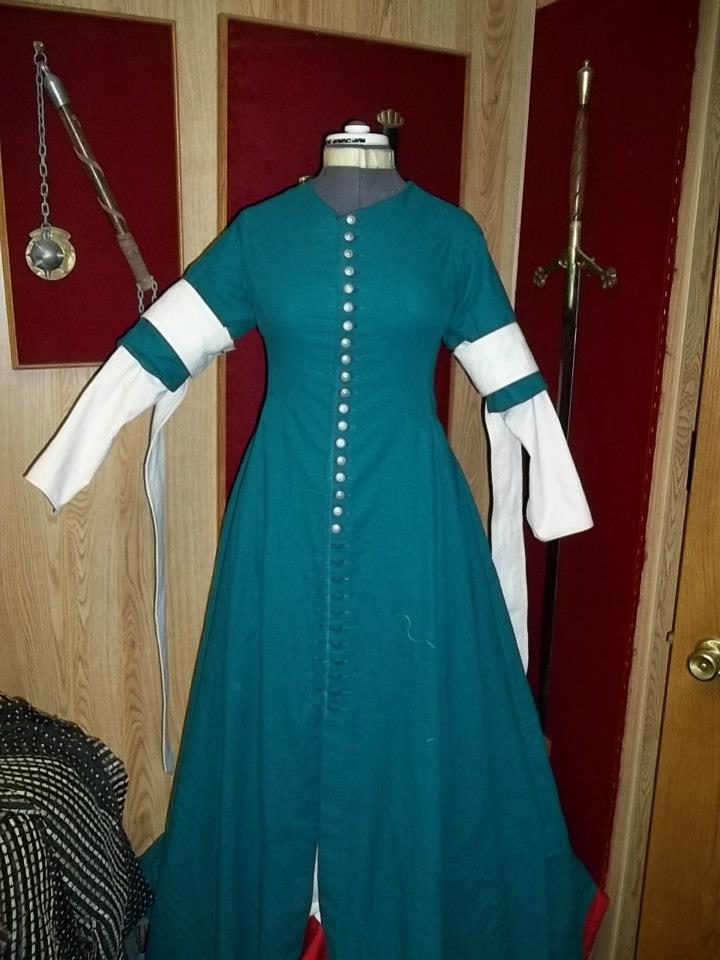
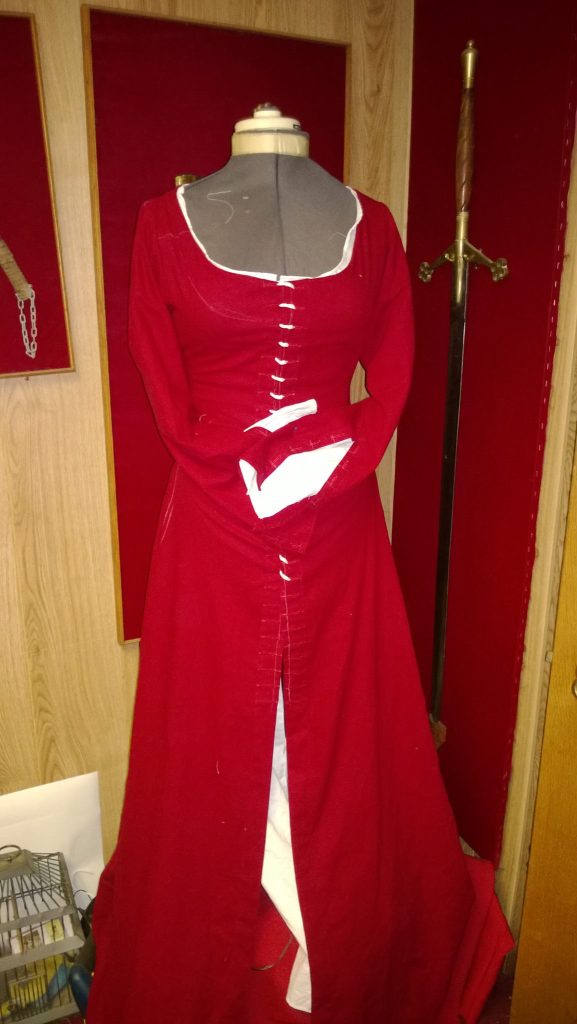
In general it is slightly more tailored tunic with the neck hole held closed by use of buttons rather than the earlier broaches.  Buttons may just close the neck hole.  The cut is usually full producing a baggy garment belted at the waste.  Worn with an underdress and sometimes a kirtle or other dress layer and possibly with a gown outer layer. 

Sometimes underrepresented in the SCA, cotes can easily produce a medieval look with an easily constructed garment.

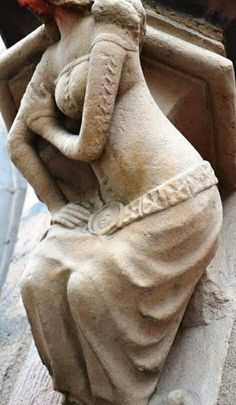
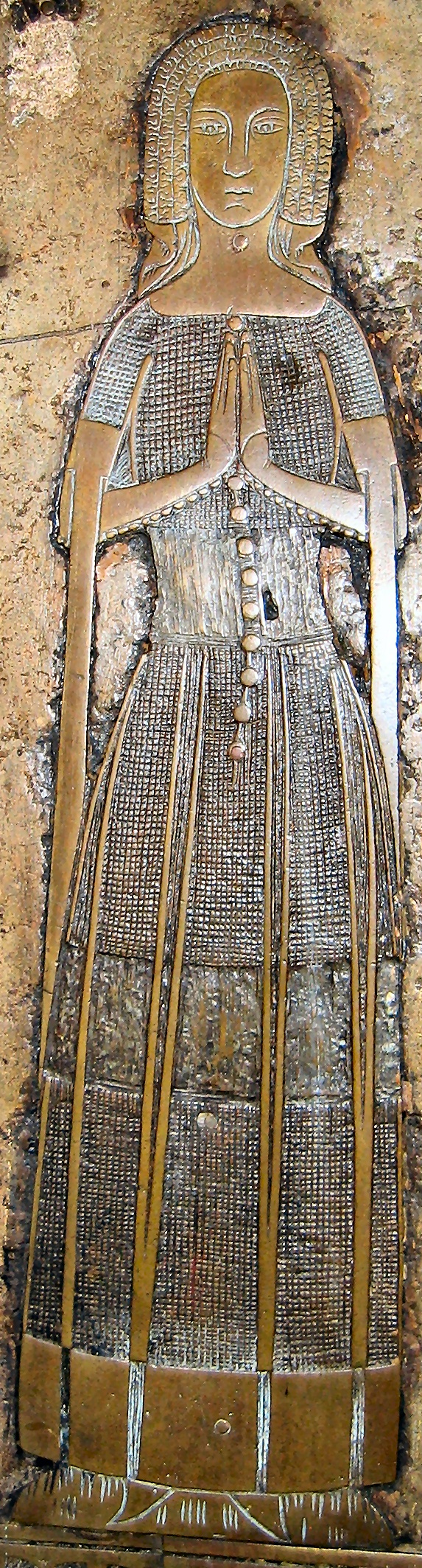
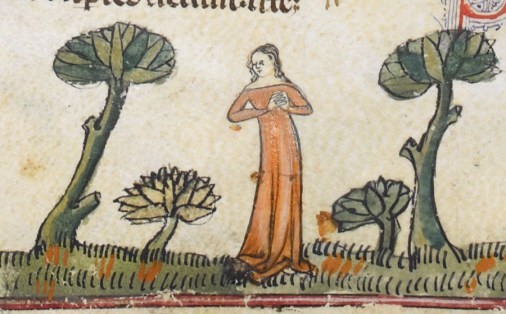
Red dress with embroidery along cuffs, neckline and hem line worn with a mantled hood.  This was a dress constructed in the tunic like style similar to examples from 1100’s to 1200’s with slight bell sleeves.  Worn over a tunic style underdress.

Inspiration Images

Common Materials

  • Fabrics:
    • wools, silks
  • Ornamentation:

Effective Substitutions

  • Fabrics:
    • wool blends
    • linen blends
    • cottons
    • lighter weight upholstery fabrics that simulate period patterns
  • Ornamentation:

Ensemble Components

  • Cote
  • underdress
  • veil

  • hood
  • coif
  • could be covered by a surcote

Accessories

  • belt
  • pouch
  • shoes

Source/Links

The Medieval Tailors Assistant, by Sarah Thursfield, has instructions on constructing such garments

Version: 2
date: 2/27/2021
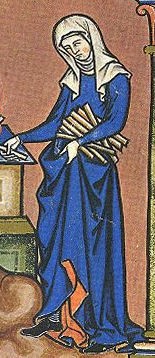
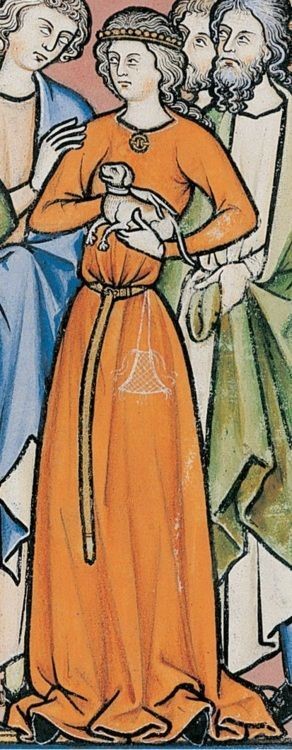
Source of Period Pic: 1- the Morgan Bible, c. 1250: the wife of Manoah ,2- 1200’s, Strasbourg Cathedral and Strasbourg
Model: Ayla Von Johanaa
Photographer: Vincent de Vere
  

Component Entry, Female, Male, Unisex

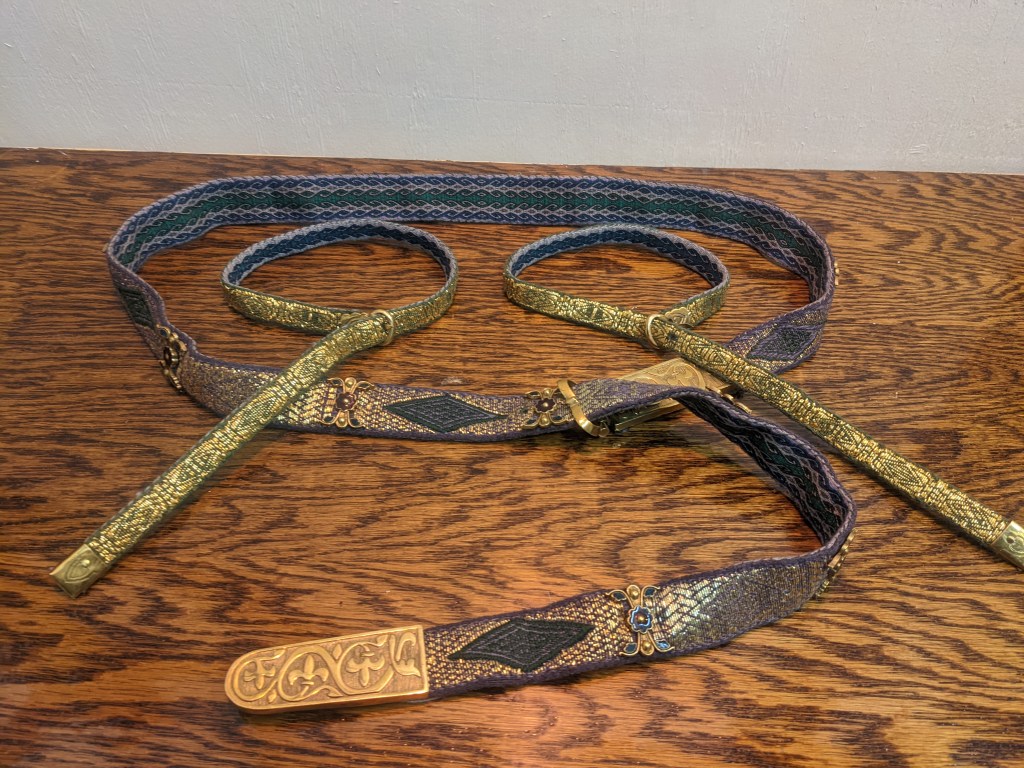
Belt, Tablet woven 1 with garters

TitleBrocaded tablet woven belt and garters Belt with Reproduction Buckle
Entry #GGC2021.034
Alternate NamesBelt, Girdle
Year1275
Time range1200-1300
EraHigh Medieval
GenderUnisex
regionEurope
Countries/culturesEurope
MakerKristine nic Tallieur,
Difficulty5
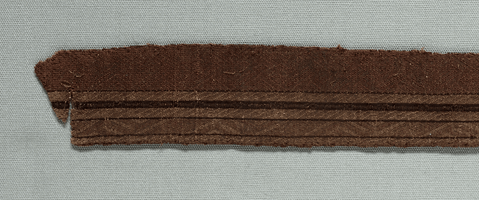
ConfidenceExtant fragment

Intro:

 Various belts.      

Description:

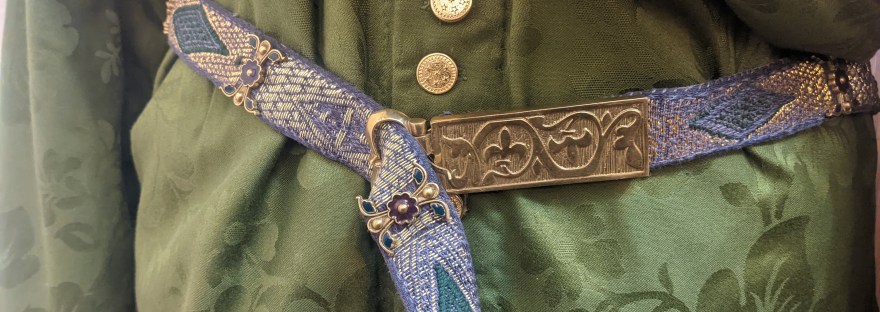
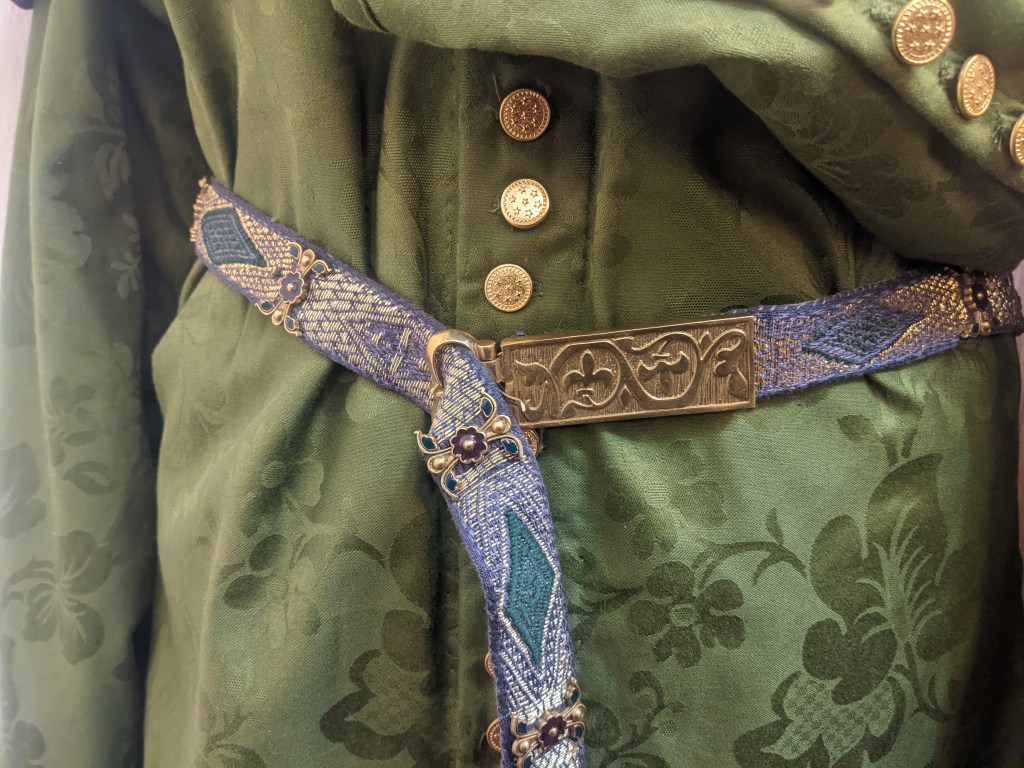
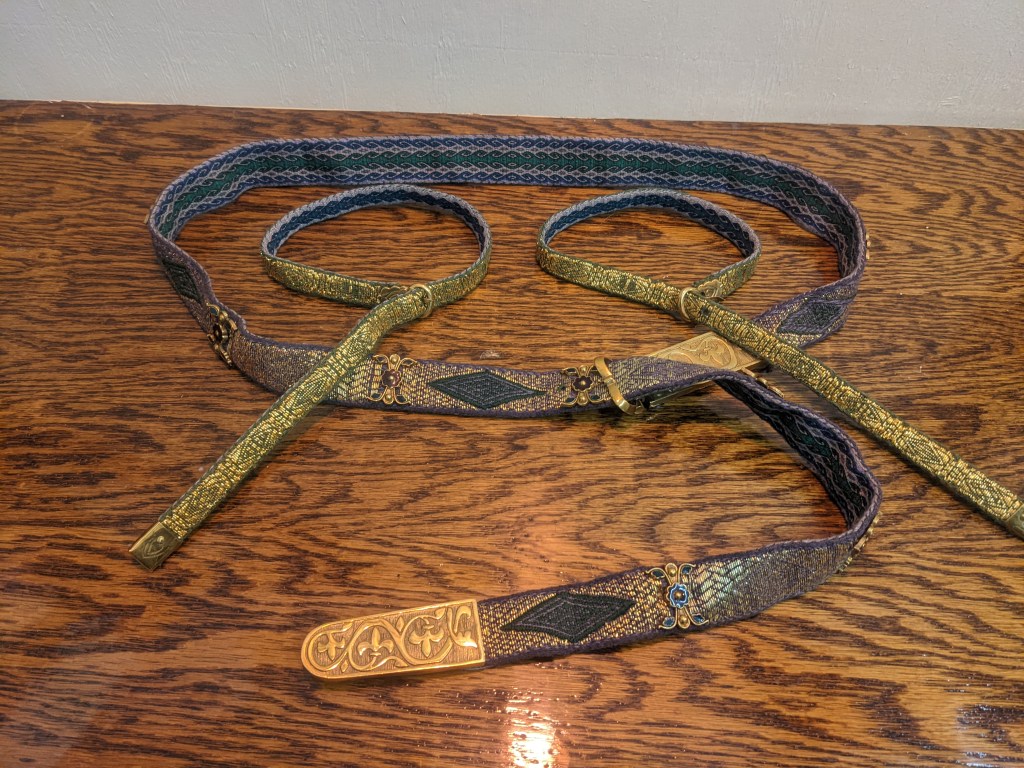
This is a tablet woven belt made in two layers.  The outer layer is cotton with mylar wrapped thread that emulates gold thread used in period weaving. The images woven into the belt using a brocade technique.   The belt is woven in two parts with a cotton inner belt and the layers are sewn together. The buckle is a reproduction of a 1200-1300’s buckle found in the Budapest Museum of History, Nomad hall purchased from a reenactor vendor.      

The garters are made in the same manner. 

Inspiration Images

Common Materials

  • Fabrics:
    • Linen, silk, gold wire, bronze/copper alloy
  • Ornamentation:

Effective Substitutions

  • Fabrics:
    • Silk, cotton, linen, wool, mylar thread, brass, bronze
  • Ornamentation:

Ensemble Components

Accessories

  • buckle copy of one found in Hungary, 13-14 c. Stored in Budapest Museum of History, Nomad hall

Source/Links

Cleveland Museum of Art, CC0, via Wikimedia Commons https://commons.wikimedia.org/wiki/File:Italy,_Sicily,_end_of_11th_century_-_Two_Galloon_Fragments_Mounted_Together_-_1940.492.a_-_Cleveland_Museum_of_Art.tif

Version1
date1/9/2022
Source of Period PicWikipedia commons, Cleveland Museum of Art
Model 
PhotographerVincent De Vere
  
Female, Full Entry

1370 CE Female, Cotehardie 5

Title: 1370 CE Female, Cotehardie 5
Entry #: GGB2021.051
Alternate Names: Gothic Fitted Dress 
Year: 1370
Time range: 1350-1400 CE
Era: High Medieval
Gender: Female
region: Western europe, central europe
Countries/cultures: France, England,
Maker: Vincent de Vere
Difficulty: 2
Confidence: Image Examples

Intro:

Fitted female garment forming an outer or middle layer.  

Description:

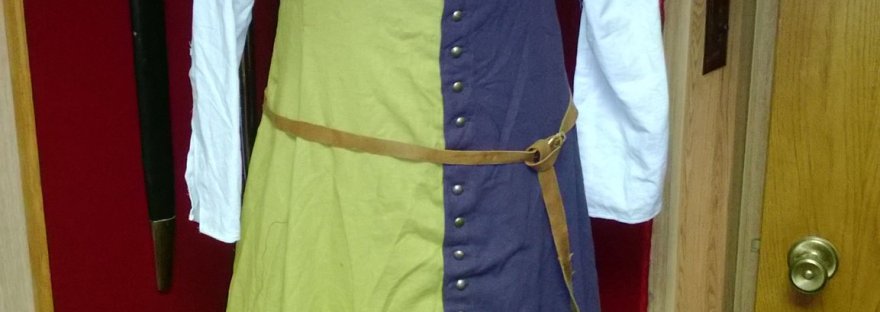
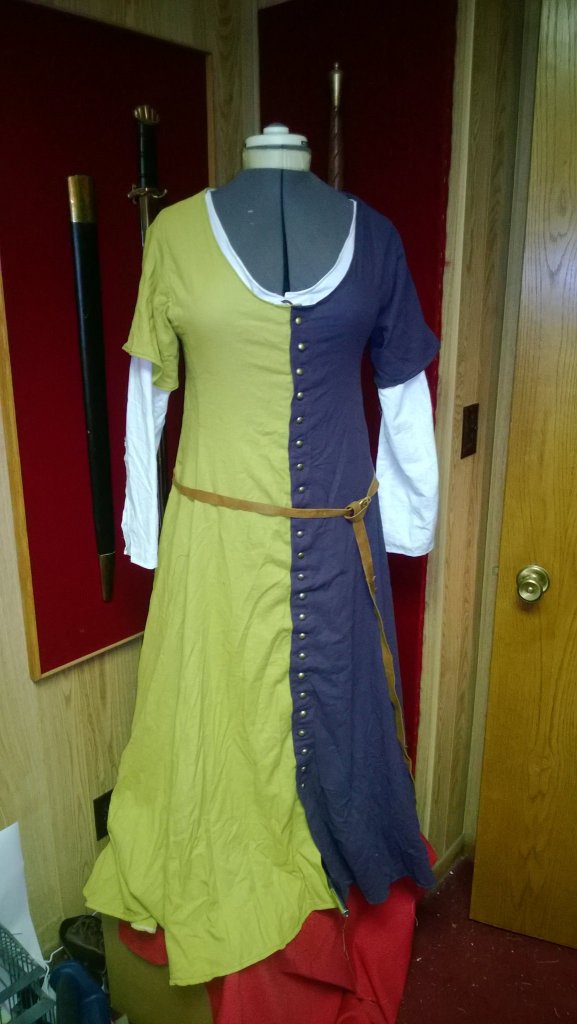
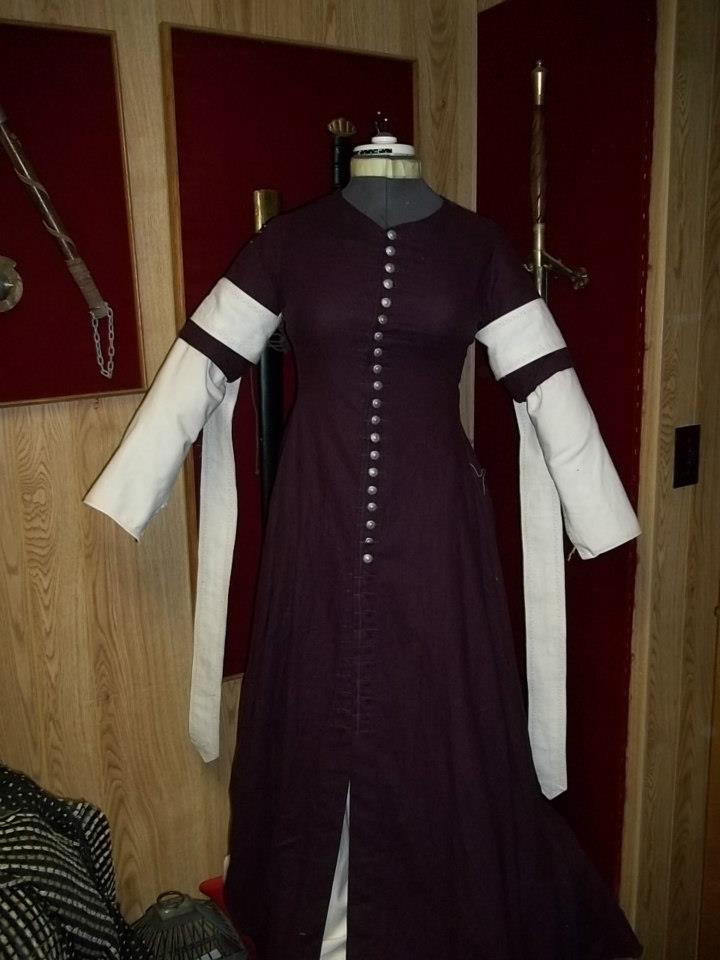
Purple and gold parti colored cotehardie over white kirtle
  As female garments became more fitted in the 1300s the unfitted tunic like dresses became more tailored and fitted. 
 A loose shift or slip like garment could be worn as a base layer.  There is limited evidence for underwear.  The bust could be supported with just the fitted layers.
 A kirtle layer worn between the shift and the cotehardie could be laced up the front and the sleeves could be buttoned or laced.  The kirtle layer is often fitted as to be supportive in the bust and not as long as the cotehardie layer. 
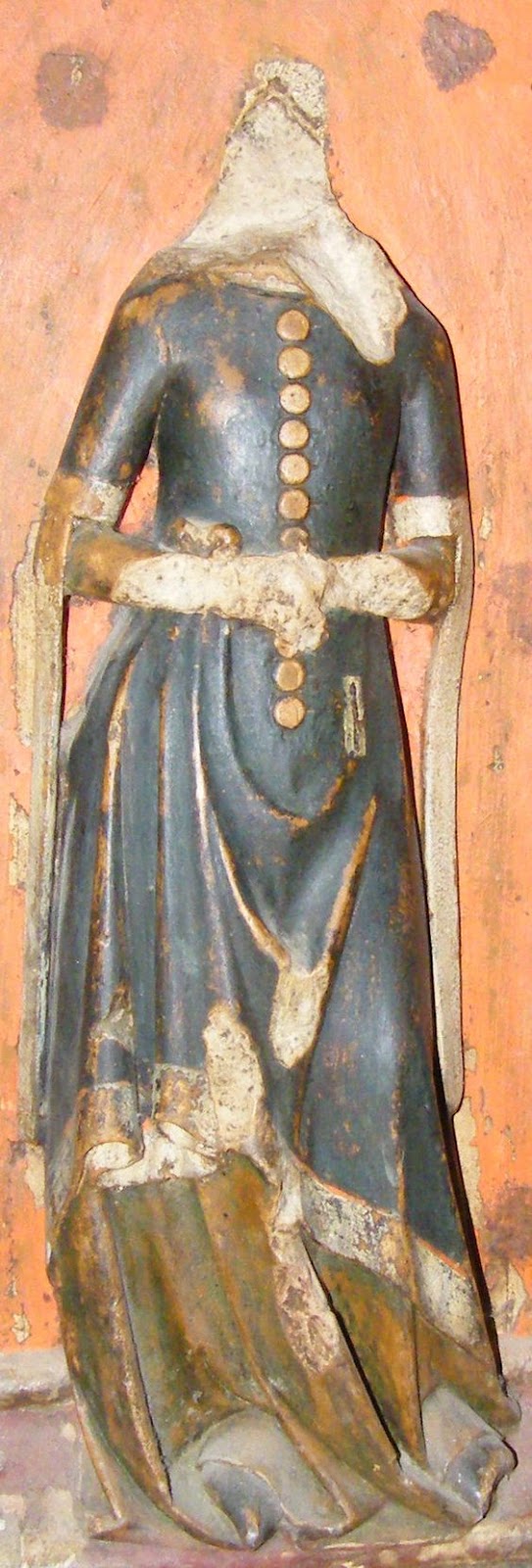
 The cotehardie layer over the kirtle later adds to the support of the bust line.  The neck line could be plunging or more modest.  The dress is often shown with a large number of closely spaced buttons on a front closure. The sleeves could be short, short with sleeve streamers (a very stereotypical cotehardie look) or longer.  Some examples extend over the hand almost to the fingers.  The cotehardie layer would be floor length.  The belt is often shown slung low on the hips.

Inspiration Images

Common Materials

  • Fabrics:
    • fine cloths
    • silks
    • brocades
    • fine wools
  • Ornamentation:

Effective Substitutions

  • Fabrics:
    • Silks
    • linens
    • linen blends with rayon or cotton
    • brocades.
    • Some cotton poly brocades can work to mimic the look of rich brocades, but the higher the poly content the more unpleasant the garment is to wear.
  • Ornamentation:

Ensemble Components

  • Slip/shift
  • Kirtle Cotehardie
  • purse

  • coifs/undercaps/hoods
  • belt
  • turnshoes

Accessories

Source/Links

http://www.chesholme.com/wfiles/2-1-Cotehardie.pdf

http://starsandgarters.org/2020/10/04/patterning-fitted-garments/

Version: 2
date: 2/26/2021
Source of Period Pic:
Model:
Photographer: Vincent De Vere
  

Female, Full Entry

1370 CE Female, Cotehardie 4

Title: 1370 CE Female, Cotehardie 4
Entry #: GGB2021.050
Alternate Names: Gothic Fitted Dress 
Year: 1370
Time range: 1350-1400 CE
Era: High Medieval
Gender: Female
region: Western europe, central europe
Countries/cultures: France, England,
Maker: Vincent de Vere
Difficulty: 2
Confidence: Image Examples

Intro:

Fitted female garment forming an outer or middle layer.  

Description:

Blue linen/rayon cotehardie over white kirtle with white sleeve streamers (aka tippets)
  As female garments became more fitted in the 1300s the unfitted tunic like dresses became more tailored and fitted. 
 A loose shift or slip like garment could be worn as a base layer.  There is limited evidence for underwear.  The bust could be supported with just the fitted layers.
 A kirtle layer worn between the shift and the cotehardie could be laced up the front and the sleeves could be buttoned or laced.  The kirtle layer is often fitted as to be supportive in the bust and not as long as the cotehardie layer. 
 The cotehardie layer over the kirtle later adds to the support of the bust line.  The neck line could be plunging or more modest.  The dress is often shown with a large number of closely spaced buttons on a front closure. The sleeves could be short, short with sleeve streamers (a very stereotypical cotehardie look) or longer.  Some examples extend over the hand almost to the fingers.  The cotehardie layer would be floor length.  The belt is often shown slung low on the hips.

Inspiration Images

Common Materials

  • Fabrics:
    • fine cloths
    • silks
    • brocades
    • fine wools
  • Ornamentation:

Effective Substitutions

  • Fabrics:
    • Silks
    • linens
    • linen blends with rayon or cotton
    • brocades.
    • Some cotton poly brocades can work to mimic the look of rich brocades, but the higher the poly content the more unpleasant the garment is to wear.
  • Ornamentation:

Ensemble Components

  • Slip/shift
  • Kirtle Cotehardie
  • purse

  • coifs/undercaps/hoods
  • belt
  • turnshoes

Accessories

Source/Links

http://www.chesholme.com/wfiles/2-1-Cotehardie.pdf

http://starsandgarters.org/2020/10/04/patterning-fitted-garments/

Version: 2
date: 2/26/2021
Source of Period Pic:
Model:
Photographer: Vincent De Vere
  

Female, Full Entry

1370 CE Female, Cotehardie 3

Title: 1370 CE Female, Cotehardie 3
Entry #: GGB2021.049
Alternate Names: Gothic Fitted Dress 
Year: 1370
Time range: 1350-1400 CE
Era: High Medieval
Gender: Female
region: Western europe, central europe
Countries/cultures: France, England,
Maker: Vincent de Vere
Difficulty: 2
Confidence: Image Examples

Intro:

Fitted female garment forming an outer or middle layer.  

Description:

Purple linen/rayon cotehardie over white kirtle with white sleeve streamers (aka tippets)
  As female garments became more fitted in the 1300s the unfitted tunic like dresses became more tailored and fitted. 
 A loose shift or slip like garment could be worn as a base layer.  There is limited evidence for underwear.  The bust could be supported with just the fitted layers.
 A kirtle layer worn between the shift and the cotehardie could be laced up the front and the sleeves could be buttoned or laced.  The kirtle layer is often fitted as to be supportive in the bust and not as long as the cotehardie layer. 
 The cotehardie layer over the kirtle later adds to the support of the bust line.  The neck line could be plunging or more modest.  The dress is often shown with a large number of closely spaced buttons on a front closure. The sleeves could be short, short with sleeve streamers (a very stereotypical cotehardie look) or longer.  Some examples extend over the hand almost to the fingers.  The cotehardie layer would be floor length.  The belt is often shown slung low on the hips.

Inspiration Images

Common Materials

  • Fabrics:
    • fine cloths
    • silks
    • brocades
    • fine wools
  • Ornamentation:

Effective Substitutions

  • Fabrics:
    • Silks
    • linens
    • linen blends with rayon or cotton
    • brocades.
    • Some cotton poly brocades can work to mimic the look of rich brocades, but the higher the poly content the more unpleasant the garment is to wear.
  • Ornamentation:

Ensemble Components

  • Slip/shift
  • Kirtle Cotehardie
  • purse

  • coifs/undercaps/hoods
  • belt
  • turnshoes

Accessories

Source/Links

http://www.chesholme.com/wfiles/2-1-Cotehardie.pdf

http://starsandgarters.org/2020/10/04/patterning-fitted-garments/

Version: 2
date: 2/26/2021
Source of Period Pic:
Model:
Photographer: Vincent De Vere
  

Female, Full Entry

1370 CE Female, Cotehardie 2

Title: 1370 CE Female, Cotehardie 2
Entry #: GGB2021.048
Alternate Names: Gothic Fitted Dress 
Year: 1370
Time range: 1350-1400 CE
Era: High Medieval
Gender: Female
region: Western europe, central europe
Countries/cultures: France, England,
Maker: Vincent de Vere
Difficulty: 2
Confidence: Image Examples

Intro:

Fitted female garment forming an outer or middle layer.  

Description:

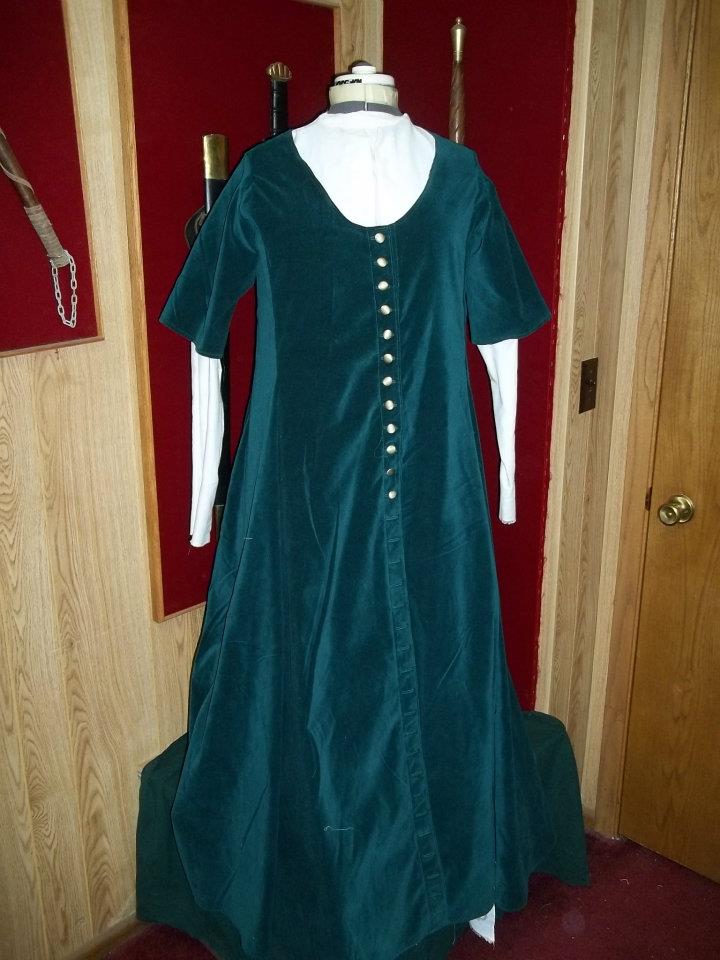
Velvet cotehardie over white kirtle
  As female garments became more fitted in the 1300s the unfitted tunic like dresses became more tailored and fitted. 
 A loose shift or slip like garment could be worn as a base layer.  There is limited evidence for underwear.  The bust could be supported with just the fitted layers.
 A kirtle layer worn between the shift and the cotehardie could be laced up the front and the sleeves could be buttoned or laced.  The kirtle layer is often fitted as to be supportive in the bust and not as long as the cotehardie layer. 
 The cotehardie layer over the kirtle later adds to the support of the bust line.  The neck line could be plunging or more modest.  The dress is often shown with a large number of closely spaced buttons on a front closure. The sleeves could be short, short with sleeve streamers (a very stereotypical cotehardie look) or longer.  Some examples extend over the hand almost to the fingers.  The cotehardie layer would be floor length.  The belt is often shown slung low on the hips.

Inspiration Images

Common Materials

  • Fabrics:
    • fine cloths
    • silks
    • brocades
    • fine wools
  • Ornamentation:

Effective Substitutions

  • Fabrics:
    • Silks
    • linens
    • linen blends with rayon or cotton
    • brocades.
    • Some cotton poly brocades can work to mimic the look of rich brocades, but the higher the poly content the more unpleasant the garment is to wear.
  • Ornamentation:

Ensemble Components

  • Slip/shift
  • Kirtle Cotehardie
  • purse

  • coifs/undercaps/hoods
  • belt
  • turnshoes

Accessories

Source/Links

http://www.chesholme.com/wfiles/2-1-Cotehardie.pdf

http://starsandgarters.org/2020/10/04/patterning-fitted-garments/

Version: 2
date: 2/26/2021
Source of Period Pic:
Model:
Photographer: Vincent De Vere
  

Female, Full Entry

1370 CE Female, Cotehardie 1

Title: 1370 CE Female, Cotehardie 1
Entry #: GGB2021.047
Alternate Names: Gothic Fitted Dress 
Year: 1370
Time range: 1350-1400 CE
Era: High Medieval
Gender: Female
region: Western europe, central europe
Countries/cultures: France, England,
Maker: Vincent de Vere
Difficulty: 2
Confidence: Image Examples

Intro:

Fitted female garment forming an outer or middle layer.  

Description:

Light linen cotehardie over white kirtle
  As female garments became more fitted in the 1300s the unfitted tunic like dresses became more tailored and fitted. 
 A loose shift or slip like garment could be worn as a base layer.  There is limited evidence for underwear.  The bust could be supported with just the fitted layers.
 A kirtle layer worn between the shift and the cotehardie could be laced up the front and the sleeves could be buttoned or laced.  The kirtle layer is often fitted as to be supportive in the bust and not as long as the cotehardie layer. 
 The cotehardie layer over the kirtle later adds to the support of the bust line.  The neck line could be plunging or more modest.  The dress is often shown with a large number of closely spaced buttons on a front closure. The sleeves could be short, short with sleeve streamers (a very stereotypical cotehardie look) or longer.  Some examples extend over the hand almost to the fingers.  The cotehardie layer would be floor length.  The belt is often shown slung low on the hips.

Inspiration Images

Common Materials

  • Fabrics:
    • fine cloths
    • silks
    • brocades
    • fine wools
  • Ornamentation:

Effective Substitutions

  • Fabrics:
    • Silks
    • linens
    • linen blends with rayon or cotton
    • brocades.
    • Some cotton poly brocades can work to mimic the look of rich brocades, but the higher the poly content the more unpleasant the garment is to wear.
  • Ornamentation:

Ensemble Components

  • Slip/shift
  • Kirtle Cotehardie
  • purse

  • coifs/undercaps/hoods
  • belt
  • turnshoes

Accessories

Source/Links

http://www.chesholme.com/wfiles/2-1-Cotehardie.pdf

http://starsandgarters.org/2020/10/04/patterning-fitted-garments/

Version: 2
date: 2/26/2021
Source of Period Pic:
Model:
Photographer: Vincent De Vere
  

Female, Full Entry

1370 CE Female, Cotehardie 6

Title: 1370 CE Female, Cotehardie 6
Entry #: GGB2021.052
Alternate Names: Gothic Fitted Dress 
Year: 1370
Time range: 1350-1400 CE
Era: High Medieval
Gender: Female
region: Western europe, central europe
Countries/cultures: France, England,
Maker: Vincent de Vere
Difficulty: 2
Confidence: Image Examples

Intro:

Fitted female garment forming an outer or middle layer.  

Description:

 As female garments became more fitted in the 1300s the unfitted tunic like dresses became more tailored and fitted. 
 A loose shift or slip like garment could be worn as a base layer.  There is limited evidence for underwear.  The bust could be supported with just the fitted layers.
 A kirtle layer worn between the shift and the cotehardie could be laced up the front and the sleeves could be buttoned or laced.  The kirtle layer is often fitted as to be supportive in the bust and not as long as the cotehardie layer. 
 The cotehardie layer over the kirtle later adds to the support of the bust line.  The neck line could be plunging or more modest.  The dress is often shown with a large number of closely spaced buttons on a front closure. The sleeves could be short, short with sleeve streamers (a very stereotypical cotehardie look) or longer.  Some examples extend over the hand almost to the fingers.  The cotehardie layer would be floor length.  The belt is often shown slung low on the hips.

This example is a Red Linen cotehardie over a white kirtle

Inspiration Images

Common Materials

  • Fabrics:
    • fine cloths
    • silks
    • brocades
    • fine wools
  • Ornamentation:

Effective Substitutions

  • Fabrics:
    • Silks
    • linens
    • linen blends with rayon or cotton
    • brocades.
    • Some cotton poly brocades can work to mimic the look of rich brocades, but the higher the poly content the more unpleasant the garment is to wear.
  • Ornamentation:

Ensemble Components

  • Slip/shift
  • Kirtle Cotehardie
  • purse

  • coifs/undercaps/hoods
  • belt
  • turnshoes

Accessories

Source/Links

http://www.chesholme.com/wfiles/2-1-Cotehardie.pdf

http://starsandgarters.org/2020/10/04/patterning-fitted-garments/

Version: 2
date: 2/26/2021
Source of Period Pic:
Model:
Photographer: Vincent De Vere
  

Female, Full Entry

1380 CE Female Kirtle and Cote

Title: 1380 CE Female Kirtle and Cote
Entry #: GGB2021.061
Alternate Names: Cotehardie, gothic fitted gown 
Year: 1380 CE
Time range: 1350-1400 CE
Era: Late Medieval
Gender: Female
region: Western europe
Countries/cultures: France, england
Maker: Avery Quatremaine
Difficulty: 4
Confidence: Image Examples

Intro:

Fitted female garment forming an outer or middle layer including the foundational garments.  

Description:

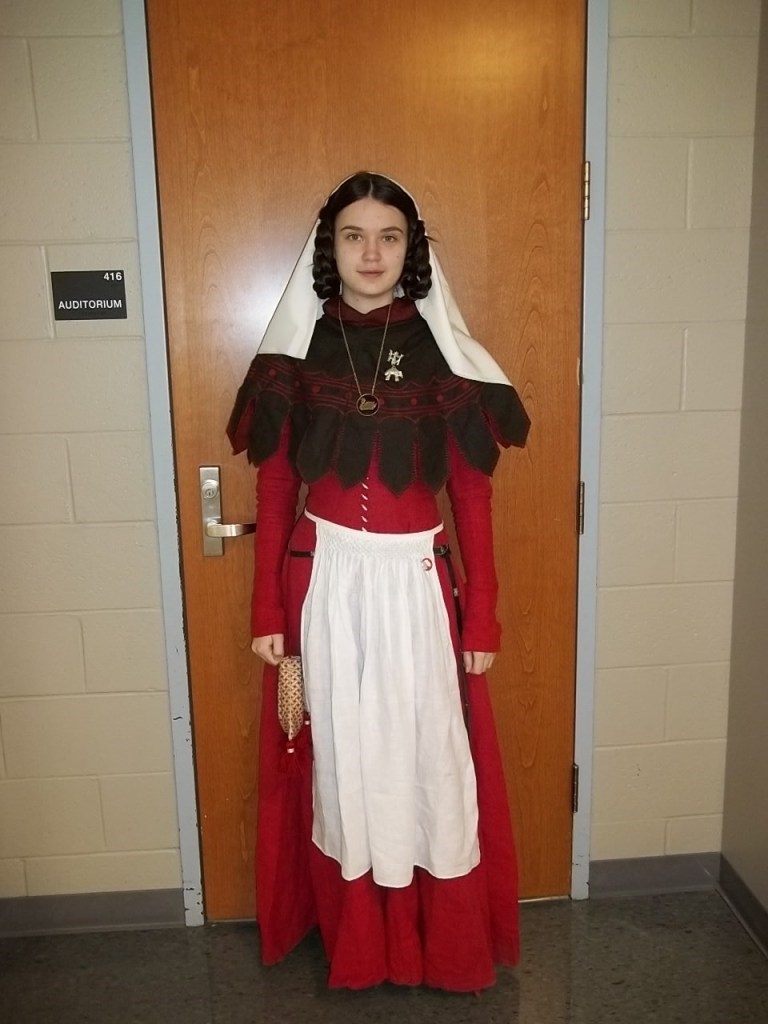
Red wool cote (in this case similar to other entries on cotehardies) over an unseen kirtle supportive layer.  Seen with accurate accessories of an apron, hood and veil.

As female garments became more fitted in the 1300s the unfitted tunic like dresses became more tailored and fitted. 

A loose shift or slip like garment could be worn as a base layer.  There is limited evidence for underwear.  The bust could be supported with just the fitted layers.

A kirtle layer worn between the shift and the cote could be laced up the front and the sleeves could be buttoned or laced.  The kirtle layer is often fitted as to be supportive in the bust and not as long as the cotehardie layer. 

The cote layer over the kirtle later adds to the support of the bust line.  The neck line could be plunging or more modest.  The dress is often shown with a large number of closely spaced buttons on a front closure. The sleeves could be short, short with sleeve streamers (a very stereotypical cote look) or longer.  Some examples extend over the hand almost to the fingers.  The cotehardie layer would be floor length.  The belt is often shown slung low on the hips. 

This is a case where the person who made the garment prefers to call this a cote, where others would call it a cotehardie or a gothic fitted dress. 

Inspiration Images

Common Materials

  • Fabrics:
    • Cote – wool, silks,
    • Kirtle – Wool, linens
    • Underdress – linen
    • Hood – wool
    • Apron – linen
  • Ornamentation:

Effective Substitutions

  • Fabrics:
    • Cote – wool blends, linens, linen blends, some cottons, silks, silk blends
    • Kirtle – Wool blends, linens, linen blends, some cottons
    • Underdress – linen, linen blends, some cottons
    • Hood – wool, wool blends, Linen,  linen blends, some cottons
    • Apron – linen, linen blends, cottons
  • Ornamentation:

Ensemble Components

  • Cote (Cotehardie)
  • kirtle

  • underdress/shift/slip
  • hose (knee high)

Accessories

  • Hoods – in this case a liripipe hood
  • belt
  • purse
  • turn shoes or slippers

Source/Links

http://www.chesholme.com/wfiles/2-1-Cotehardie.pdf

http://starsandgarters.org/2020/10/04/patterning-fitted-garments/

Version: 2
date: 3/1/2021
Source of Period Pic:
Model: Avery Quatremaine
Photographer: Vincent de Vere