Female, Full Entry

1370 CE Female, Cotehardie 6

Title: 1370 CE Female, Cotehardie 6
Entry #: GGB2021.052
Alternate Names: Gothic Fitted Dress 
Year: 1370
Time range: 1350-1400 CE
Era: High Medieval
Gender: Female
region: Western europe, central europe
Countries/cultures: France, England,
Maker: Vincent de Vere
Difficulty: 2
Confidence: Image Examples

Intro:

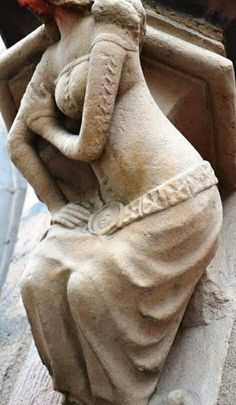
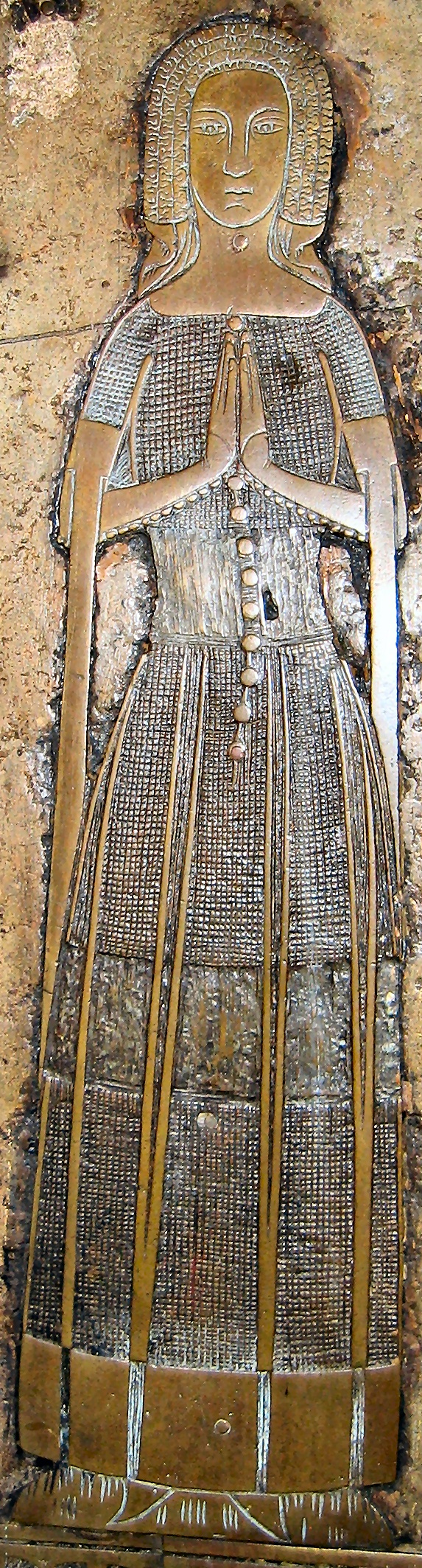
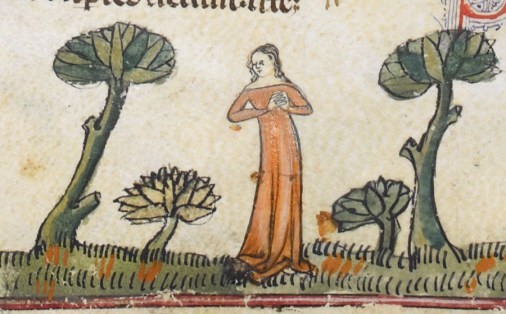
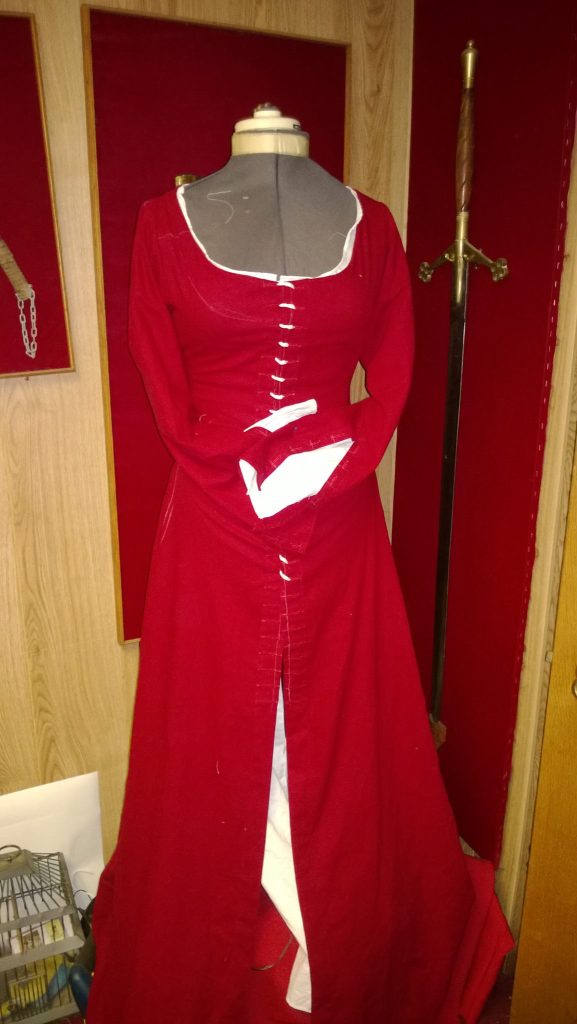
Fitted female garment forming an outer or middle layer.  

Description:

 As female garments became more fitted in the 1300s the unfitted tunic like dresses became more tailored and fitted. 
 A loose shift or slip like garment could be worn as a base layer.  There is limited evidence for underwear.  The bust could be supported with just the fitted layers.
 A kirtle layer worn between the shift and the cotehardie could be laced up the front and the sleeves could be buttoned or laced.  The kirtle layer is often fitted as to be supportive in the bust and not as long as the cotehardie layer. 
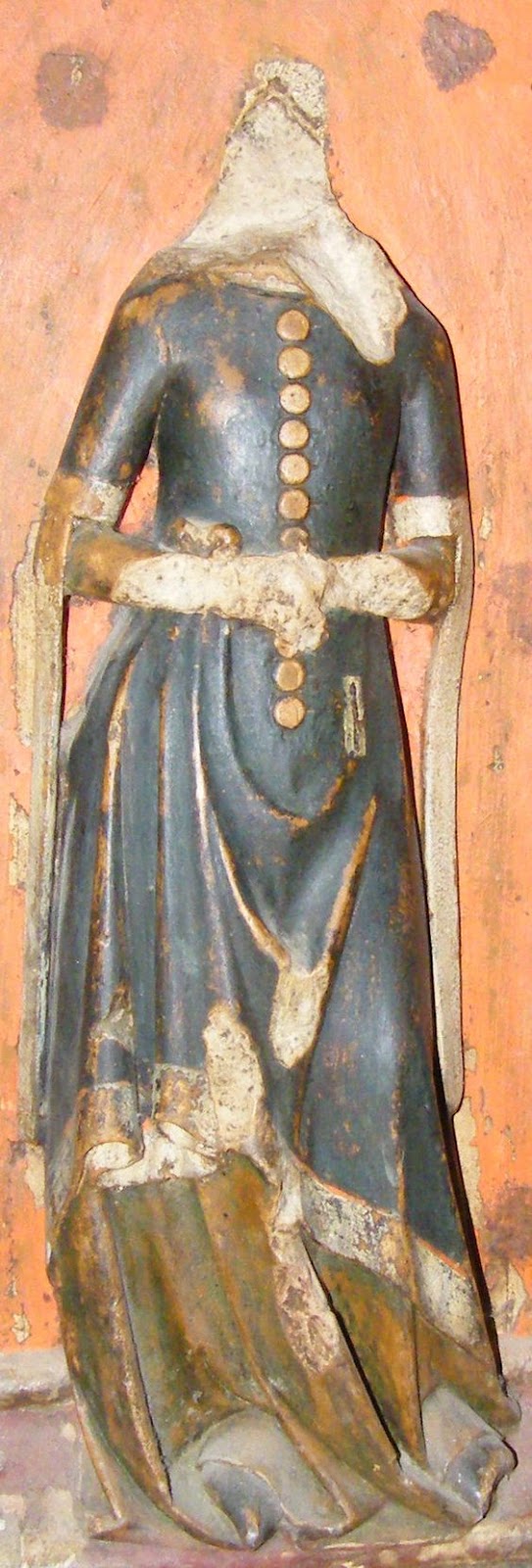
 The cotehardie layer over the kirtle later adds to the support of the bust line.  The neck line could be plunging or more modest.  The dress is often shown with a large number of closely spaced buttons on a front closure. The sleeves could be short, short with sleeve streamers (a very stereotypical cotehardie look) or longer.  Some examples extend over the hand almost to the fingers.  The cotehardie layer would be floor length.  The belt is often shown slung low on the hips.

This example is a Red Linen cotehardie over a white kirtle

Inspiration Images
Common Materials

  • Fabrics:
    • fine cloths
    • silks
    • brocades
    • fine wools
  • Ornamentation:

Effective Substitutions

  • Fabrics:
    • Silks
    • linens
    • linen blends with rayon or cotton
    • brocades.
    • Some cotton poly brocades can work to mimic the look of rich brocades, but the higher the poly content the more unpleasant the garment is to wear.
  • Ornamentation:

Ensemble Components

  • Slip/shift
  • Kirtle Cotehardie
  • purse

  • coifs/undercaps/hoods
  • belt
  • turnshoes

Accessories

Source/Links

http://www.chesholme.com/wfiles/2-1-Cotehardie.pdf

http://starsandgarters.org/2020/10/04/patterning-fitted-garments/

Version: 2
date: 2/26/2021
Source of Period Pic:
Model:
Photographer: Vincent De Vere
  

Full Entry, Male

1350 CE Male Cotehardie 7

Title: 1350 CE Male Cotehardie 7
Entry #: GGB2021.060
Alternate Names: Cote 
Year: 1350 CE
Time range: 1340-1400 CE
Era: High Medieval
Gender: Male
region: Western europe, central europe
Countries/cultures: France, England, germany
Maker: Vincent de Vere
Difficulty: 3
Confidence: Image Example

Intro:

Fitted male coat forming the outer layer or the middle layer of an ensemble

Description:

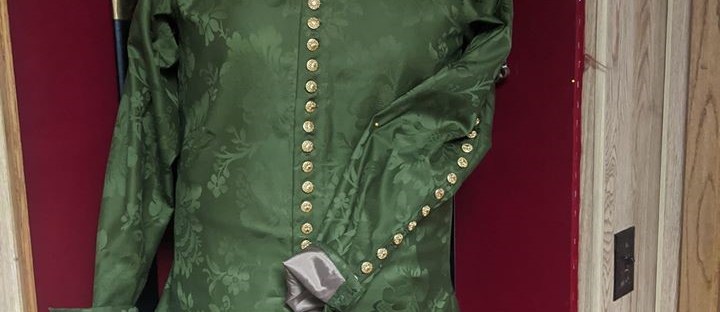
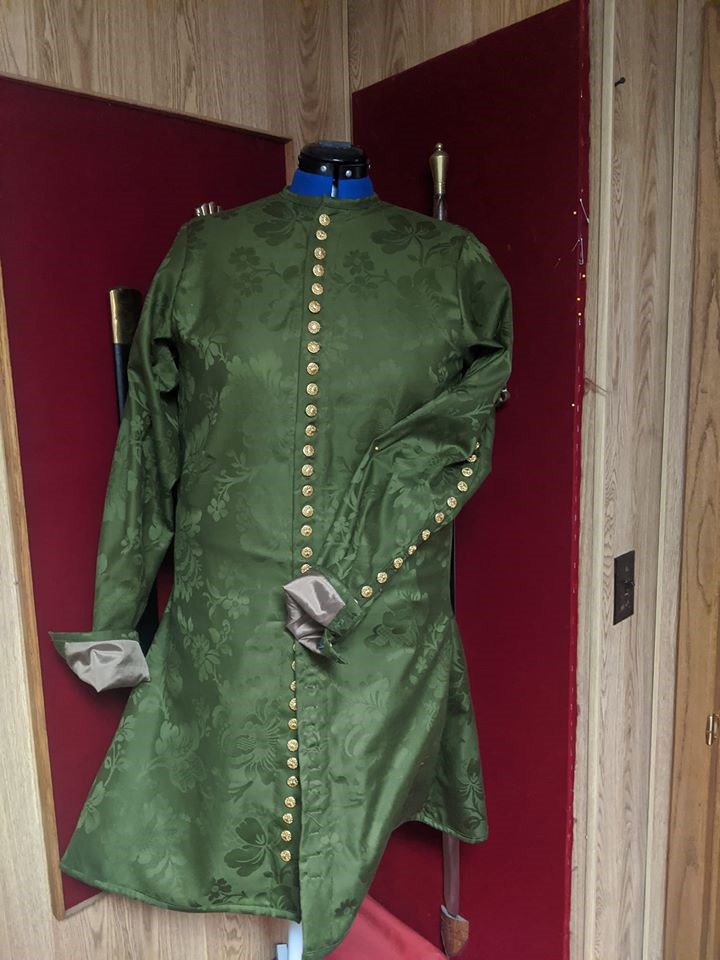
In some areas in Western Europe, male garments became more fitted in the 1300s. The unfitted cotes became the tailored and fitted cotehardies. Layers associated with cotehardies would be a linen undershirt, sometimes an early form of the doublet and braies and hosen.  Layers over the cotehardie could be gowns and houppelandes

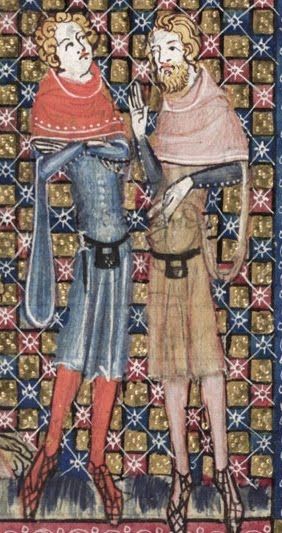
In some cases the cotehardies are shorter to the point of reaching just to the crotch depth.  Others are seen longer to the point of knee length. Some have decorative dagged edges.  They often feature a large number of closely spaced buttons  

Male cotehardies could have long or shorter sleeves including short sleeves showing off the doublet below, sometimes featuring sleeve streamers. The sleeves of the cotehardie or the layer under the cotehardie are very tight.

This cotehardie is brocaded fabric with a silk lining featuring a flared skirt

Inspiration Images

Common Materials

  • Fabrics:
    • Wool
    • silks
    • brocades
    • velvets
  • Ornamentation:
    • cloth or metal buttons

Effective Substitutions

  • Fabrics:
    • cottons
    • linens
    • linen blends
    • wool blends
  • Ornamentation:

Ensemble Components

  • linen undershirt
  • likely an early form of the doublet
  • .  Turn shoes, slippers or low boots

  • braies and hosen
  • Layers over the cotehardie could be gowns and houppelandes

Accessories

  • low slung belts, around the hips
  • pouches
  • garters
  • hood

Source/Links

http://www.chesholme.com/wfiles/2-1-Cotehardie.pdf

http://starsandgarters.org/2020/10/04/patterning-fitted-garments/

Version: 2
date: 2/26/21
Source of Period Pic: http://en.wikipedia.org/wiki/File:Bologna_marriage_men.jpg
Model:
Photographer: Vincent de Vere
  

Female, Full Entry

1370 CE Female, Cotehardie 7

Title: 1370 CE Female, Cotehardie 7
Entry #: GGB2021.053
Alternate Names: Gothic Fitted Dress 
Year: 1370
Time range: 1350-1400 CE
Era: High Medieval
Gender: Female
region: Western europe, central europe
Countries/cultures: France, England,
Maker: Vincent de Vere
Difficulty: 3
Confidence: Image Examples

Intro:

Fitted female garment forming an outer or middle layer.  

Description:

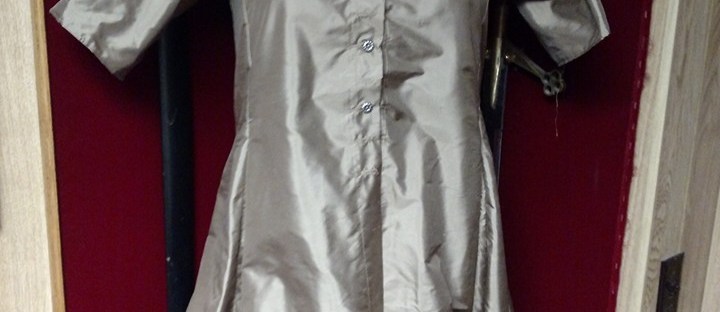
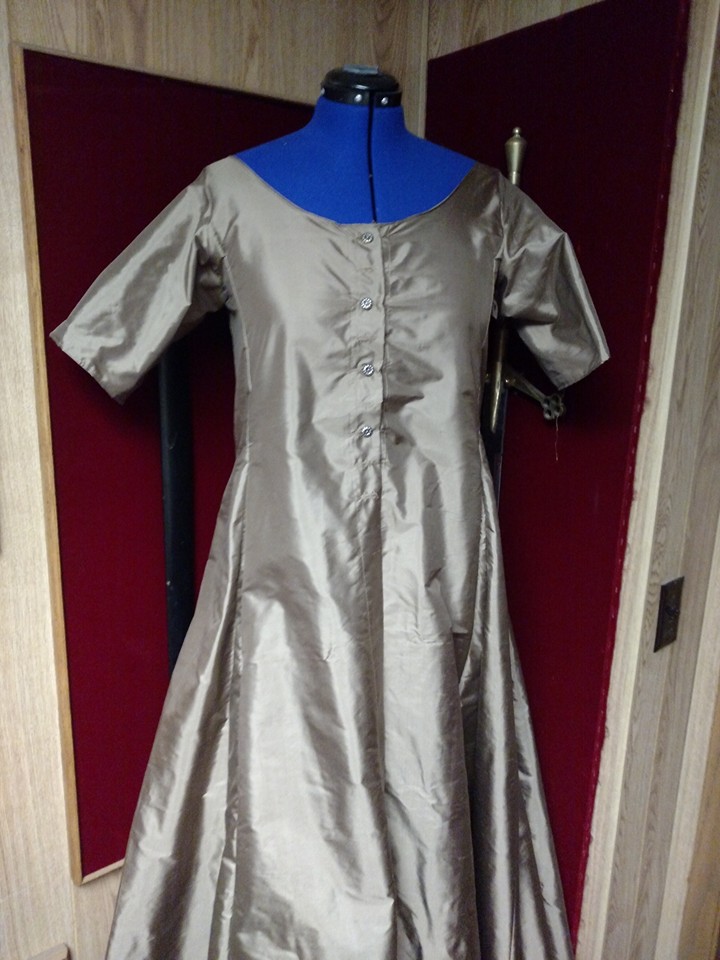
Gold silk cotehardie shown here without a kirtle
 As female garments became more fitted in the 1300s the unfitted tunic like dresses became more tailored and fitted. 
 A loose shift or slip like garment could be worn as a base layer.  There is limited evidence for underwear.  The bust could be supported with just the fitted layers.
 A kirtle layer worn between the shift and the cotehardie could be laced up the front and the sleeves could be buttoned or laced.  The kirtle layer is often fitted as to be supportive in the bust and not as long as the cotehardie layer. 
 The cotehardie layer over the kirtle later adds to the support of the bust line.  The neck line could be plunging or more modest.  The dress is often shown with a large number of closely spaced buttons on a front closure. The sleeves could be short, short with sleeve streamers (a very stereotypical cotehardie look) or longer.  Some examples extend over the hand almost to the fingers.  The cotehardie layer would be floor length.  The belt is often shown slung low on the hips.

Inspiration Images

Common Materials

  • Fabrics:
    • fine cloths
    • silks
    • brocades
    • fine wools
  • Ornamentation:

Effective Substitutions

  • Fabrics:
    • Silks
    • linens
    • linen blends with rayon or cotton
    • brocades.
    • Some cotton poly brocades can work to mimic the look of rich brocades, but the higher the poly content the more unpleasant the garment is to wear.
  • Ornamentation:

Ensemble Components

  • Slip/shift
  • Kirtle Cotehardie
  • purse

  • coifs/undercaps/hoods
  • belt
  • turnshoes

Accessories

Source/Links

http://www.chesholme.com/wfiles/2-1-Cotehardie.pdf

http://starsandgarters.org/2020/10/04/patterning-fitted-garments/

Version: 2
date: 2/26/2021
Source of Period Pic:
Model:
Photographer: Vincent De Vere
  

Component Entry, Unisex

Shoe, punched simplified shoe 2

TitleShoe, punched simplified shoe 2
Entry #GGC2022.021
Alternate NamesShoe, turn shoe,
Year1300 CE
Time range1100 BCE – 1400 CE
Eraall
Genderunisex
regionEurope
Countries/culturesEurope
MakerVincent De Vere,
Difficulty3
ConfidenceExtant Examples

Intro:

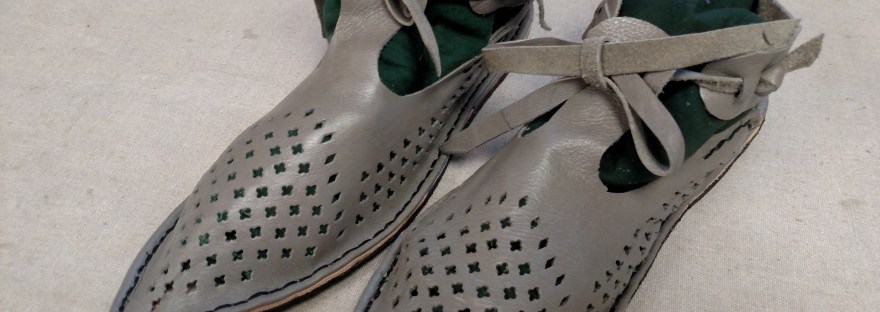
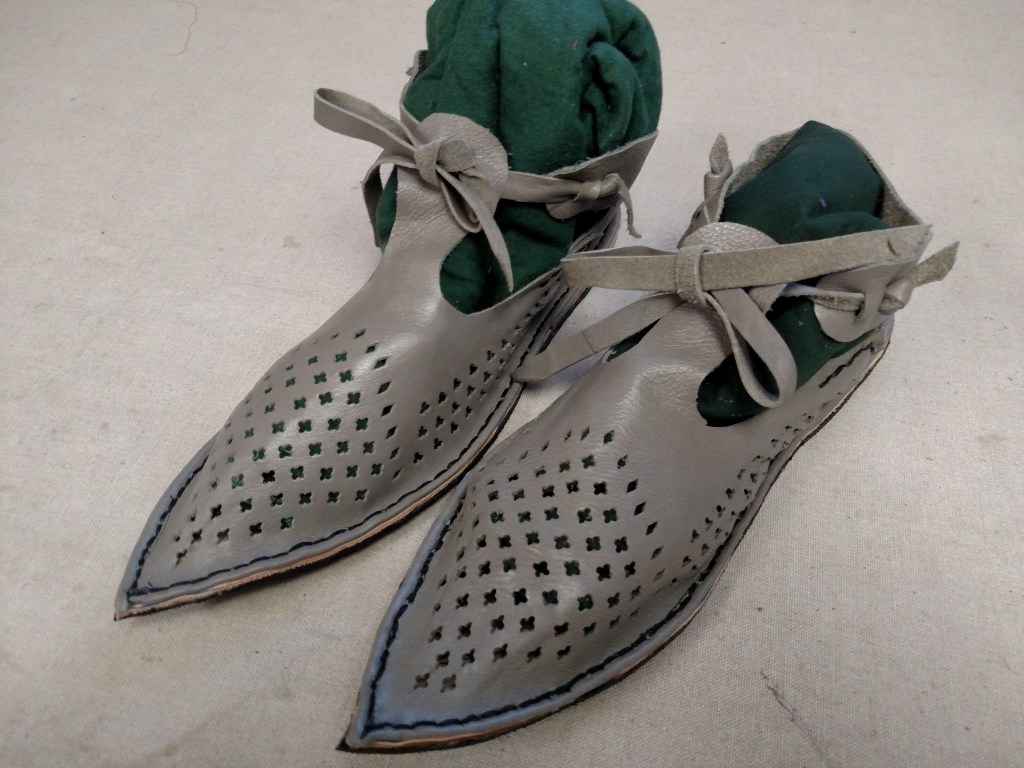
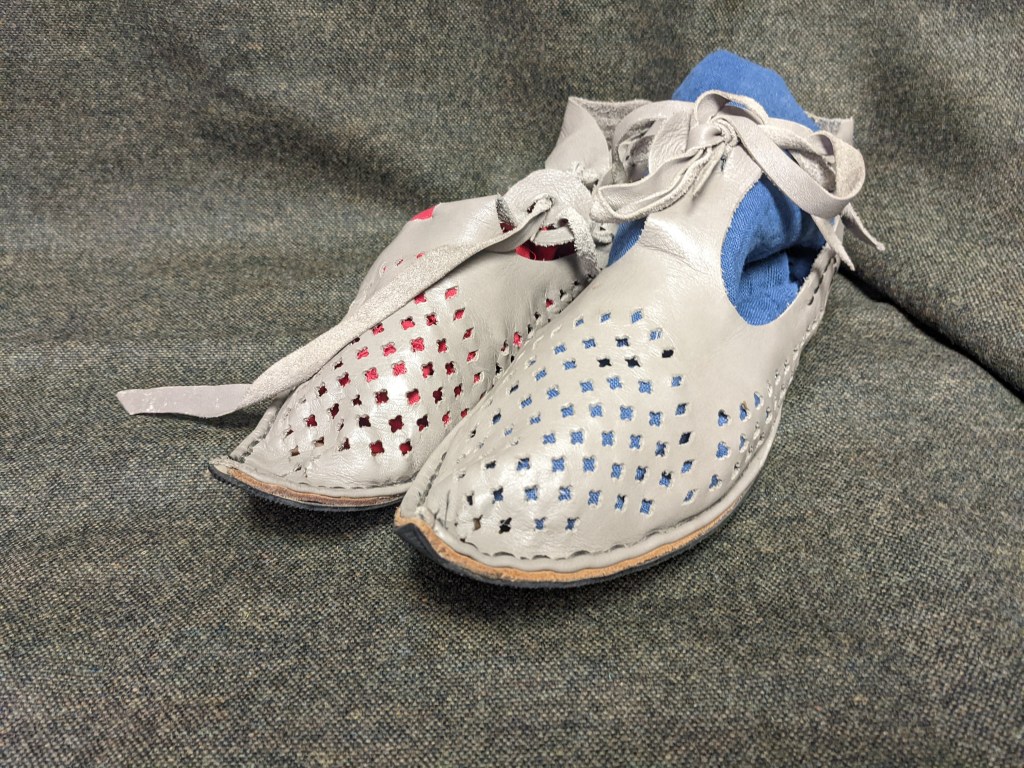
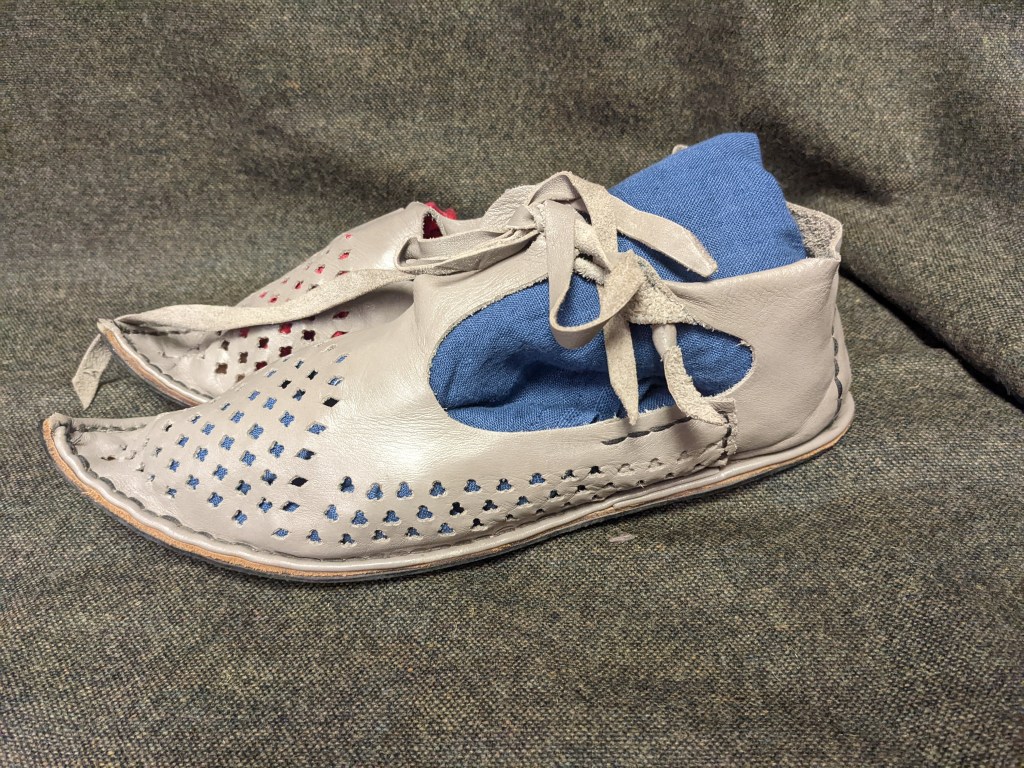
Slip on turn shoes with punched out decorations           

Description:

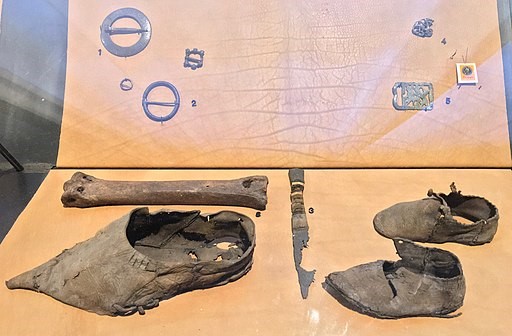
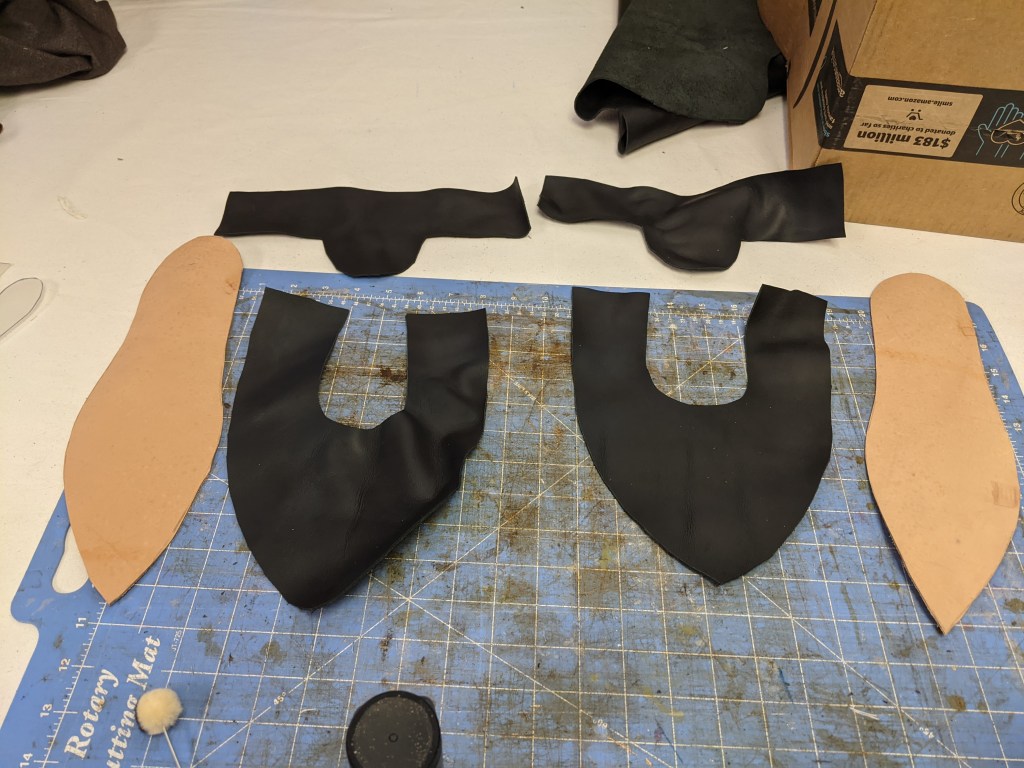
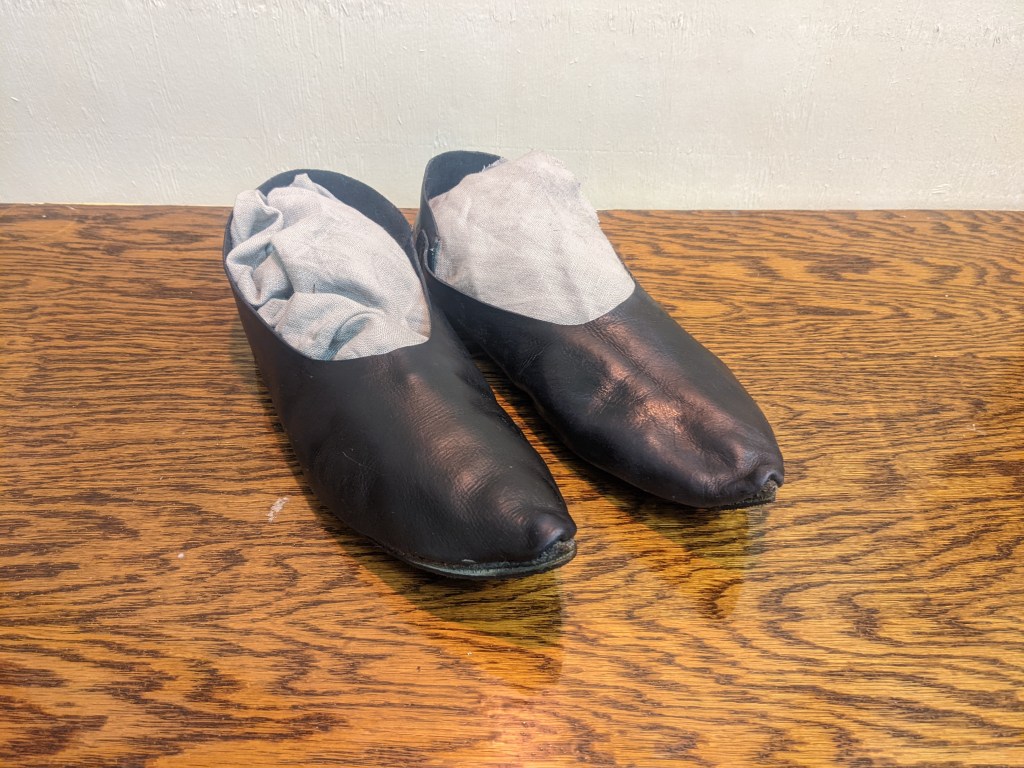
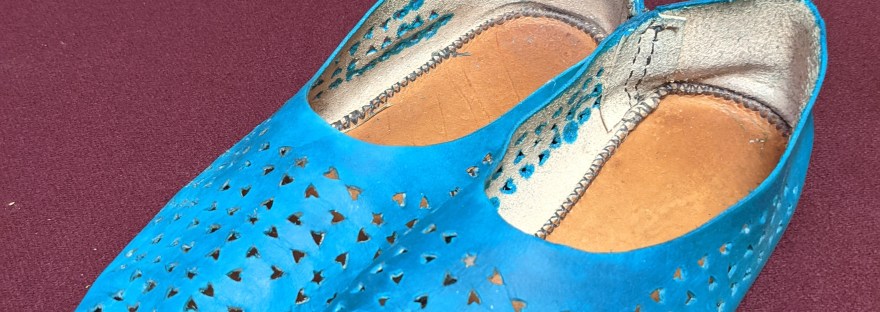
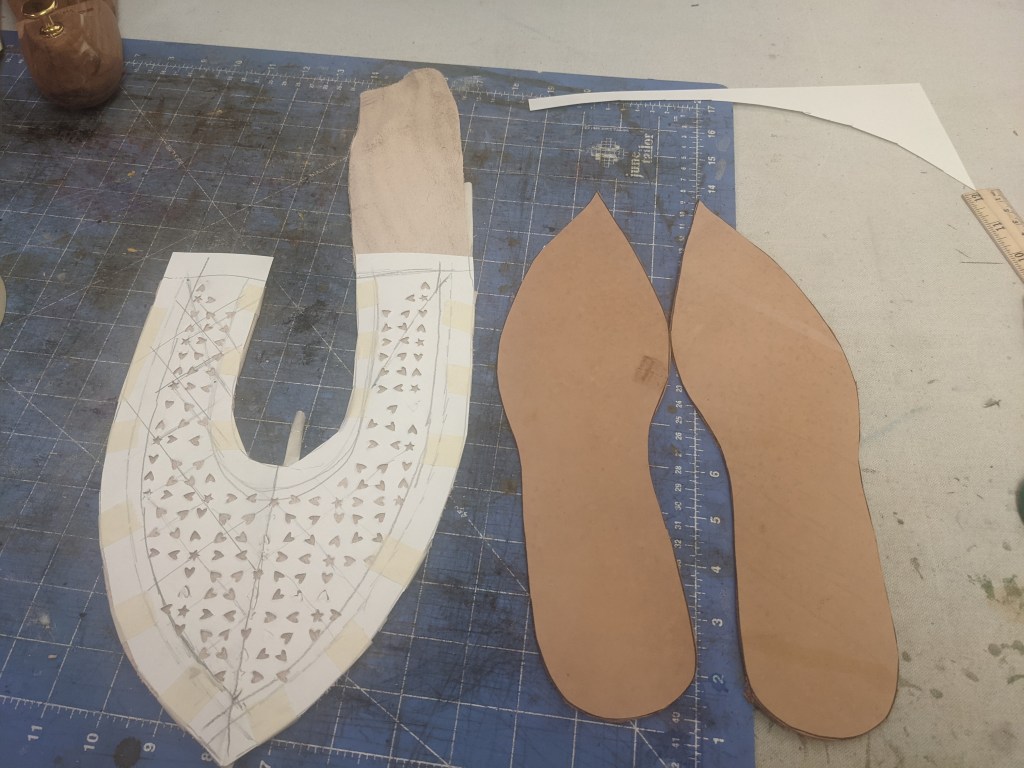
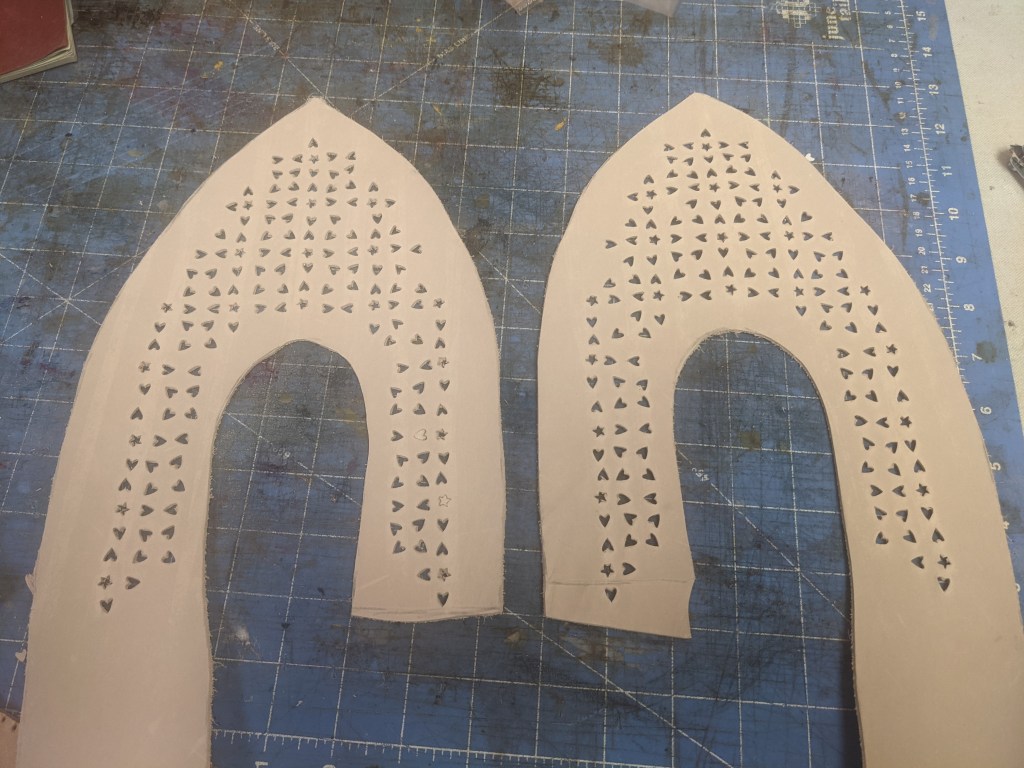
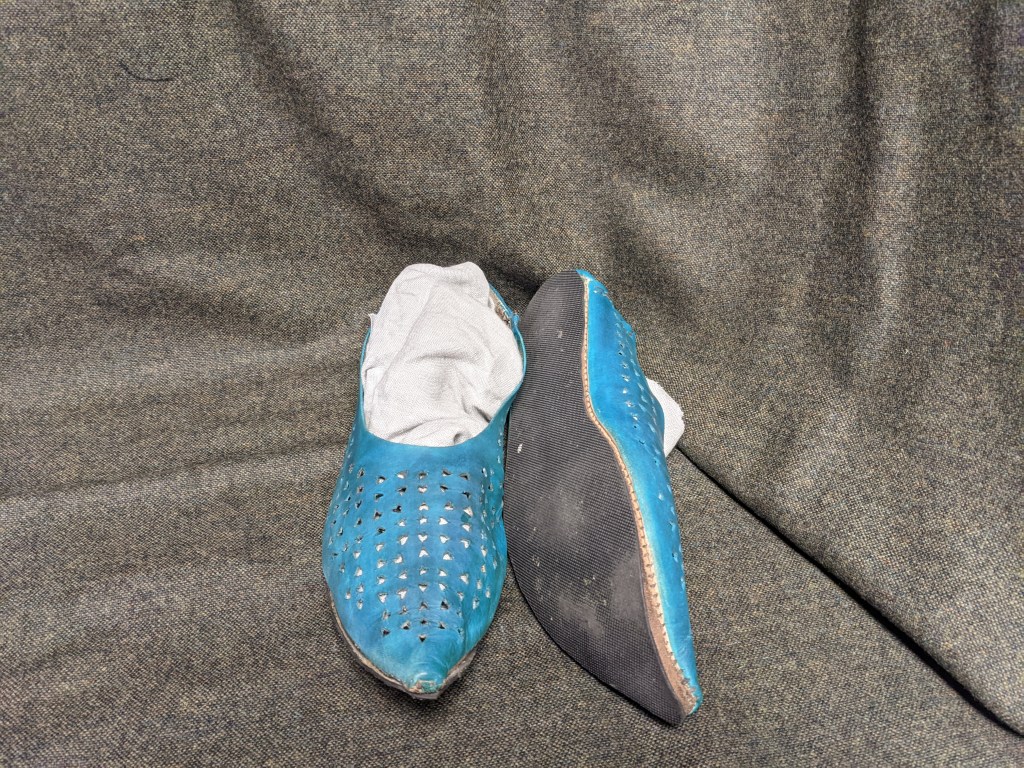
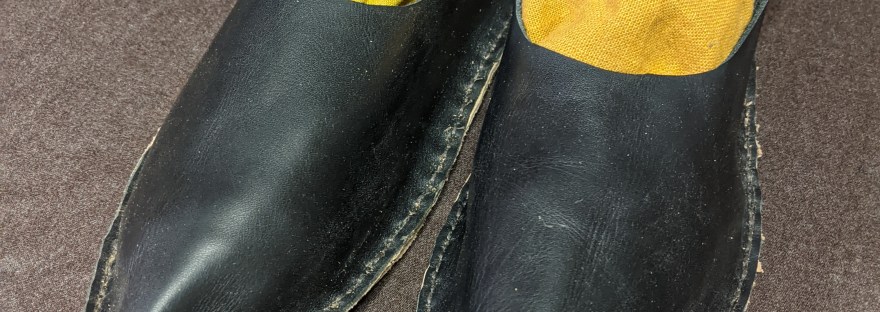
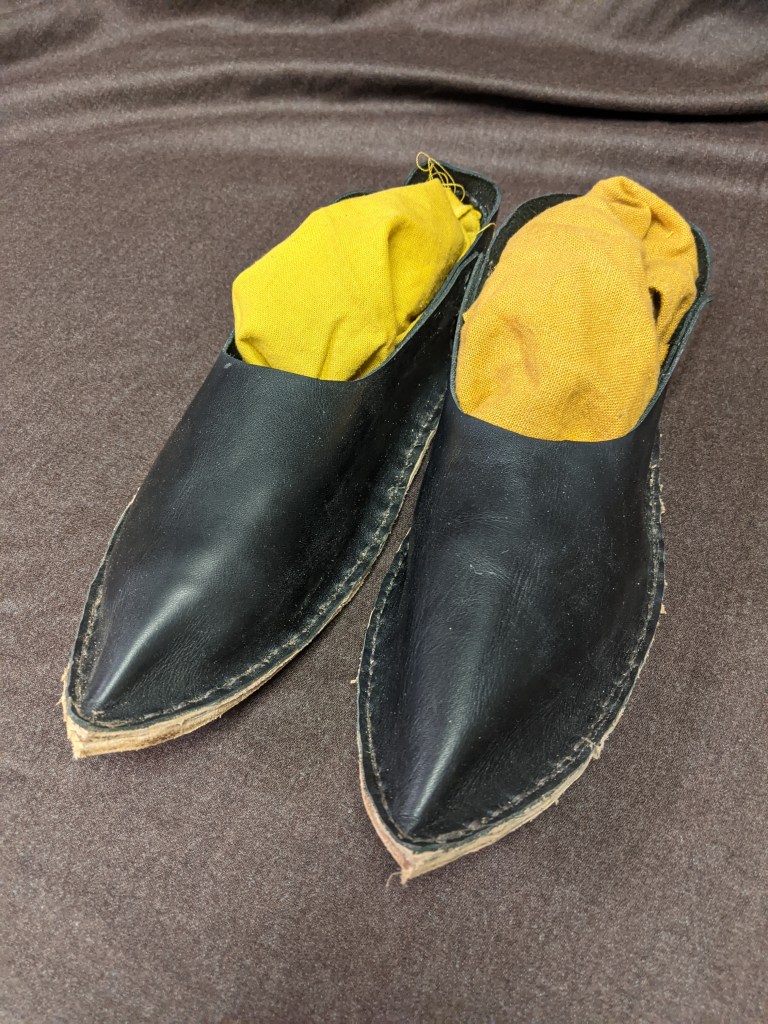
Low slip on shoes that are constructed from 2 pieces of leather. This simplified shoe construction doesn’t require the shoe to be turned inside out after constructing and it looks much like a turn shoe when worn. Shoes like these, in one form or another, have been used throughout the period covered by the SCA

This pair of shoes is decorated by having a pattern of holes punched into the leather before assembling the shoe.  Shoes decorated with punch decorations have survived dating back to Roman times. Sets of shaped punches can be purchased online for not much and the punching of the leather adds less than an hour to the total construction time. 

This simplified construction technique doesn’t actually produce a turn shoe and can produce a shoe much like the turn shoe and can use chrome tanned leather.

Inspiration Images

Common Materials

  • Fabrics:
    • Leather
  • Ornamentation:

Effective Substitutions

  • Fabrics:
    • This modification can work with chrome tanned leather. Oak tan/veg tan leather will work better.

Ensemble Components

Accessories

Source/Links

Wolfmann, CC BY-SA 4.0 <https://creativecommons.org/licenses/by-sa/4.0&gt;, via Wikimedia Commons

Stepping Through Time: Archaeological Footwear from Prehistoric Times until 1800, By Olaf Goubitz.  ISBN  9089320040 ISBN-13 ‏ : ‎ 978-9089320049

Version1
date1/9/2022
Source of Period PicWolfmann, CC BY-SA 4.0 <https://creativecommons.org/licenses/by-sa/4.0&gt;, via Wikimedia Commons, Kulturhistorisk Museum, Oslo, Norway. Medieval Exhibition
Model 
PhotographerVincent De Vere
  

Component Entry, Unisex

Shoe, slip-on simplified shoe 2

TitleShoe, slip-on simplified shoe 2
Entry #GGC2022.020
Alternate NamesShoe, turn shoe,
Year1300 CE
Time range1100 BCE – 1400 CE
Eraall
Genderunisex
regionEurope
Countries/culturesEurope
MakerVincent De Vere,
Difficulty3
ConfidenceExtant Examples

Intro:

Slip on shoes.

Description:

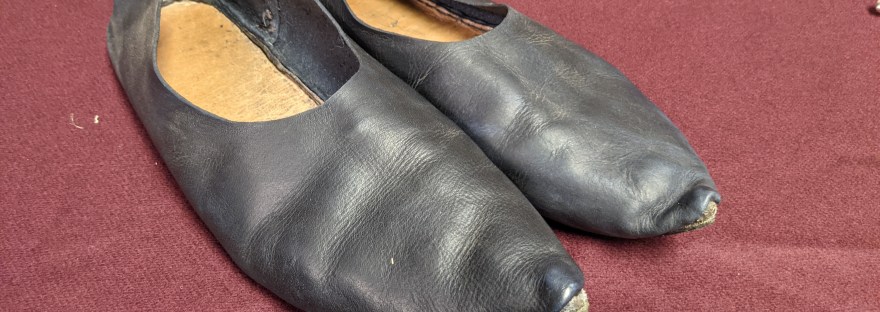
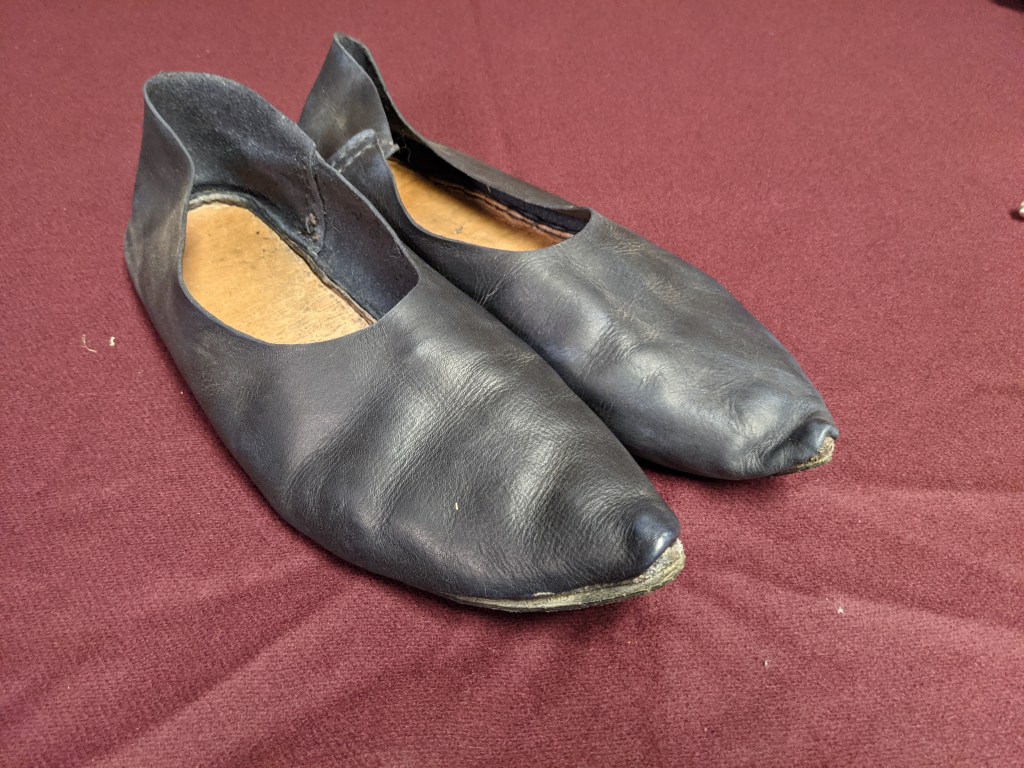
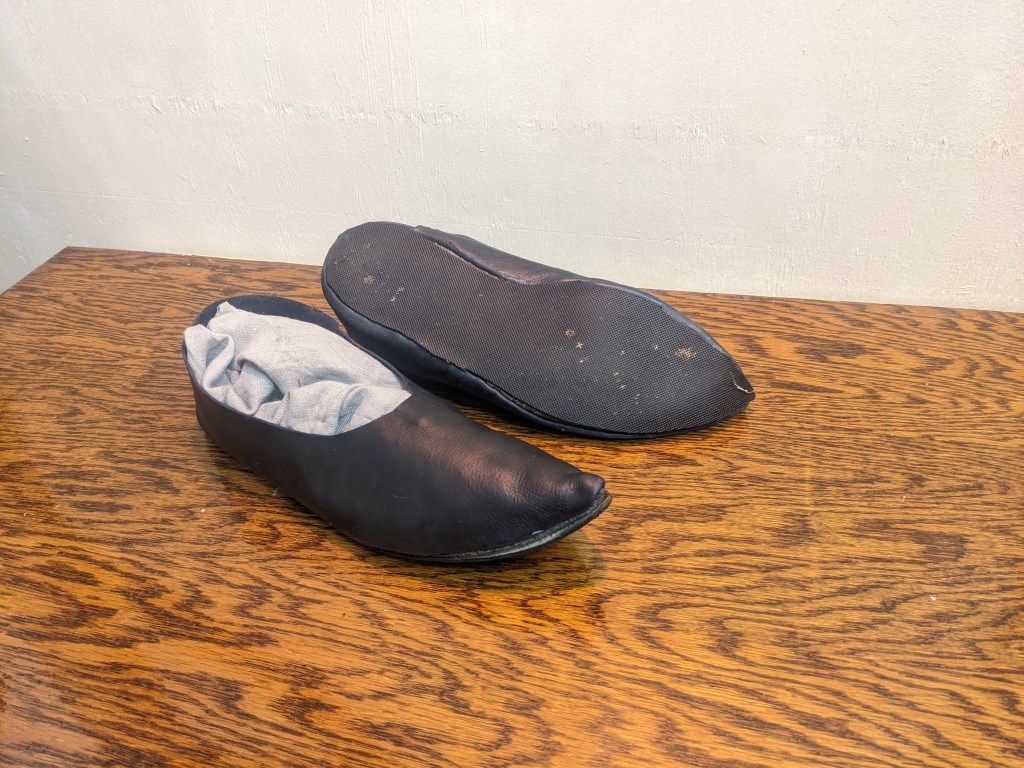
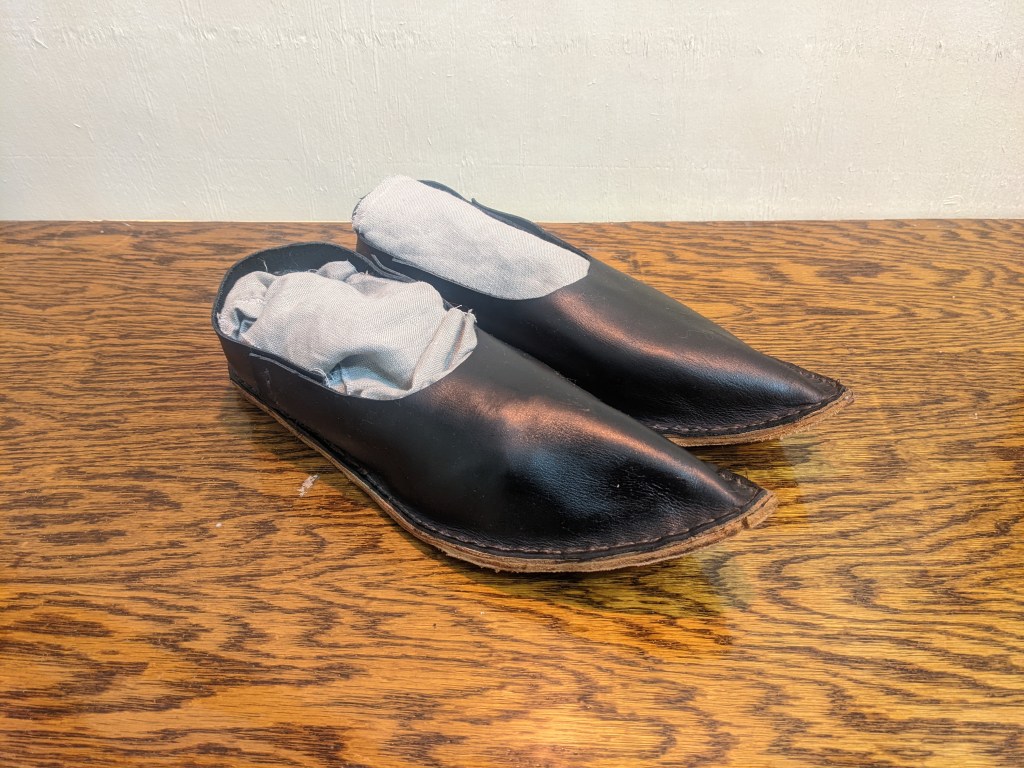
Low slip on shoes that are constructed from 2 pieces of leather. This simplified shoe construction doesn’t require the shoe to be turned inside out after constructing and it looks much like a turn shoe when worn. Shoes like these, in one form or another, have been used throughout the period covered by the SCA

This pair of shoes had a stiffening sole and tread glued to the shoe after construction.  Although this is a modern consideration, it was done for additional comfort and safety for use at events.  Accommodations like this are common in the SCA.

Inspiration Images

Common Materials

  • Fabrics:
    • Leather
  • Ornamentation:

Effective Substitutions

  • Fabrics:
    • chrome tanned leather can be used with this simplified shoe. Oak tan/veg tan leather will work better.

Ensemble Components

Accessories

Source/Links

Wolfmann, CC BY-SA 4.0 <https://creativecommons.org/licenses/by-sa/4.0&gt;, via Wikimedia Commons

Stepping Through Time: Archaeological Footwear from Prehistoric Times until 1800, By Olaf Goubitz.  ISBN  9089320040 ISBN-13 ‏ : ‎ 978-9089320049

Version1
date1/9/2022
Source of Period PicWolfmann, CC BY-SA 4.0 <https://creativecommons.org/licenses/by-sa/4.0&gt;, via Wikimedia Commons
Model 
PhotographerVincent De Vere
  

Component Entry, Female, Male, Unisex

Simple Narrow Belt with Reproduction Buckle

TitleSimple Narrow Belt with Reproduction Buckle
Entry #GGC2021.031
Alternate NamesBelt
Year1350
Time rangeAntiquity to end of period
EraAntiquity to end of period
GenderUnisex
regionEurope
Countries/culturesEurope
MakerVincent De Vere,
Difficulty1
ConfidenceExtant Example

Intro:

 Various belts.      

Description:

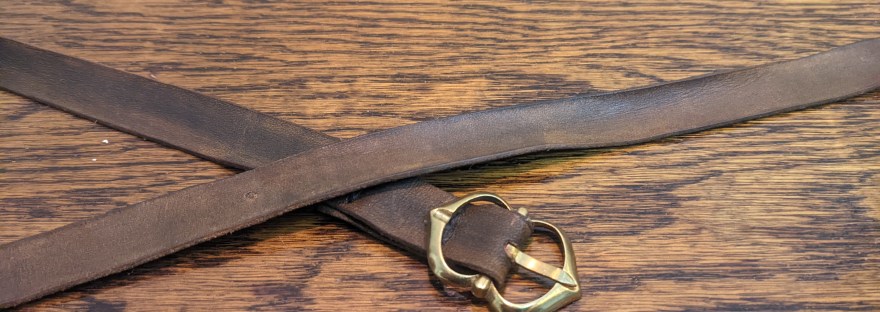
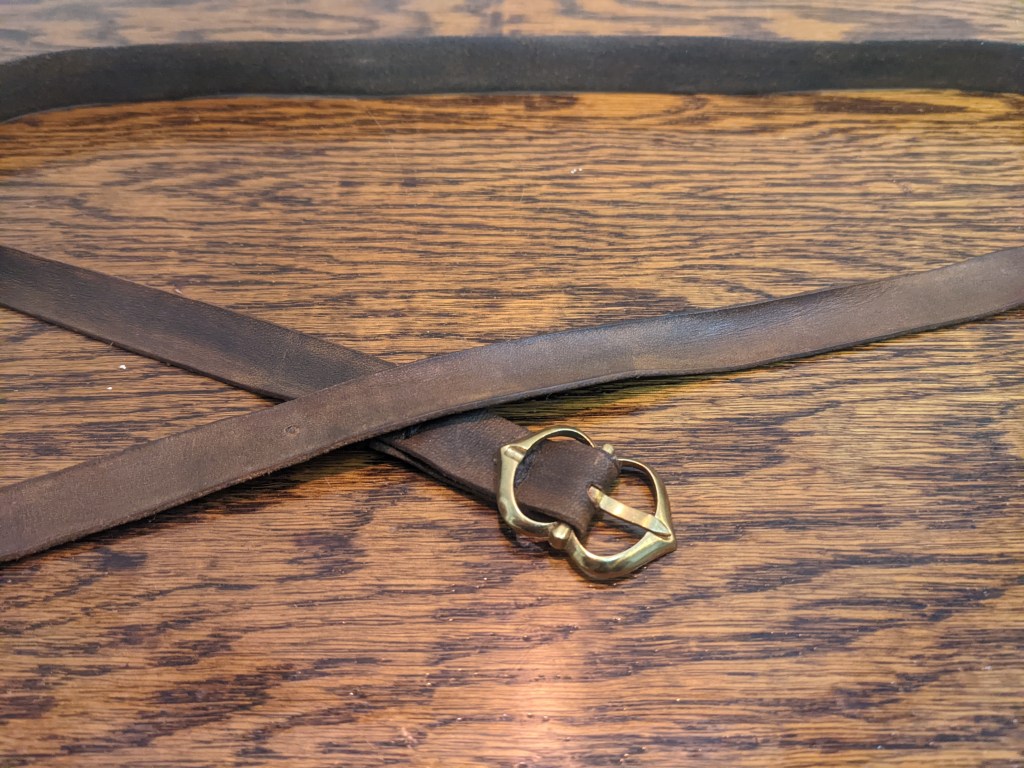
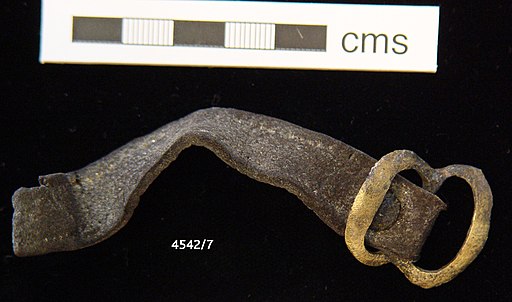
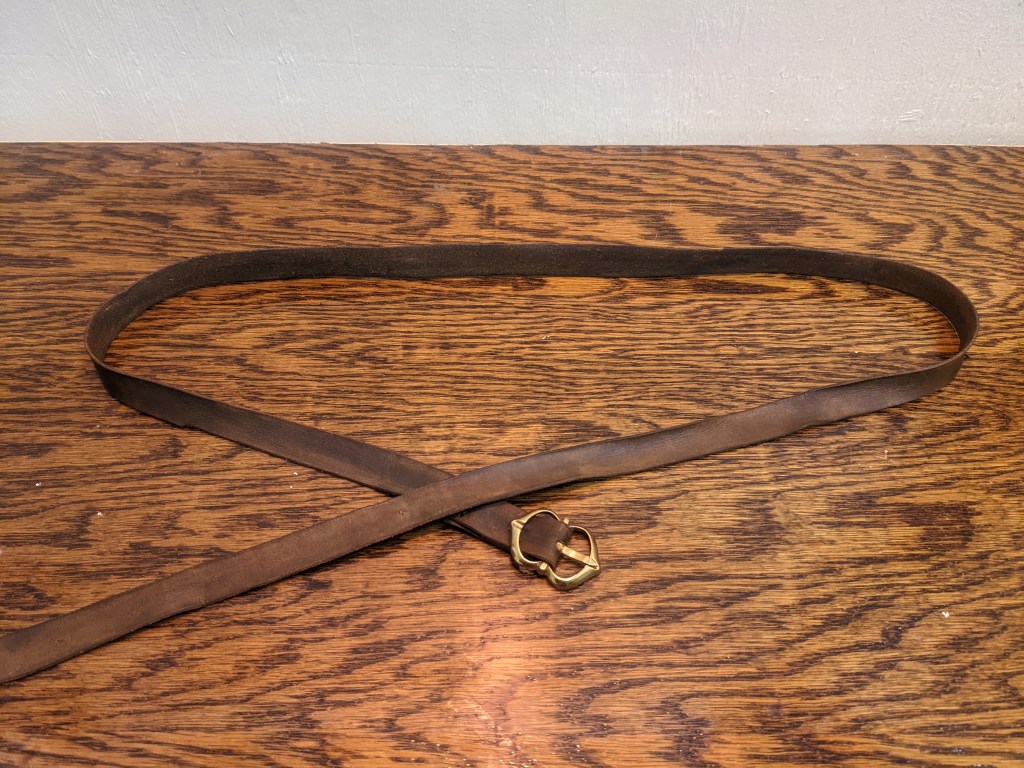
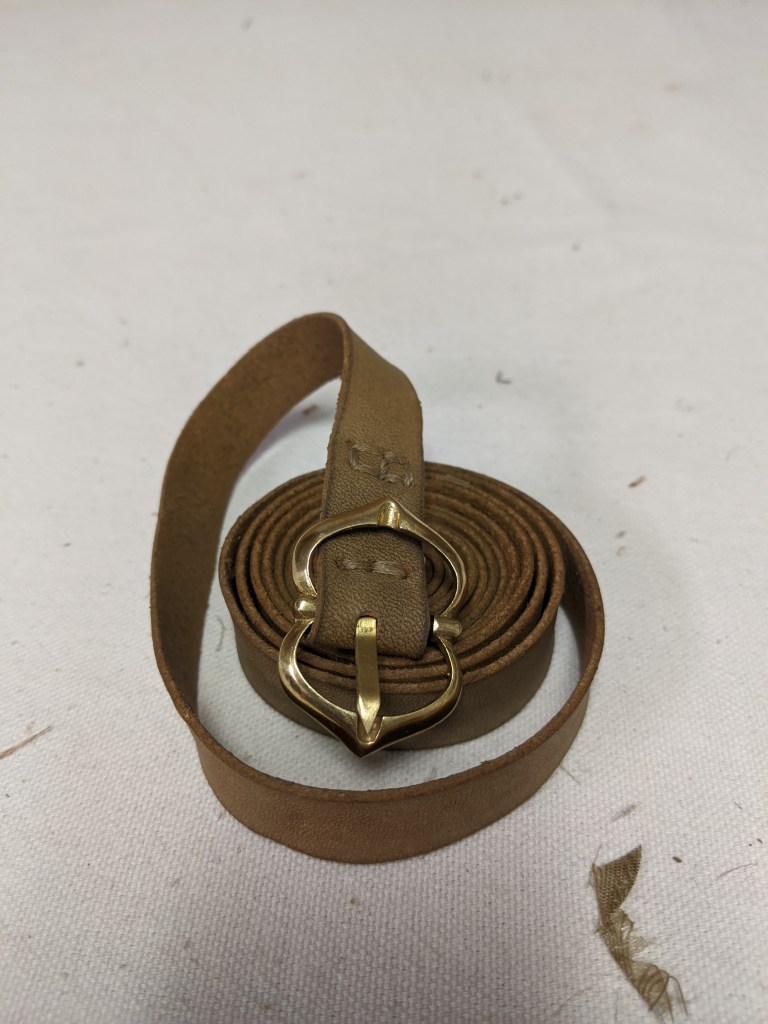
This is a modern buckle taken from a worn out belt and attached to a strip of leather to form a belt. This easily made belt works very well for people new to the SCA.

This reproduction buckle is based an extant example dated to arround 1350 CE, but is very similar to many others from different time periods. It is available through several reputable vendors. It would be an example of a very inexpensive reproduction piece.

Inspiration Images

Common Materials

  • Fabrics:
    • Leather
  • Ornamentation:

Effective Substitutions

  • Fabrics:
    • Leather
  • Ornamentation:

Ensemble Components

Accessories

Source/Links

The Portable Antiquities Scheme/ The Trustees of the British Museum, CC BY-SA 4.0 <https://creativecommons.org/licenses/by-sa/4.0&gt;, via Wikimedia Commons

Version1
date1/2/2022
Source of Period PicBritish Museum
Model 
PhotographerVincent De Vere
  
Component Entry, Female, Male, Unisex

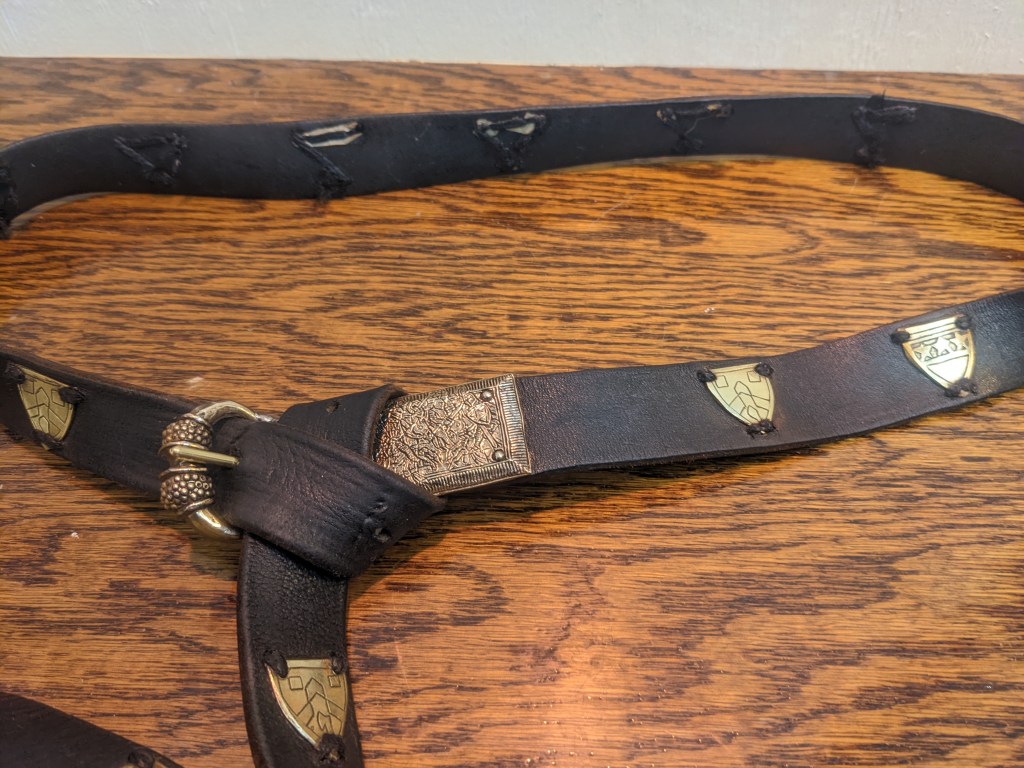
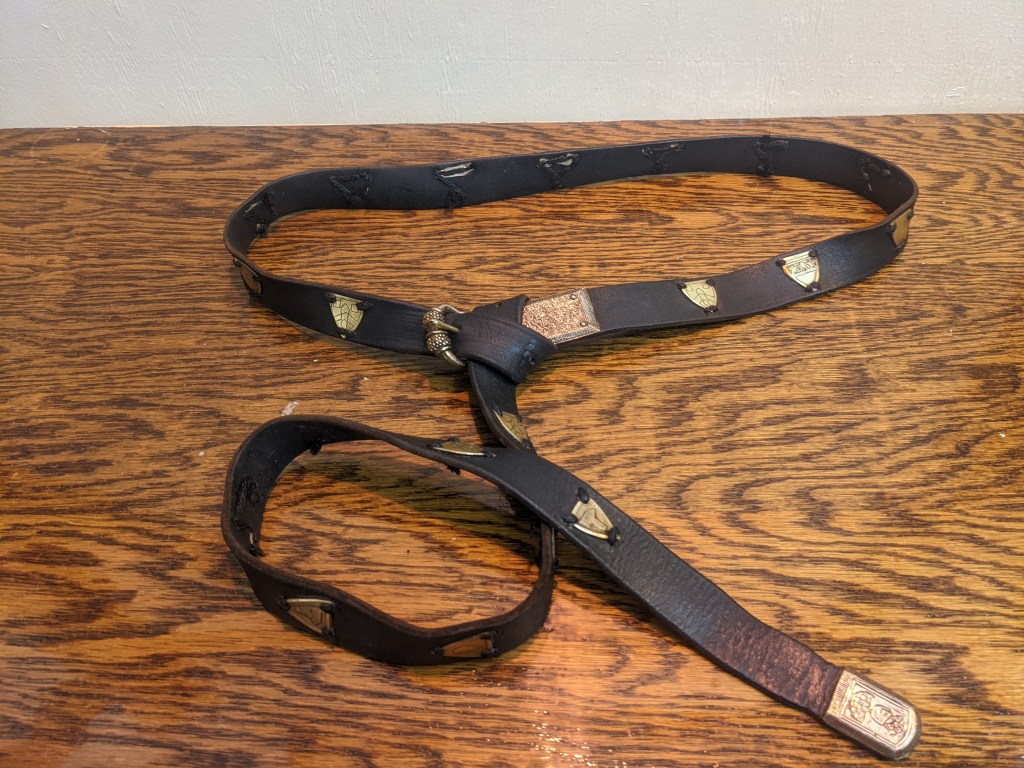
Belt with brass plaques reproduction buckle

TitleBelt with brass plaques reproduction buckle
Entry #GGC2021.032
Alternate NamesBelt
Year1300 CE
Time range1200-1400CE
EraHigh Medieval
GenderUnisex
regionEurope
Countries/culturesEurope
MakerVincent De Vere,
Difficulty2
ConfidenceExtant Example

Intro:

 Various belts.      

Description:

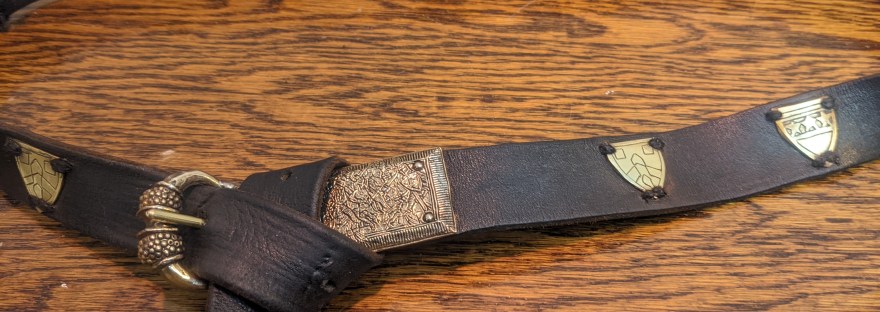
This is a narrow leather belt with preproduction buckle and tip purchased from an SCA merchant and the brass plaques are etched with various devices and batches associated with the owner

Inspiration Images

Common Materials

  • Fabrics:
    • Leather brass, bronze
  • Ornamentation:

Effective Substitutions

  • Fabrics:
    • Leather, brass
  • Ornamentation:

Ensemble Components

Accessories

Source/Links

The Portable Antiquities Scheme/ The Trustees of the British Museum, CC BY-SA 4.0 <https://creativecommons.org/licenses/by-sa/4.0&gt;, via Wikimedia Commons

buckle and tip based on a Hungarian, c. 1275 Magyar Nemzeti Museum, Budapest belt tip and

Version1
date1/2/2022
Source of Period PicBritish Museum
Model 
PhotographerVincent De Vere
  
Component Entry, Unisex

Shoe, slip-on low turn shoe 1

TitleShoe, slip-on low turn shoe 1
Entry #GGC2022.016
Alternate NamesShoe, turn shoe,
Year1300 CE
Time range1100 BCE – 1400 CE
Eraall
Genderunisex
regionEurope
Countries/culturesEurope
MakerVincent De Vere,
Difficulty3
ConfidenceExtant Examples

Intro:

Slip on turn shoes.

Description:

Low slip on shoes that are constructed from 2 pieces of leather. They are sewn inside out and then turned right side out, thus the common name of turn shoes.  Shoes like these, in one form or another, have been used throughout much of the period covered by the SCA.

This pair of shoes had a stiffening sole and tread glued to the shoe after construction.  Although this is a modern consideration, it was done for additional comfort and safety for use at events.  Accommodations like this are common in the SCA.

Inspiration Images

Common Materials

  • Fabrics:
    • Leather
  • Ornamentation:

Effective Substitutions

  • Fabrics:
    • chrome tanned leather doesn’t shape and form that way oak tan/veg tan leather will.

Ensemble Components

Accessories

Source/Links

Wolfmann, CC BY-SA 4.0 <https://creativecommons.org/licenses/by-sa/4.0&gt;, via Wikimedia Commons

Stepping Through Time: Archaeological Footwear from Prehistoric Times until 1800, By Olaf Goubitz.  ISBN  9089320040 ISBN-13 ‏ : ‎ 978-9089320049

Version1
date1/9/2022
Source of Period PicWolfmann, CC BY-SA 4.0 <https://creativecommons.org/licenses/by-sa/4.0&gt;, via Wikimedia Commons
Model 
PhotographerVincent De Vere
  

Component Entry, Unisex

Shoe, slip-on punched turn shoe 1

TitleShoe, slip-on punched turn shoe 1
Entry #GGC2022.019
Alternate NamesShoe, turn shoe,
Year1300 CE
Time range1100 BCE – 1400 CE
Eraall
Genderunisex
regionEurope
Countries/culturesEurope
MakerVincent De Vere,
Difficulty3
ConfidenceExtant Examples

Intro:

Slip on turn shoes with punched out decorations       

Description:

Low slip on shoes that are constructed from 2 pieces of leather. They are sewn inside out and then turned right side out, thus the common name of turn shoes.  Shoes like these, in one form or another, have been used throughout the period covered by the SCA

This pair of shoes is decorated by having a pattern of holes punched into the leather before assembling the shoe.  Shoes decorated with punch decorations have survived dating back to Roman times. Sets of shaped punches can be purchased online for not much and the punching of the leather adds less than an hour to the total construction time. 

Inspiration Images

Common Materials

  • Fabrics:
    • Leather
  • Ornamentation:

Effective Substitutions

  • Fabrics:
    • chrome tanned leather doesn’t shape and form that way oak tan/veg tan leather will.

Ensemble Components

Accessories

Source/Links

Wolfmann, CC BY-SA 4.0 <https://creativecommons.org/licenses/by-sa/4.0&gt;, via Wikimedia Commons

Stepping Through Time: Archaeological Footwear from Prehistoric Times until 1800, By Olaf Goubitz.  ISBN  9089320040 ISBN-13 ‏ : ‎ 978-9089320049

Version1
date1/9/2022
Source of Period PicWolfmann, CC BY-SA 4.0 <https://creativecommons.org/licenses/by-sa/4.0&gt;, via Wikimedia Commons, Kulturhistorisk Museum, Oslo, Norway. Medieval Exhibition
Model 
PhotographerVincent De Vere
  

Full Entry, Male

1420 CE Male Italian Farsetto

Title 1420 CE Male Italian Farsetto
Entry # GGB2021.066
Alternate Names: Doublet, Italian cotehardie 
Year : 1420
Time range: 1400 – 1450 CE
Era: Late medieval / Italian renaissance
Gender: Male
region: Southern Europe
Countries/cultures: Northern Italy
Maker: Vincent De Vere
Difficulty: 3
Confidence: Image Examples

Intro:

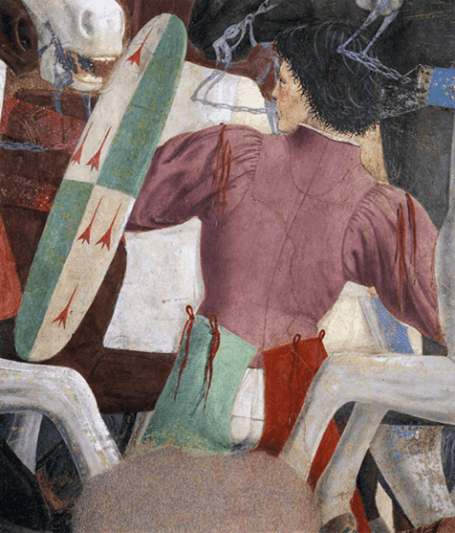
A middle later to the Italian male clothing, a doublet like layer worn over undershirts and below outer layers.

Description:

The middle layer of the male dress worn by most levels of society.  The 1400’s see the transition from the longer doublet to the very short doublet. The major distinctions of the Italian variant can be seen on the arms, tight below the elbow and billowed at the upper arm, and the collar, at the back of the neck, where the collar dips lower down the spine. 

Inspiration Images

Common Materials

  • Fabrics:
    • Linen
    • Brocades
    • Silk
  • Ornamentation:

Effective Substitutions

  • Fabrics:
    • Linen
    • Linen Blends
    • Cottons
    • Brocades
    • Wool Blends
    • Silks
    • Silk Blends
  • Ornamentation:

Ensemble Components

  • Farsetto
  • Undershirt

  • Split hose and pants

Accessories

Source/Links

Version: 2
date: 3/6/2021
Source of Period Pic: Piero della Francesca The battle between Heraclius and Chosroes, 1452-1466
Model: Giovanni Loredan
Photographer