Full Entry, Male

1300 CE Male Linen Cote

Title: 1300 CE Male Linen Cote
Entry #: GGB2021.045
Alternate Names: Gown, Frock coat, Tunic, over tunic, 
Year: 1300 CE
Time range: 1100-1400 CE
Era: High medieval
Gender: Male
region: Europe
Countries/cultures: Europe
Maker:
Difficulty: 2
Confidence: Image Examples

Intro:

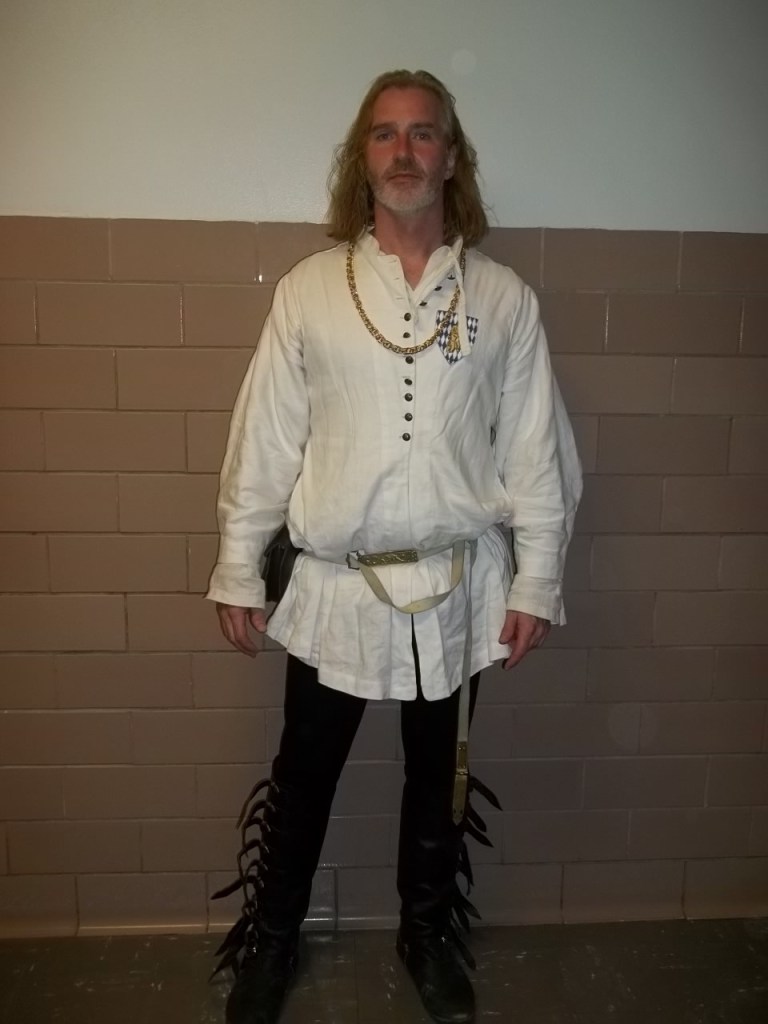
A loose tunic like garment with buttons at the neck and cuffs bloused over a belt. Extending from below the waste to below the knee with long sleeves.

Description:

This garment, or variations of it can be seen in many paintings and illustrations that cross over several regions and time frames.  People from many stations in society use this functional garment, from laborers to merchants and higher. Varying slightly from its beginnings before 1100CE and fading in fashion for all but laborers late in period.

In general it is slightly more tailored tunic with the neck hole held closed by use of buttons rather than the earlier broaches.  Buttons may just close the neck hole, extend part way down the chest or to the bottom of the garment.  The cut is usually full producing a baggy garment belted at the waste and bloused over the belt.  Some assign the length of the garment to station, with average workmen wearing it shorter to the more wealthy merchants wearing a longer garment.

Likely worn with an undershirt and in some cases a simple doublet as well as hosen or trews.

Sometimes underrepresented in the SCA, cotes can easily produce a medieval look with an easily constructed garment.

This example is a loose tunic like cote with buttons at the neck and cuffs bloused over a belt. Worn with riding boots.  A heraldic patch can be seen on the chest.

Inspiration Images
Common Materials

  • Fabrics:
    • wool
    • linen
    • brocades
  • Ornamentation:

Effective Substitutions

  • Fabrics:
    • wool blends
    • linen blends
    • cottons
    • lighter weight upholstery fabrics that simulate period patterns
  • Ornamentation:

Ensemble Components

  • Cote
  • under tunic
  • possibly a doublet

  • pants or breis/hosen
  • Could be covered by a surcote

Accessories

  • hat
  • shoes
  • belt
  • pouch

Source/Links

Version: 2
date: 2/25/2021
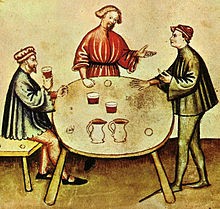
Source of Period Pic: http://en.wikipedia.org/wiki/File:48-aspetti_di_vita_quotidiana_ubriachezza_Taccuino_Sanitatis_Shoes.jpg
Model: Thaddeus Ellenbock
Photographer: Vincent de Vere
  

Component Entry, Unisex

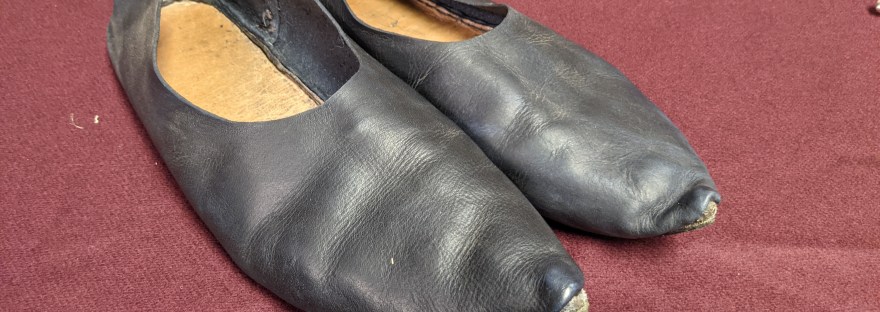
Shoe, slip-on simplified shoe 2

TitleShoe, slip-on simplified shoe 2
Entry #GGC2022.020
Alternate NamesShoe, turn shoe,
Year1300 CE
Time range1100 BCE – 1400 CE
Eraall
Genderunisex
regionEurope
Countries/culturesEurope
MakerVincent De Vere,
Difficulty3
ConfidenceExtant Examples

Intro:

Slip on shoes.

Description:

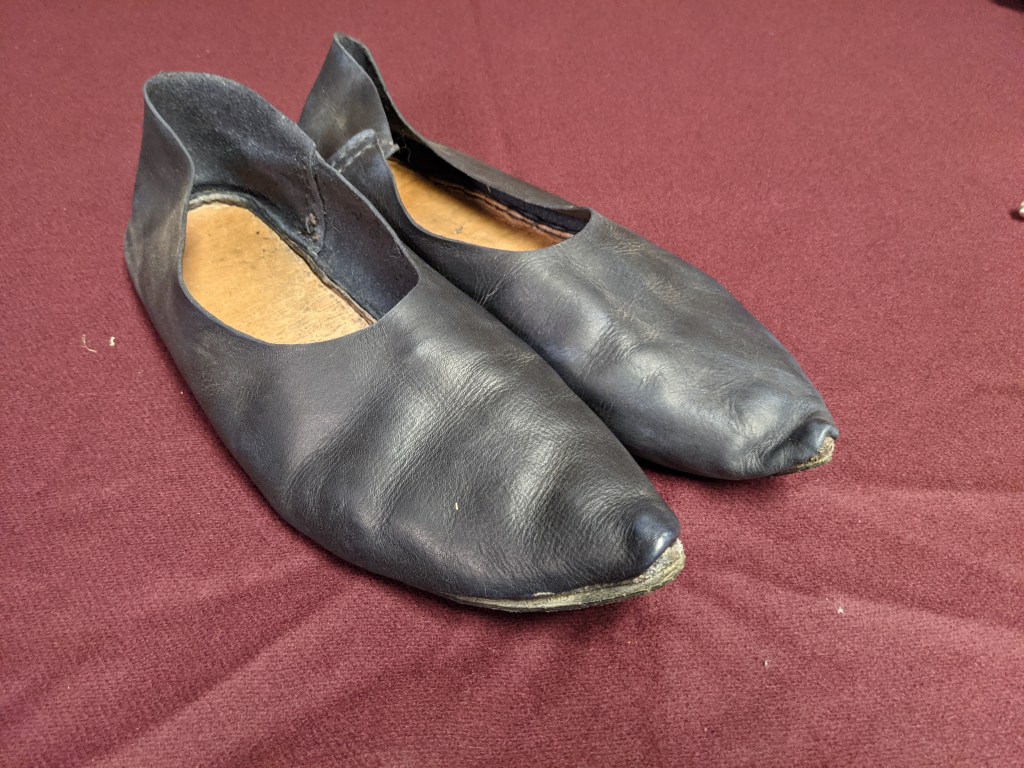
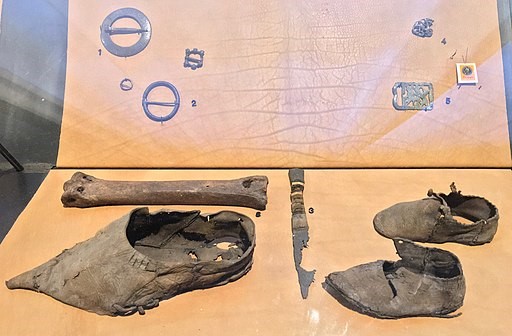
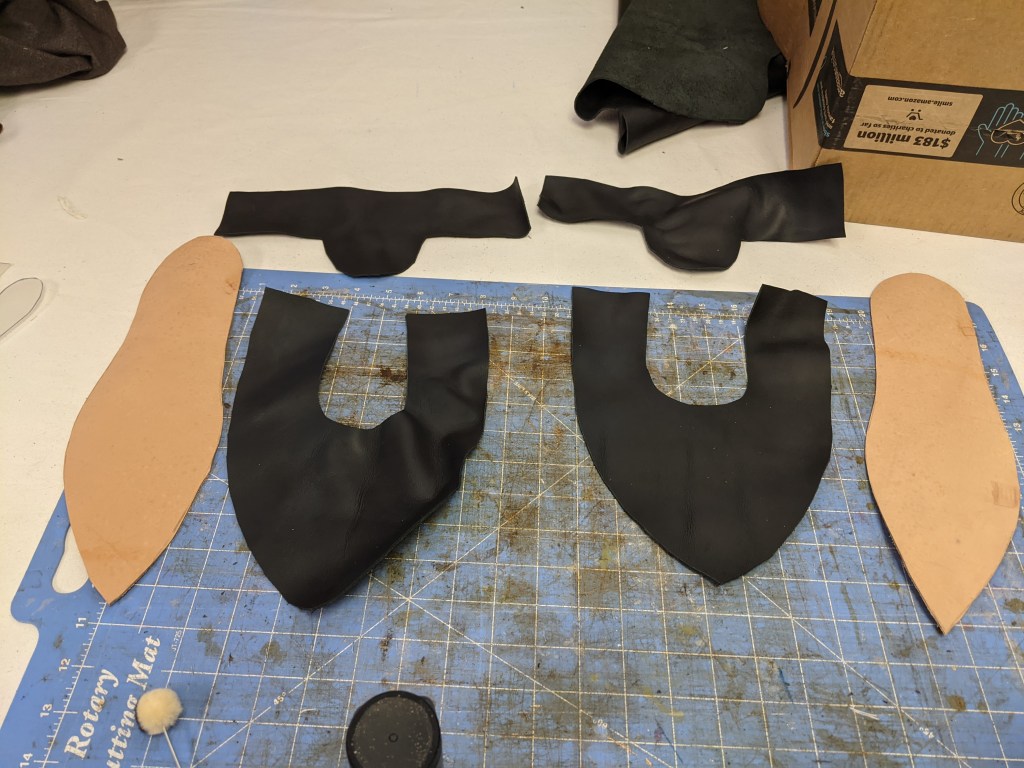
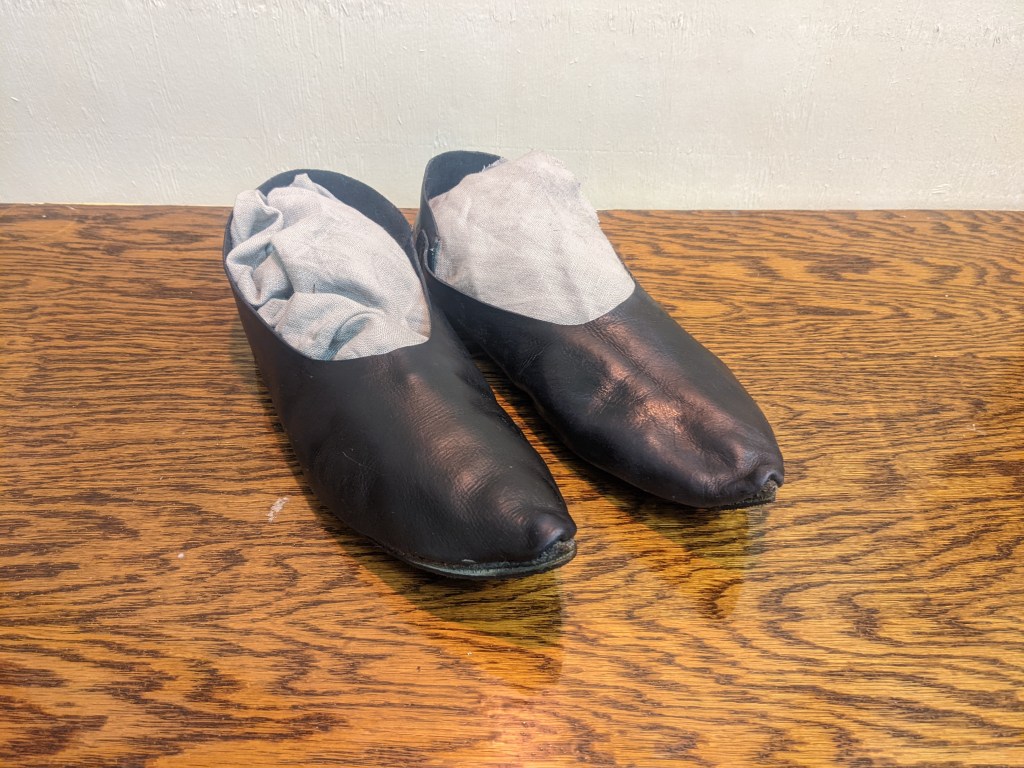
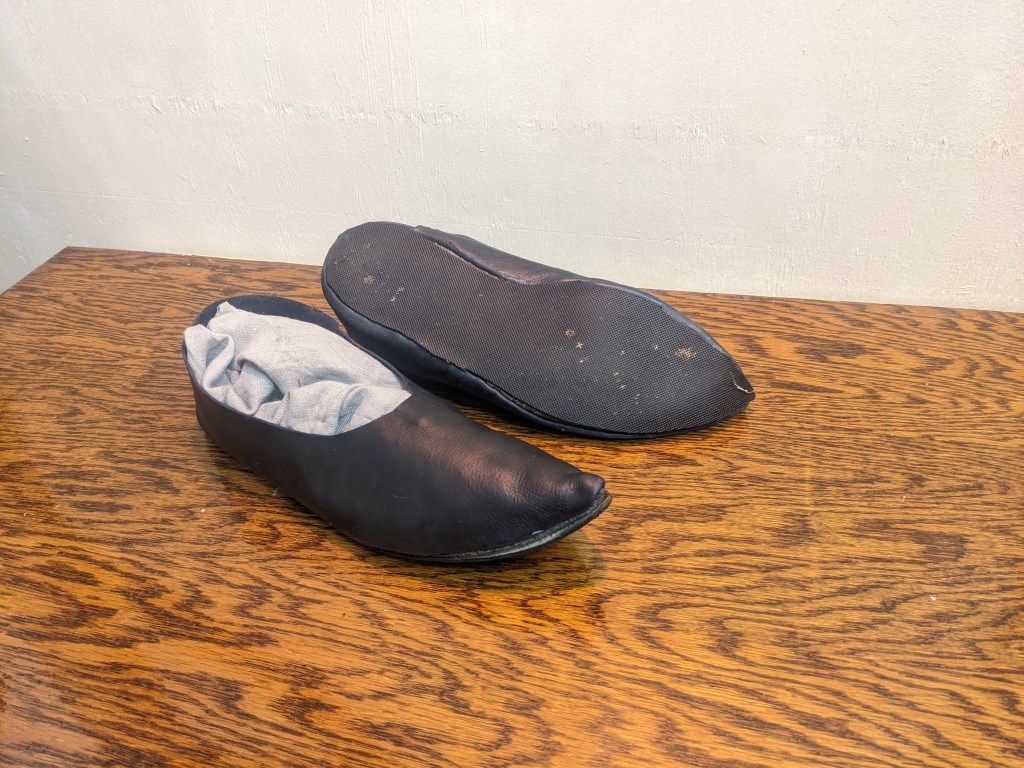
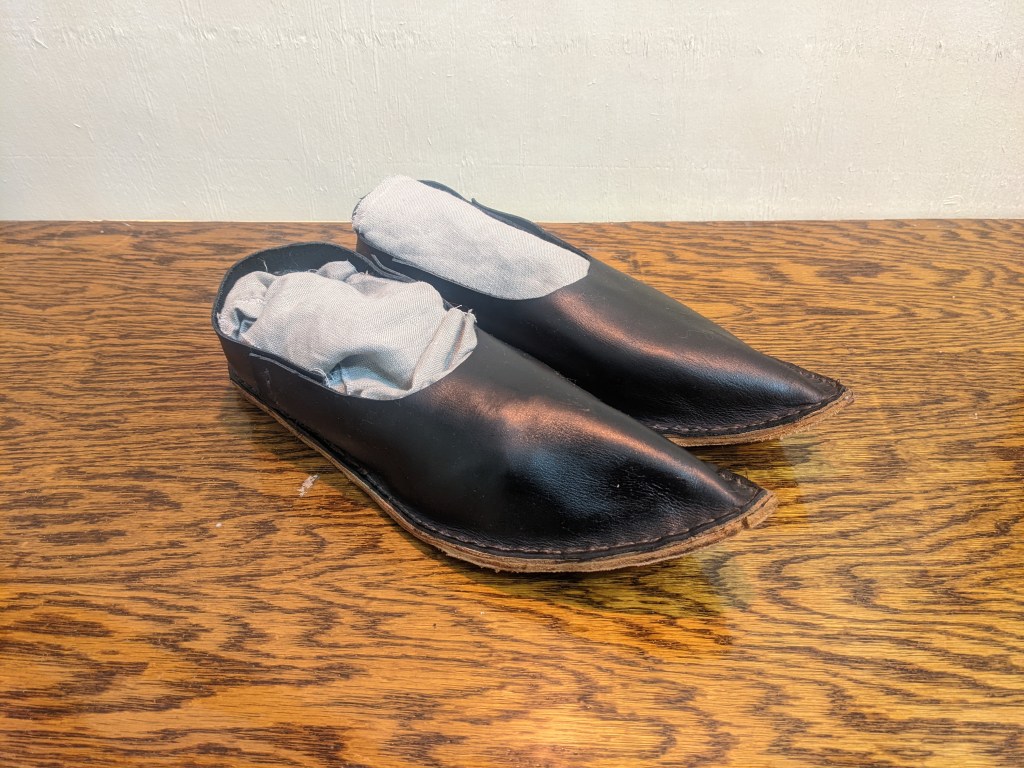
Low slip on shoes that are constructed from 2 pieces of leather. This simplified shoe construction doesn’t require the shoe to be turned inside out after constructing and it looks much like a turn shoe when worn. Shoes like these, in one form or another, have been used throughout the period covered by the SCA

This pair of shoes had a stiffening sole and tread glued to the shoe after construction.  Although this is a modern consideration, it was done for additional comfort and safety for use at events.  Accommodations like this are common in the SCA.

Inspiration Images

Common Materials

  • Fabrics:
    • Leather
  • Ornamentation:

Effective Substitutions

  • Fabrics:
    • chrome tanned leather can be used with this simplified shoe. Oak tan/veg tan leather will work better.

Ensemble Components

Accessories

Source/Links

Wolfmann, CC BY-SA 4.0 <https://creativecommons.org/licenses/by-sa/4.0&gt;, via Wikimedia Commons

Stepping Through Time: Archaeological Footwear from Prehistoric Times until 1800, By Olaf Goubitz.  ISBN  9089320040 ISBN-13 ‏ : ‎ 978-9089320049

Version1
date1/9/2022
Source of Period PicWolfmann, CC BY-SA 4.0 <https://creativecommons.org/licenses/by-sa/4.0&gt;, via Wikimedia Commons
Model 
PhotographerVincent De Vere
  

Component Entry, Female, Male, Unisex

Simple Narrow Belt with Reproduction Buckle

TitleSimple Narrow Belt with Reproduction Buckle
Entry #GGC2021.031
Alternate NamesBelt
Year1350
Time rangeAntiquity to end of period
EraAntiquity to end of period
GenderUnisex
regionEurope
Countries/culturesEurope
MakerVincent De Vere,
Difficulty1
ConfidenceExtant Example

Intro:

 Various belts.      

Description:

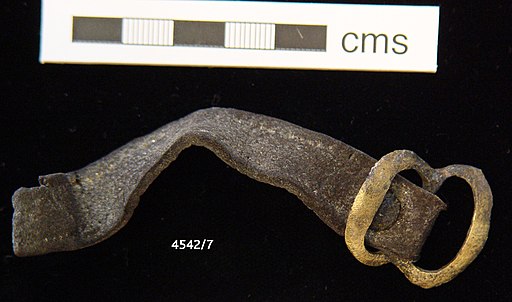
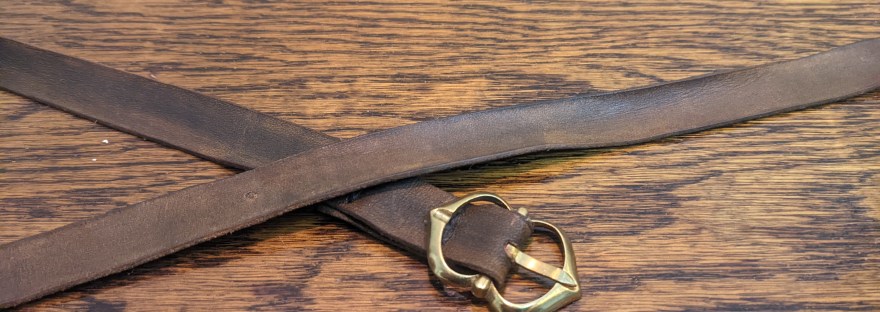
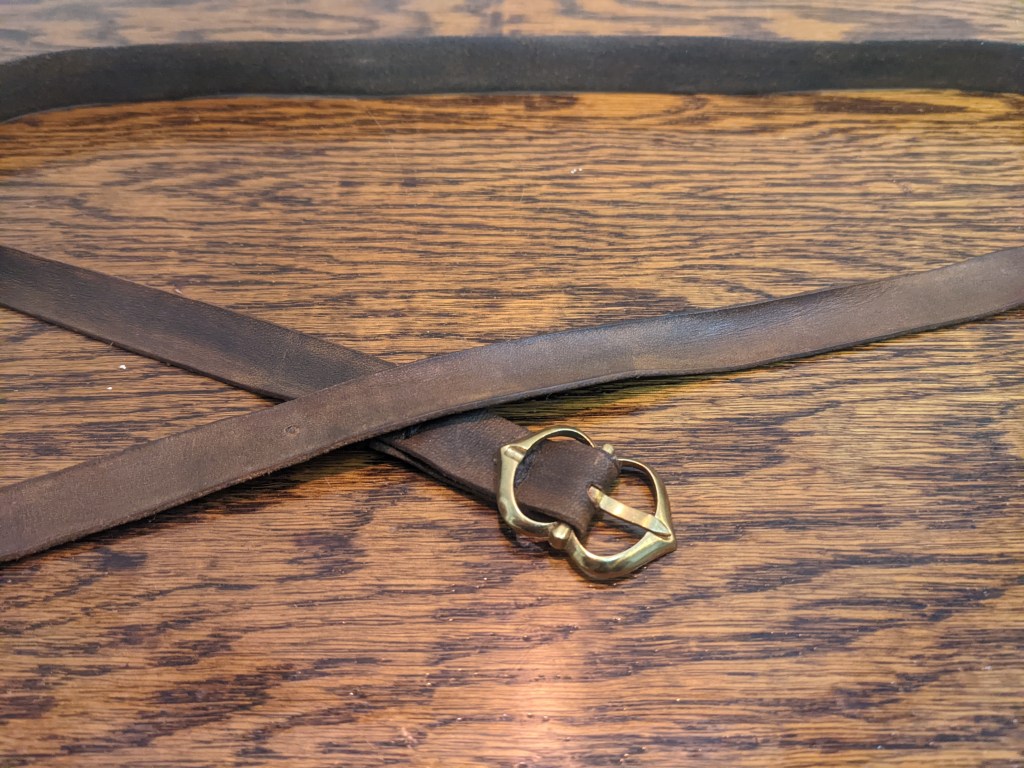
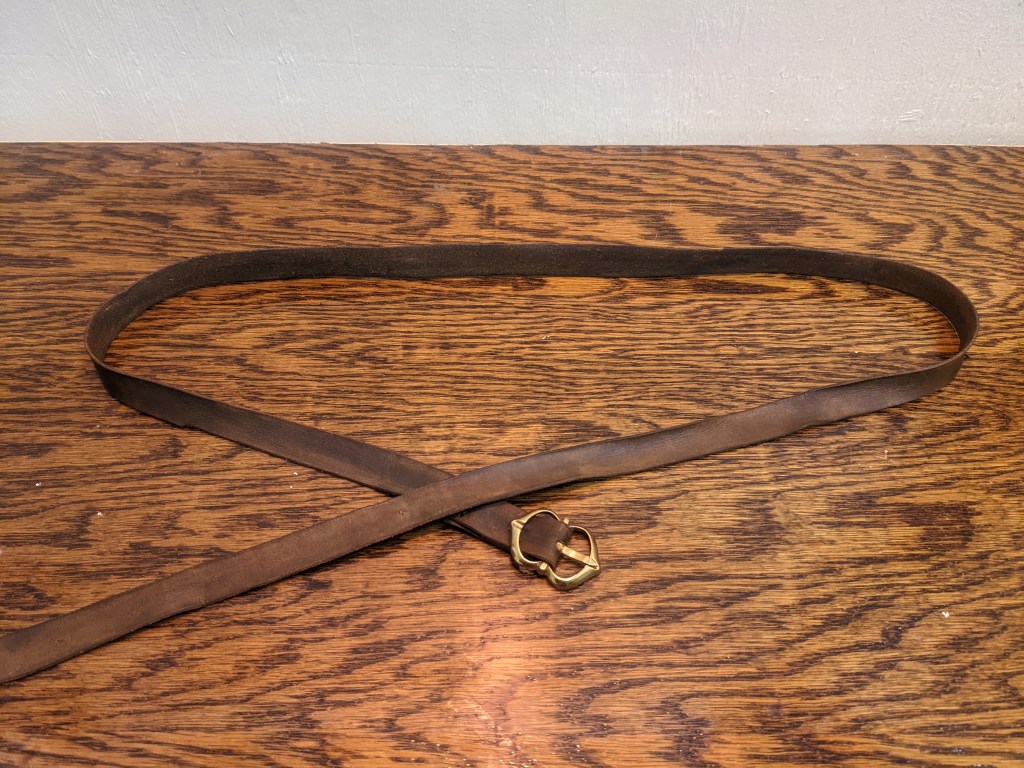
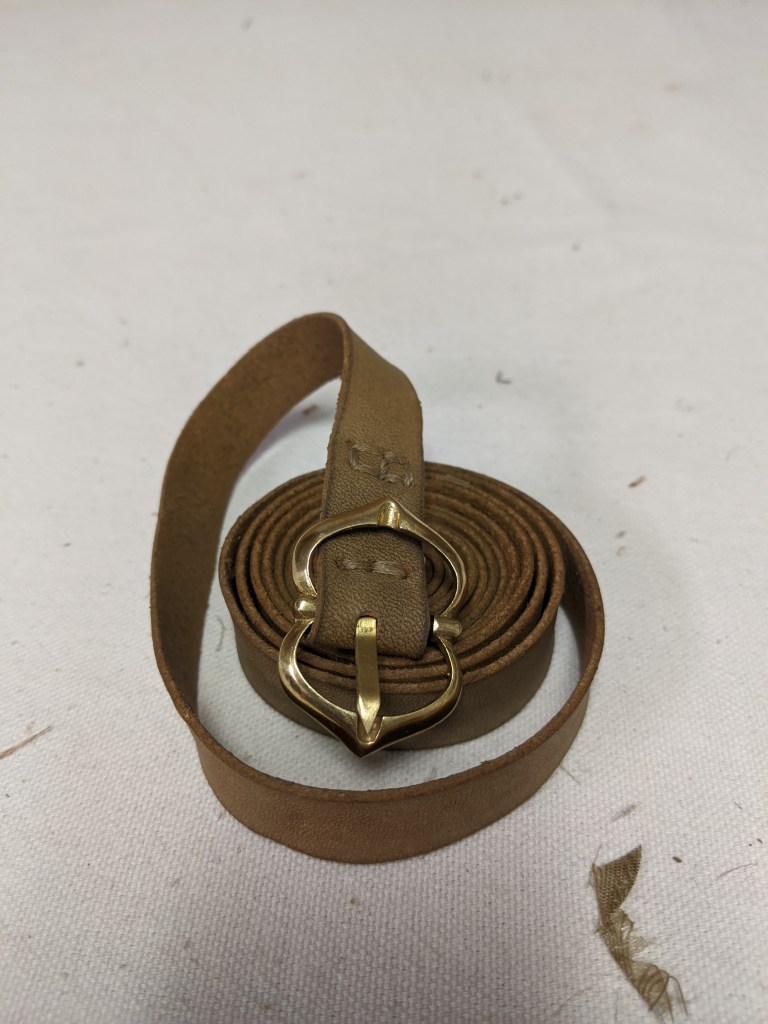
This is a modern buckle taken from a worn out belt and attached to a strip of leather to form a belt. This easily made belt works very well for people new to the SCA.

This reproduction buckle is based an extant example dated to arround 1350 CE, but is very similar to many others from different time periods. It is available through several reputable vendors. It would be an example of a very inexpensive reproduction piece.

Inspiration Images

Common Materials

  • Fabrics:
    • Leather
  • Ornamentation:

Effective Substitutions

  • Fabrics:
    • Leather
  • Ornamentation:

Ensemble Components

Accessories

Source/Links

The Portable Antiquities Scheme/ The Trustees of the British Museum, CC BY-SA 4.0 <https://creativecommons.org/licenses/by-sa/4.0&gt;, via Wikimedia Commons

Version1
date1/2/2022
Source of Period PicBritish Museum
Model 
PhotographerVincent De Vere
  
Component Entry, Female, Male, Unisex

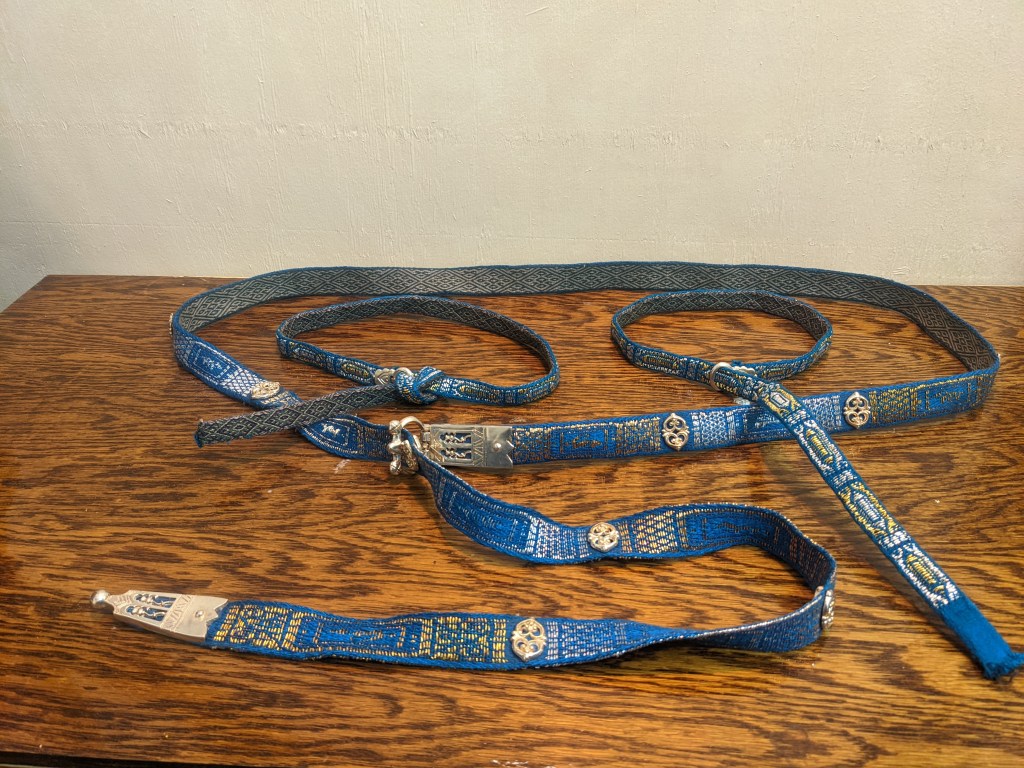
Belt, Tablet woven 2 with garters

TitleBrocaded tablet woven belt and garters Belt with Reproduction Buckle
Entry #GGC2021.035
Alternate NamesBelt, Girdle
Year1300
Time range1300-1400
EraHigh Medieval
GenderUnisex
regionEurope
Countries/culturesEurope
MakerKristine nic Tallieur,
Difficulty5
ConfidenceExtant fragment

Intro:

 Various belts.      

Description:

Th

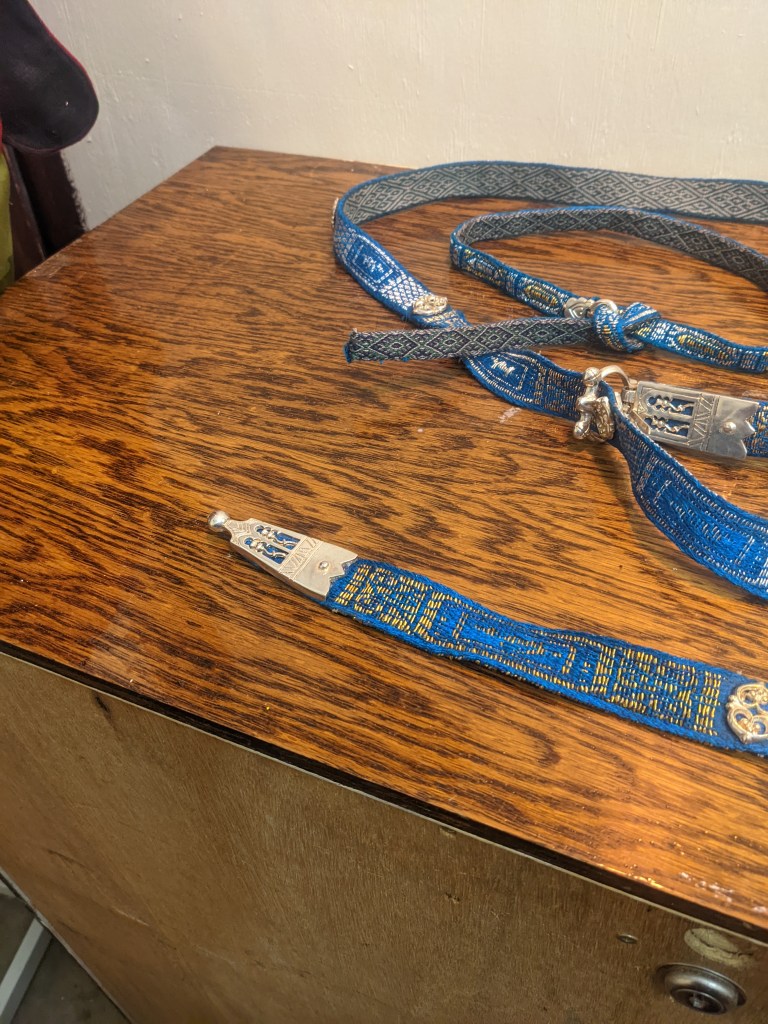
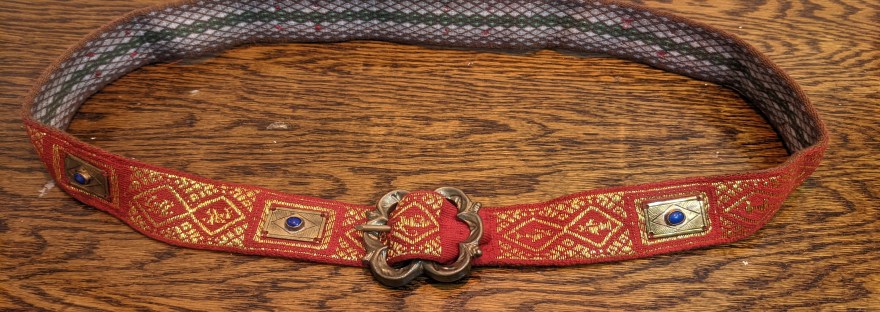
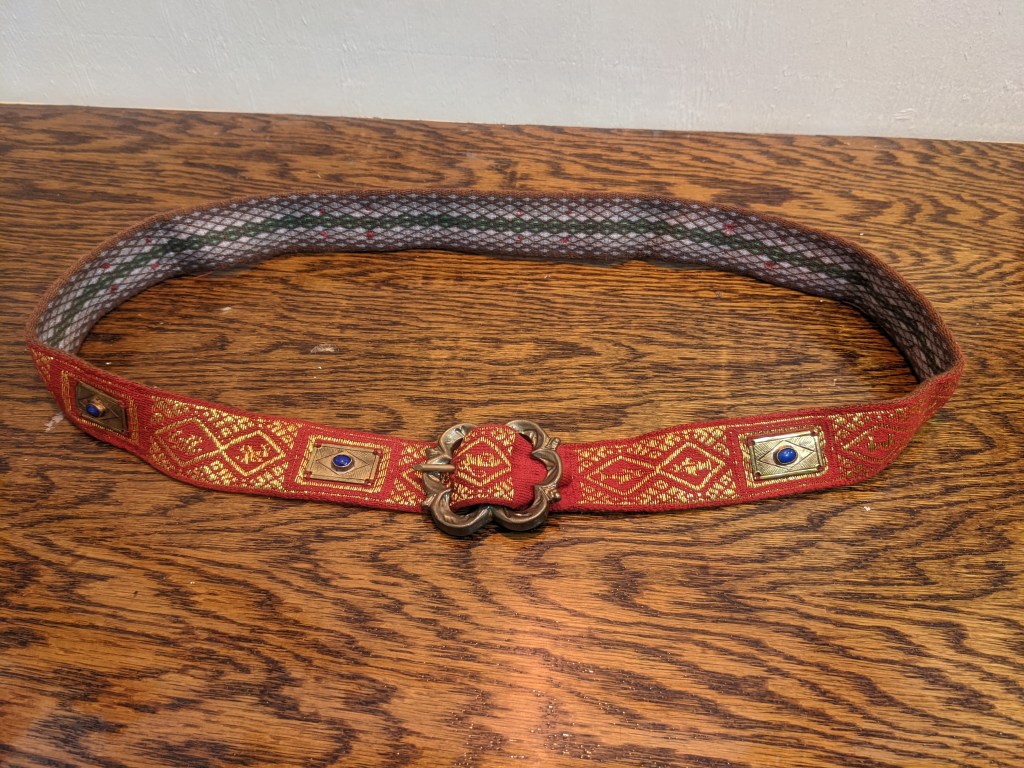
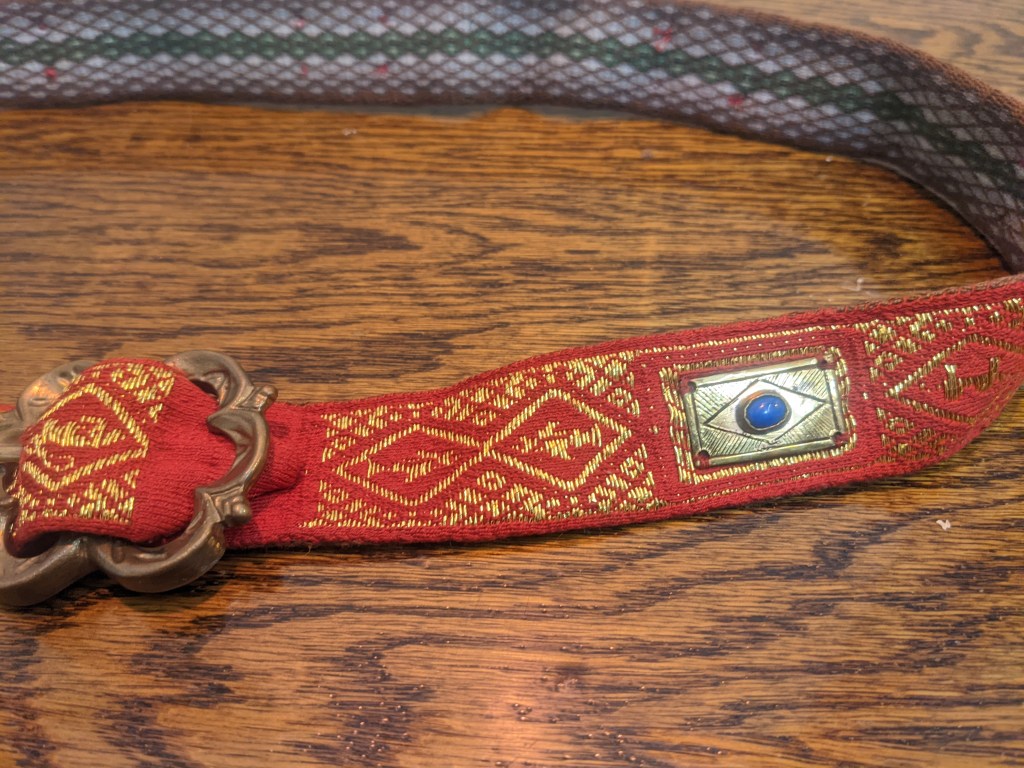
This is a tablet woven belt made in two layers.  The outer layer is cotton with mylar wrapped thread that emulates gold thread used in period weaving. The images woven into the belt using a brocade technique.   The belt is woven in two parts with a cotton inner belt and the layers are sewn together. The buckle is a reproduction of an English find from 1300-1400’s buckle from a private collection. Purchased from a reenactor vendor.      

The garters are made in the same manner. 

Inspiration Images

Common Materials

  • Fabrics:
    • Linen, silk, gold wire, bronze/copper alloy
  • Ornamentation:

Effective Substitutions

  • Fabrics:
    • Silk, cotton, linen, wool, mylar thread, brass, bronze
  • Ornamentation:

Ensemble Components

Accessories

  • The buckle is a reproduction of a 1300-1400’s buckle from a private collection. Purchased from a reenactor vendor.      

Source/Links

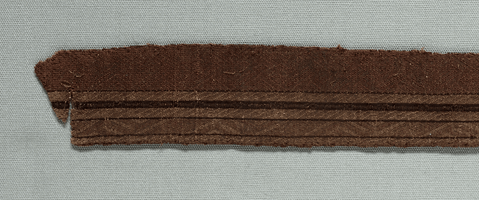
Cleveland Museum of Art, CC0, via Wikimedia Commons https://commons.wikimedia.org/wiki/File:Italy,_Sicily,_end_of_11th_century_-_Two_Galloon_Fragments_Mounted_Together_-_1940.492.a_-_Cleveland_Museum_of_Art.tif

Version1
date1/9/2022
Source of Period PicWikipedia commons, Cleveland Museum of Art
Model 
PhotographerVincent De Vere
  
Component Entry, Female, Male, Unisex

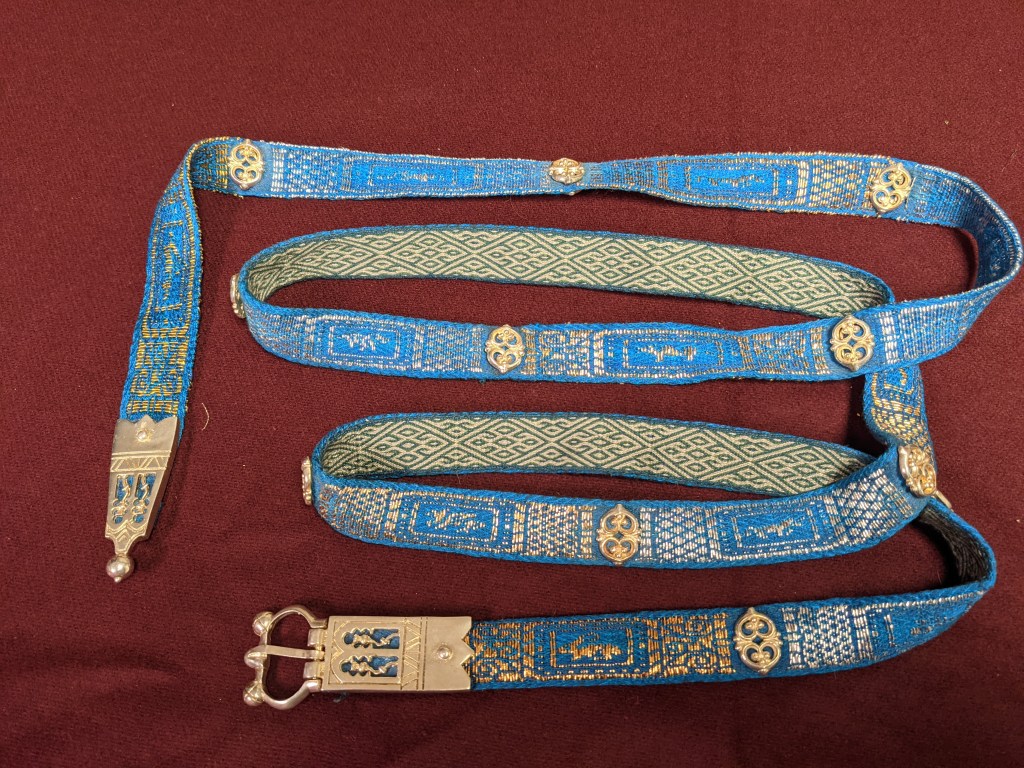
Belt, Tablet woven 1 with plaques

TitleBrocaded tablet woven belt and metal plaques
Entry #GGC2021.036
Alternate NamesBelt, Girdle
Year1300
Time range1200-1400
EraHigh Medieval
GenderUnisex
regionEurope
Countries/culturesEurope
MakerKristine nic Tallieur,
Difficulty5
ConfidenceExtant fragment

Intro:

 Various belts.      

Description:

Inspiration Images

Common Materials

  • Fabrics:
    • Linen, silk, gold wire, bronze/copper alloy
  • Ornamentation:

Effective Substitutions

  • Fabrics:
    • Silk, cotton, linen, wool, mylar thread, brass, bronze
  • Ornamentation:

Ensemble Components

Accessories

  • The buckle is a reproduction of a 1400’s buckle found in the British museum purchased from an SCA vendor. 

Source/Links

Cleveland Museum of Art, CC0, via Wikimedia Commons https://commons.wikimedia.org/wiki/File:Italy,_Sicily,_end_of_11th_century_-_Two_Galloon_Fragments_Mounted_Together_-_1940.492.a_-_Cleveland_Museum_of_Art.tif

Version1
date1/9/2022
Source of Period PicWikipedia commons, Cleveland Museum of Art
Model 
PhotographerVincent De Vere
  
Component Entry, Female, Male, Unisex

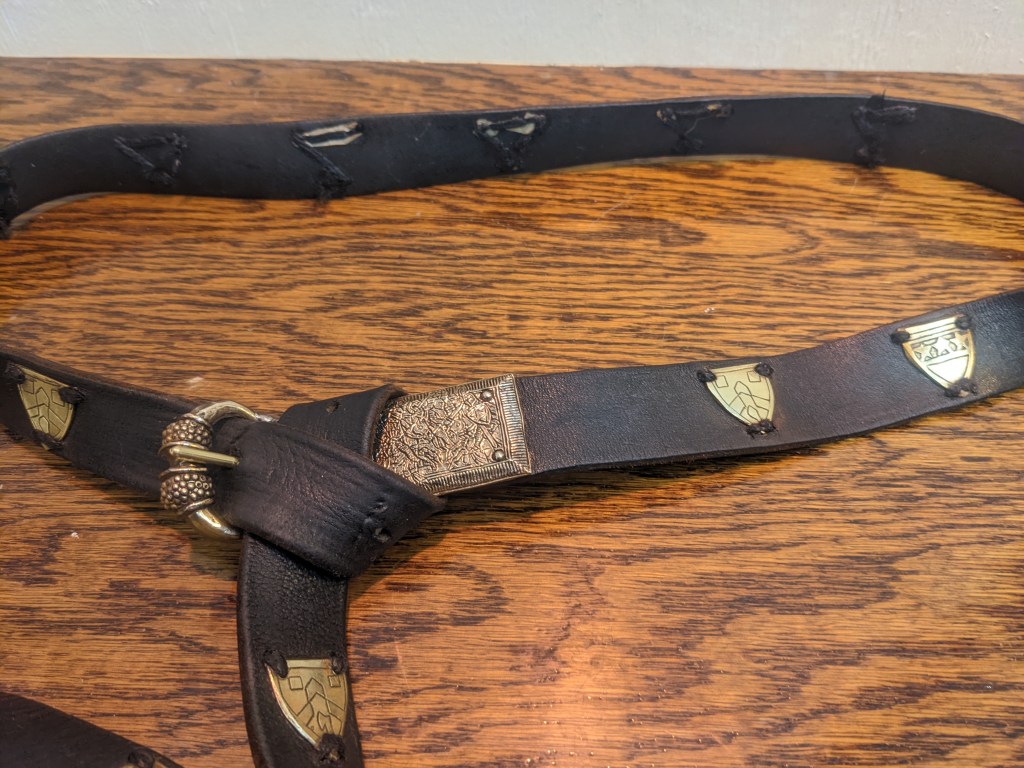
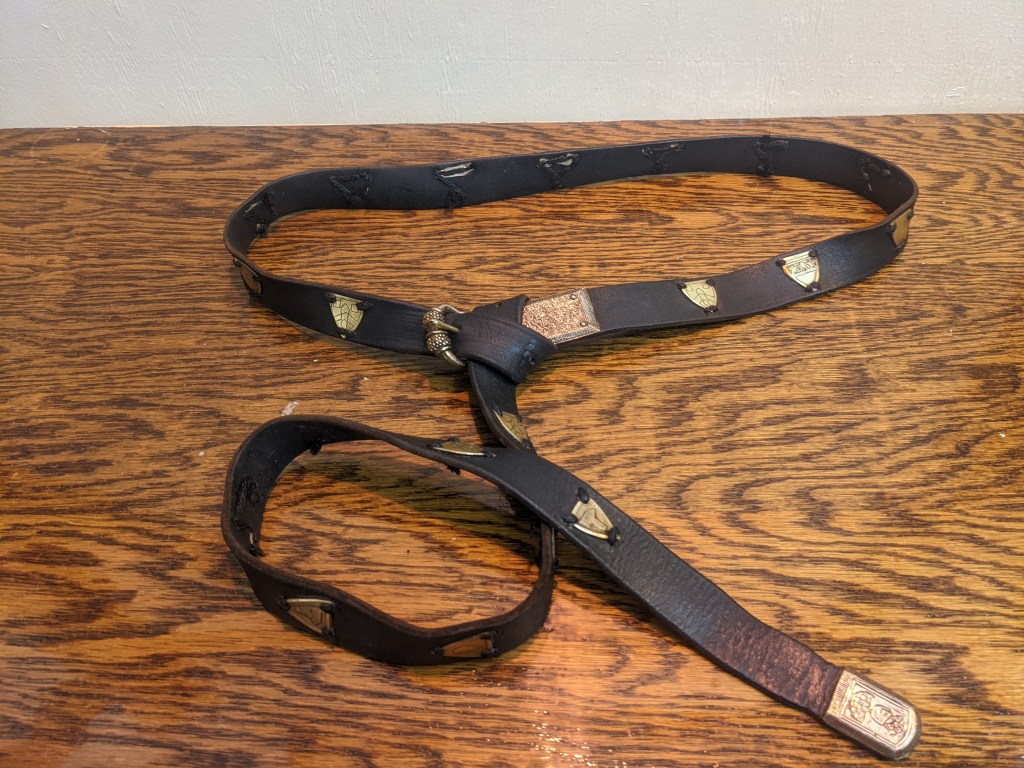
Belt with brass plaques reproduction buckle

TitleBelt with brass plaques reproduction buckle
Entry #GGC2021.032
Alternate NamesBelt
Year1300 CE
Time range1200-1400CE
EraHigh Medieval
GenderUnisex
regionEurope
Countries/culturesEurope
MakerVincent De Vere,
Difficulty2
ConfidenceExtant Example

Intro:

 Various belts.      

Description:

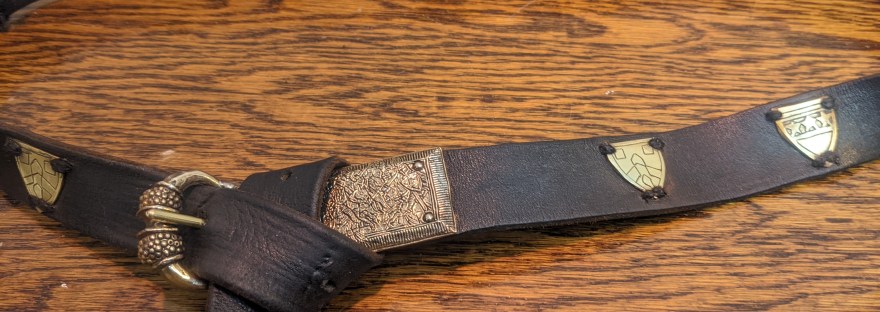
This is a narrow leather belt with preproduction buckle and tip purchased from an SCA merchant and the brass plaques are etched with various devices and batches associated with the owner

Inspiration Images

Common Materials

  • Fabrics:
    • Leather brass, bronze
  • Ornamentation:

Effective Substitutions

  • Fabrics:
    • Leather, brass
  • Ornamentation:

Ensemble Components

Accessories

Source/Links

The Portable Antiquities Scheme/ The Trustees of the British Museum, CC BY-SA 4.0 <https://creativecommons.org/licenses/by-sa/4.0&gt;, via Wikimedia Commons

buckle and tip based on a Hungarian, c. 1275 Magyar Nemzeti Museum, Budapest belt tip and

Version1
date1/2/2022
Source of Period PicBritish Museum
Model 
PhotographerVincent De Vere
  
Component Entry, Unisex

Shoe, slip-on low turn shoe 1

TitleShoe, slip-on low turn shoe 1
Entry #GGC2022.016
Alternate NamesShoe, turn shoe,
Year1300 CE
Time range1100 BCE – 1400 CE
Eraall
Genderunisex
regionEurope
Countries/culturesEurope
MakerVincent De Vere,
Difficulty3
ConfidenceExtant Examples

Intro:

Slip on turn shoes.

Description:

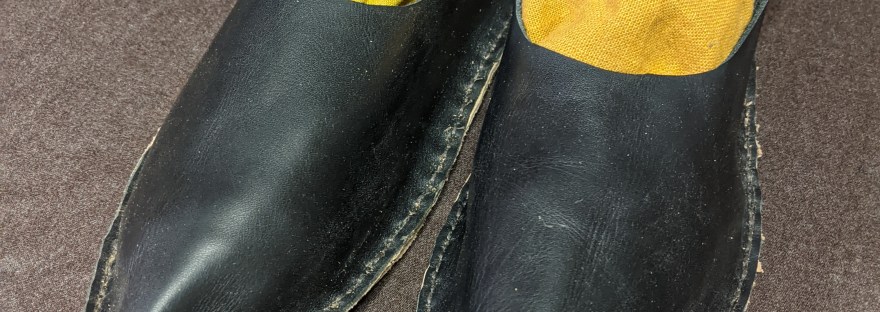
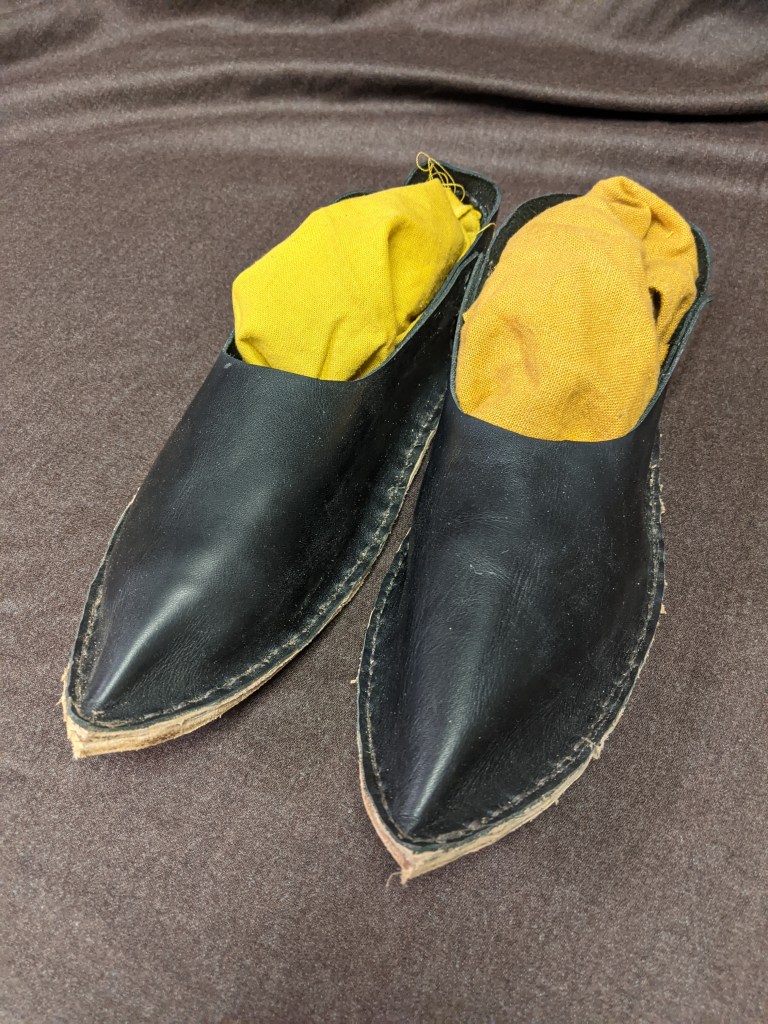
Low slip on shoes that are constructed from 2 pieces of leather. They are sewn inside out and then turned right side out, thus the common name of turn shoes.  Shoes like these, in one form or another, have been used throughout much of the period covered by the SCA.

This pair of shoes had a stiffening sole and tread glued to the shoe after construction.  Although this is a modern consideration, it was done for additional comfort and safety for use at events.  Accommodations like this are common in the SCA.

Inspiration Images

Common Materials

  • Fabrics:
    • Leather
  • Ornamentation:

Effective Substitutions

  • Fabrics:
    • chrome tanned leather doesn’t shape and form that way oak tan/veg tan leather will.

Ensemble Components

Accessories

Source/Links

Wolfmann, CC BY-SA 4.0 <https://creativecommons.org/licenses/by-sa/4.0&gt;, via Wikimedia Commons

Stepping Through Time: Archaeological Footwear from Prehistoric Times until 1800, By Olaf Goubitz.  ISBN  9089320040 ISBN-13 ‏ : ‎ 978-9089320049

Version1
date1/9/2022
Source of Period PicWolfmann, CC BY-SA 4.0 <https://creativecommons.org/licenses/by-sa/4.0&gt;, via Wikimedia Commons
Model 
PhotographerVincent De Vere
  

Component Entry, Unisex

Shoe, slip-on punched turn shoe 1

TitleShoe, slip-on punched turn shoe 1
Entry #GGC2022.019
Alternate NamesShoe, turn shoe,
Year1300 CE
Time range1100 BCE – 1400 CE
Eraall
Genderunisex
regionEurope
Countries/culturesEurope
MakerVincent De Vere,
Difficulty3
ConfidenceExtant Examples

Intro:

Slip on turn shoes with punched out decorations       

Description:

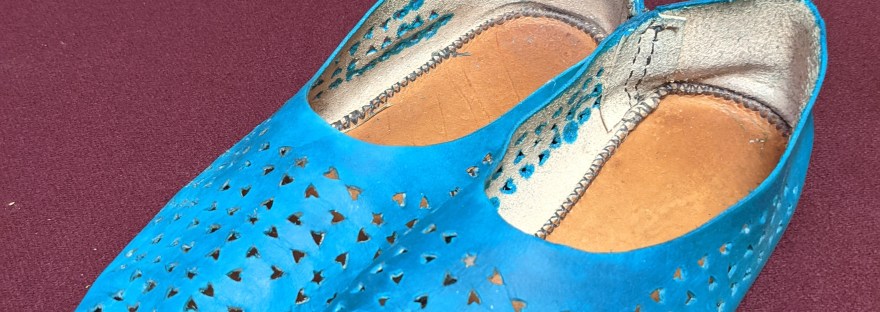
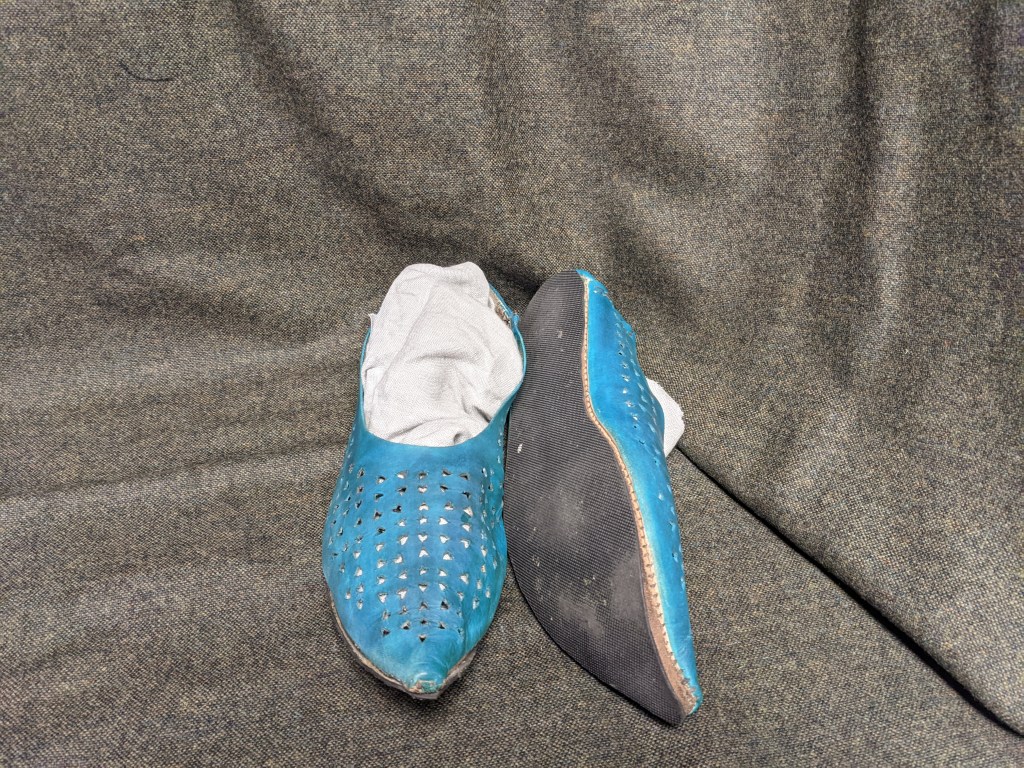
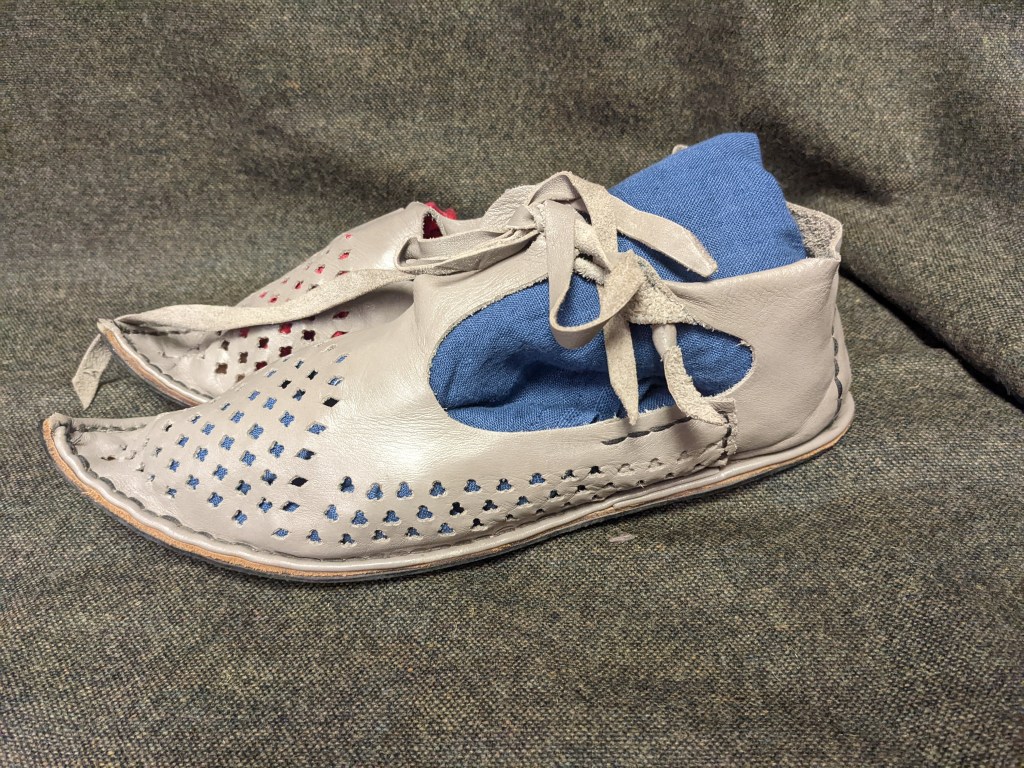
Low slip on shoes that are constructed from 2 pieces of leather. They are sewn inside out and then turned right side out, thus the common name of turn shoes.  Shoes like these, in one form or another, have been used throughout the period covered by the SCA

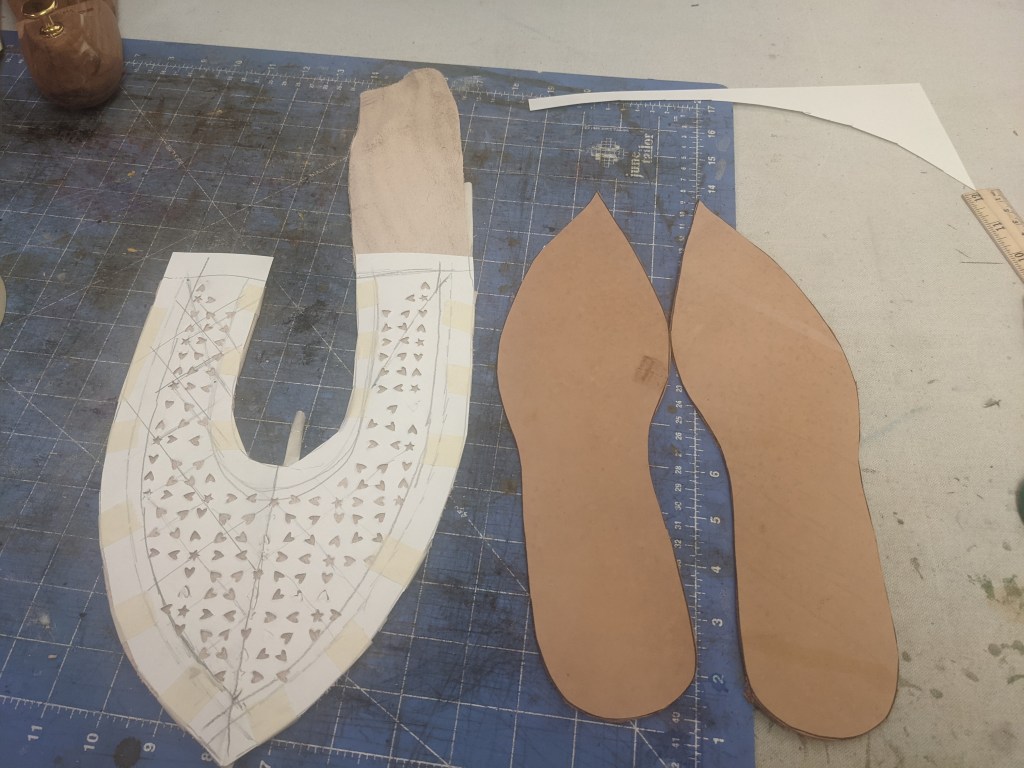
This pair of shoes is decorated by having a pattern of holes punched into the leather before assembling the shoe.  Shoes decorated with punch decorations have survived dating back to Roman times. Sets of shaped punches can be purchased online for not much and the punching of the leather adds less than an hour to the total construction time. 

Inspiration Images

Common Materials

  • Fabrics:
    • Leather
  • Ornamentation:

Effective Substitutions

  • Fabrics:
    • chrome tanned leather doesn’t shape and form that way oak tan/veg tan leather will.

Ensemble Components

Accessories

Source/Links

Wolfmann, CC BY-SA 4.0 <https://creativecommons.org/licenses/by-sa/4.0&gt;, via Wikimedia Commons

Stepping Through Time: Archaeological Footwear from Prehistoric Times until 1800, By Olaf Goubitz.  ISBN  9089320040 ISBN-13 ‏ : ‎ 978-9089320049

Version1
date1/9/2022
Source of Period PicWolfmann, CC BY-SA 4.0 <https://creativecommons.org/licenses/by-sa/4.0&gt;, via Wikimedia Commons, Kulturhistorisk Museum, Oslo, Norway. Medieval Exhibition
Model 
PhotographerVincent De Vere
  

Component Entry, Unisex

Shoe, punched simplified shoe 2

TitleShoe, punched simplified shoe 2
Entry #GGC2022.021
Alternate NamesShoe, turn shoe,
Year1300 CE
Time range1100 BCE – 1400 CE
Eraall
Genderunisex
regionEurope
Countries/culturesEurope
MakerVincent De Vere,
Difficulty3
ConfidenceExtant Examples

Intro:

Slip on turn shoes with punched out decorations           

Description:

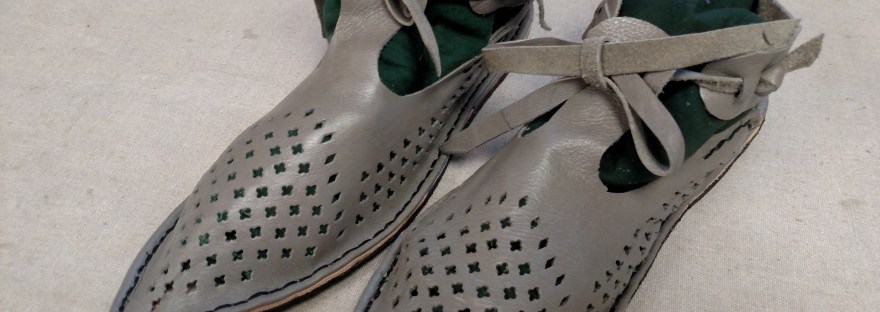
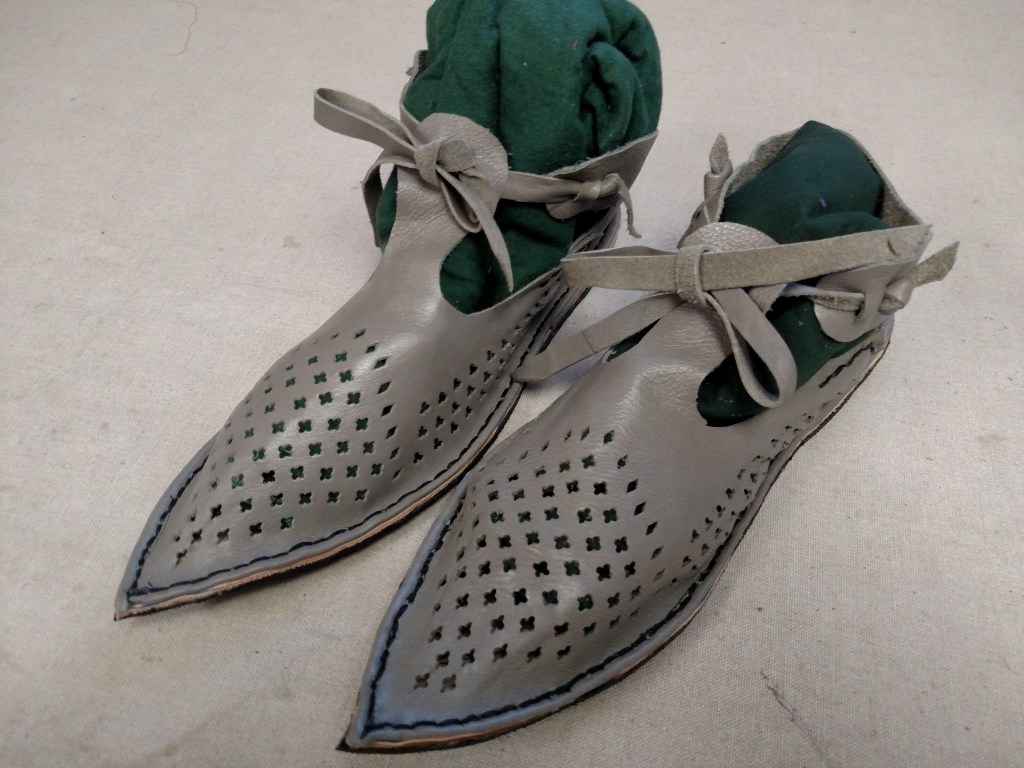
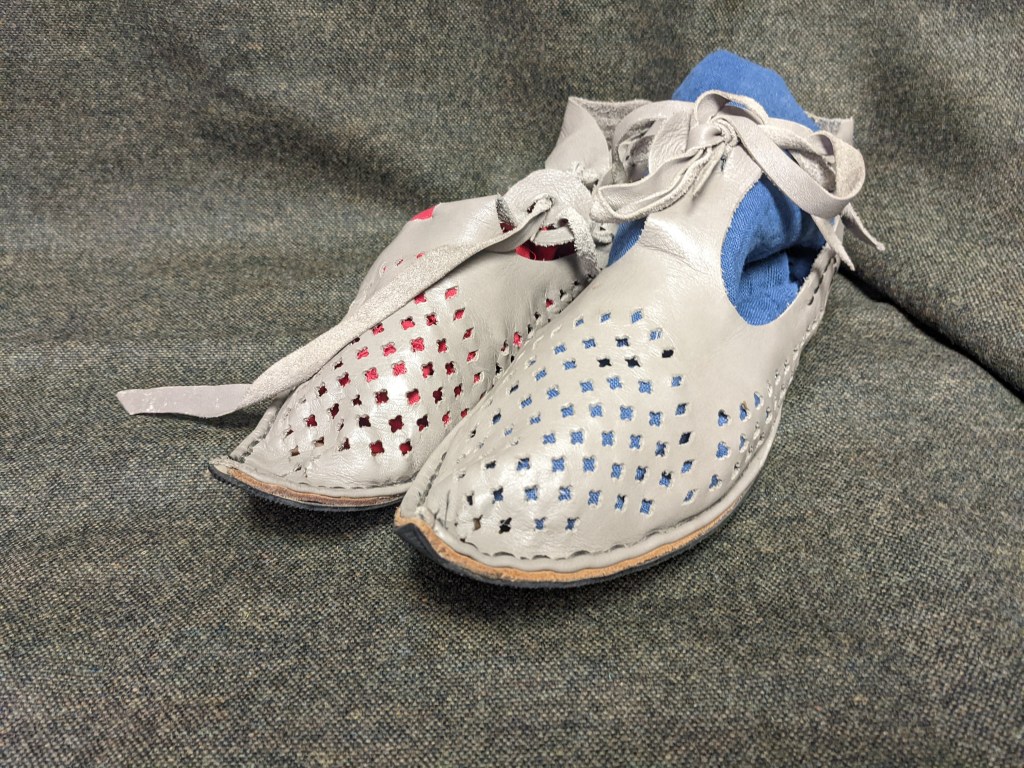
Low slip on shoes that are constructed from 2 pieces of leather. This simplified shoe construction doesn’t require the shoe to be turned inside out after constructing and it looks much like a turn shoe when worn. Shoes like these, in one form or another, have been used throughout the period covered by the SCA

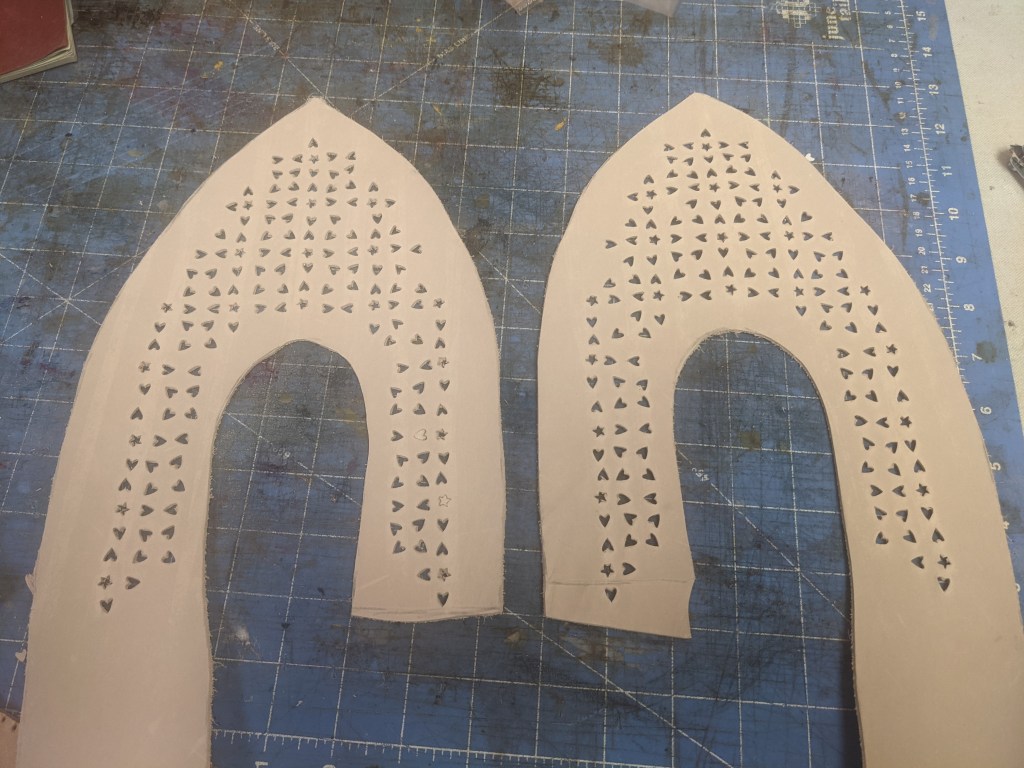
This pair of shoes is decorated by having a pattern of holes punched into the leather before assembling the shoe.  Shoes decorated with punch decorations have survived dating back to Roman times. Sets of shaped punches can be purchased online for not much and the punching of the leather adds less than an hour to the total construction time. 

This simplified construction technique doesn’t actually produce a turn shoe and can produce a shoe much like the turn shoe and can use chrome tanned leather.

Inspiration Images

Common Materials

  • Fabrics:
    • Leather
  • Ornamentation:

Effective Substitutions

  • Fabrics:
    • This modification can work with chrome tanned leather. Oak tan/veg tan leather will work better.

Ensemble Components

Accessories

Source/Links

Wolfmann, CC BY-SA 4.0 <https://creativecommons.org/licenses/by-sa/4.0&gt;, via Wikimedia Commons

Stepping Through Time: Archaeological Footwear from Prehistoric Times until 1800, By Olaf Goubitz.  ISBN  9089320040 ISBN-13 ‏ : ‎ 978-9089320049

Version1
date1/9/2022
Source of Period PicWolfmann, CC BY-SA 4.0 <https://creativecommons.org/licenses/by-sa/4.0&gt;, via Wikimedia Commons, Kulturhistorisk Museum, Oslo, Norway. Medieval Exhibition
Model 
PhotographerVincent De Vere
  

Full Entry, Male

1300 CE Male Parti colored Linen Cote

Title: 1300 CE Male Parti colored Linen Cote
Entry #: GGB2021.046
Alternate Names: Gown, Frock coat, Tunic, over tunic, 
Year: 1300 CE
Time range: 1100-1400 CE
Era: High medieval
Gender: Male
region: Europe
Countries/cultures: Europe
Maker: Vincent De Vere
Difficulty: 2
Confidence: Image Examples

Intro:

A loose tunic like garment with buttons at the neck and cuffs bloused over a belt. Extending from below the waste to below the knee with long sleeves.

Description:

This garment, or variations of it can be seen in many paintings and illustrations that cross over several regions and time frames.  People from many stations in society use this functional garment, from laborers to merchants and higher. Varying slightly from its beginnings before 1100CE and fading in fashion for all but laborers late in period.

In general it is slightly more tailored tunic with the neck hole held closed by use of buttons rather than the earlier broaches.  Buttons may just close the neck hole, extend part way down the chest or to the bottom of the garment.  The cut is usually full producing a baggy garment belted at the waste and bloused over the belt.  Some assign the length of the garment to station, with average workmen wearing it shorter to the more wealthy merchants wearing a longer garment.

Likely worn with an undershirt and in some cases a simple doublet as well as hosen or trews.

Sometimes underrepresented in the SCA, cotes can easily produce a medieval look with an easily constructed garment.

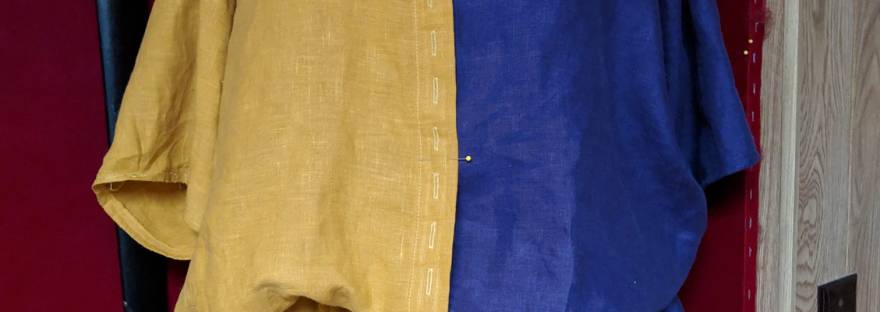
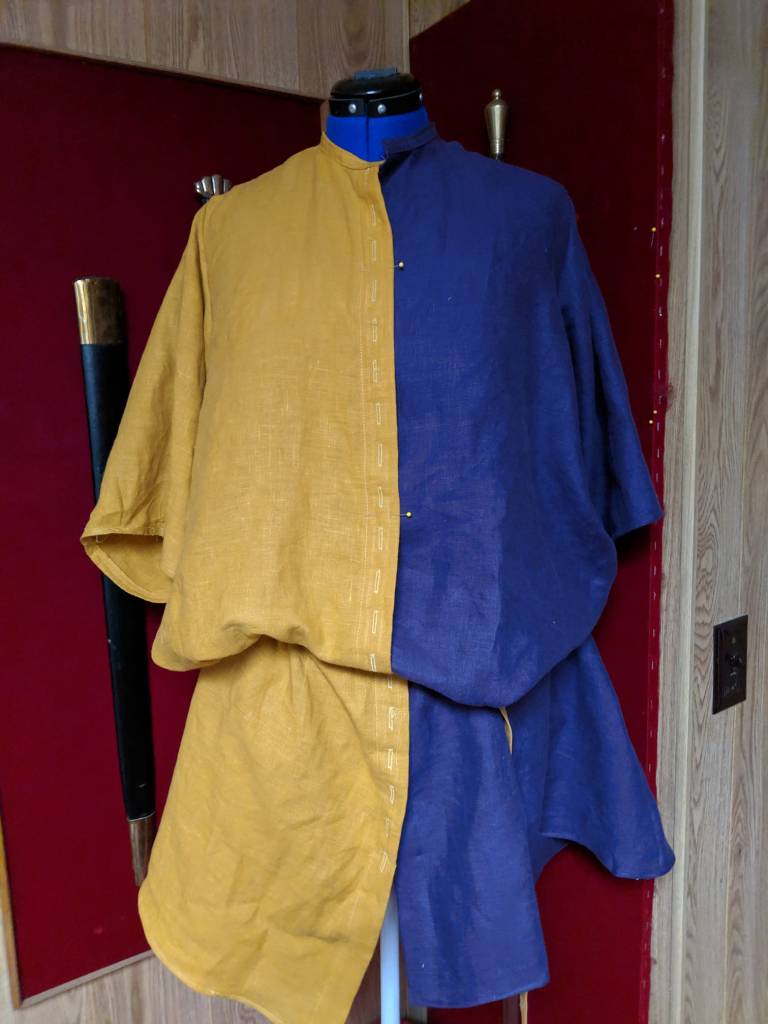
This example is a light loose parti colored cote with buttons down the whole length

Inspiration Images

Common Materials

  • Fabrics:
    • wool
    • linen
    • brocades
  • Ornamentation:

Effective Substitutions

  • Fabrics:
    • wool blends
    • linen blends
    • cottons
    • lighter weight upholstery fabrics that simulate period patterns
  • Ornamentation:

Ensemble Components

  • Cote
  • under tunic
  • possibly a doublet

  • pants or breis/hosen
  • Could be covered by a surcote

Accessories

  • hat
  • shoes
  • belt
  • pouch

Source/Links

Version: 2
date: 2/25/2021
Source of Period Pic: http://en.wikipedia.org/wiki/File:48-aspetti_di_vita_quotidiana_ubriachezza_Taccuino_Sanitatis_Shoes.jpg
Model:
Photographer: Vincent de Vere